
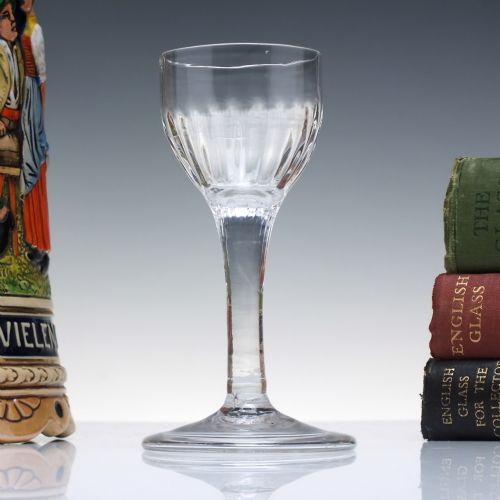


Georgian Footed Glass Bowl
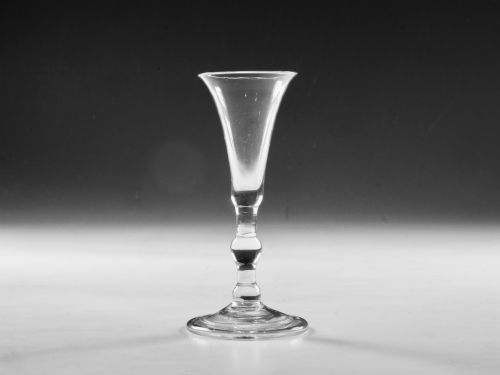
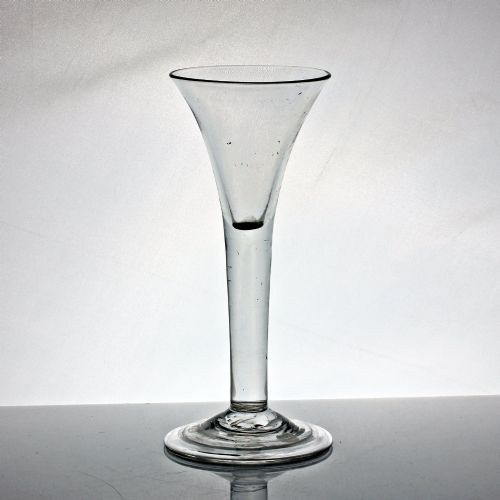
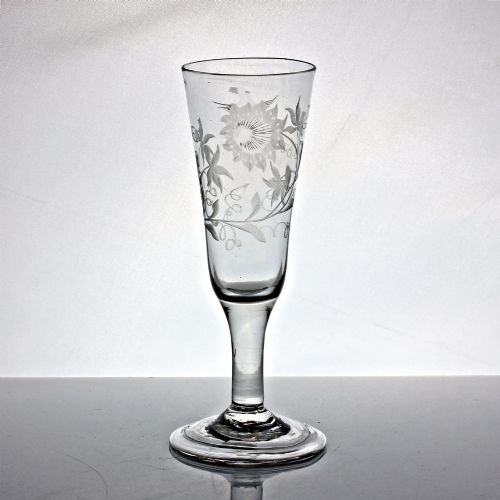
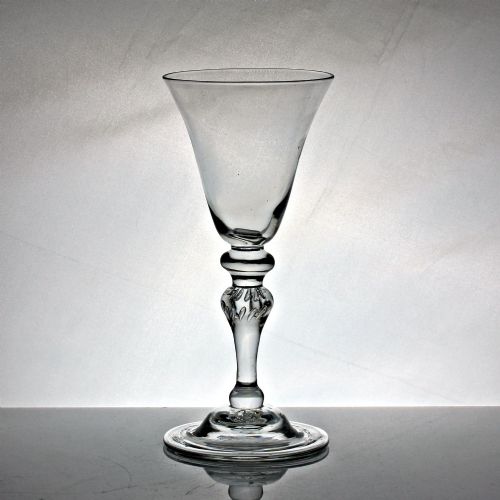
These georgian footed glass bowl pieces combine eighteenth-century weight with classic pedestal bases, offering both historic utility and crisp visual presence for the table.
Georgian Footed Glass Bowl
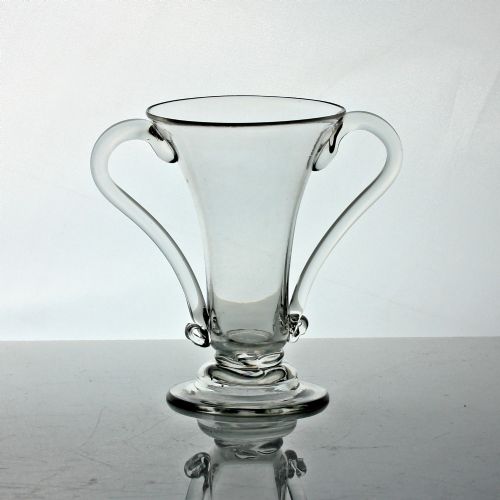
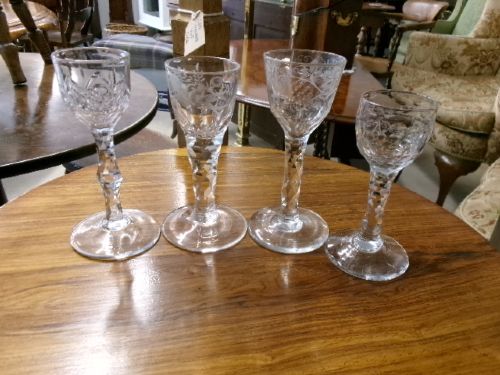
When searching for a georgian footed glass bowl, collectors encounter pieces spanning the eighteenth and early nineteenth centuries, featuring distinct pedestal bases and elevated forms. The selection includes drinking glasses with wide foot bases alongside larger fruit and centerpieces, showing how utilitarian glass evolved during the period.
The objects on this page range from modest double-handled jelly glasses and sugar bowls to substantial Irish turnover bowls and fruit containers. These variations demonstrate the breadth of domestic glassware produced under Georgian and Regency aesthetics, often defined by folded or domed feet.
Smaller vessels like sweetmeat glasses and bonnet types sit alongside larger table centrepieces, uniting functional drinking and servingware under the broader category of footed glass. Clear glass dominates, though occasional cobalt or blue rims add subtle contrast to the forms.
Materials and construction
Makers utilised lead glass, flint glass, and lead crystal to achieve the clear, heavy handling characteristic of the era. These dense materials allowed for deep faceting and complex stem formations without losing structural integrity.
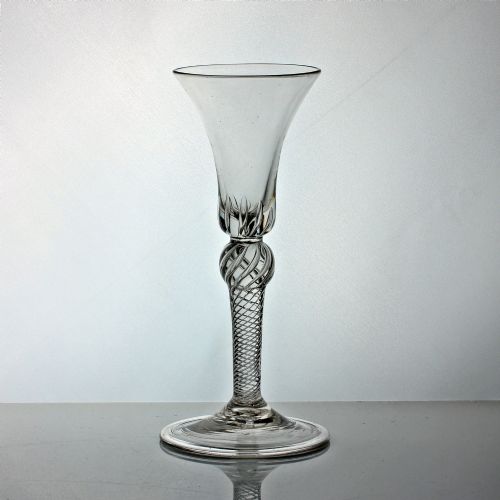
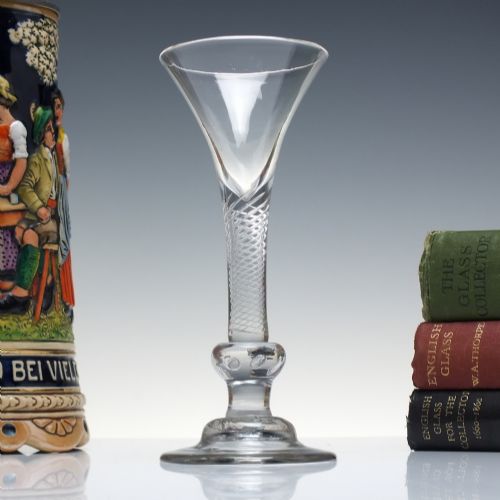
Production techniques involved free-blowing, moulding, and wheel-cutting, often combining ribbed bowls with folded foot bases to strengthen the edges. Air twists and complex air-teared stems within the inventory show sophisticated manipulation of molten metal.
Georgian hosts utilised scalloped monteith rims to hang wine glasses by their feet, keeping the bowls cool in ice water.
Assessing quality in early glass
Quality rests in the crispness of the cutting, the proportional balance between the bowl and the domed or folded foot, and the clarity of the metal. Superior pieces display sharp facets and refined stem knops rather than heavy or sluggish contours.
The presence of characteristic manufacturing marks, such as pontil scars on the underside of the foot, confirms period authenticity. Better examples maintain smooth rims and unclouded material surfaces that transmit light cleanly.
The Georgian Footed Glass Bowl Glossary
- Folded foot
- A base formed by doubling the hot glass edge back underneath itself to create a thickened, rounded rim that resists chipping. This technique is frequently seen on eighteenth-century drinking glasses and bowls.
- Air twist
- A decorative spiral of elongated air bubbles trapped within the glass stem during manufacture. It results from drawing and twisting the hot metal.
- Pontil mark
- A rough scar on the base of a vessel where the punty rod was detached after finishing the piece. Its presence indicates traditional hand-blown methods.
- Hobnail pattern
- A raised geometric cutting style resembling the heads of heavy hobnails used on boots. This texture creates deep light reflection across nineteenth-century pieces.
- Monteith
- A bowl featuring a scalloped or notched rim originally used for chilling wine glasses. Georgian versions often present a plain double ogee profile with contrasting coloured rims.
Georgian Footed Glass Bowl: Frequently Asked Questions
Were these bowls used for fruit or sugar?
Larger forms functioned as centrepieces for serving fruit on the dining table. Smaller vessels held sugar or sweetmeats during formal tea and dessert courses.
Domestic habits of the period dictated specific shapes for distinct serving duties. Deeper turnover styles accommodated moist or stacked contents.
What is an air twist stem?
An air twist is an optical effect created by forming bubbles inside the molten stem and twisting the glass as it is drawn out. This intricate technique lightens the visual weight of the glassware.
It remains a hallmark of mid-eighteenth-century drinking vessels and stems. Collectors prize the symmetry and fineness of the internal threads.
How can I tell eighteenth century glass from later pieces?
Early pieces display heavier lead metal content, subtle surface irregularities from hand-blowing, and distinct pontil marks on the foot base. Later nineteenth-century items often show machine-pressed uniformity or sharper mechanical cutting.
Weight, surface handle, and stylistic proportions offer reliable clues to the period of manufacture. Examining the base provides the clearest indication of production methods.