


Georgian Fluted Glass
Georgian fluted glass offers the tactile brilliance of the eighteenth century, bringing crisp optical moulding and rich lead crystal to the table.
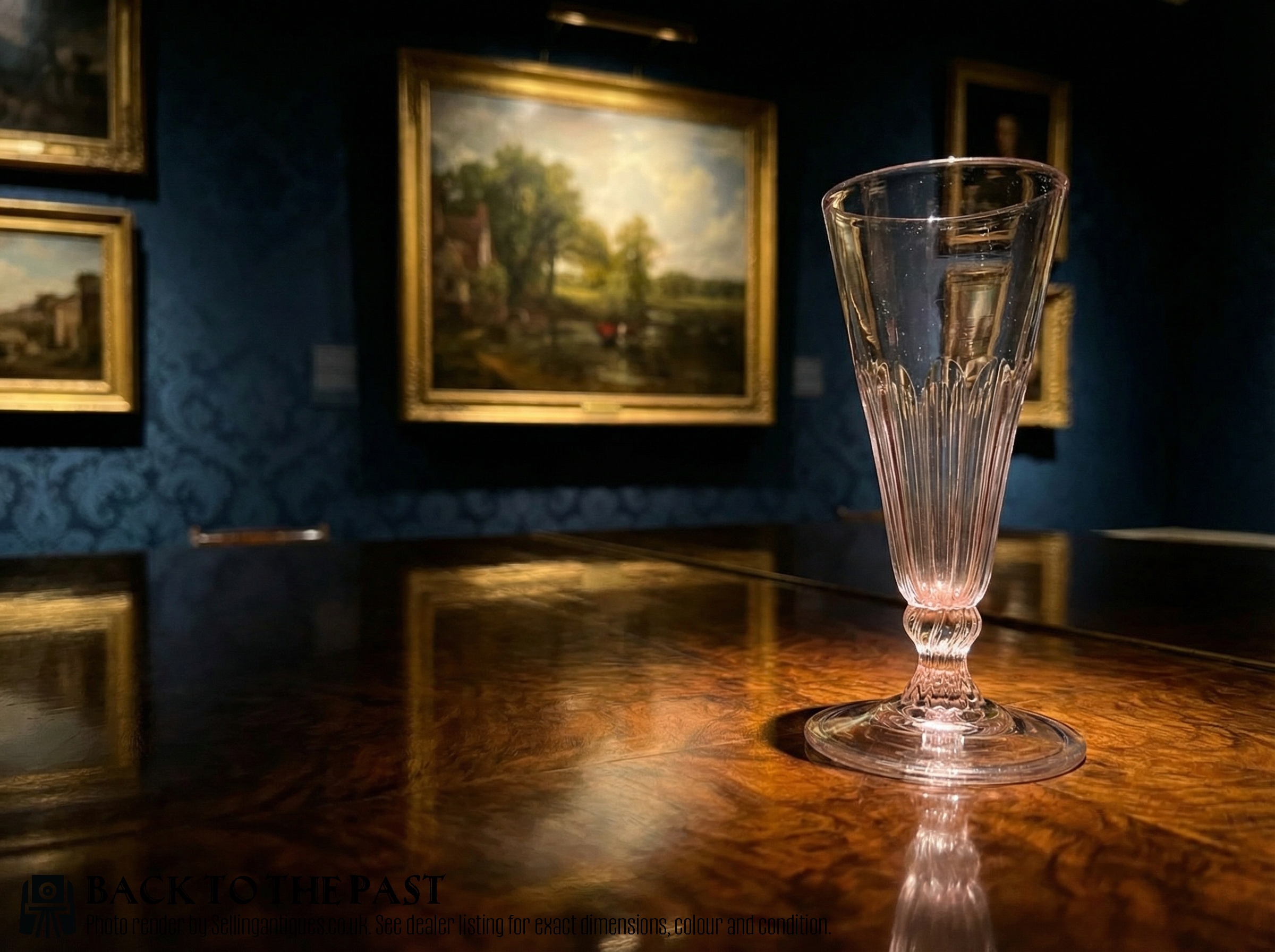
Georgian Fluted Glass
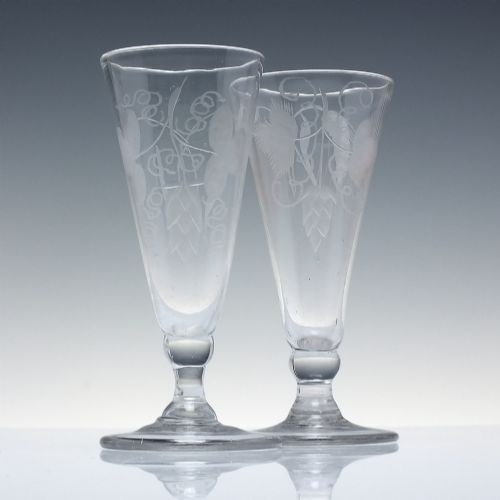
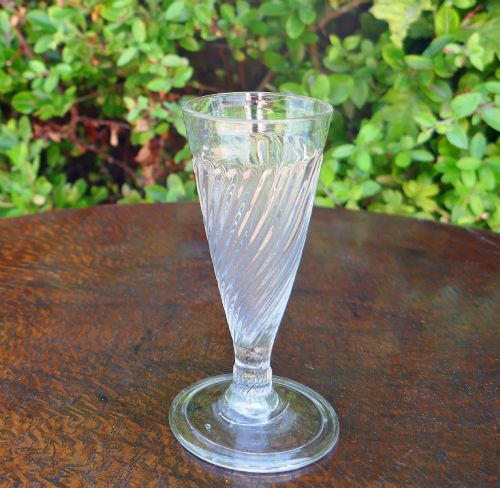
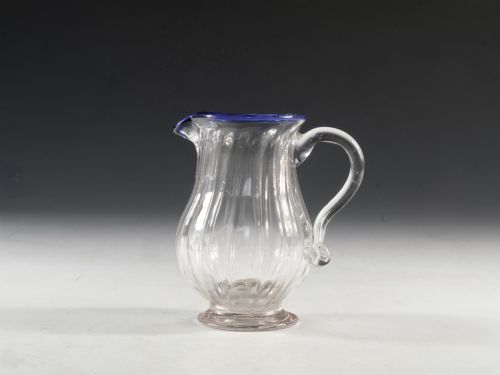
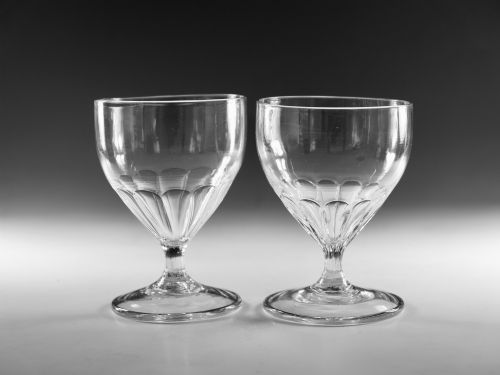
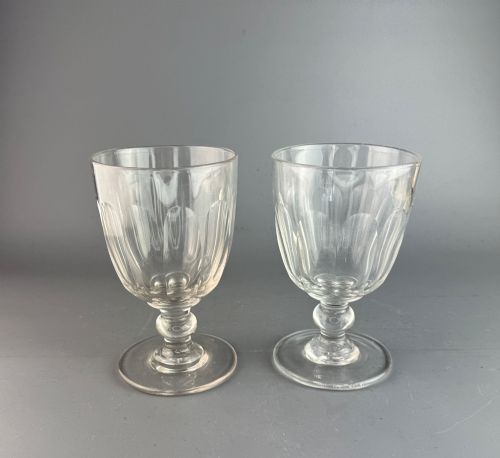
When you search for georgian fluted glass, you encounter drinking vessels, decanters and tableware shaped by vertical flutes or ribbed mouldings that catch the light. The items span the eighteenth and nineteenth centuries, including ale glasses, rummers, wine flutes and cream jugs.
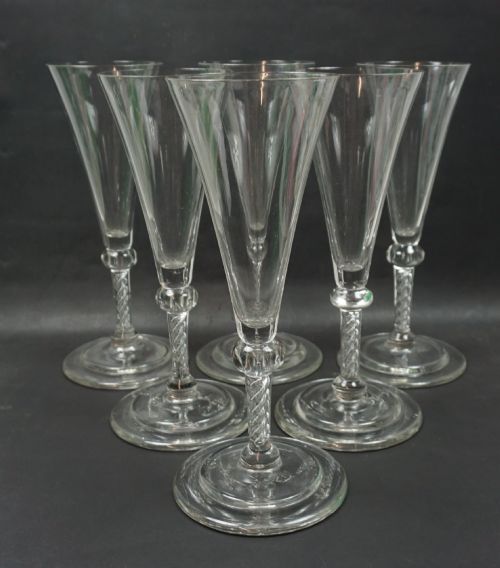
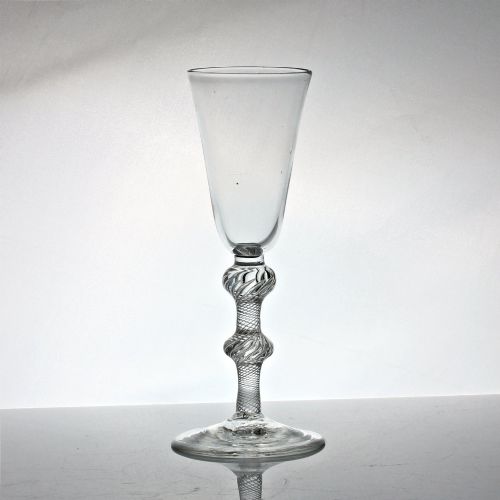
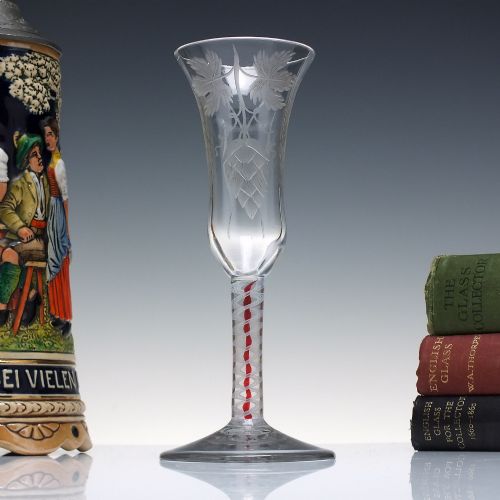
You are most likely to meet drinking glasses featuring air twist or opaque twist stems alongside flute-moulded ogee bowls. The selection also contains larger table services and serving pieces produced across the Georgian and Regency periods.
How they were made
These objects rely primarily on lead glass and flint glass, blown into metal or wooden moulds to create the characteristic fluted vertical panels. Craftsmen then manipulated the hot metal by hand, drawing stems and applying folded feet.
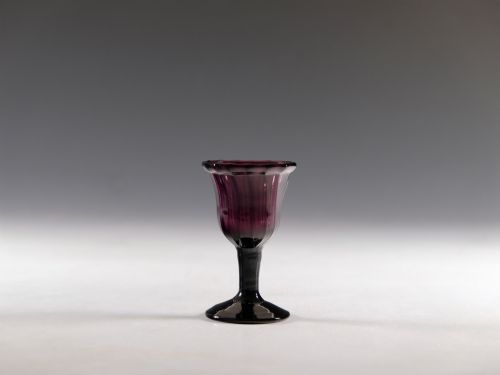
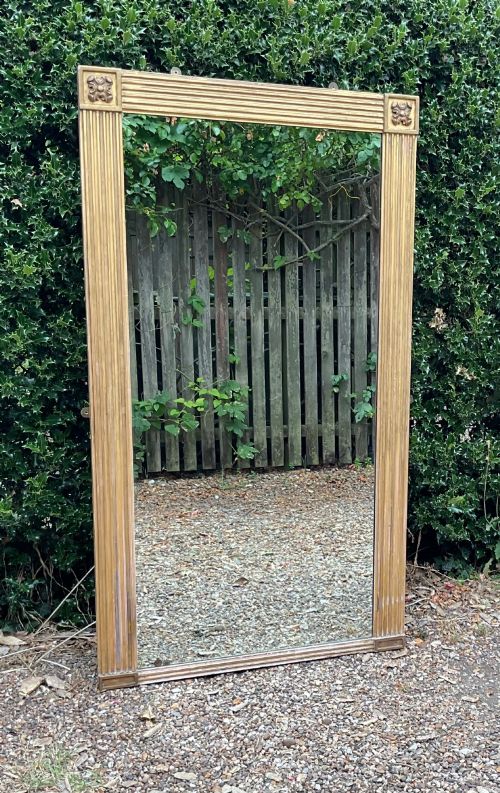
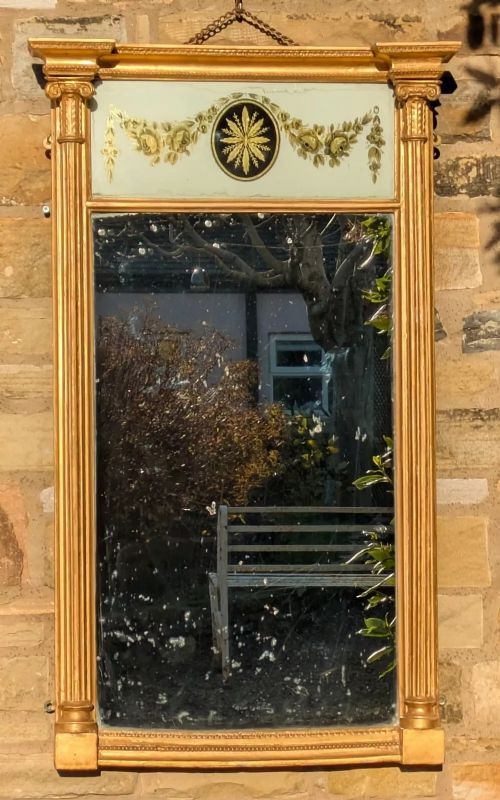
Decoration often involved wheel engraving or facet cutting, while some vessels integrated coloured glass bodies such as turquoise green or blue rims. Pier mirrors in the wider selection utilise giltwood, gesso and verre eglomise panels.
Listings feature lead glass, clear glass and flint glass alongside decorative giltwood mirrors from the Georgian and Regency eras.
What varies in quality
Quality rests upon the crispness of the optical moulding and the purity of the metal. Sharp, deep flutes and a bright, resonant ring distinguish superior table glass from softer, worn examples.
Proportion and balance dictate value in drinking vessels, where slender stems must support heavier bowls without distortion. Hand-finished engraving adds significant merit compared to plain, mass-produced surfaces.
The Georgian Fluted Glass Glossary
- Flute-moulded
- A technique where vertical concave channels are impressed into the lower portion of a glass bowl.
- Lead glass
- A heavy, brilliant glass containing lead oxide that permits deep cutting and clear optical effects.
- Opaque twist
- A stem formation enclosing white or coloured enamel threads drawn into spiral patterns.
- Rummer
- A capacious drinking glass popular from the late eighteenth century onwards, often resting on a short stem.
- Wrythen
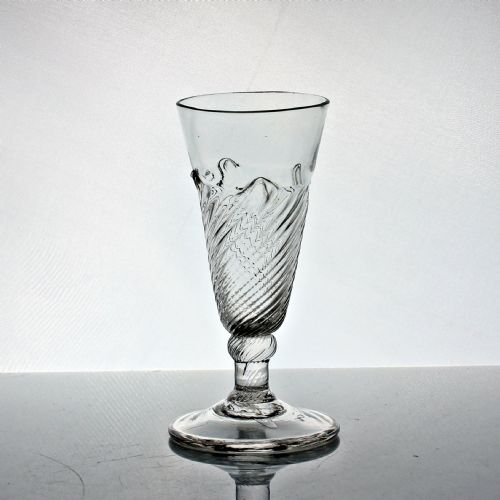
- A decorative spiral pattern formed by twisting the glass while it is semi-molten.
Georgian Fluted Glass: Frequently Asked Questions
Were these glasses used daily?
Many drinking vessels and jugs served active roles in eighteenth-century households for ale, wine and cream.
Heavier rummers and decanters saw frequent service at dining tables and taverns.
What is an air twist stem?
An air twist contains elongated bubbles trapped within the molten glass stem and drawn into a spiral.
This technique required considerable skill from the glassblower during the mid eighteenth century.
How can I date early glass?
Examine the pontil mark on the base, the weight of the metal and the forming style of the bowl.
Pontil scars that are rough or neatly ground often indicate eighteenth-century manufacture.