




Georgian Lead Glass Vessel
A georgian lead glass vessel is a drinking glass, decanter, or bowl shaped by hand during the eighteenth and early nineteenth centuries.
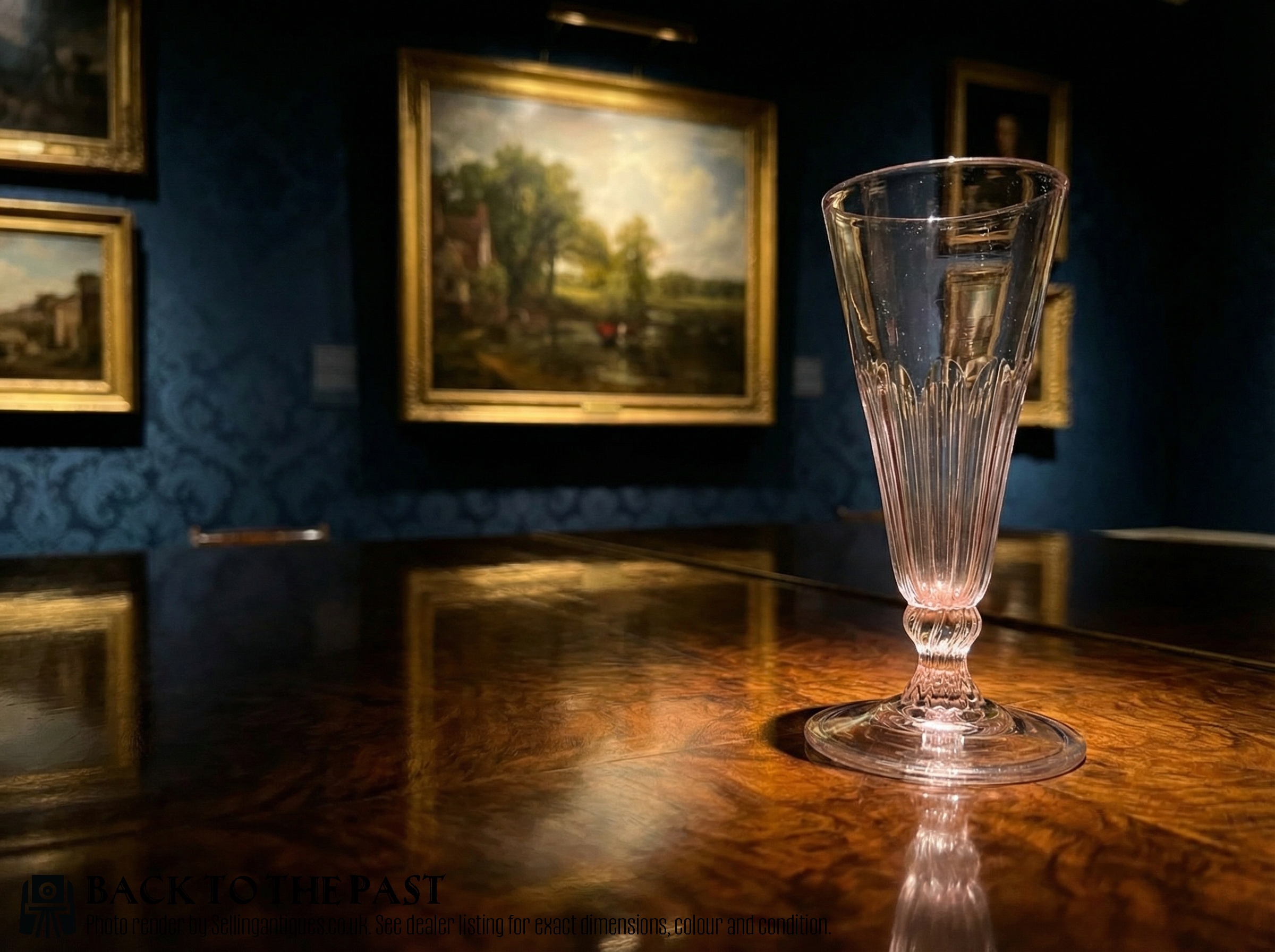
Georgian Lead Glass Vessel
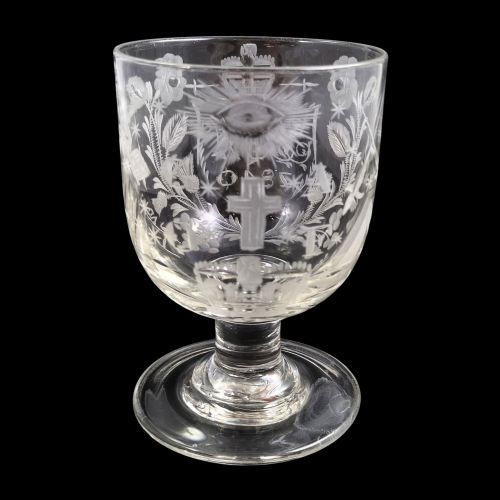
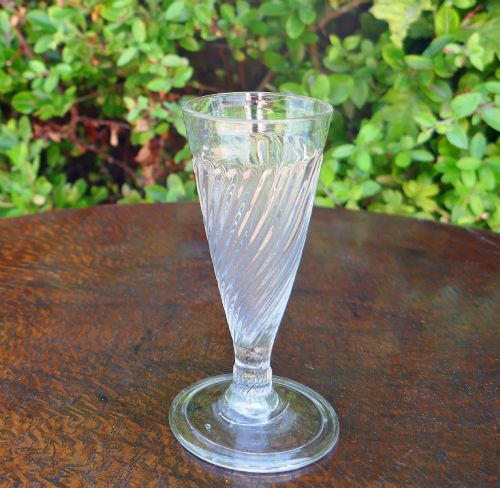
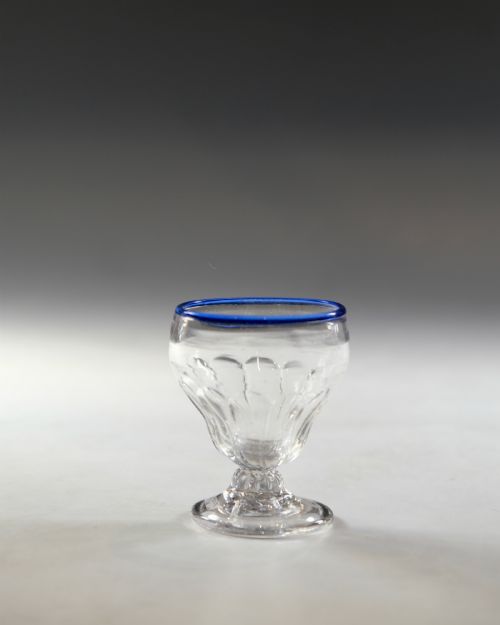
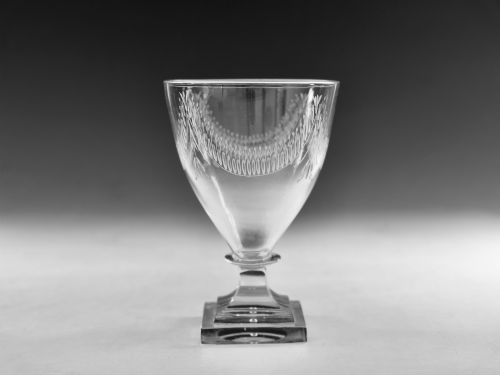
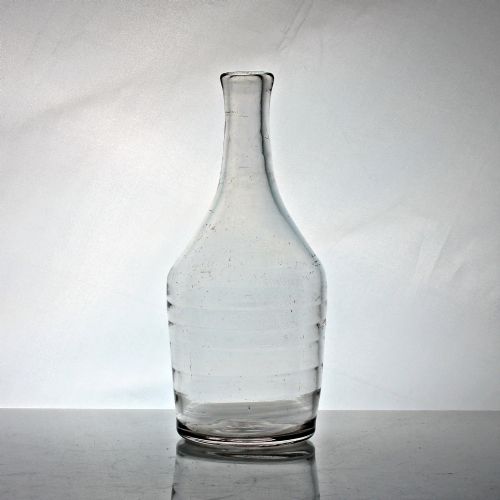
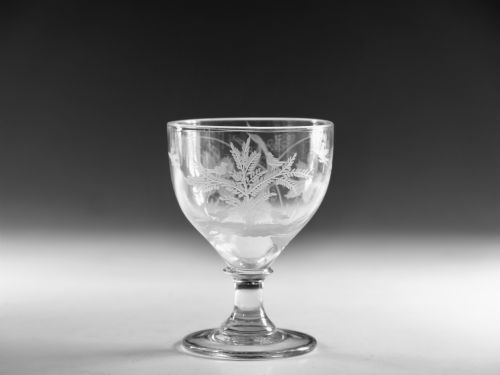
When you examine a georgian lead glass vessel, you encounter items made across the eighteenth century and the regency period. The selection includes wine glasses, rummers, decanters, ale glasses, and jelly glasses.
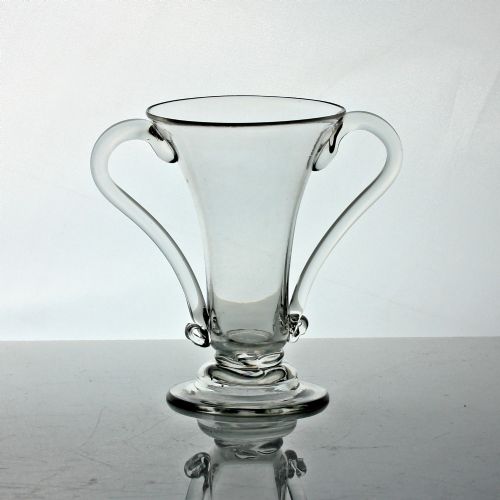
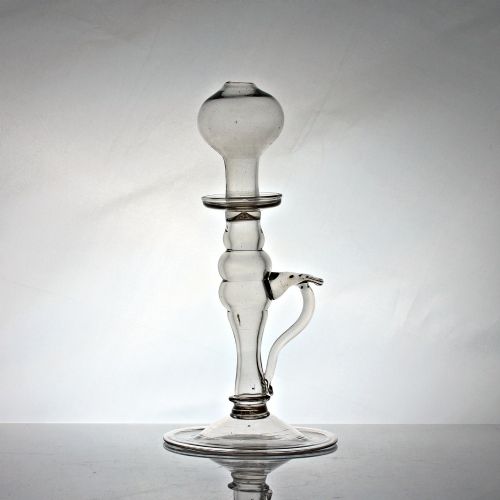
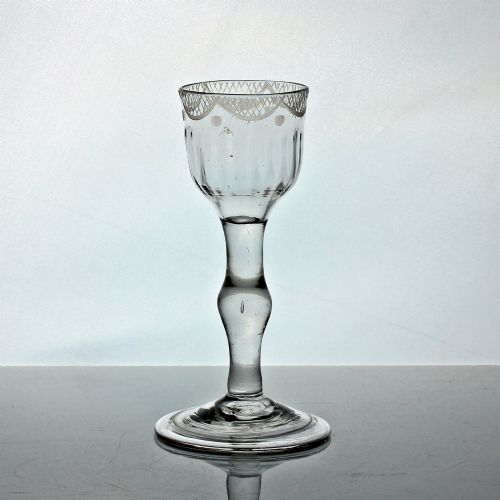
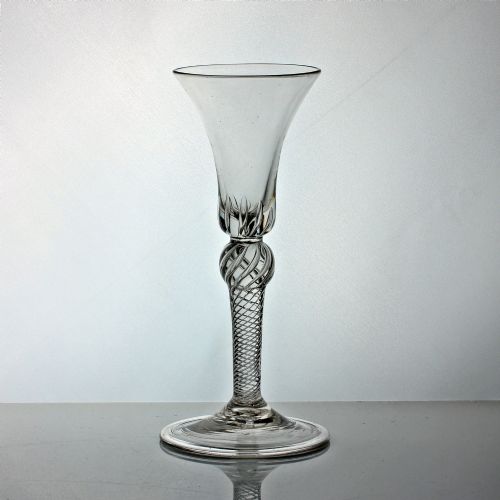
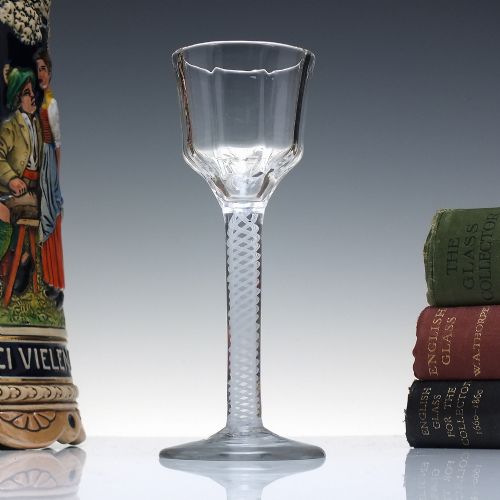
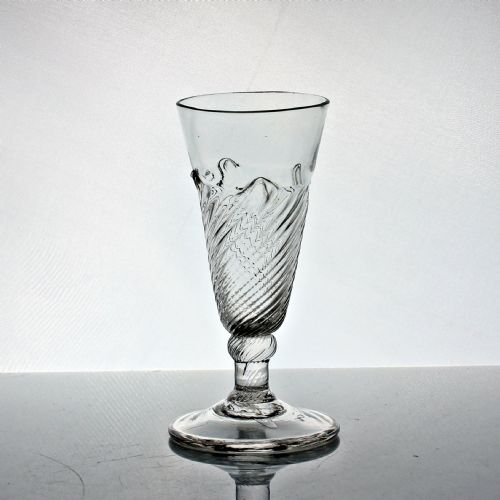
Wine glasses dominate the forms, appearing with baluster, air twist, opaque twist, and plain stems alongside bowls shaped like bells, ogees, and cups. Larger vessels such as celery vases, tea mixing bowls, and oil lamps also emerge within the period.
Materials and methods
Maker operations utilised lead glass, lead crystal, clear glass, and flint glass to form these items. Enamel and enamel glass also appear on select pieces.
Hot metal was blown, moulded, and shaped by hand, incorporating folded feet, applied handles, and ribbing. Cutting, engraving, and twisting techniques created stems and surface decoration.
Standards of execution
Quality rests in the clarity of the metal, the balance of the proportions, and the crispness of the cutting or twist formation. Heavier baluster stems and complex air or opaque twists demonstrate greater technical skill.
Asprey & Co.
The Georgian Lead Glass Vessel Glossary
- Air twist
- A stem formation containing internal threads of trapped air drawn into spirals during manufacture. This technique produces delicate optical patterns within transparent glass.
- Opaque twist
- A stem created by enclosing white or coloured enamel rods within the clear glass and twisting them into single or double series strands.
- Baluster
- A heavy, thick stem shape derived from architectural pillars, featuring knops and swelling profiles characteristic of early eighteenth-century vessels.
- Rummer
- A large, sturdy drinking glass introduced in the late eighteenth century for ale, beer, or wine, often featuring a bucket bowl and a short stem.
- Folded foot
- A base edge turned underneath while hot to create a thickened rim that adds weight and prevents chipping during daily use.
Georgian Lead Glass Vessel: Frequently Asked Questions
What is a georgian lead glass vessel?
These items are glassware pieces produced in Britain during the eighteenth and early nineteenth centuries, comprising drinking glasses, decanters, bowls, and lamps.
They rely on lead-rich glass formulas that allow for deep cutting, brilliant clarity, and intricate stem formations.
How do I identify a twist stem?
Twist stems contain internal threads of air or white enamel enclosed within the clear glass column, running in single or double spirals.
Craftsmen manipulated these threads while the metal was hot before drawing and shaping the stem to the desired length.
What were rummers used for?
Rummers served as robust drinking vessels for ale, porter, or wine during hearty meals and social gatherings in the late eighteenth and early nineteenth centuries.
Their capacity and thick walls made them practical for everyday use compared to delicate wine glasses.
How do I care for antique glass?
Wash pieces by hand in warm water using mild soap, avoiding sudden temperature changes that can stress old metal.
Dry them immediately with a soft cloth to maintain clarity and prevent water spots from forming on the surface.