


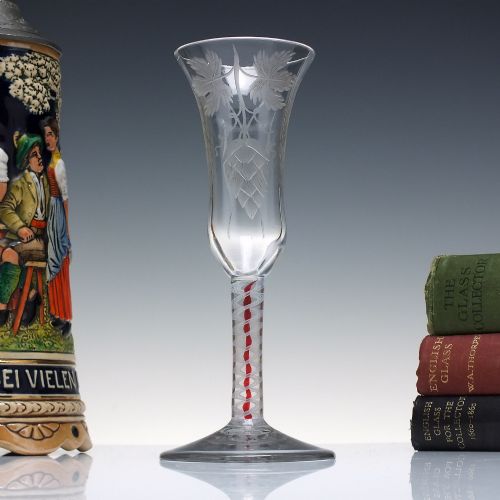


English Ale Glass
An English ale glass carries the golden warmth of past taverns and dining rooms, offering a tactile connection to historical drinking traditions through fine stemware.
English Ale Glass
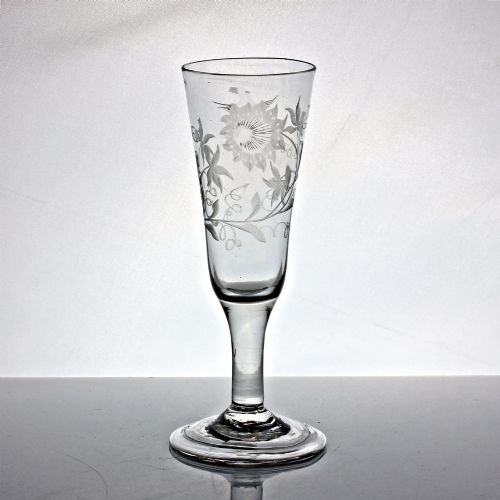
An English ale glass is a historic drinking vessel designed specifically for malt beverages, typically featuring a tall, slender bowl suited to preserve effervescence. These pieces emerge predominantly from the eighteenth century, spanning periods from Georgian through Regency and occasionally into later twentieth century revivals.
How they were made
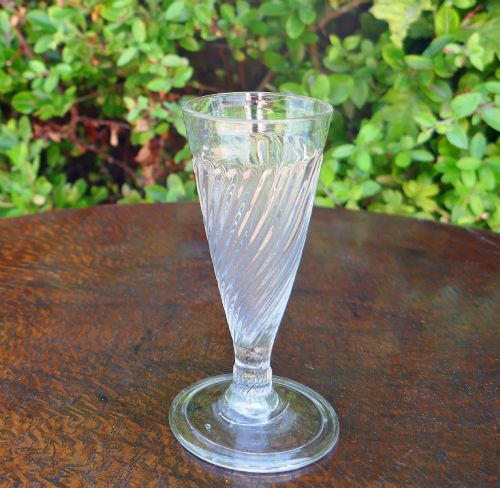
Glassmakers utilised lead crystal, flint glass, and heavy lead glass to achieve the characteristic resonance and clarity of these drinking vessels. Skilled hands shaped the molten material through hand-blowing techniques, incorporating folded feet for stability and wrythen optic moulding for texture.
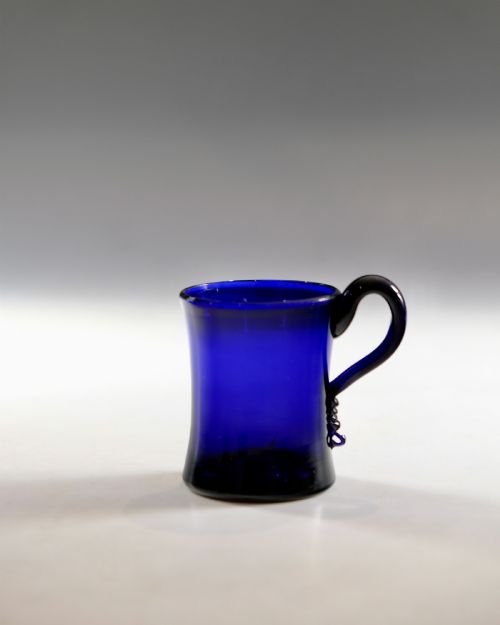
Decoration required steady precision, with artisans employing wheel engraving to etch detailed botanical motifs such as barley and hops into the bowl surface. Coloured variants utilised cobalt glass or enamel additives during the melting process to create striking hues like deep blues and rich reds.
Early tavern drinkers enjoyed ales through twisted glass stems designed to catch the candlelight while gossip flowed.
What varies in quality
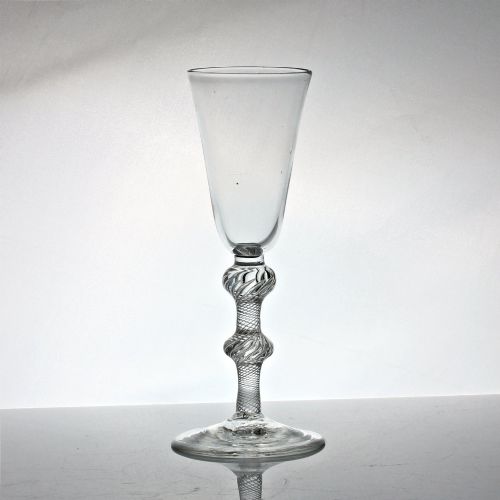
The sophistication of the internal stem structure dictates much of the visual appeal, separating simple drawn forms from complex multi-spiral air twists and double series opaque twists. Clarity of the metal itself and the crispness of wheel engraving reveal the maker's mastery over the molten material.
Proportion and balance define the superior examples, where the height of the stem complements the capacity of the bucket or funnel bowl. Integrity of the foot, especially preserved folded rims, adds significant weight to the standing of an individual vessel.
The English Ale Glass Glossary
- Air twist
- A decorative stem formation enclosing elongated internal spirals of trapped air created during the drawing process. This technique gives the transparent glass a shimmering internal texture.
- Opaque twist
- A stem design incorporating white or coloured enamel glass threads drawn into intricate lace patterns within the clear metal. Such work requires immense skill from the glasshouse artisan.
- Wrythen
- A spiral pattern moulded into the body of the glass while hot, imparting a gentle optical twist to the vessel wall. It offers both visual movement and a secure grip.
- Folded foot
- A base edge turned underneath during formation to create a smooth, thickened rim that resists chipping. This feature appears frequently on earlier eighteenth-century examples.
- Rummer
- A large, heavy-bottomed drinking glass designed for heavier ales or spirits, often generously engraved. These substantial pieces provide a distinct contrast to slender tall ale stems.
English Ale Glass: Frequently Asked Questions
How do I identify a genuine eighteenth century ale glass?
Examine the weight, surface wear, and formation of the foot to gauge authenticity. Pontil marks on the base often indicate traditional hand-blown manufacturing methods.
Look closely at the metal composition and stem style, comparing them against documented examples from the Georgian period. Subtle irregularities in the glass confirm hand craftsmanship rather than modern machine production.
What is the difference between air twist and opaque twist stems?
Air twists contain internal threads of trapped air that catch the light through clear glass. They rely purely on manipulation of the molten metal during the pulling process.
Opaque twists incorporate separate rods of white or coloured enamel glass fused inside the stem. This technique creates solid, opaque white threads running through the clear stem body.
Were these glasses used for beer or wine?
Their tall, narrow bowl forms were specifically tailored to serve ale, helping to maintain carbonation and showcase the clarity of the brew. Engravings of hops and barley further confirm their primary tavern and dining role.
While some larger rummers accommodated heavier ales or punches, the classic stemware formats served hopped malt beverages. Historical dining customs assigned distinct glassware shapes to specific drinks.