




Georgian English Dining Chair
A georgian english dining chair brings structural honesty and refined proportions to any room, combining robust joinery with understated period elegance.
Georgian English Dining Chair
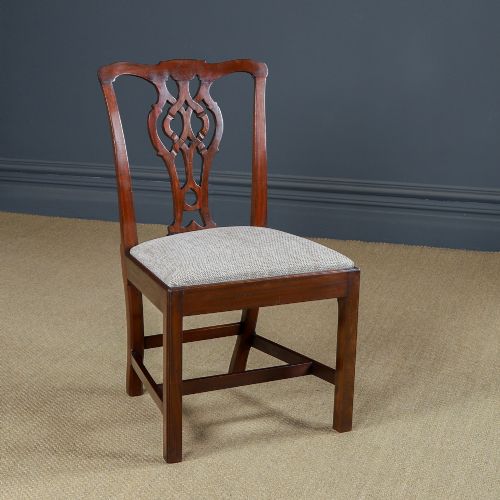
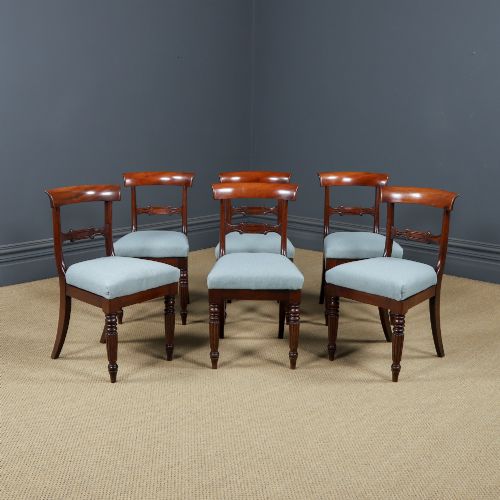
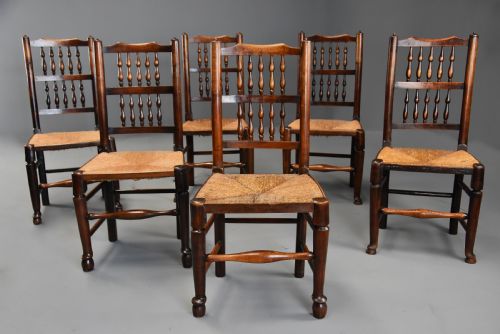
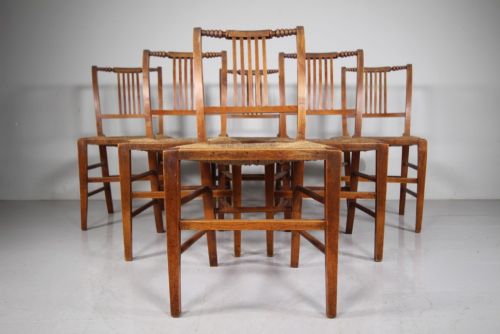
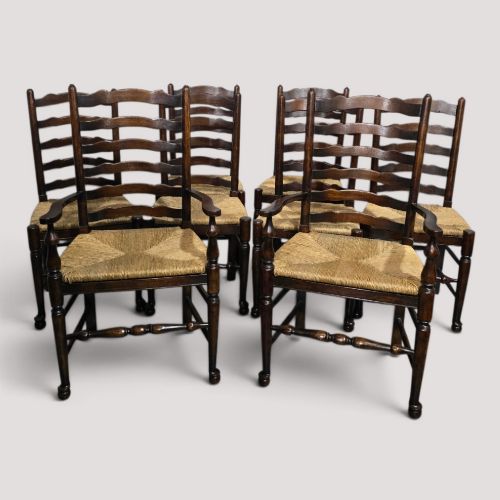
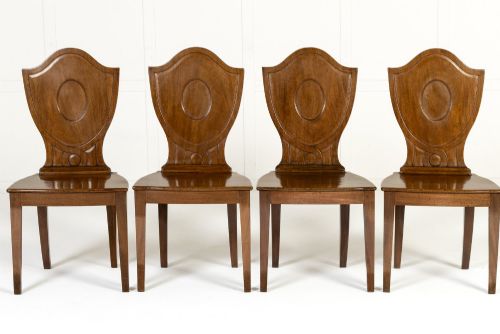
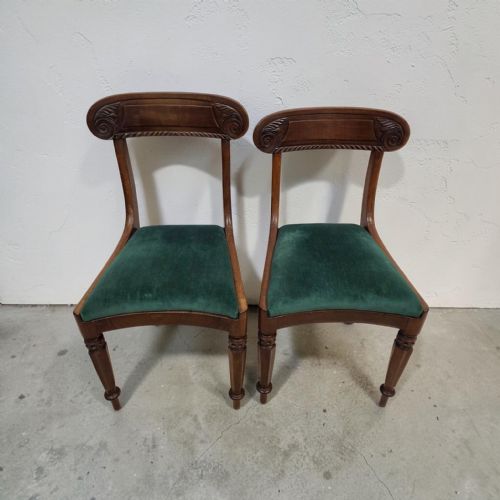
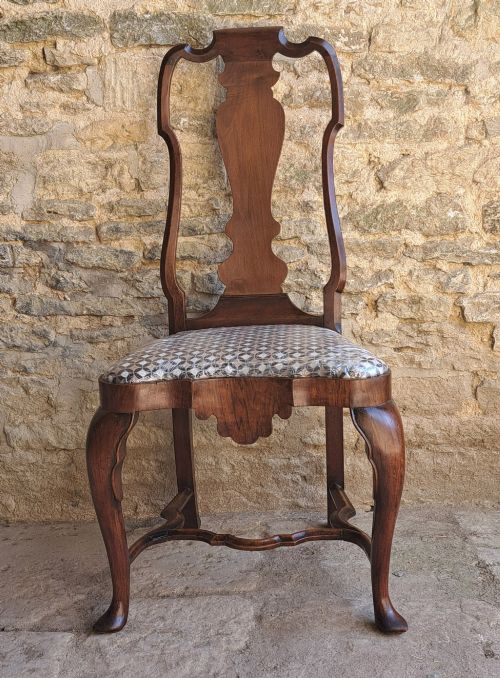
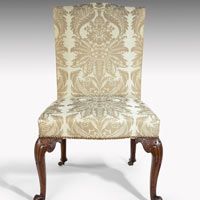
A georgian english dining chair encompasses formal mahogany seating from urban workshops alongside robust country vernacular pieces shaped from elm, ash, and oak. Surviving examples range from single side chairs to extensive matched sets intended for formal dining rooms and country houses alike.
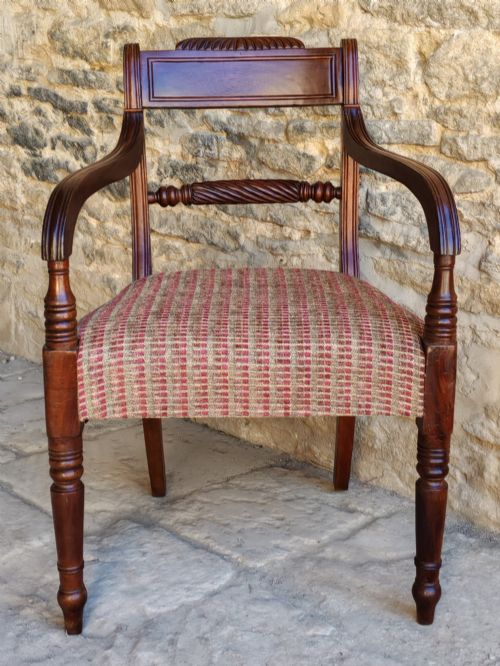
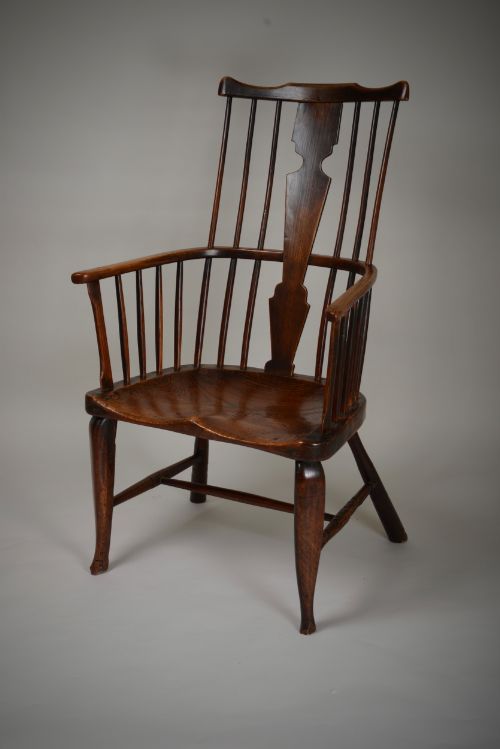
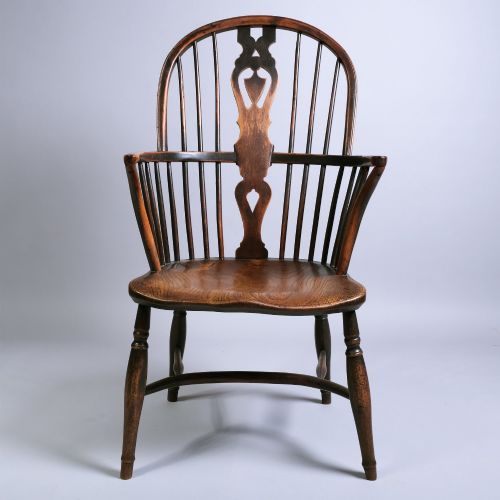
Buyers encounter sophisticated mahogany designs featuring carved splats and scroll arms alongside regional windsor armchairs with crinoline stretchers. Formal dining sets and individual library carvers appear frequently across these listings, spanning the eighteenth and nineteenth centuries.
How They Were Made
Cabinet makers utilised dense hardwoods such as mahogany and walnut for formal city chairs, employing mortise and tenon joinery alongside intricate pierced splats. Turning lathes shaped spindles and legs for regional Windsor and ladder back chairs.
Country makers combined flexible ash and elm for steam-bent hoops and solid saddle seats, securing rush or drop-in upholstered pads. Selected timbers received hand-carved decorative motifs including rope twists, scrolls, and Gothic tracery.
Many country windsor chairs retain ancient peg repairs where generations of owners kept the back secure.
What Varies in Quality
The selection of timber grain and the crispness of carved details distinguish high-status seating from utility pieces. Timbers chosen for prominent urban chairs display rich natural figures and deep patination earned through centuries of use.
Structural integrity relies upon tight original joints and the retention of uncompromised component parts. Matched sets command attention through consistent coloration and uniform proportions across every chair.
Thomas Chippendale·Gillows
The Georgian English Dining Chair Glossary
- Carver
- An armchair, often designed with open elbows to accommodate dining or desk use. These pieces typically match a set of smaller side chairs.
- Splat
- The vertical wooden strip down the centre of a chair back. Elaborate piercing and carving identify period styles within these forms.
- Windsor
- A traditional chair constructed with a solid wooden seat into which the legs and back spindles are wedged directly. Regional variations include hoop backs and comb backs.
- Stretcher
- A horizontal wooden brace connecting the legs of a chair to provide structural rigidity. Crinoline stretchers curve outward in a hoop shape.
- Bar back
- A horizontal curved top rail spanning the uprights of a chair back. This form appears frequently on Regency dining and hall seating.
Georgian English Dining Chair: Frequently Asked Questions
How do I care for antique wood seats?
Maintain consistent indoor humidity levels to prevent timber from drying out or splitting over time. Apply microcrystalline wax sparingly to nourish the polished surface without attracting dust.
Avoid placing antique seating near direct heat sources or in strong sunlight. Routine dusting with a soft dry cloth protects the historic patina.
Can I mix these chairs with modern tables?
Period seating introduces contrasting texture and warmth when paired with contemporary dining tables. The neutral timber tones blend naturally with various interior design schemes.
Ensure seat heights provide adequate clearance beneath modern table aprons for comfortable dining. Single carvers also function effectively as standalone desk or hallway chairs.
What defines a country vernacular chair?
Country vernacular pieces utilise locally available regional timbers such as elm, ash, fruitwood, and yew rather than imported mahogany. Construction prioritises utility and robust comfort over formal urban ornamentation.
These chairs frequently feature spindle backs, rush seats, and turned wooden components. Makers adapted traditional regional patterns to suit farmhouse and provincial interiors.