


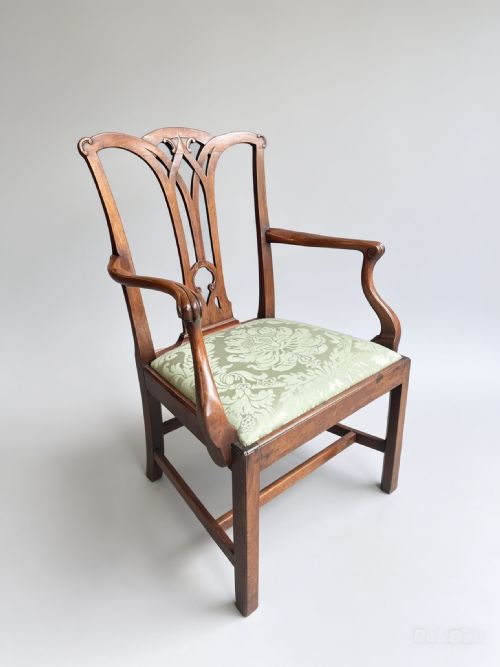
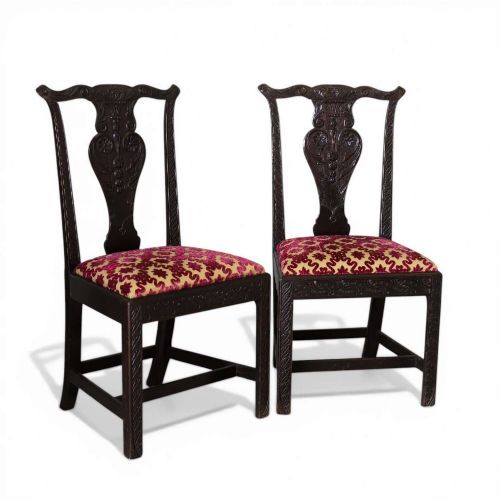

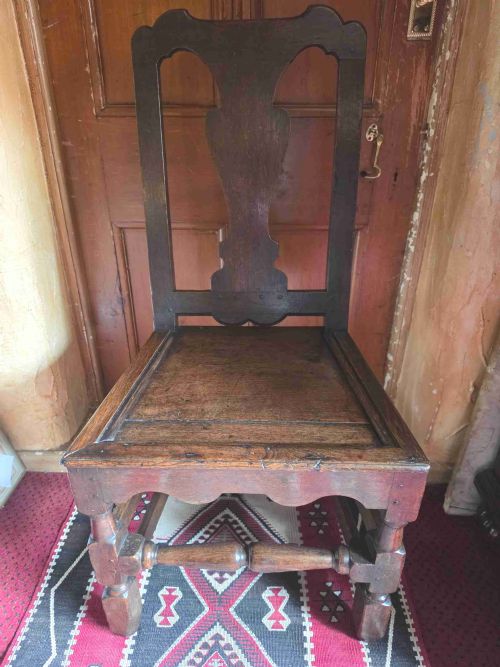


Georgian Oak Desk Chair
A georgian oak desk chair brings solid craftsmanship and rich timber grain to a study, built to endure generations of daily use.
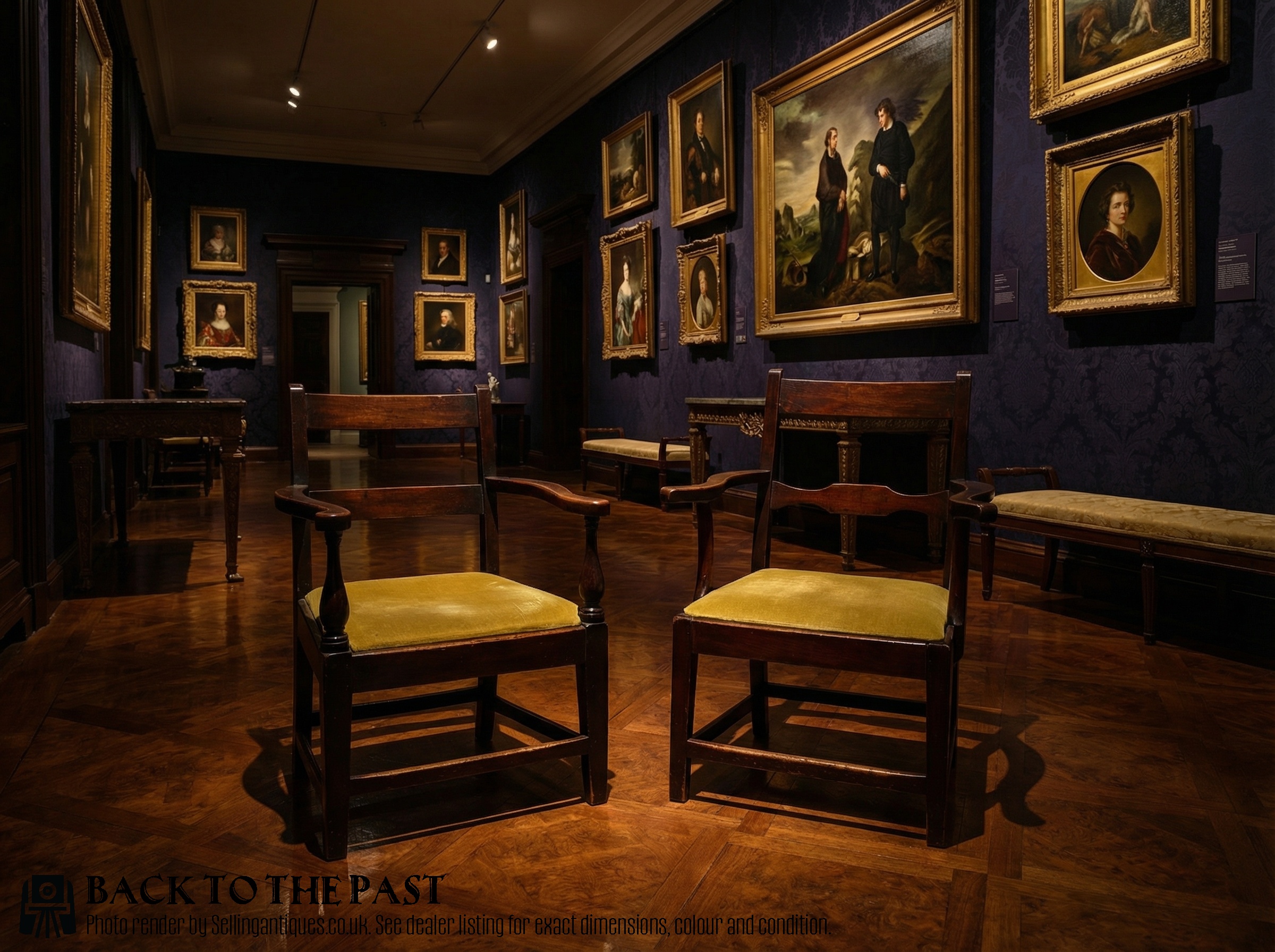
Georgian Oak Desk Chair
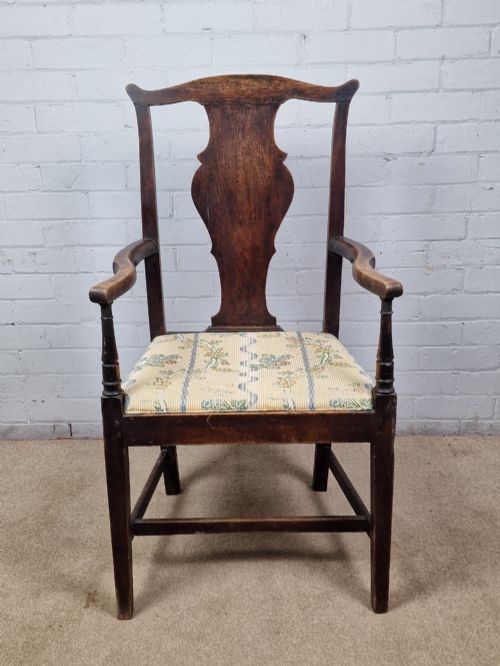
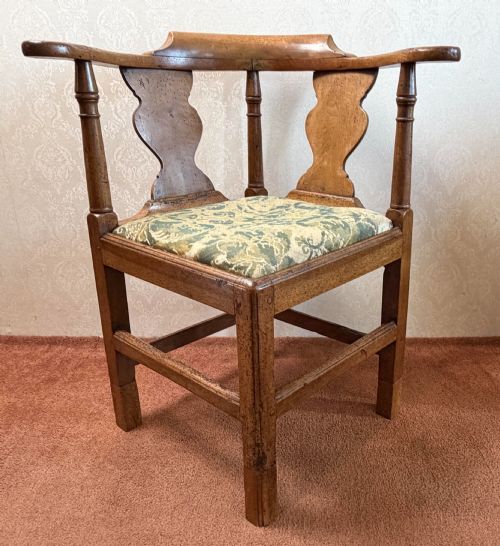
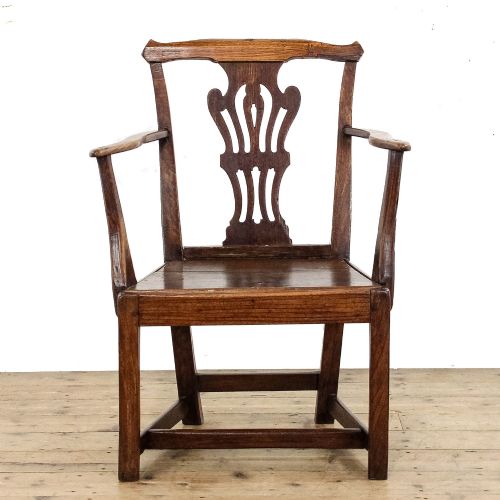
When searching for a georgian oak desk chair, buyers encounter robust seating designed for writing and administration during the eighteenth and early nineteenth centuries. These pieces appear in forms ranging from straightforward side chairs and elbow chairs to curved corner chairs suited for writing tables.
The regional variety is wide, spanning English country workshops, Welsh vernacular pieces, and northern regional styles. Many examples combine sturdy oak frames with secondary timbers like elm, ash, and fruitwood, reflecting local availability in rural cabinet-making traditions.
Materials and construction methods
Makers built these seats using heavy native hardwoods, relying on oak for structural frames while incorporating elm, ash, or beech for spindles, bentwood hoops, and rush or wooden seats. Pegged tenon joints and turned components held the weight of the sitter without relying on metal fixings.
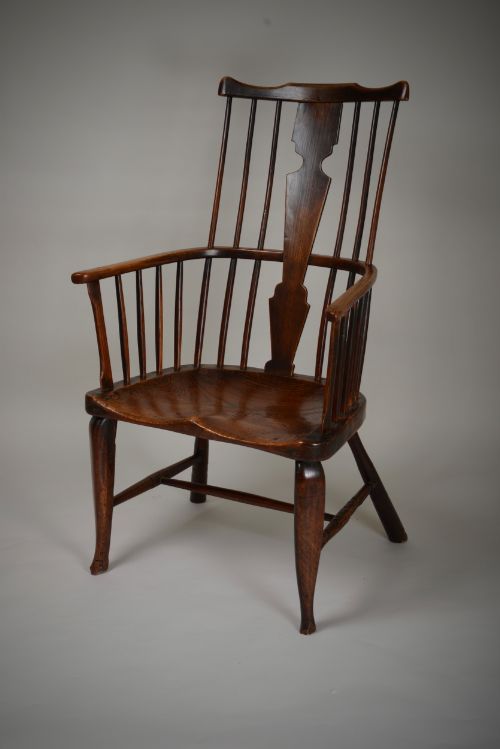
Country joiners shaped comb-backs, stick-backs, and fiddle-backs through steam bending and manual lathe turning. Surface finishes developed organically from wax, oil, and centuries of handling, preserving the natural figuring of the timber.
Listings feature periods spanning the seventeenth century through the Victorian era, utilising oak, elm, ash, and yew.
Differentiating quality in regional seating
Quality rests in the integrity of the timber selection and the retention of original structural components rather than applied ornament. Chairs retaining their original pegged joints, unclipped seat edges, and matching secondary woods demonstrate superior preservation.
Proportion and comfort distinguish standard utility seating from finer examples made for country houses or libraries. The balance of the arms, the curve of the spindle back, and the harmony between the oak frame and the seat dictate desirability among collectors.
The Georgian Oak Desk Chair Glossary
- Comb back
- A Windsor chair variation where the vertical spindles extend through a high headpiece resembling a traditional hair comb.
- Corner chair
- A seat designed to fit into a room angle, featuring a diagonal plan with a semicircular back rail supported on turned columns.
- Vernacular
- Objects made by local regional artisans following traditional local patterns rather than metropolitan academic designs.
- Fruitwood
- A generic term used by cabinet makers for dense timber sourced from fruit-bearing trees such as pear, apple, or cherry.
- Rush seat
- A traditional seating surface woven from dried marsh reeds tightly wrapped around the internal chair rails.
Georgian Oak Desk Chair: Frequently Asked Questions
How do I identify a genuine period chair?
Examine the construction methods beneath the seat and around the joints for hand-cut pegs, tool marks, and appropriate timber shrinkage. Genuine examples show consistent wear patterns and age-related patination across all structural components.
Compare the timber species used in the primary frame with the secondary woods underneath. Traditional regional pieces display consistent regional building traits rather than factory-standard uniformity.
Were these seats originally used at desks?
Many sturdy elbow chairs and corner chairs served administrative duties in studies, libraries, and counting houses during the Georgian era. Their proportions accommodate writing tasks, often featuring wider arms or corner designs to fit kneeholes.
Surviving archive records demonstrate that side and elbow chairs were frequently adapted for study use alongside dedicated writing tables.
How should I care for an oak chair?
Maintain the timber by applying traditional beeswax sparingly and buffing with a soft cloth to preserve the historical surface finish. Avoid placing the piece near direct heat sources or in fluctuating humidity to prevent timber splitting.
Protect rush or upholstered inserts by keeping them clean and ensuring the structural joints remain tight under normal daily weight.
What is the difference between country and formal styles?
Country versions rely on local vernacular traditions, utilising turned spindles, solid plank seats, and mixed native timbers like elm and ash. Formal urban pieces follow recognised stylistic movements such as Chippendale or Hepplewhite with carved details.
Regional country seating prioritizes structural durability and local material availability over fashionable urban ornamentation.