






Georgian Embroidered Wall Art
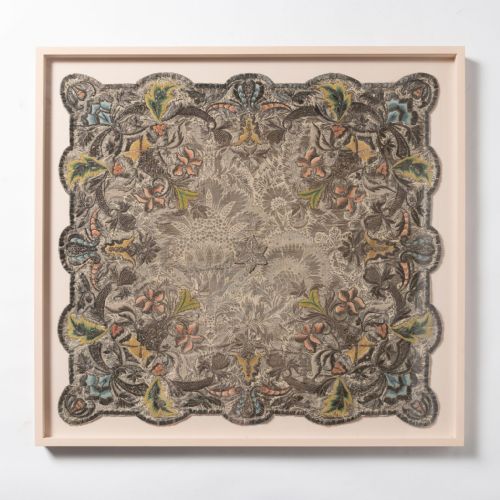
Georgian embroidered wall art brings historic needlework into modern rooms, offering intimate scenes, alphabets, and maps stitched in silk and wool.
Georgian Embroidered Wall Art
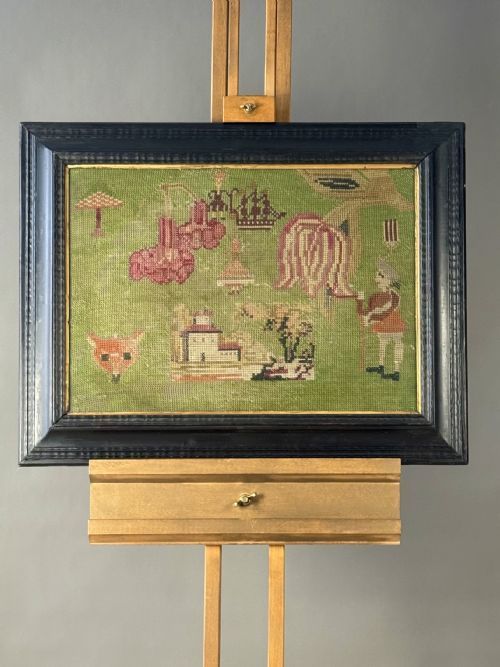
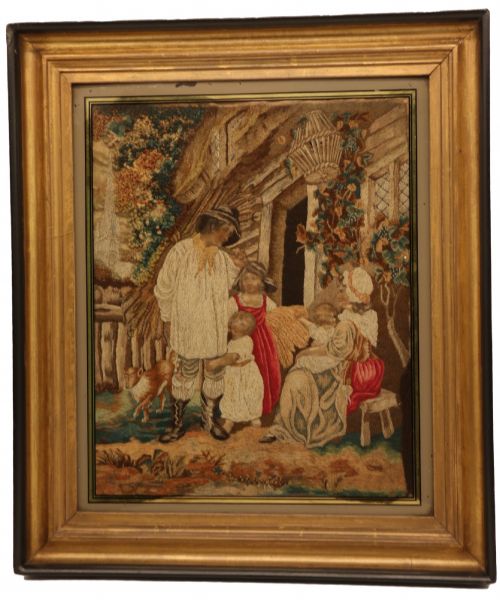
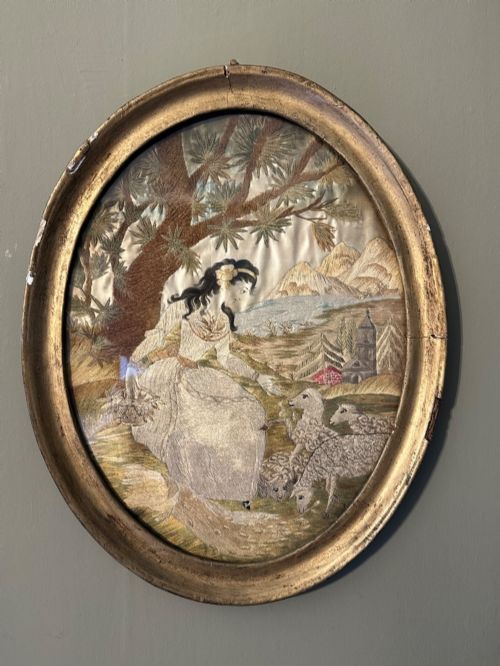
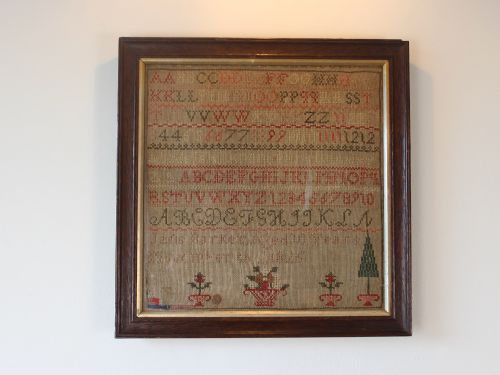
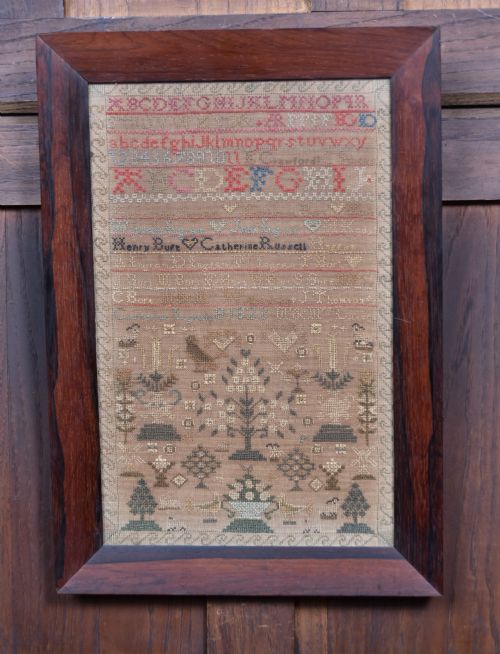
When you search for georgian embroidered wall art, you encounter needlework samplers, pictorial silk panels, and map embroideries originating from the eighteenth and nineteenth centuries. These pieces encompass pastoral farming scenes, alphabet exercises, and narrative subjects like the story of Jack and the Beanstalk.
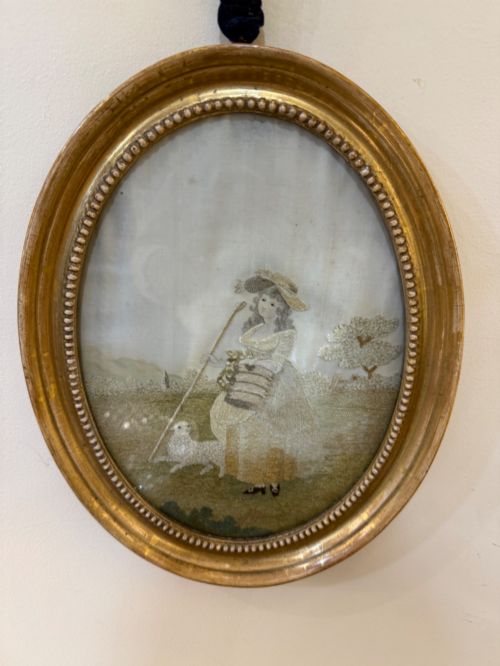
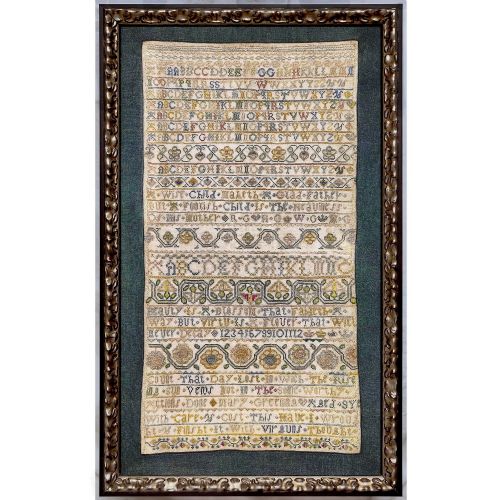
You meet framed textile art primarily from the Georgian, Regency, and early nineteenth-century periods, often preserved behind glass in original wooden or giltwood frames. The format ranges from small oval woolwork pictures of girls in gardens to large band samplers worked by young scholars.
Makers of these textiles include named schoolgirls such as Mary Greening, Elizabeth Horn, and Mary Pinfold, who recorded their efforts on linen and silk grounds. Their works survive as framed wall art documenting domestic skill and educational attainment across English counties.
Materials and construction methods
The foundation grounds rely primarily on woven linen or silk fabric stretched over wooden panels or frames. Stitchers utilised fine threads of silk floss, wool, and crewel yarn to build up pictorial motifs and lettering.
Finishing techniques involve protective glazing, frequently set within giltwood, carved wood, or verre églomisé frames with decorated glass borders. These frames protect the delicate threadwork from atmospheric dust and handling.
Listings feature textile art spanning the eighteenth and nineteenth centuries, incorporating materials such as silk, wool, linen, and glass.
Determinants of quality
Visual distinction rests upon the fineness of the stitching and the complexity of the pictorial composition. Elaborate pastoral scenes or detailed map samplers demonstrate superior technical execution compared to standard alphabet exercises.
The survival of original framing, particularly specialised glass surrounds like verre églomisé or period gilt frames, elevates the integrity of the piece. Clean preservation of silk floss and wool colours without excessive fading marks the higher tier of these textiles.
The Georgian Embroidered Wall Art Glossary
- Sampler
- A piece of needlework demonstrating various stitches, alphabets, or motifs, often worked by young girls as an educational exercise. These objects frequently include dates and the maker's name.
- Verre Églomisé
- A process of cold painting and gilding on the reverse of glass, commonly used to create decorative borders on picture frames during the Regency period. This technique frames the textile with a reflective dark edge.
- Crewel Work
- Embroidery executed with heavy wool yarn on a plain linen twill fabric, producing textured floral and pastoral designs. This method creates a robust, tactile surface.
- Band Sampler
- An early form of sampler featuring horizontal strips of different geometric and floral patterns arranged vertically down the fabric. They represent some of the oldest surviving needlework formats.
- Silk Floss
- Untwisted or lightly twisted silk thread that provides a high gloss finish when used in pictorial embroidery. It catches the light differently than standard wool or cotton threads.
Georgian Embroidered Wall Art: Frequently Asked Questions
How do I date an antique sampler?
Many samplers include embroidered dates and the maker's age or name directly within the composition, providing a direct reference point.
When dates are absent, stylistic clues such as the form of the lettering, costume details, and framing materials help narrow down the period.
Were these embroideries always framed?
Most surviving needleworks from this era were framed shortly after completion to protect the delicate silk and wool threads from damage.
Original frames often feature period giltwood or specialised glass that corresponds to the manufacturing date of the textile.
How should I display textile art at home?
Hang these framed textiles away from direct sunlight to prevent the silk floss and wool threads from fading over time.
Maintain stable indoor humidity levels to protect both the wooden frames and the historic linen or silk backing fabrics.
What subjects appear on these pieces?
Common themes include educational alphabets, genealogical family trees, cartographic maps of England and Wales, and pastoral farming views.
Narrative scenes drawn from folklore and literature, such as scenes involving Jack and the Beanstalk, also appear among the pictorial panels.