






Georgian Embroidered Panel
A georgian embroidered panel brings centuries of meticulous needlework into a room, framed in wood or glass.
Georgian Embroidered Panel
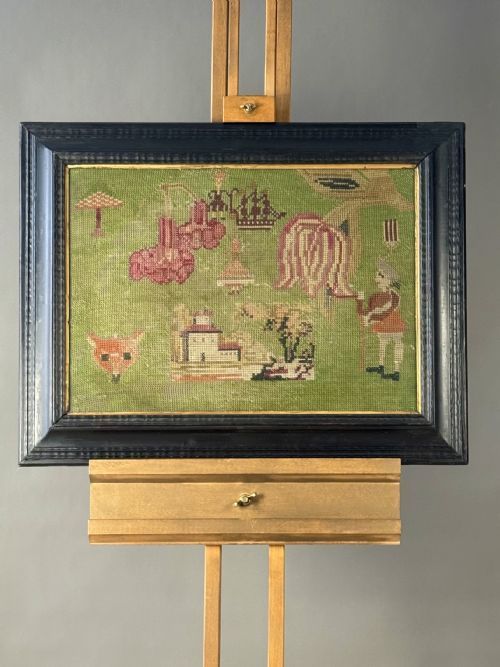
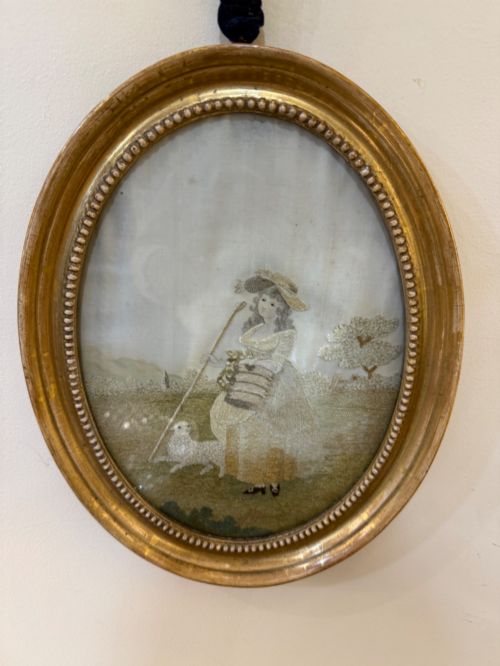
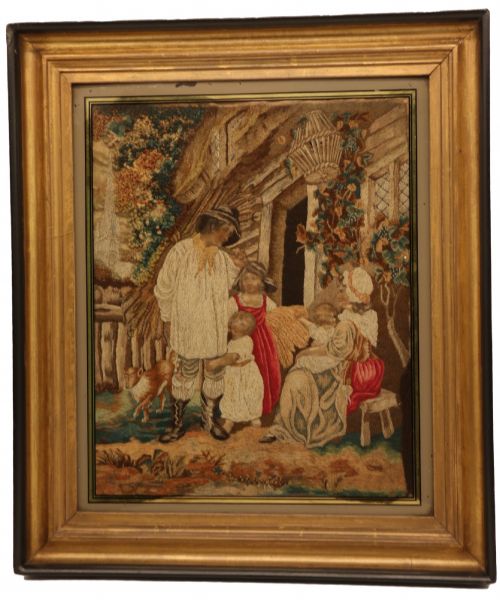
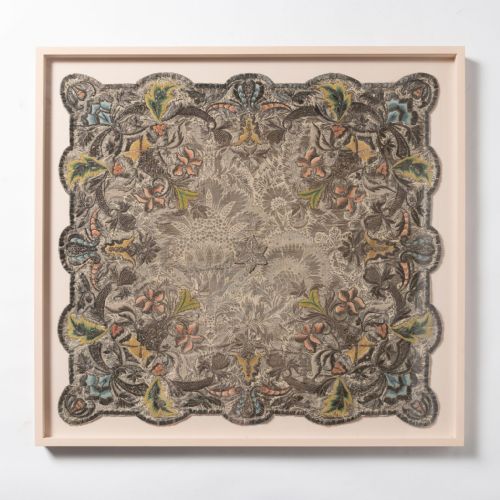
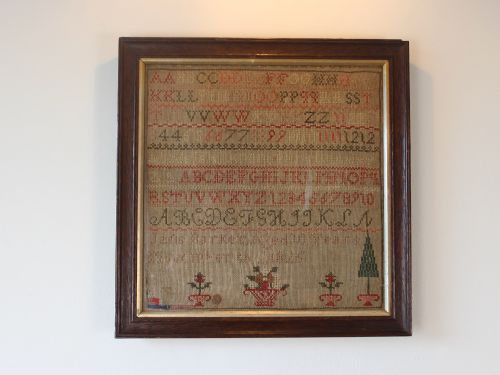
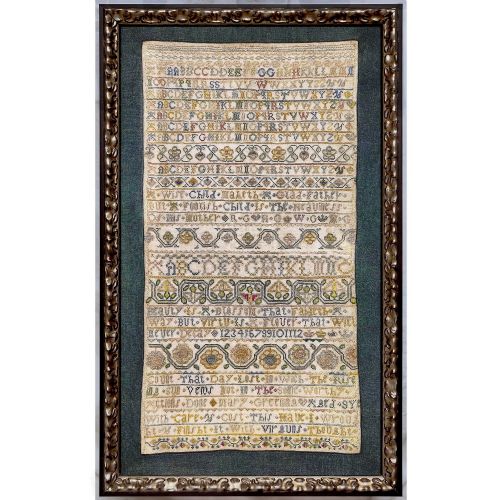
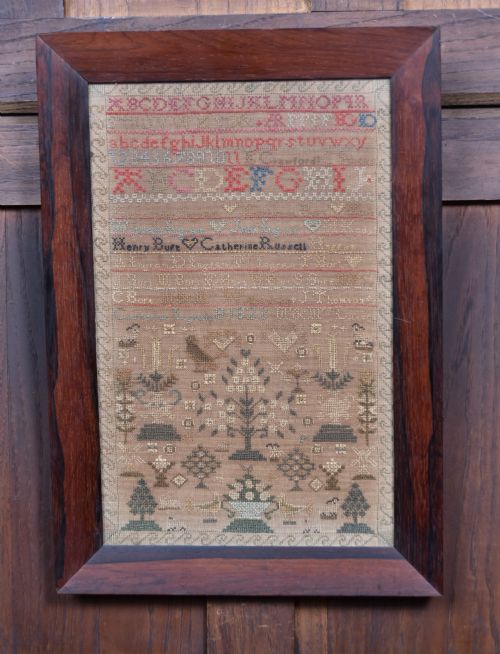
A georgian embroidered panel encompasses framed textile art, needlework samplers, and pictorial needlework created during the eighteenth and nineteenth centuries. These works frequently depict pastoral scenes, moral alphabets, or narrative stories rendered in fine thread.
The most common formats on this page include wall art and textile panels mounted within wooden or giltwood frames, alongside functional furnishings such as pole screens and room dividers. Many pieces record the names and ages of young makers, preserving domestic histories from the period.
How they were made
Artisans and young scholars worked with silk floss, wool, and crewel threads stitched onto linen grounds, sometimes combining embroidery with hand-painted silk sections. These textiles relied on natural dyes that aged to soft, muted tones over time.
Framed works utilised mahogany, rosewood, goncalo alves, and water-gilded or glass-fronted frames to protect the delicate fibres from dust and handling. Pole screens and room dividers incorporated these embroidered panels directly into structural woodwork made from mahogany or giltwood.
Several panels preserve the recorded ages of young makers, including twelve-year-old stitchers who left their names alongside stitched alphabets.
What varies in quality
The fineness of the stitchwork and the complexity of the pictorial composition determine the distinction between standard educational samplers and ambitious artistic pictures. Dense silk embroidery and well-executed facial expressions require a high degree of technical skill.
The survival of the textile colours and the integrity of the original frame heavily influence the visual impact of a piece. Examples retaining vibrant silk floss and period frames with original glass offer greater historical completeness.
The Georgian Embroidered Panel Glossary
- Sampler
- A piece of needlework produced as a demonstration or test of skill, often featuring alphabets, numbers, and decorative motifs. These exercises frequently record the name of the maker and the date of completion.
- Pole screen
- A standing fireside screen with an adjustable vertical panel designed to deflect heat from the face of the user. The panel itself typically holds an embroidered textile.
- Crewel work
- Embroidery executed with two-ply wool yarn on a heavy linen twill fabric. This technique produces heavily textured designs often found on furnishings and wall panels.
- Giltwood
- Wood that has been coated with a thin layer of gold leaf. This finish appears frequently on fine eighteenth and nineteenth century frames.
Georgian Embroidered Panel: Frequently Asked Questions
How were pole screens used?
A pole screen stood near a fireplace to shield the face of a person from the direct radiant heat of an open hearth. The adjustable panel slid up and down a central wooden shaft to suit the seated user.
Over time, these functional furnishings transitioned into decorative room accessories as heating methods evolved. The embroidered panels within them survived as preserved examples of period needlework.
What subjects appear on samplers?
Samplers frequently display alphabets, numerical sequences, and religious verses that demonstrated the literacy and needle skills of young makers. Floral borders and geometric patterns framed these educational exercises.
Narrative scenes and moral stories also appear, providing glimpses into contemporary schooling and domestic life. Many panels include the maker's name, age, and a specific date.
How do I care for antique textiles?
Antique textiles require protection from direct sunlight to prevent the fading of silk and wool threads. Keeping pieces behind glass helps shield the delicate fibres from airborne dust and moisture.
Displaying panels away from damp walls and heat sources ensures the continued stability of the linen and fabric grounds. Gentle environmental conditions preserve the original dyes and stitching.
How do I distinguish eighteenth-century pieces?
Eighteenth-century panels often display specific material choices such as silk floss, wool, and hand-painted silk elements set within octagonal or oval giltwood frames. The subject matter frequently reflects pastoral farming scenes or Stuart motifs.
Later nineteenth-century examples tend to incorporate stricter alphabets, Berlin wool work, or distinct Victorian framing styles. Comparing the stitching technique and frame construction helps clarify the period of origin.