




Framed Ecclesiastical Wall Art
These framed ecclesiastical wall art pieces bring sacred history into domestic rooms through centuries of devotional craft.
Framed Ecclesiastical Wall Art
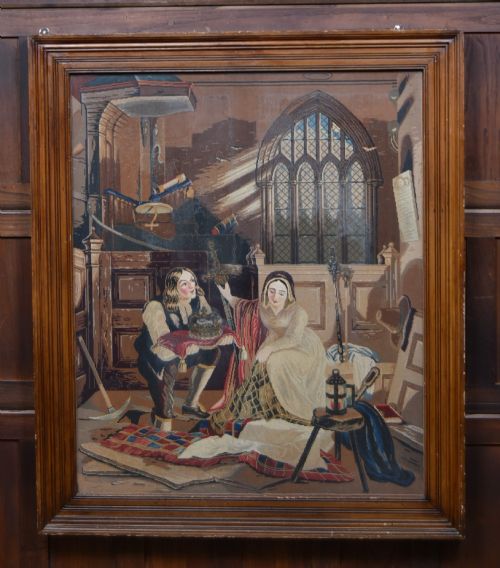
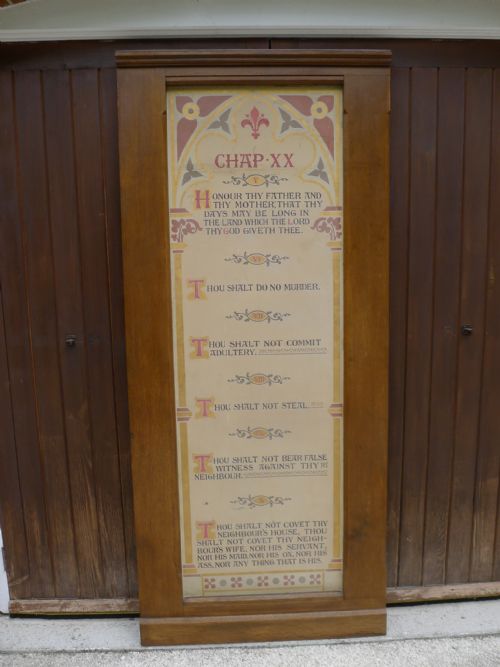
When you search for framed ecclesiastical wall art, you encounter devotional objects and architectural fragments pulled from sacred spaces and mounted for display. These pieces range from medieval-style tapestries and framed saints to lithographs of church interiors and illuminated religious texts.
You are most likely to meet 19th-century examples on this page, reflecting periods like Victorian Gothic Revival and Religious Folk Art. Materials span wood, glass, paint, oak, paper, gold leaf, graphite, and wool, forming wall panels, mirrors, and shadowboxes.
How they were made
Maker techniques rely heavily on traditional woodworking and framing, using carved pine, solid oak, and gold leaf to accent sacred subjects. Textiles and paper prints utilise wool, graphite, and paint, often housed behind protective glass within robust wooden frames.
Architectural salvage items repurpose church tracery and wall panels, while folk and colonial pieces employ simpler hand-worked methods. The construction prioritises durability and visual reverence for chapel, church, and domestic devotional use.
Listings span the seventeenth to the twentieth centuries, featuring Gothic Revival, Baroque, and Spanish Colonial Revival styles.
What varies in quality
Quality rests in the integrity of the materials and the depth of the artisan's hand, distinguishing simple vernacular items from masterworks. Carved pine tracery and framed saints display distinct chisel work and surface patination that elevate their sculptural presence.
The preservation of delicate media such as wool tapestries, paper lithographs, and gold leaf determines the visual impact of the piece. Superior examples retain their original framing and untouched surfaces, whereas lesser pieces show heavy modern intervention or loss of pigment.
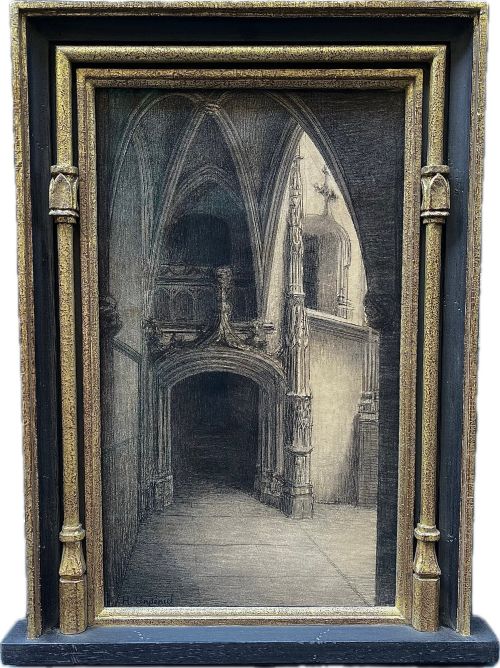
Henri Charles Angéniol
The Framed Ecclesiastical Wall Art Glossary
- Tracery
- Openwork stonework or woodwork elements supporting glass in windows or panels. In wall art, wooden tracery panels bring architectural Gothic geometry indoors.
- Lithograph
- A print made from a flat stone or metal plate using a design drawn with a greasy substance. This technique reproduced church interior views and religious imagery in the nineteenth century.
- Shadowbox
- A deep, glass-fronted framed box designed to hold and protect three-dimensional objects. These frames safeguard delicate devotional items and relics.
- Gold leaf
- Gold beaten into extremely thin sheets used for gilding surfaces. It catches candlelight and illuminates sacred texts and icons.
- Oxford Movement
- A nineteenth-century movement within the Church of England that emphasised traditional ritual and architecture. Pieces from this context often incorporate Gothic Revival motifs and woodwork.
Framed Ecclesiastical Wall Art: Frequently Asked Questions
How were these pieces used originally?
These items served liturgical, educational, and meditative functions within churches, chapels, and private domestic shrines. Illuminated texts, saints, and tapestries focused devotional thought and marked sacred spaces.
Over time, many pieces transitioned from active places of worship into secular collections, retaining their contemplative atmosphere within domestic interiors.
How do I care for antique textiles and paper?
Keep framed textiles, wool tapestries, and paper lithographs away from direct sunlight to prevent fading of natural dyes and inks. Stable indoor humidity levels protect organic materials from warping, drying, or mildew.
Glazing shields the fragile surfaces from dust and atmospheric pollutants, ensuring the longevity of delicate nineteenth-century pigments and threads.
How can I tell the period?
Dating relies on material analysis, framing styles, and historical movements such as Gothic Revival or Spanish Colonial Revival. Nineteenth-century pieces frequently show machine-cut timber alongside hand-finished details, while seventeenth-century works display distinct joinery and heavier patination.
Examining the backing boards, fixings, and pigments provides further clues to the true age of the artwork.