
Georgian Dressing Stool
A georgian dressing stool brings low-profile seating to a bedroom, pairing period timber frames with textile or leather tops for daily use.
Georgian Dressing Stool
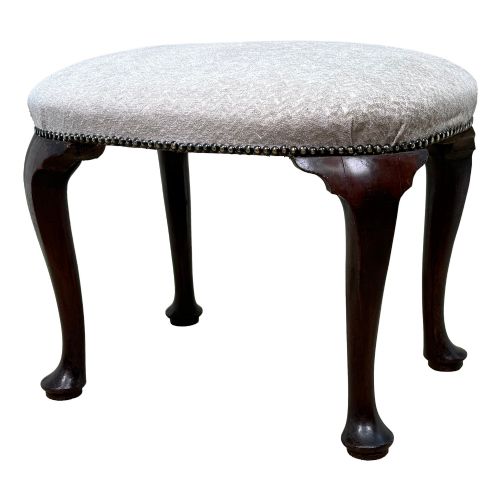
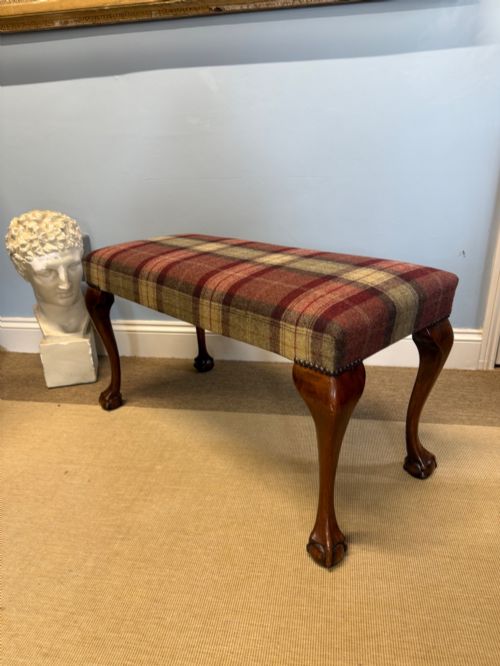
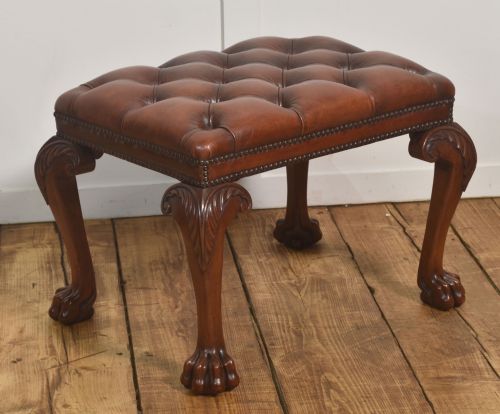
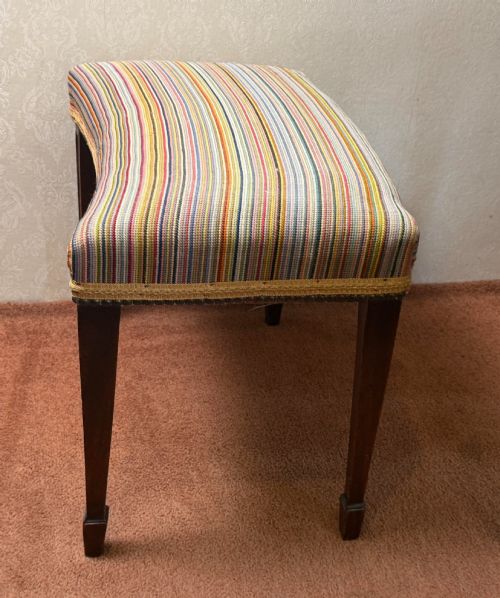
When you search for a georgian dressing stool, you encounter low wooden seats built to sit beneath a vanity or mirror table. The examples available range from genuine pieces dating to the eighteenth century down to later revival pieces from the nineteenth and early twentieth centuries.
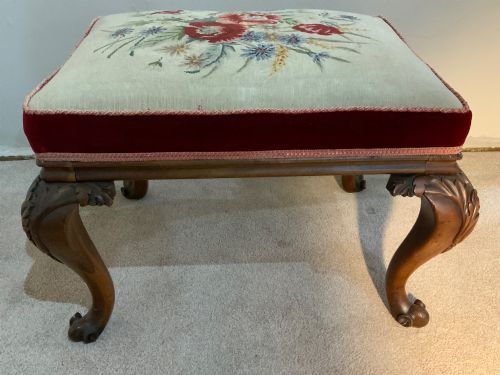
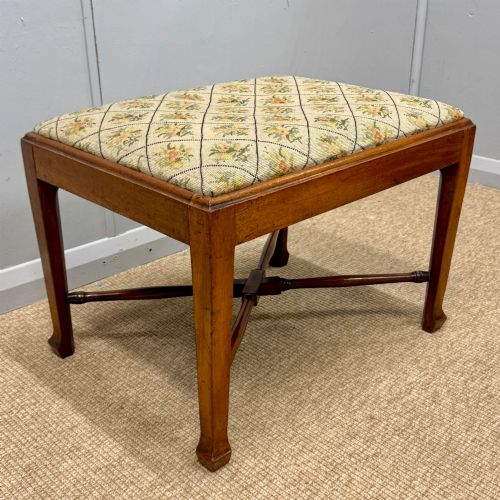
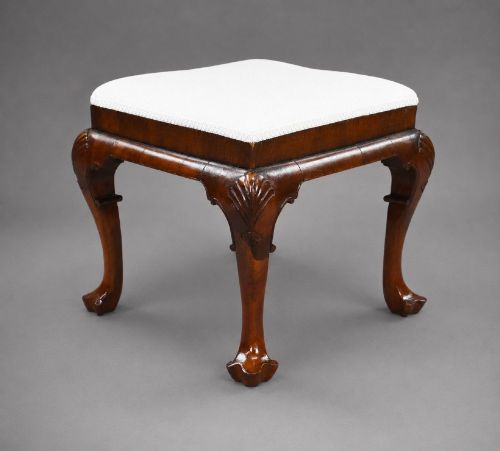
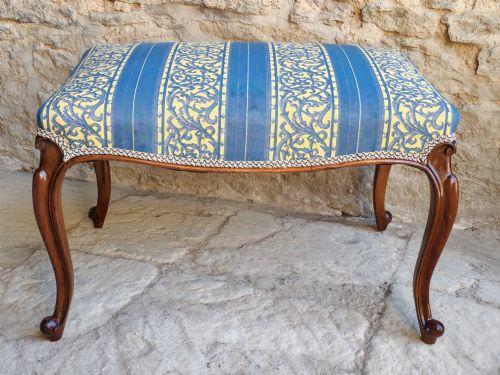
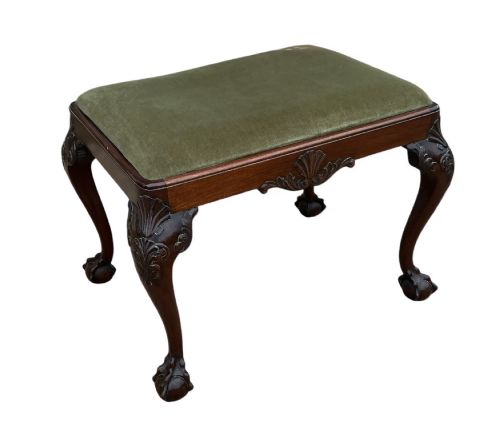
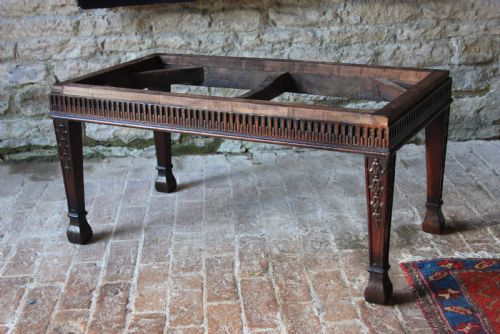
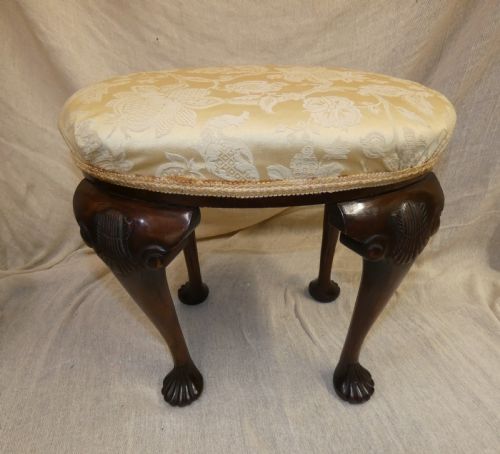
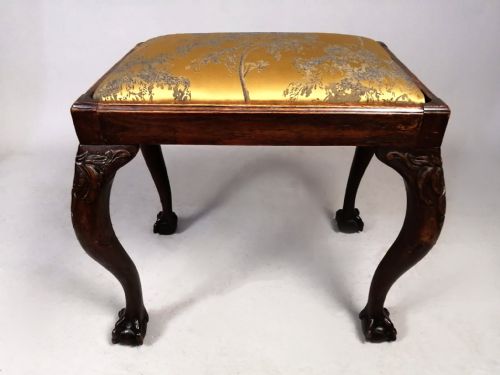
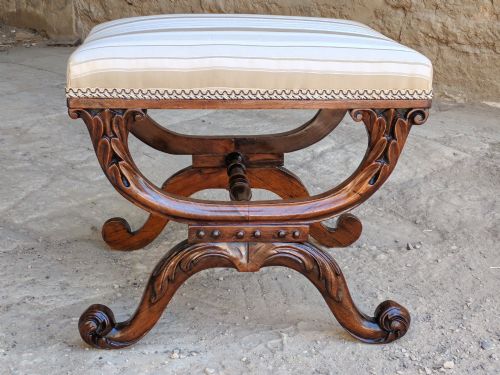
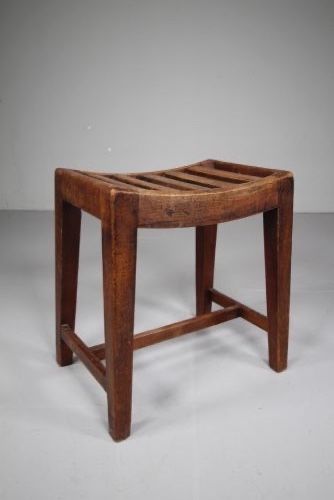
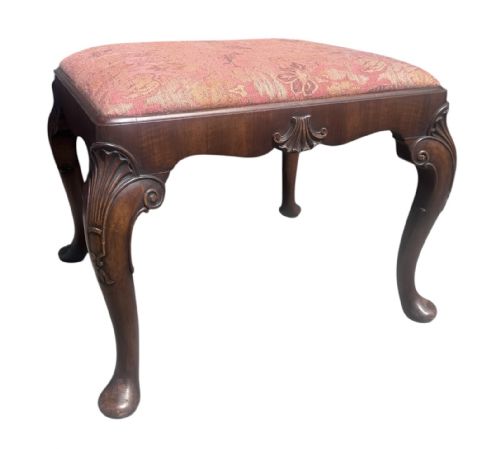
The forms span simple square frames with tapering legs to elaborate carved iterations with cabriole legs, cross stretchers, and X-frame supports. Many carry upholstered seats finished in fabric, velvet, needlework, or leather.
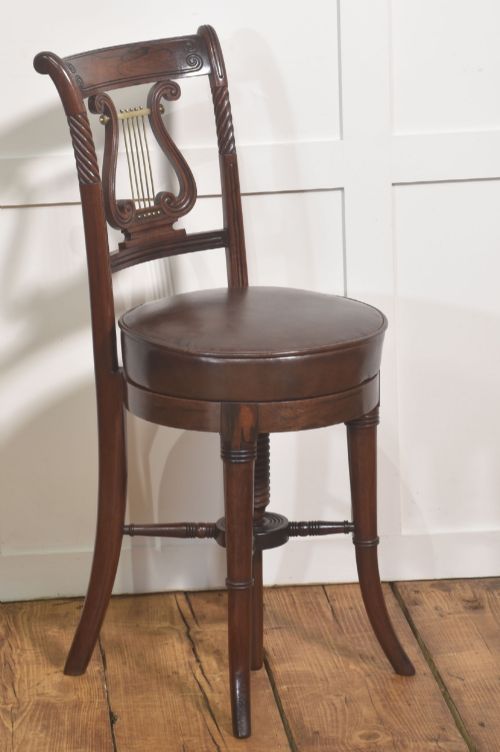
Origin formats vary from authentic English and Irish workshops of the seventeen-hundreds to later adaptations built in walnut and mahogany. These seats serve equally well as low footstools, piano benches, or bedroom chairs.
What varies in quality
Quality rests upon the crispness of the timber carving and the architectural proportion of the frame, where sharp lines on cabriole legs or square tapering supports distinguish finer work from simpler production. The selection of cabinet wood matters greatly, with dense grain and rich figuring in the mahogany or walnut elevating the piece.
The integrity of the structural joinery dictates durability, alongside the retention of period upholstery methods and materials. Original textiles or needlepoint work add considerable interest compared to later replacements.
Georgian Dressing Stool Retail Price Guide 2026
Typical asking prices for georgian dressing stool among the pieces listed under this phrase on Sellingantiques today, from the lower quarter to the upper quarter. They describe what is for sale here now, not the wider market.
The inventory spans the eighteenth, nineteenth, and early twentieth centuries, capturing both original Georgian production and later revival movements in mahogany and walnut.
Miles & Edwards·Gillows
The Georgian Dressing Stool Glossary
- Cabriole leg
- A furniture leg that curves outward at the knee and inward at the ankle, mimicking animal limbs. This form appears frequently on walnut and mahogany seating from the eighteenth century.
- Cross stretcher
- Wooden bracing members that intersect diagonally between the legs of a stool to provide structural rigidity. They often feature a central finial or meeting point.
- Drop-in seat
- A removable wooden frame insert upholstered independently before dropping into a rebate within the stool top. This construction method allows easy reupholstery.
- Needlework
- Hand-stitched textile coverings utilising wool or silk threads on canvas ground. These decorative panels frequently survive on period seat tops.
- X-frame
- A structural base formed by intersecting diagonal timbers creating an X shape when viewed from the side. This classical design supports curule and Regency examples.
Georgian Dressing Stool: Frequently Asked Questions
What is a georgian dressing stool used for?
These low seats function primarily as seating at a dressing table or vanity mirror. Their compact proportions also suit use as footstools or piano benches.
Historically placed in bedrooms or dressing rooms, they offer movable, lightweight seating that tucks neatly away when not in use.
How do I date a wooden stool?
Dating relies on identifying the timber species, joinery methods, and stylistic cues such as leg shapes and stretcher configurations. Eighteenth-century examples display hand-cut joinery and period timber patination.
Revival pieces from the nineteenth and early twentieth centuries often employ standardised fixings or machine-sawn framing elements alongside historical revival styles.
Are these stools comfortable to sit on?
Most pieces feature padded upholstered tops covered in leather, fabric, or needlework designed for short periods of sitting at a mirror. The firmness depends on the traditional stuffing materials used beneath the top cover.
Some surviving examples retain drop-in seats with firm webbing, while others utilise deeper squabs for added softness.
What woods were used for these frames?
Cabinet makers predominantly selected dense hardwoods like mahogany and walnut for their strength and rich grain. Elm, rosewood, and burr maple also appear across the surviving selection.
These timbers often develop a deep patination over centuries of handling and exposure to light.