

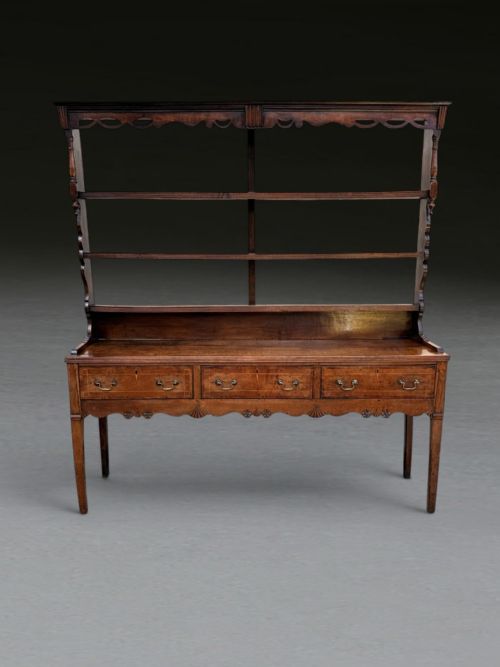
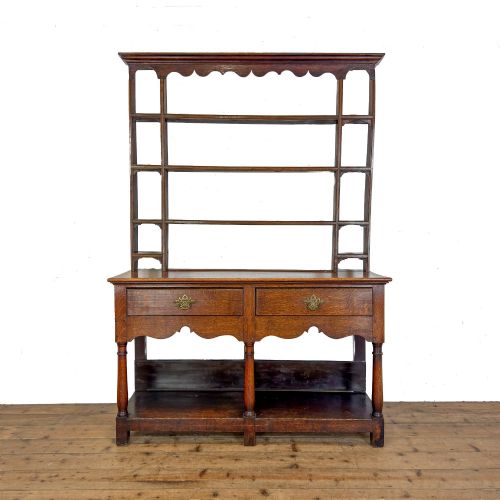
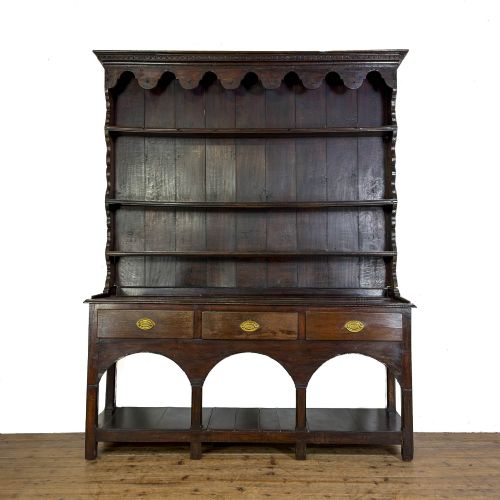
Georgian Dresser Rack
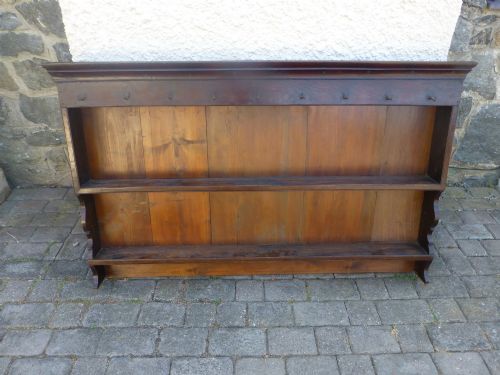
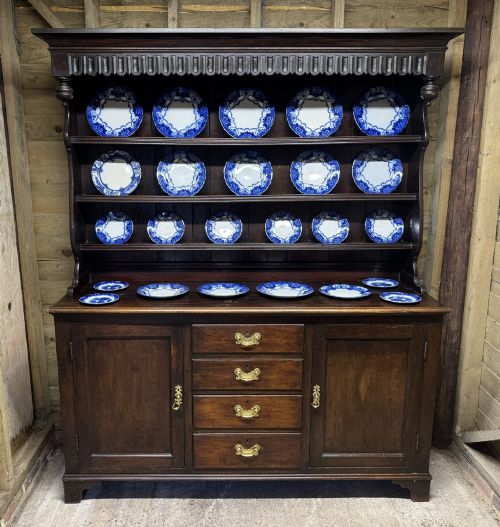
When you search for a georgian dresser rack, you are looking at utilitarian timber shelving designed to display domestic ceramics in country houses.
Georgian Dresser Rack
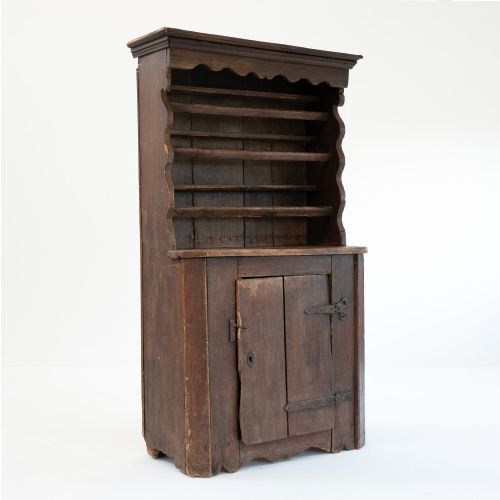
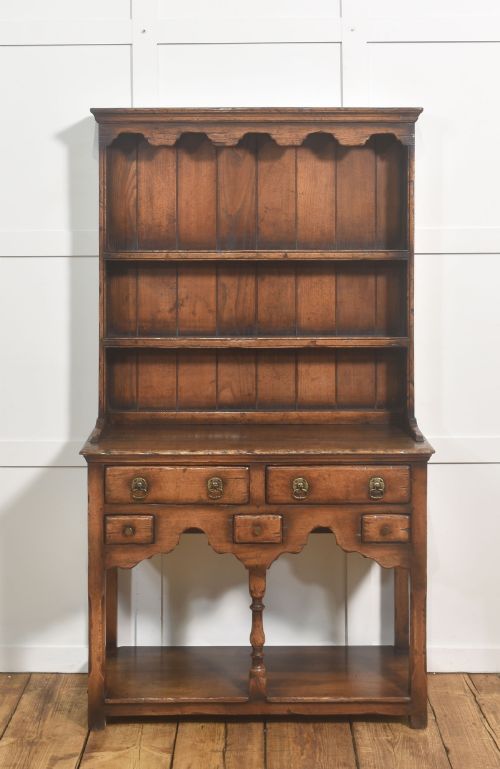
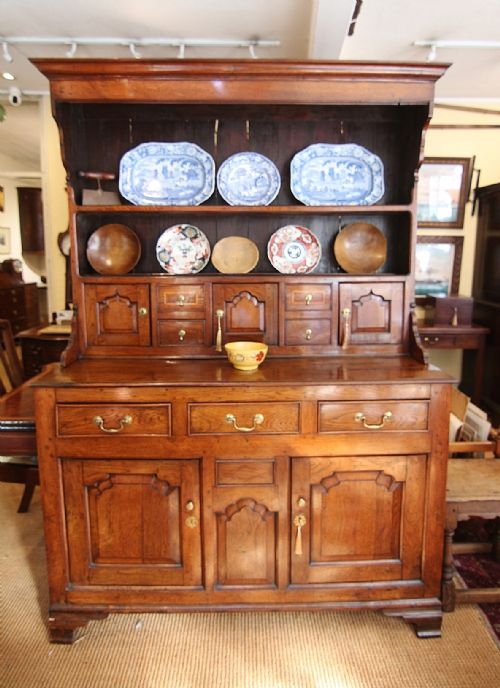
A georgian dresser rack is an upper shelving unit, often found paired with a matching base or mounted directly to a wall, designed to hold plates and platters upright in a kitchen or dining space. These pieces emerge primarily from 18th-century and 19th-century domestic traditions across English and Welsh regions.
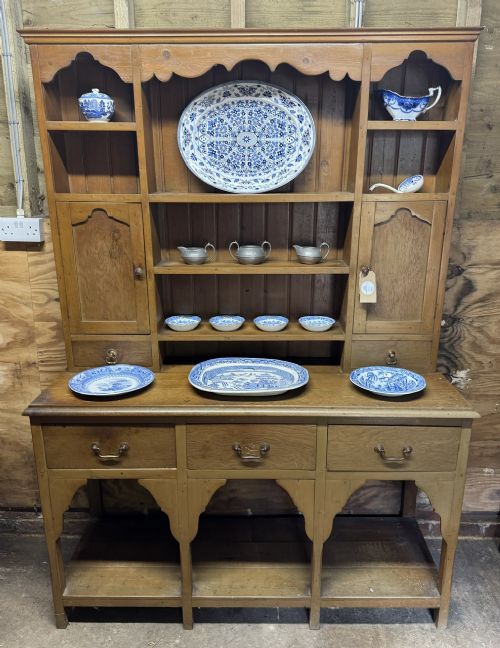
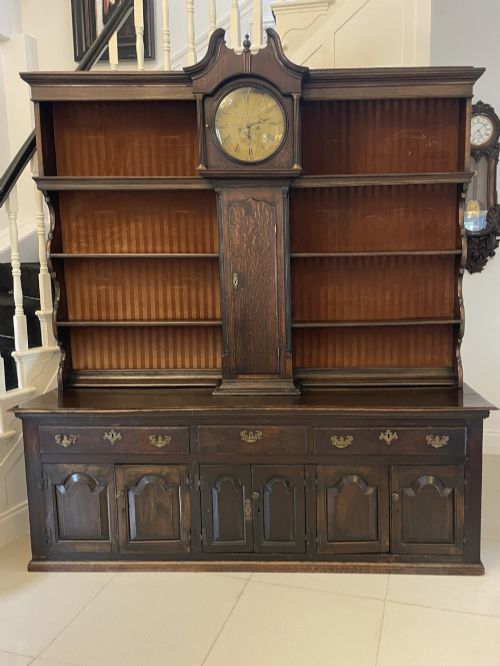
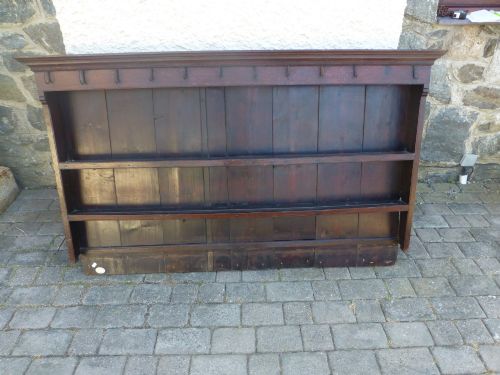
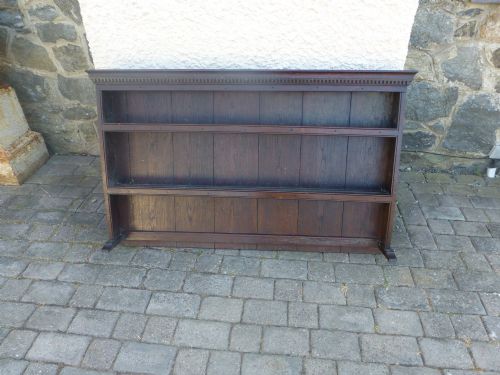
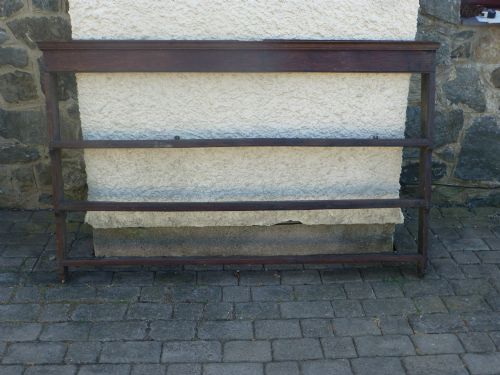
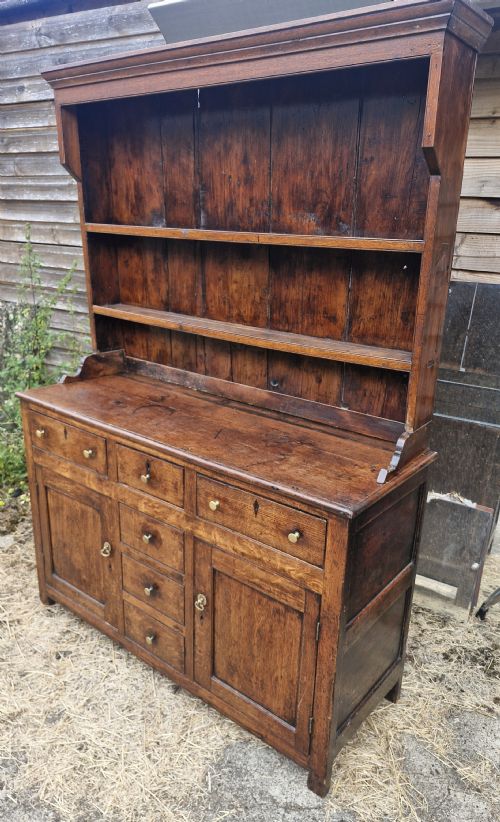
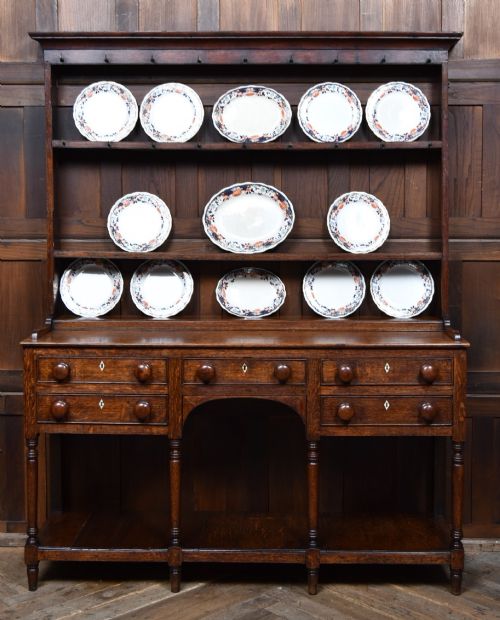
The versions met most frequently on this page combine open horizontal display shelves with boarded backs, sometimes incorporating small drawers or cupboards within the framework. Regional variations such as those from Snowdonia, Anglesey, and Shropshire display distinct configurations of shelves and frieze boards.
Makers built these racks to serve as both functional storage and prominent display space for delftware and pewter. Survival rates show them constructed from native hardwoods and softwoods, reflecting the practical needs of rural households.
How They Were Made
Constructed predominantly from native oak, with occasional examples in pine, mahogany, and fruitwoods, these racks rely on traditional joinery methods such as tenons and pegs to secure the uprights and shelves.
Backboards are typically tongue-and-groove or boarded planking fixed behind the tiers, occasionally featuring shaped fretwork or moulded cornices along the uppermost edge.
Listings feature oak, pine, and mahogany timbers alongside iron and brass hardware elements.
What Varies In Quality
The distinction between ordinary utility items and finer examples rests on the proportion of the mouldings, the selection of figured timber, and the presence of original regional detailing like shaped friezes or integrated spice cupboards.
Surface preservation plays a major role, with untouched waxed finishes and original patination commanding greater appreciation than stripped or heavily restored timber surfaces.
The Georgian Dresser Rack Glossary
- Delft
- Tin-glazed earthenware popular for display on kitchen shelving during the eighteenth century.
- Potboard
- A lower slatted or boarded shelf positioned near the floor between the legs of a dresser base.
- Cornice
- The moulded horizontal projection that crowns the top of a wall rack.
- Frieze
- The flat or decorated board running horizontally beneath the upper cornice of a rack.
Georgian Dresser Rack: Frequently Asked Questions
What is a georgian dresser rack used for?
These racks served primarily to display ceramic plates, platters, and bowls safely within reach of the kitchen work surface.
They kept everyday tableware organised while showcasing decorative delftware to visitors.
Were these racks originally attached to walls?
Many examples were designed to stand directly upon the rear of a matching dresser base rather than hang independently.
Wall-mounted variants also exist, featuring hanging points or shaped backs intended for direct screw-fixings into plaster or timber panelling.
How do I identify a regional style?
Regional traits appear in the choice of timber, the shaping of the cornice, and the arrangement of internal drawers or cupboards.
Welsh examples frequently employ local oak and distinct board widths, whereas pieces from Shropshire or the West Country display their own local joinery traits.
Should the rack match the base?
Many pieces survive with their original marriage of base and upper rack intact, showing uniform timber ageing and colour.
As upper shelves suffered more damage from damp and daily use, replacements occurred frequently over the centuries.