
Antique Wooden Plate Rack
An antique wooden plate rack organises crockery on the wall or crowns a dresser, bringing rustic utility and warmth to a kitchen.
Antique Wooden Plate Rack
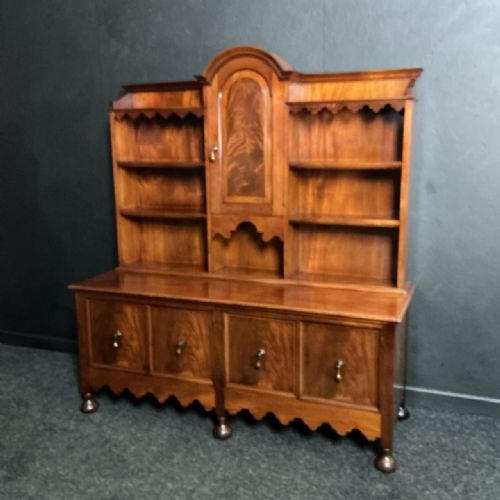
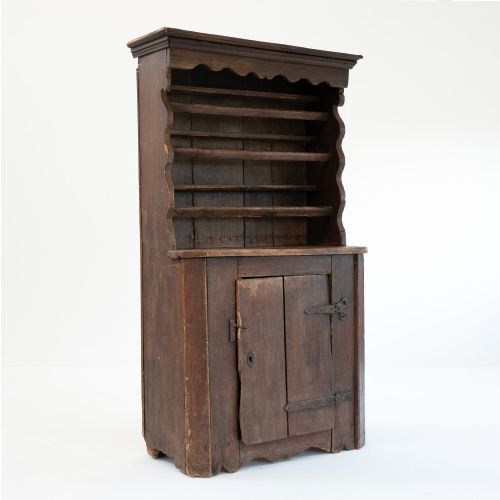
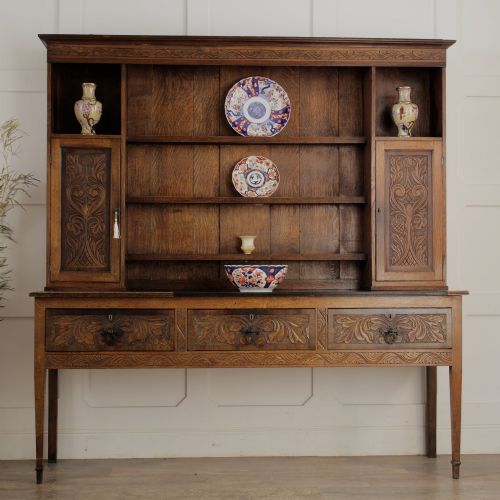
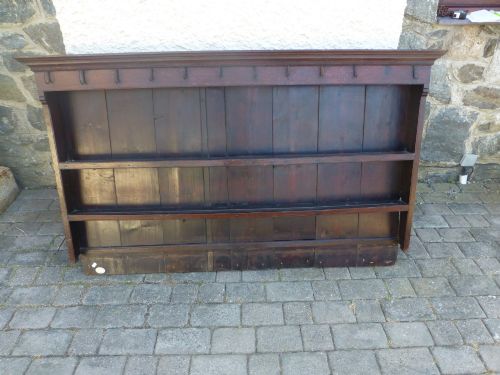
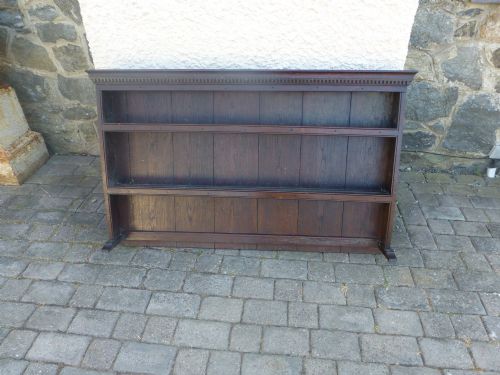
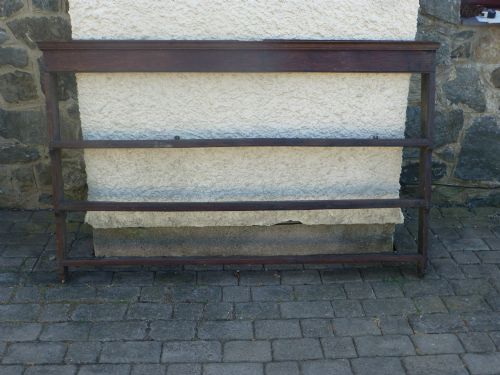
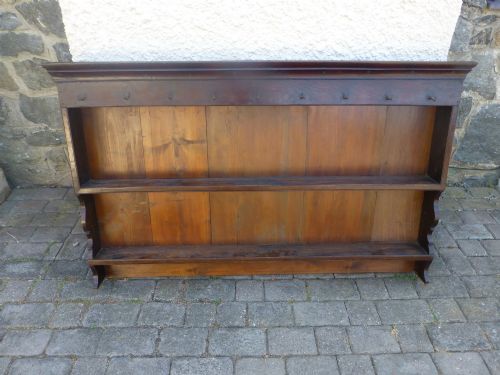
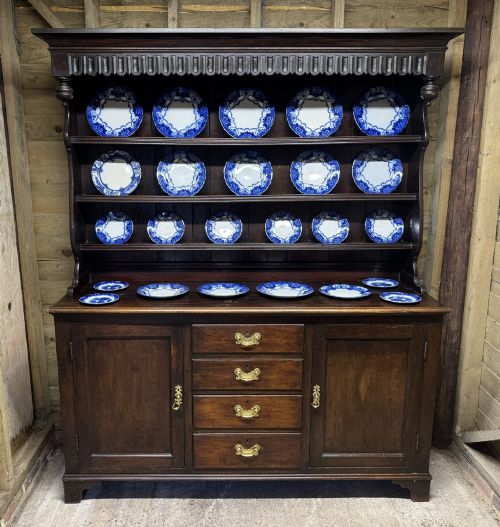
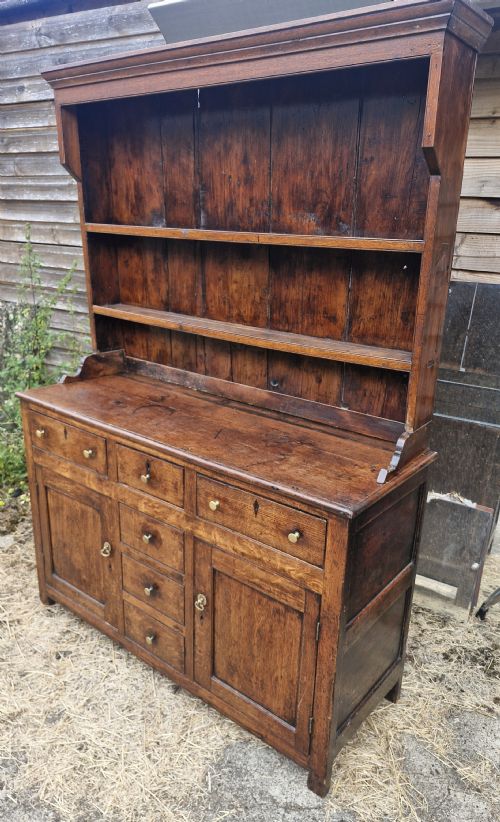
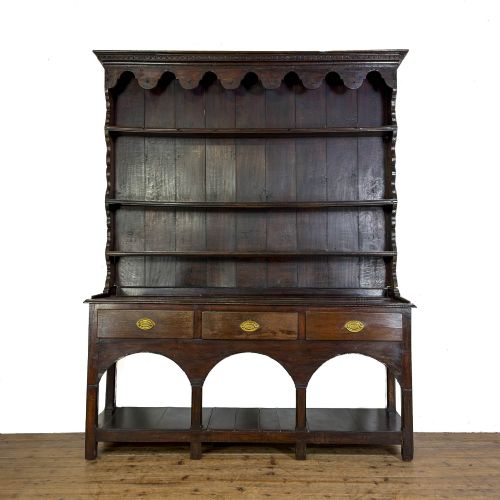
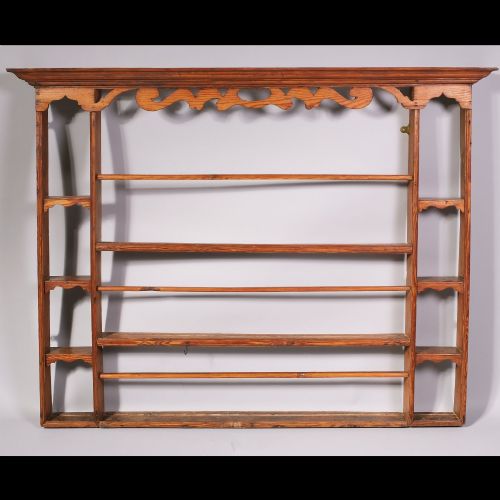
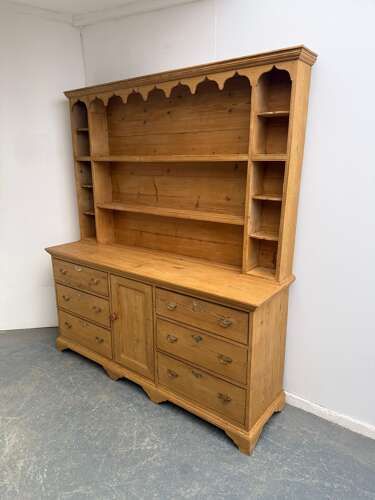
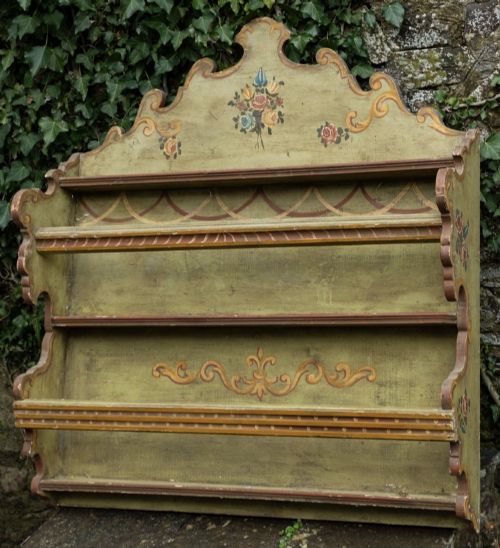
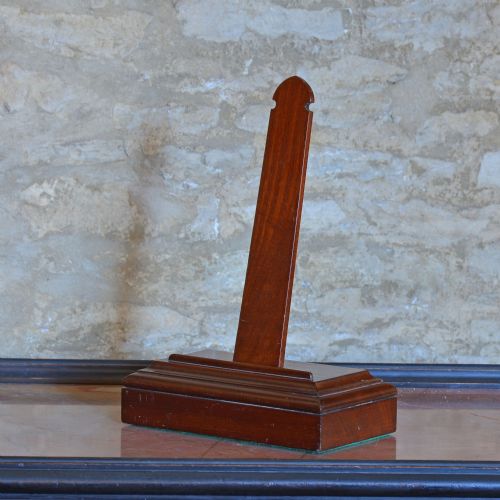
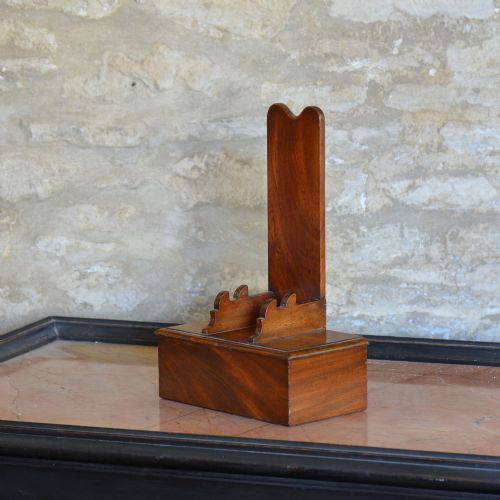
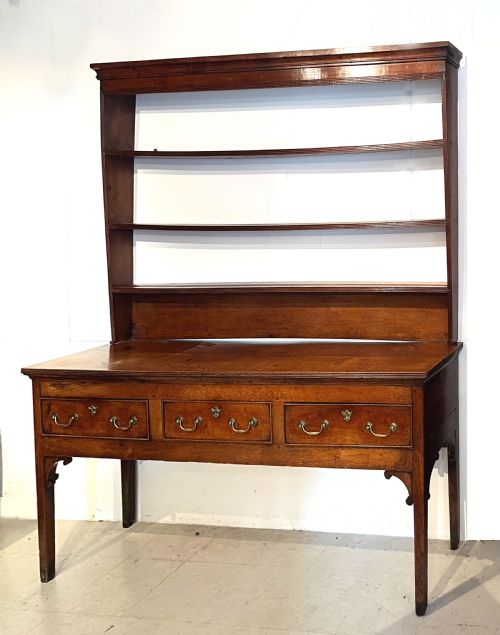
An antique wooden plate rack serves to display and dry ceramics safely within domestic spaces. Buyers seeking this form encounter wall-mounted shelves, individual hanging racks, and the upper plate-holding sections belonging to larger kitchen dressers.
The pieces on this page originate from the seventeenth century through to the early twentieth century, spanning Georgian, Victorian, and Edwardian eras. Regional English and Welsh country workshops produced many of the simpler domestic examples in local timbers.
Forms vary from compact wall shelves with slated grooves to substantial George III oak wall racks designed to hold rows of heavy delft plates. Some examples incorporate hooks for hanging mugs or feature flanking cupboards for supplementary storage.
Elements of quality
Quality rests in the integrity of the timber selection and the retention of original surfaces rather than mere decorative carving. Examples featuring intact peg joinery and uncompromised backboards hold greater architectural interest for collectors.
Proportion and depth determine utility, as superior racks provide adequate sloped grooves and retaining rails to secure plates safely without crowding.
Antique Wooden Plate Rack Retail Price Guide 2026
Typical asking prices for wooden plate rack among the pieces listed under this phrase on Sellingantiques today, from the lower quarter to the upper quarter. They describe what is for sale here now, not the wider market.
Some provincial makers incorporated secret shallow compartments behind plate grooves, likely used for stashing small household accounts away from prying eyes.
The Antique Wooden Plate Rack Glossary
- Delft rack
- An open wall-mounted shelving unit designed specifically to display tin-glazed earthenware plates upright against a timber backing.
- Pot board
- The lower open shelf situated near the floor on a traditional dresser base, used originally for heavy pots and pans.
- Marquetry
- Decorative inlay work using various tinted wood veneers to create intricate geometric or floral patterns on flat surfaces.
Antique Wooden Plate Rack: Frequently Asked Questions
How do I hang a heavy wooden plate rack?
Secure the rack directly into structural wall studs using heavy-duty fixings suited to the weight of the timber and the ceramics it will hold.
Verify that the mounting brackets or screw holes align properly with the internal battens of the rack before loading any plates.
Can these racks support modern heavy dinner plates?
Most antique racks were built to hold earthenware and pottery, which can be thicker than modern bone china. Check the depth of the retaining groove and the angle of the shelf to ensure plates sit securely.
Slimmer Victorian or Edwardian variations may suit lighter decorative items better than deep Georgian utility shelves.
Were plate racks originally part of dressers?
Many upper plate racks were manufactured as integral upper sections for Welsh and country dressers. Over time, some racks became separated from their original base cabinets and survived as independent wall-hanging units.
Matching timber patination and fixing marks often indicate whether a rack originally belonged to a specific base.
How do I care for waxed antique pine and oak?
Maintain the timber by applying a traditional beeswax sparingly with a soft cloth to nourish the wood and preserve the lustre. Avoid placing wooden racks in areas subject to excessive moisture or direct heat from kitchen appliances.
Gentle dusting with a dry cloth prevents grime accumulation without disturbing the historical surface finish.