



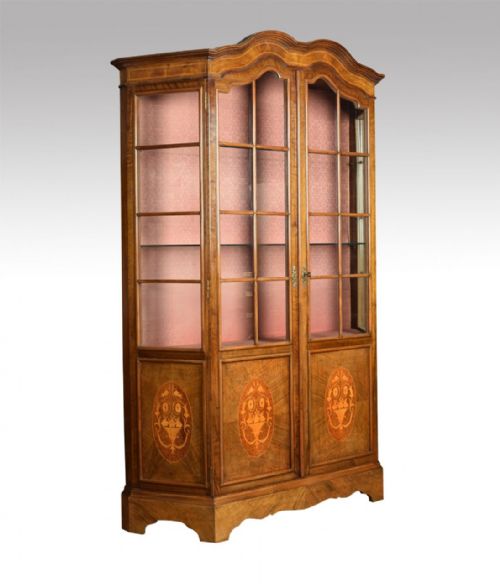
Georgian Double Door Cabinet
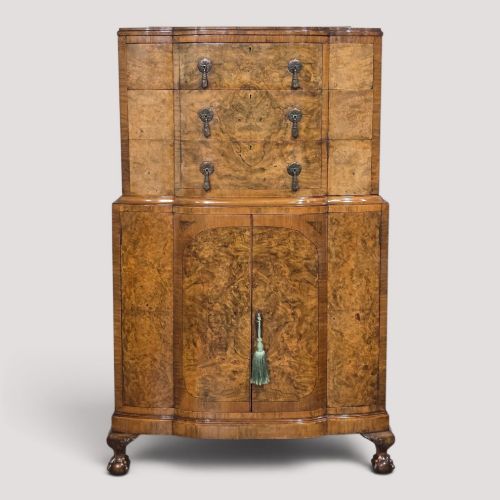
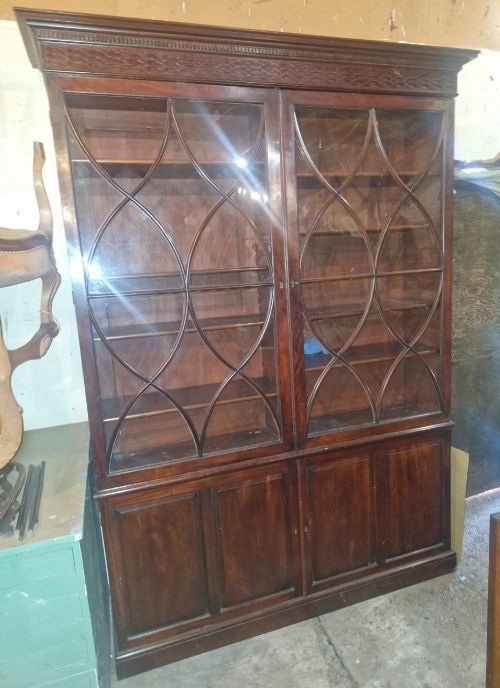
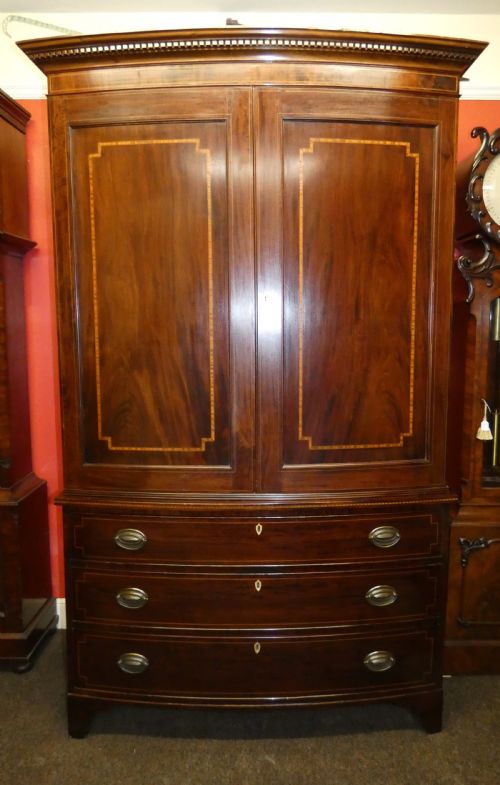
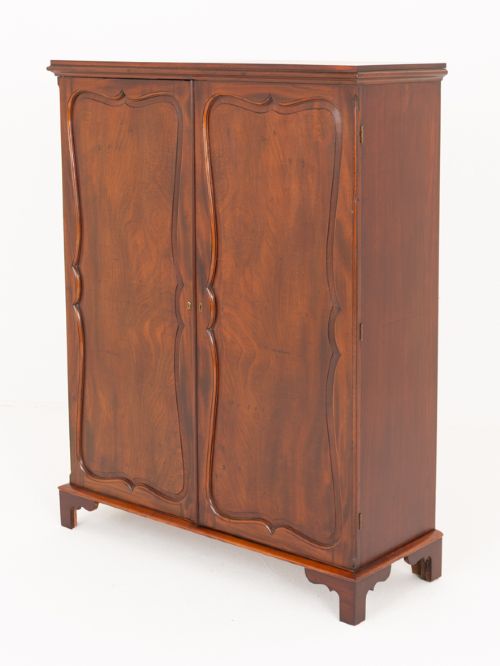
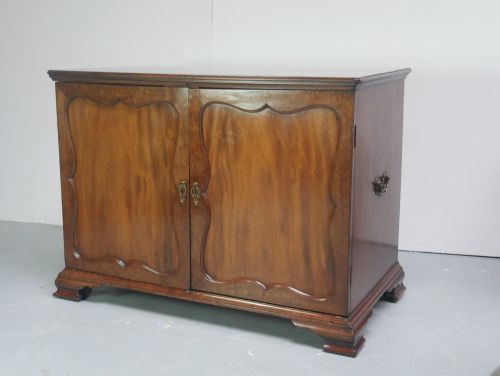
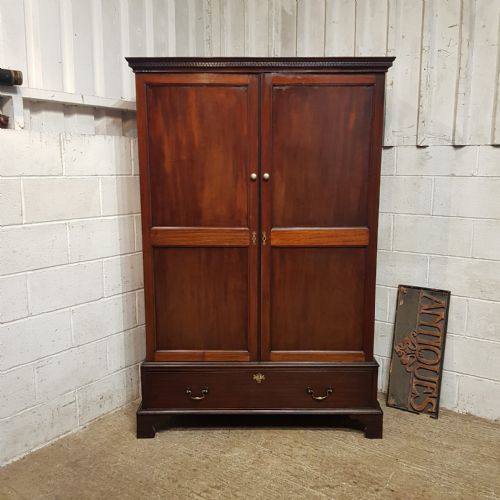
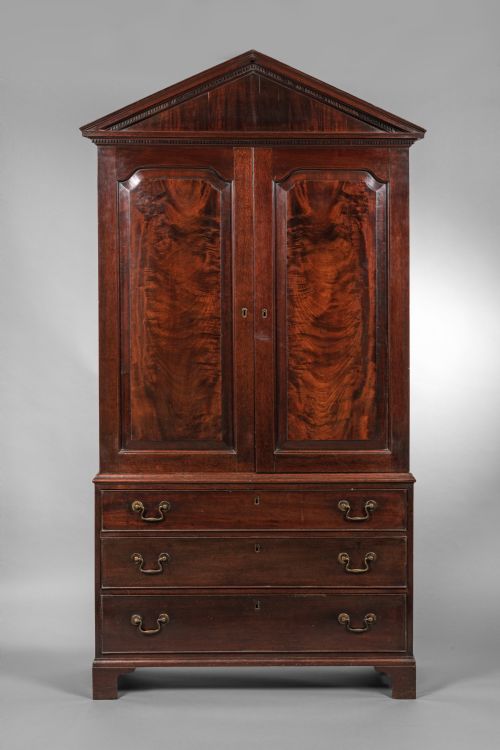
A georgian double door cabinet offers substantial storage behind paired timber panels, spanning grand linen presses to compact corner cupboards.
Georgian Double Door Cabinet
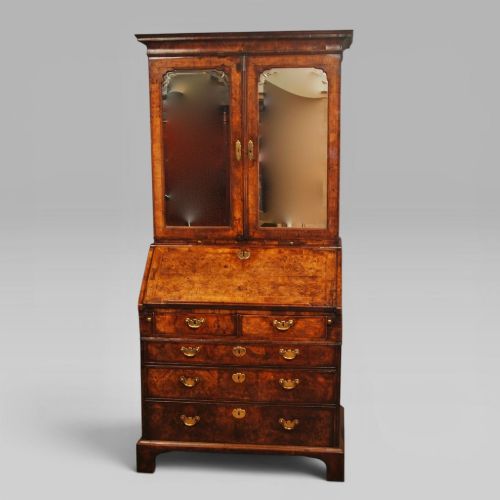
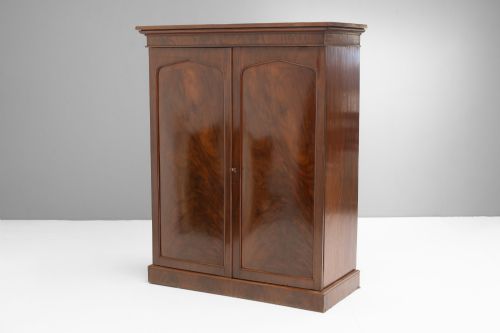
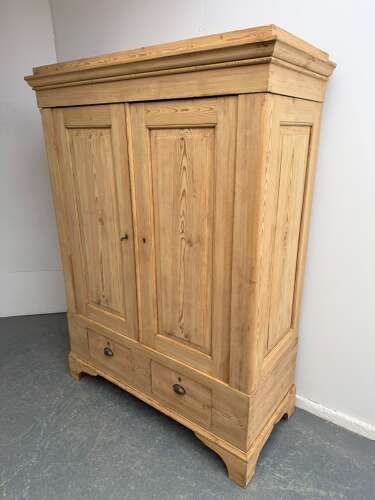
A georgian double door cabinet encompasses a wide variety of storage furniture including wardrobes, linen presses, bureau bookcases and corner cupboards made during the 18th century and the Regency period. Buyers seeking this phrase typically encounter mahogany or oak pieces featuring two hinged doors that open to reveal shelves, hanging space or smaller drawers.
The selection ranges from large housekeeping cupboards and double wardrobes to smaller side cabinets and spice cabinets. Many examples combine architectural proportions with functional compartmentalisation, reflecting the domestic requirements of the Georgian era.
How they were made
Cabinet makers utilised dense native and imported timbers such as mahogany, walnut and oak, frequently applying flame mahogany veneer or cross-banded details to primary surfaces. Pine and other softer woods served as secondary materials for internal construction and drawer linings.
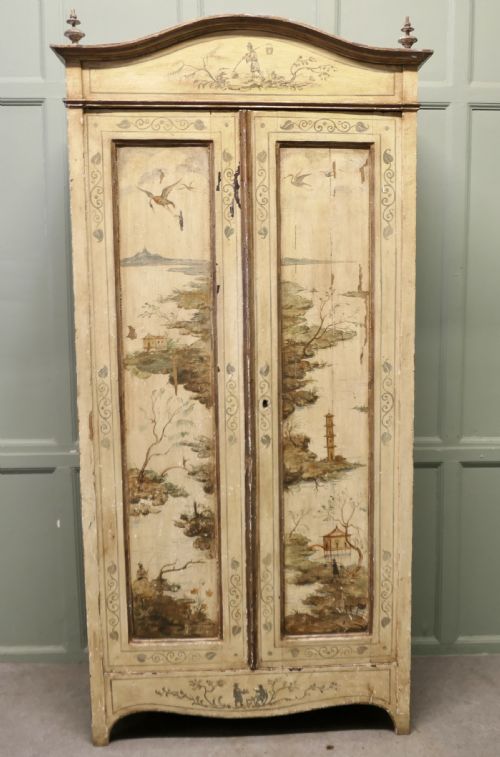
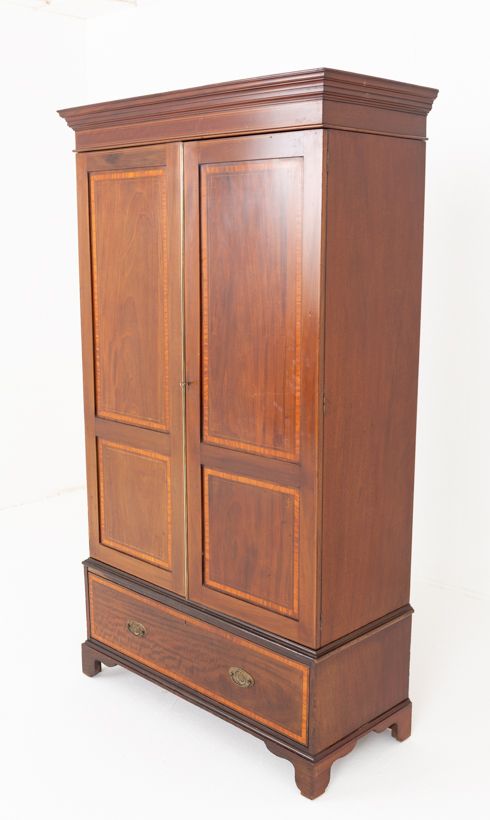
Construction techniques relied on sturdy joinery, hand-cut dovetails and panelled doors, sometimes finished with marquetry inlay or painted Chinoiserie lacquer. Brass hardware, including hinges, escutcheons and handles, secured the doors and drawers while adding metallic contrast to the timber.
Georgian Double Door Cabinet Retail Price Guide 2026
Typical asking prices for georgian double door cabinet among the pieces listed under this phrase on Sellingantiques today, from the lower quarter to the upper quarter. They describe what is for sale here now, not the wider market.
Materials recorded across the inventory include mahogany, walnut, oak, elm, satinwood, pine, brass, glass and flame mahogany veneer.
What varies in quality
The standard of a georgian double door cabinet depends largely on the choice of timber figure, such as well-matched flame mahogany or highly figured walnut, and the precision of any cross-banding or marquetry inlay. Superior pieces display harmonious proportions and careful grain continuity across the two doors.
Internal arrangement and secondary woods also distinguish finer examples, where secondary drawers retain original hand-cut dovetails and clean linings. The subtlety of carved mouldings and the retention of original brass hardware contribute further to a piece's standing.
Thomas Bradshaw
The Georgian Double Door Cabinet Glossary
- Linen press
- A tall cupboard featuring upper doors enclosing sliding trays for linen, set above a chest of base drawers. This form was essential for storing folded household textiles before fitted wardrobes became standard.
- Bureau bookcase
- A dual-purpose piece combining a sloping writing flap that opens over drawers with an upper glazed or panelled bookcase section. It provided a private workspace and a library cabinet in one unit.
- Corner cupboard
- A triangular cabinet designed to fit neatly into the corner of a room, saving floor space while displaying or storing household goods. These occur in both hanging and floor-standing tall formats.
- Flame mahogany veneer
- A thin slice of mahogany timber cut from the fork of the tree where branches meet, producing a distinctive flickering flame pattern. Cabinet makers applied this to prominent surfaces for decorative impact.
- Cross-banding
- A narrow strip of veneer laid around the border of a panel or drawer front with the grain running at right angles to the central timber. This technique frames the primary wood and adds visual definition.
Georgian Double Door Cabinet: Frequently Asked Questions
What is a georgian double door cabinet used for?
These cabinets served multiple domestic storage functions, from housing household linen and clothing to organising books and writing materials.
Today, they adapt readily to modern interiors as wardrobes, living room storage units or hallway cupboards.
How do I tell a Georgian piece from a later copy?
Examination of construction methods, such as hand-cut dovetails, tool marks on secondary timbers and the type of fixings used, reveals the age of the cabinet.
Later revival pieces often display machine-sawn timber and differing internal structures compared to 18th-century originals.
What timbers were commonly used?
Mahogany and walnut predominate among finer examples, often enhanced with veneers and decorative cross-banding.
Oak and pine appear frequently in utility furniture, corner cupboards and pieces intended for country houses.
Are all these cabinets tall?
Height varies significantly across the category, ranging from floor-to-ceiling linen presses and bureau bookcases down to low side cabinets and compact spice cupboards.
Corner cupboards also vary in height, with some designed to sit at counter level and others standing at three-quarter height.