


Georgian Dining Room Antiques
Georgian dining room antiques are substantial mahogany tables, sideboards and chair sets built to host large households.
Georgian Dining Room Antiques
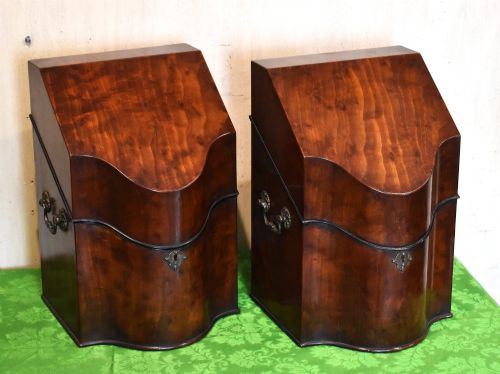
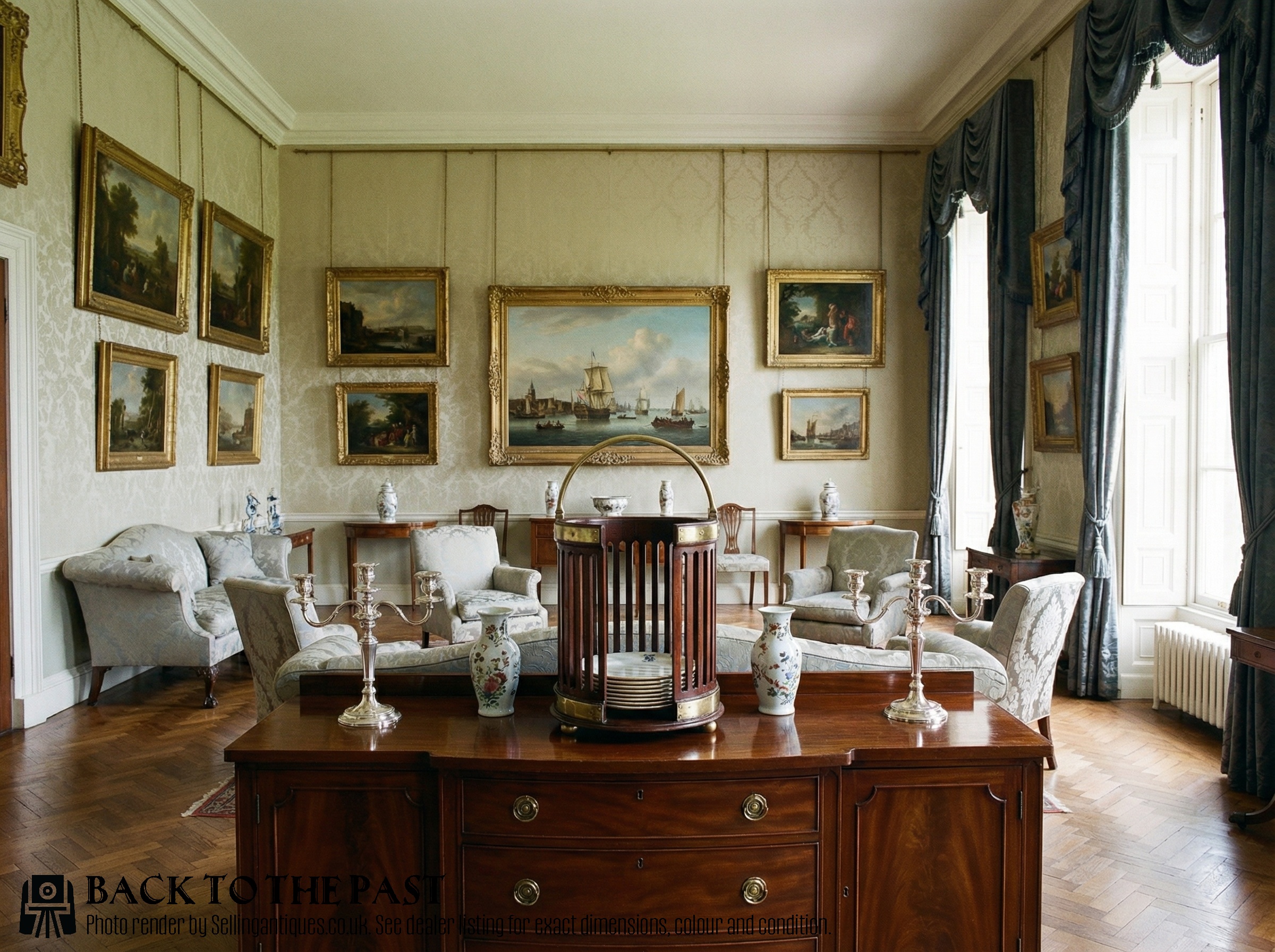
When you search for georgian dining room antiques, you encounter formal furniture designed for entertaining and dining during the eighteenth and nineteenth centuries. The selections on this page centre heavily on mahogany dining tables, sideboards, wine coolers and large sets of chairs.
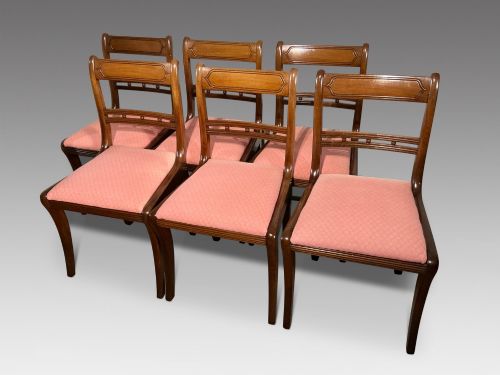
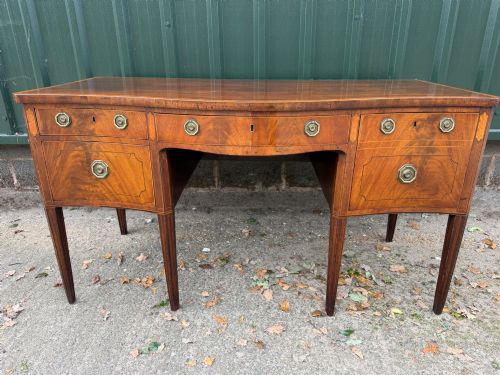
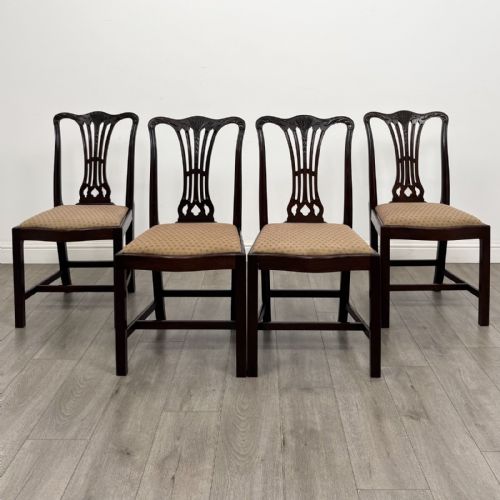
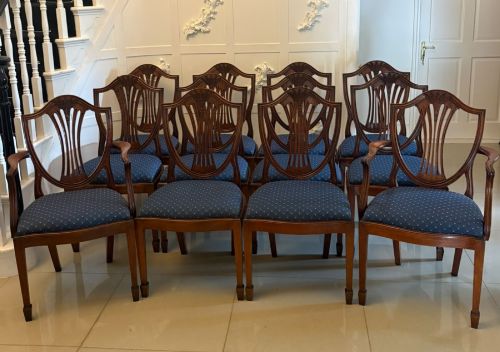
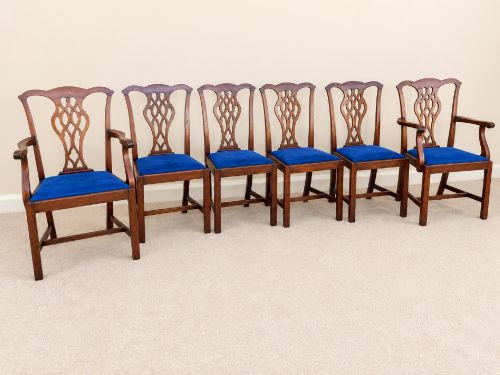
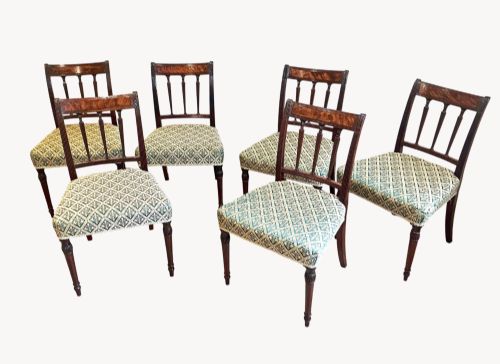
Dining chairs appear frequently in sets ranging from four up to sixteen pieces, often reflecting Chippendale, Hepplewhite or Regency design idioms. Sideboards and serving tables provide the storage and surface space necessary for the traditional dining room layout.
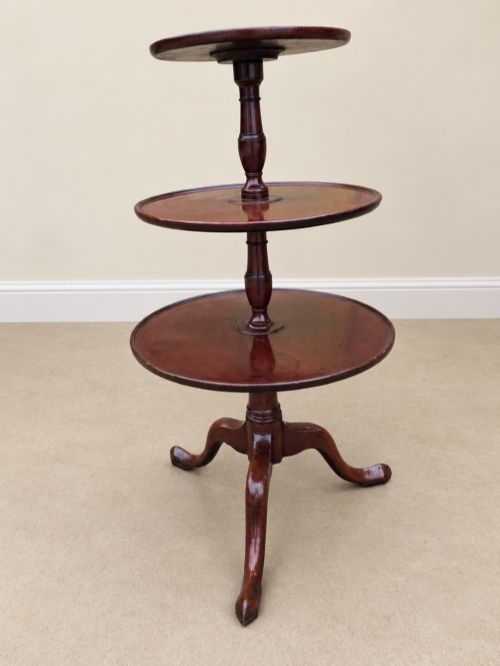
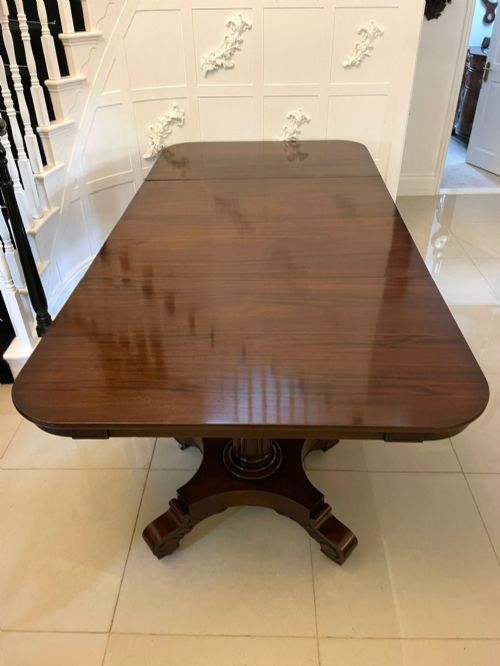
The periods represented span the eighteenth century, the Regency era, and later revival movements from the early twentieth century. Tables range from single-piece boards to triple pedestal extending formats intended for larger rooms.
How they were made
Solid mahogany and flame mahogany veneers form the primary visual and structural vocabulary of these pieces, providing deep reddish brown colour and distinct grain patterns. Cabinetmakers utilised boxwood stringing and brass fittings to accent the woodwork on sideboards and pedestals.
Upholstery fabric and leather furnish the seats for dining chairs, secured over padded frames designed for comfort during long meals. Joinery techniques from the period relied on precise timber fitting, mortise and tenon joints, and stable secondary woods to support heavy dining tables.
Georgian Dining Room Antiques Retail Price Guide 2026
Typical asking prices for georgian dining room antiques among the pieces listed under this phrase on Sellingantiques today, from the lower quarter to the upper quarter. They describe what is for sale here now, not the wider market.
Dining chair sets appear in counts ranging from four up to sixteen pieces.
What varies in quality
The depth of figure in the mahogany veneer and the crispness of carved details on chair backs and table edges define the upper tier of execution. Pieces featuring matched sets of chairs in larger numbers show greater initial investment than mixed or assembled groups.
Proportion and scale dictate the distinction between standard cabinetwork and exhibition standard pieces. Original hardware, intact pedestals, and unaltered extending mechanisms preserve the structural integrity that collectors evaluate.
M. D. Miller and Sons
The Georgian Dining Room Antiques Glossary
- Pedestal table
- A dining table supported by one or more central columns rather than four corner legs. This format allows greater legroom for seated guests.
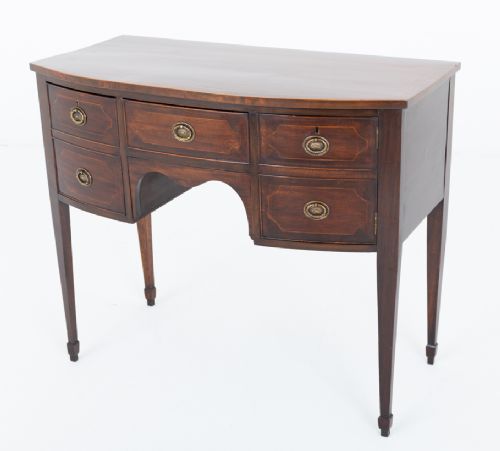
- Sideboard
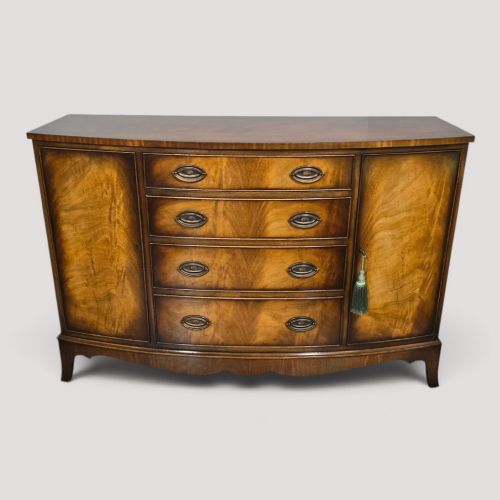
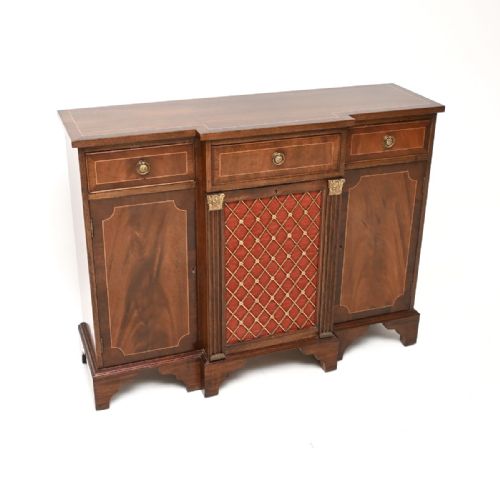
- A long low piece of furniture placed against a dining room wall for serving food and storing tableware. Bow-front and breakfront examples shape the facade.
- Flame mahogany
- A veneer cut from the fork of the mahogany tree where branches join the trunk. It creates a distinctive rippled, flame-like grain pattern.
- Shield back
- A chair back design shaped like a heraldic shield, popular in Hepplewhite and later revival dining chair manufacturing.
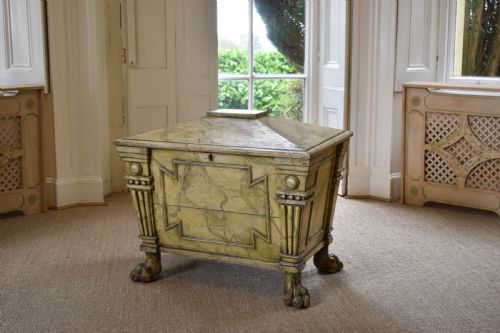
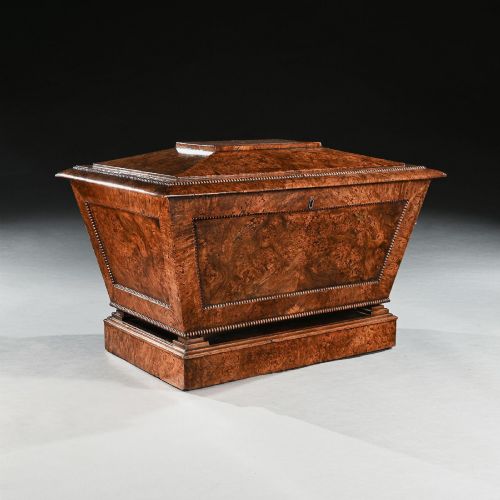
- Wine cooler
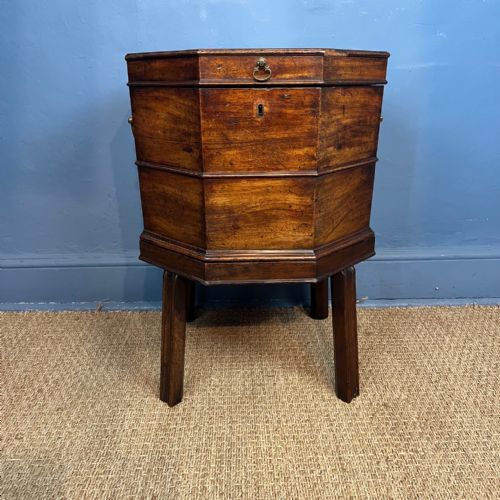
- A specialised container or pedestal used to chill wine bottles during dinner service. They often incorporate lead linings or brass hoops.
Georgian Dining Room Antiques: Frequently Asked Questions
How many chairs come in a set?
Sets typically range from four chairs up to twelve or sixteen matching pieces. Many larger groupings include a mix of single dining chairs and armchairs.
Armchairs, sometimes called carvers, were traditionally placed at the heads of the dining table.
What is an extending dining table?
An extending dining table uses a system of pillars, pedestals, or pull-out rails to insert additional leaves. This mechanism allows the table surface to expand for large dinner parties.
Tables featuring multiple pedestals offer stability when fully extended to accommodate twelve or more guests.
How do I identify a sideboard?
Sideboards function as serving stations and storage units in the dining room, often featuring cupboards, drawers, and flat top surfaces. Common forms include bow-front designs and breakfront configurations.
Woods like flame mahogany and decorative inlays distinguish formal dining room sideboards from utilitarian storage.
Are revival pieces considered antique?
Revival furniture includes pieces built in the early twentieth century that replicate eighteenth and nineteenth-century styles. These items use period forms like Hepplewhite shield-back chairs and Chippendale dining sets.
Dates in listings indicate whether a piece originates from the Georgian era or a later revival period.