



Georgian Cut Crystal Bottle
A georgian cut crystal bottle brings brilliant light and heavy substance to a sideboard, shaped by decades of early glassmaking skill.
Georgian Cut Crystal Bottle
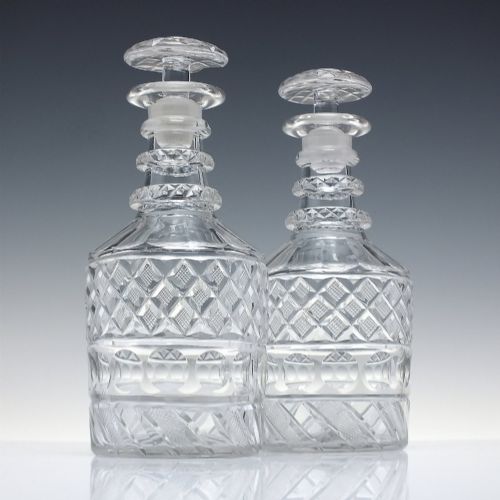
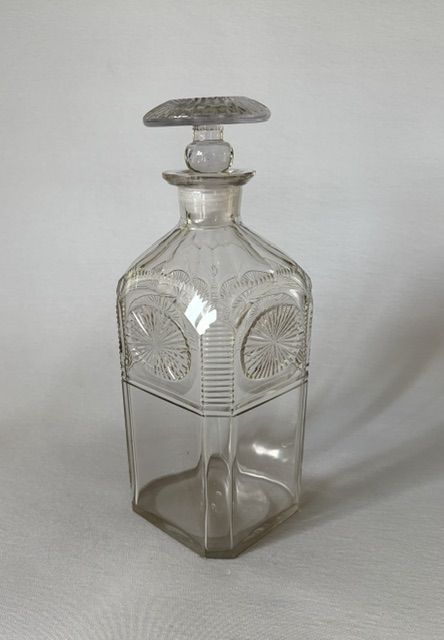
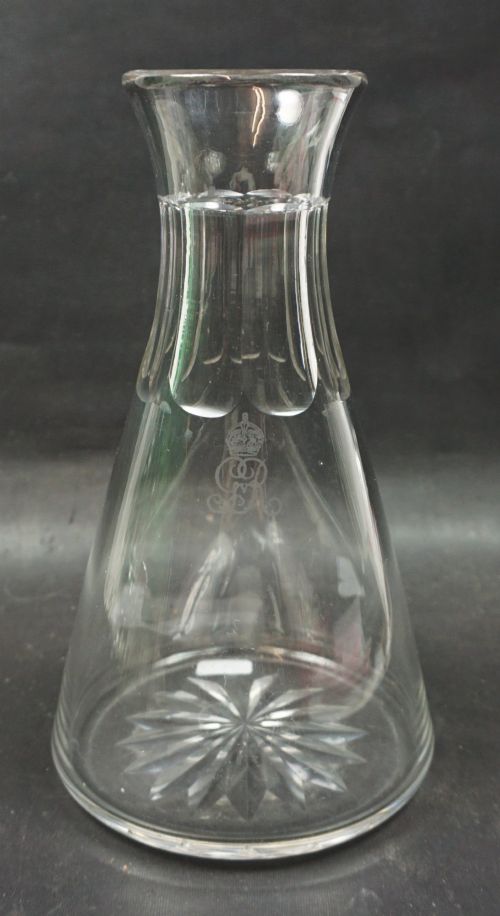
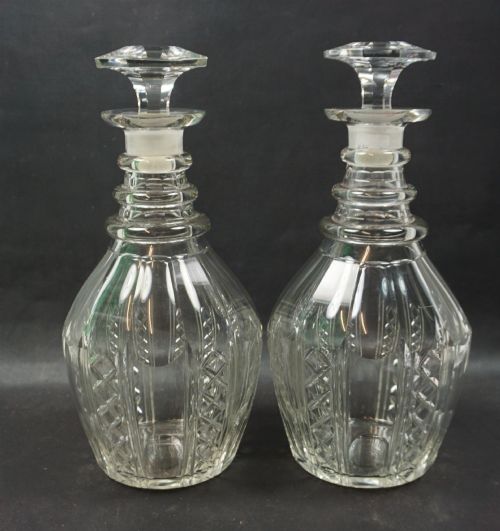
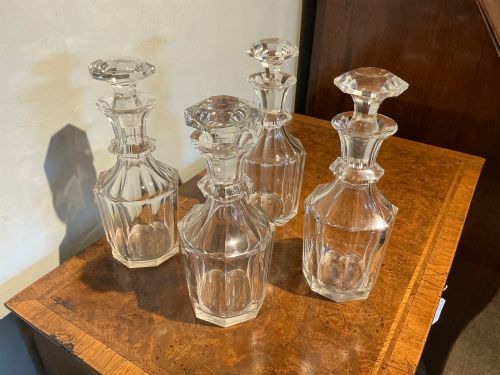
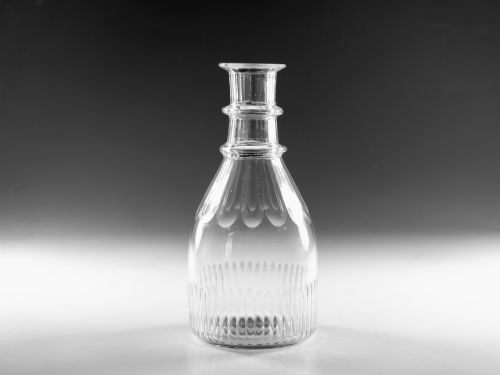
A georgian cut crystal bottle encompasses functional vessels designed for the table and toilette, primarily taking the form of decanters, carafes, cruet sets, and dressing table components. Most examples on this page date from the Georgian and Regency periods, alongside later nineteenth and twentieth century interpretations.
How they were made
Glasshouses utilised lead crystal and cut glass, blowing molten material into moulds or free-hand before applying deep wheel-cut facets, flutes, and prismatic rings. These cutting techniques created heavy, refractive walls that caught the candle-light of period dining rooms.
Mounts and hardware incorporate sterling silver and silver plate, particularly on cruet frames, dressing table sets, and sugar sifters where metal collars and crests complement the heavy crystal bodies.
Georgian Cut Crystal Bottle Retail Price Guide 2026
Typical asking prices for georgian cut crystal bottle among the pieces listed under this phrase on Sellingantiques today, from the lower quarter to the upper quarter. They describe what is for sale here now, not the wider market.
Materials across the page combine cut lead crystal and glass with sterling silver and silver plate fittings for dressing sets and cruet frames.
What varies in quality
The clarity and weight of the lead crystal set the foundation for a superior vessel, alongside the precision and depth of the wheel-cut facets. Finer examples display crisp, sharp edges to the cutting rather than softened or rounded profiles.
Completeness dictates standing, particularly for multi-piece cruet sets, dressing table services, and matched pairs where original stoppers and integrated silver elements remain together.
The Georgian Cut Crystal Bottle Glossary
- Decanter
- A vessel used for holding and serving wine or spirits, typically fitted with a stopper. They often feature cut glass rings around the neck to assist grip.
- Cruet set
- A matched collection of small bottles or castors mounted in a frame for holding condiments, oil, vinegar, and sauces at the table.
- Lead crystal
- A type of glass containing lead oxide that increases weight, brilliance, and softness for deep cutting. It forms the heavy body of standard Georgian table vessels.
- Prismatic ring
- A raised horizontal band encircling the neck of a decanter. These rings were wheel-cut into protruding ridges to prevent slips from wet fingers.
Georgian Cut Crystal Bottle: Frequently Asked Questions
How do I date a decanter?
Dating relies on the shape of the body, the profile of the neck rings, and the form of the stopper. Earlier Georgian pieces often display kick-up bases and heavy lead content.
Later nineteenth-century examples tend toward straighter profiles and machine-influenced cutting patterns. Comparing the pontil mark and glass tint helps confirm the era.
Were these bottles used for wine?
These vessels held various liquids including port, sherry, rum, and whisky upon the dining table. Spirit decanters were built sturdier with thick bases to withstand heavy use.
Carafes and cruet bottles served water, vinegar, and oil during formal meals. Tableware sets adapted to whatever liquid the household required.
How should I clean cut crystal?
Wash the glass gently in warm water with mild detergent, avoiding sudden temperature changes that cause cracking. A soft brush helps clear dust from deep wheel-cut facets.
Allow the interior to dry naturally by resting the vessel upside down on a clean cloth. Harsh abrasives will scratch both the crystal surface and any silver mounts.