

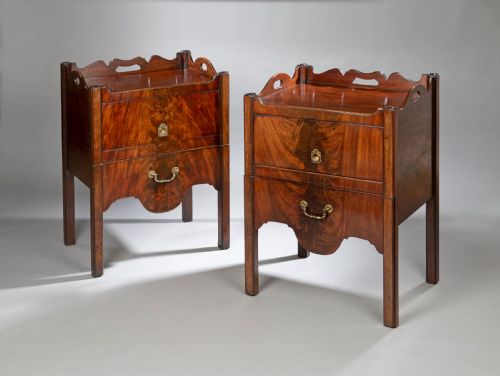
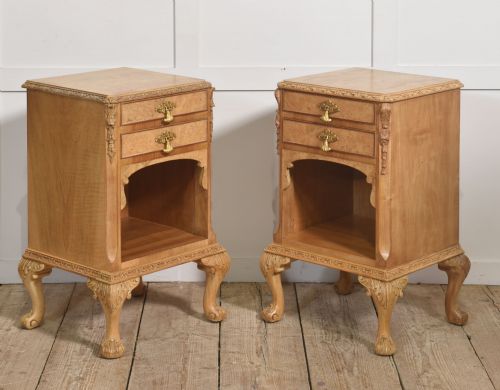
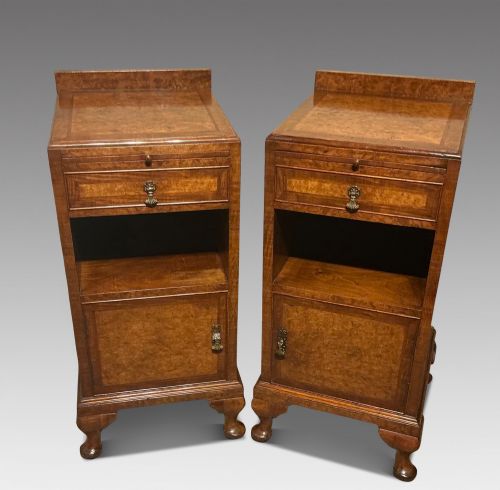
Georgian Cupboard Pair
A georgian cupboard pair brings matched symmetry and practical storage to a room, utilising rich timbers like mahogany to anchor a traditional interior scheme.
Georgian Cupboard Pair
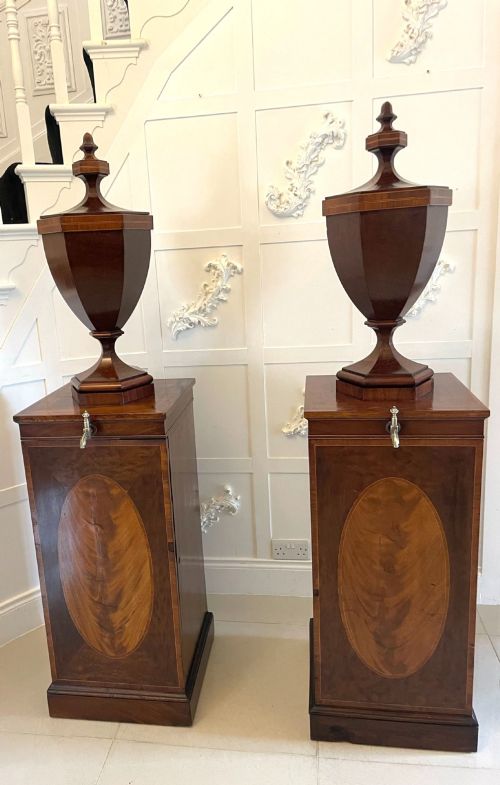
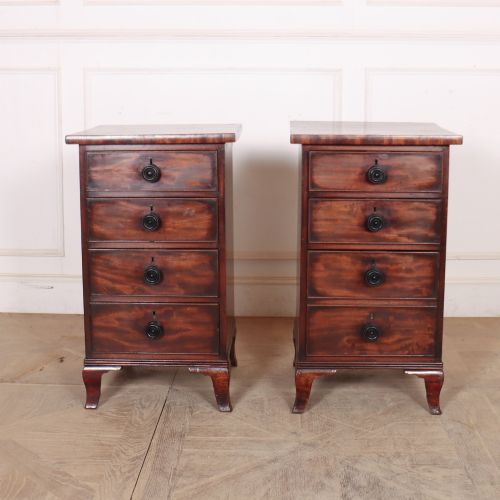
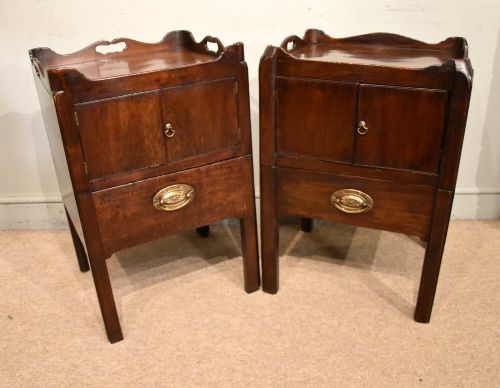
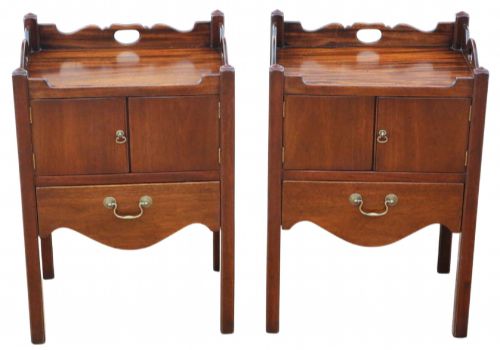
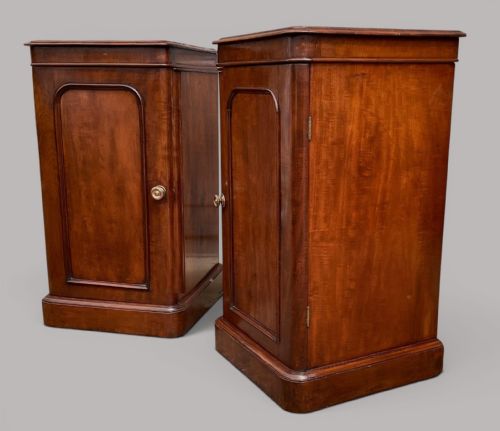
A georgian cupboard pair comprises two matching enclosed storage pieces designed for domestic utility, most commonly appearing as bedside cabinets, night tables, and pot cupboards originating from the eighteenth and early nineteenth centuries.
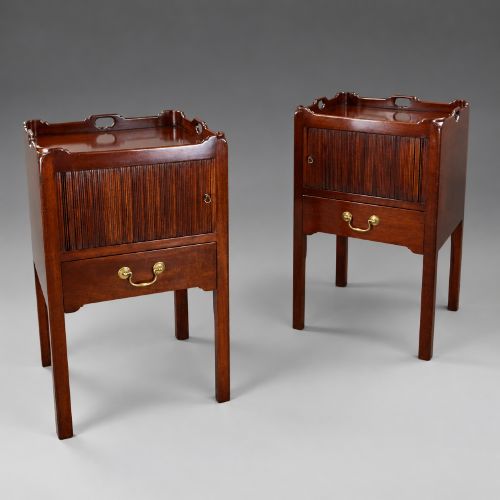
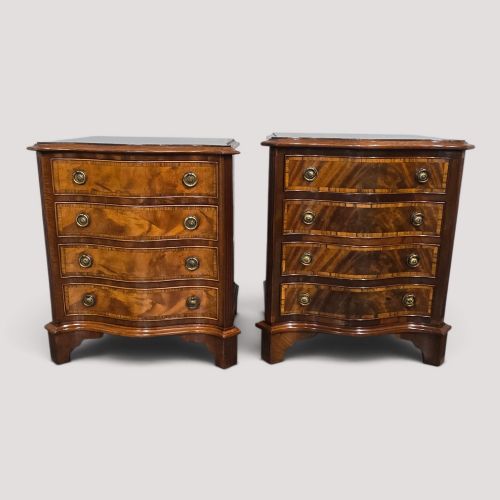
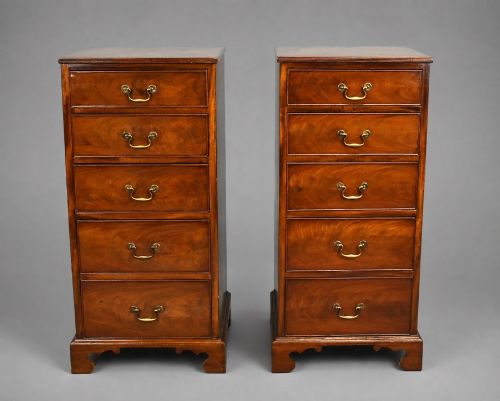
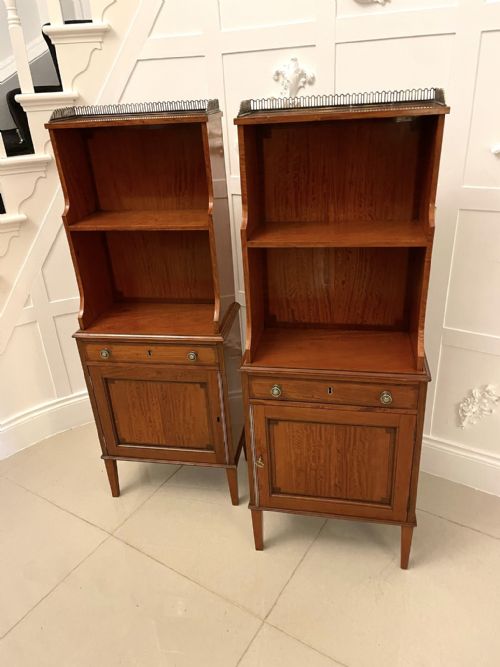
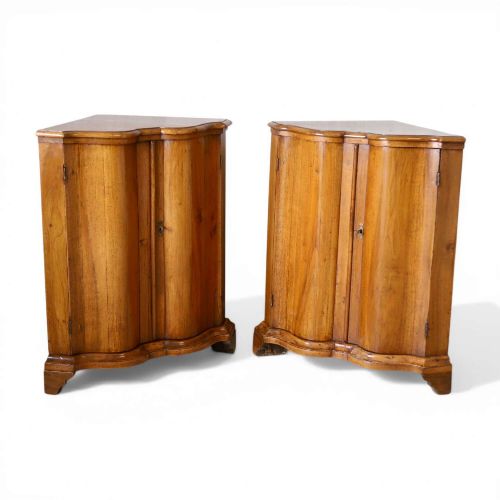
Buyers seeking this phrase encounter various configurations, from compact bedside chests and tray top commodes to corner cabinets and tambour front designs, alongside later revival interpretations.
Originating primarily from English workshops, these pieces reflect the domestic requirements of period bedrooms and private chambers through dual matching forms.
Materials and construction techniques
Cabinet makers utilised dense hardwoods, predominantly solid mahogany and walnut, often applying flame mahogany veneer or satinwood to visible surfaces for decorative contrast.
Joinery techniques relied on traditional dovetailed drawer construction and mortise and tenon frames, while hardware incorporated cast brass handles and hinges.
Secondary timbers such as oak or pine appear on interior elements and drawer linings, demonstrating period workshop practices.
Listings feature mahogany, satinwood, walnut, and rosewood across Georgian, Regency, and Edwardian revival periods.
Distinctions in quality
Quality rests in the crispness of timber figure, such as well-matched flame mahogany veneers or intricate marquetry inlay, compared to plain or mismatched grain patterns.
Structural integrity separates standard utilitarian pieces from exceptional examples, seen in the retention of original brass hardware, stable joints, and finely proportioned mouldings.
Gillows·Holland and Sons·Chippendale
The Georgian Cupboard Pair Glossary
- Pot cupboard
- A small enclosed bedside cabinet designed originally to house a chamber pot. These compact units usually feature a single door above a small enclosed space.
- Tambour front
- A flexible sliding shutter formed from narrow vertical strips of wood glued to a canvas backing. This mechanism allows access to tight spaces without swinging doors.
- Tray top
- A raised gallery edge surrounding the top surface of a small table or cabinet. This feature prevents items from rolling off the surface.
- Satinwood
- A pale, lustrous exotic timber utilised for fine cabinetmaking and decorative stringing. It provides a bright contrast against darker woods like mahogany.
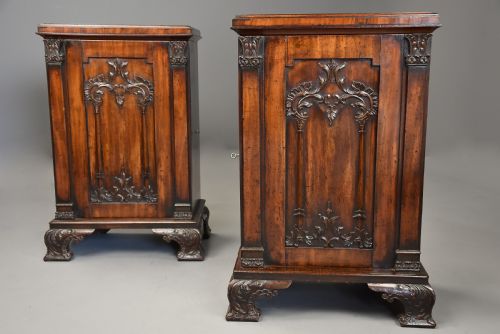
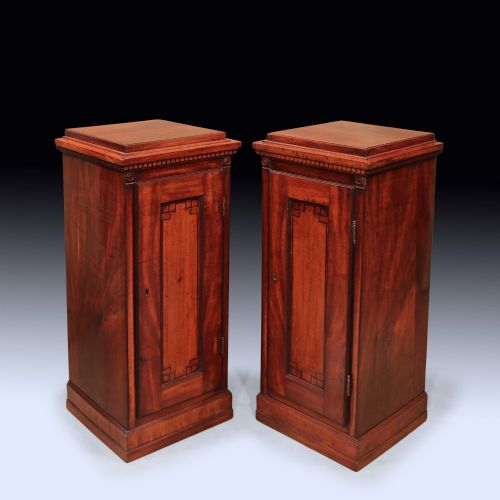
- Pedestal cupboard
- A tall, freestanding columnar cabinet with an internal compartment. Pairs of these often served specific placement flanking beds or doorways.
Georgian Cupboard Pair: Frequently Asked Questions
What is a georgian cupboard pair used for?
These matched pairs serve primarily as bedside tables or small storage cabinets within a bedroom or drawing room. Their enclosed compartments provide concealed storage for personal items while maintaining symmetrical placement on either side of a bed or focal point.
Historically, specific forms like pot cupboards or tambour front commodes held chamber pots or night essentials. Today, they function practically to support lamps and bedside books while adding period character to domestic interiors.
How do I tell original Georgian from revival pieces?
Distinguishing original eighteenth-century pieces from later revival items requires examining construction marks, timber ageing, and secondary woods. Original examples exhibit hand-cut dovetails, tool marks consistent with period hand planes, and timber shrinkage appropriate to age.
Revival pieces, such as those from the Edwardian era or the 1920s, often utilise machine-sawn elements, uniform secondary woods, and standardised hardware fittings. Comparing interior drawer linings and backboards helps clarify the manufacturing period.
Are matched pairs always made together?
Many pairs listed as matching units started as two separate single pieces brought together by dealers due to identical dimensions, timber, and style. These are often described as close matched pairs.
True pairs were constructed concurrently in the workshop to furnish a specific room with identical grain patterns and wear characteristics. Examining the interior construction and timber species reveals whether two cabinets originated from the same bench.
How do I care for antique mahogany cabinets?
Maintaining mahogany and walnut furniture involves protecting the surface from direct sunlight and excessive humidity fluctuations. Regular dusting with a dry, soft cloth prevents particulate buildup without harming the polished finish.
Application of traditional wax polish helps nourish the timber and maintain its natural lustre over time. Avoid placing damp or hot items directly on antique veneered surfaces to prevent marking the grain.