


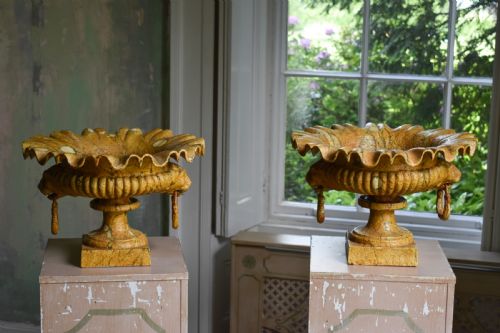
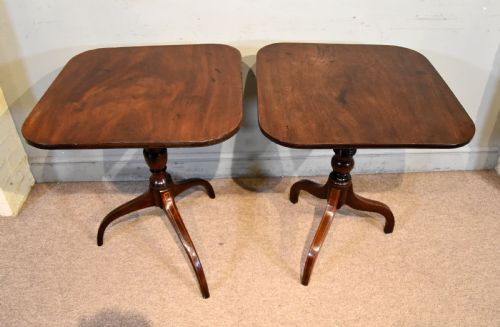


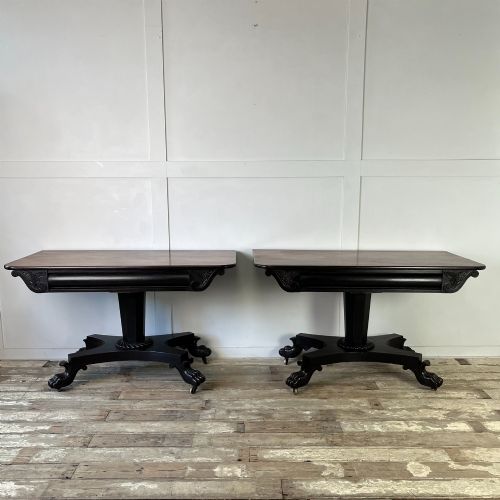
Pair Regency Pedestals
Pair regency pedestals bring balanced symmetry to a room, offering elevated display surfaces rooted in classic design.
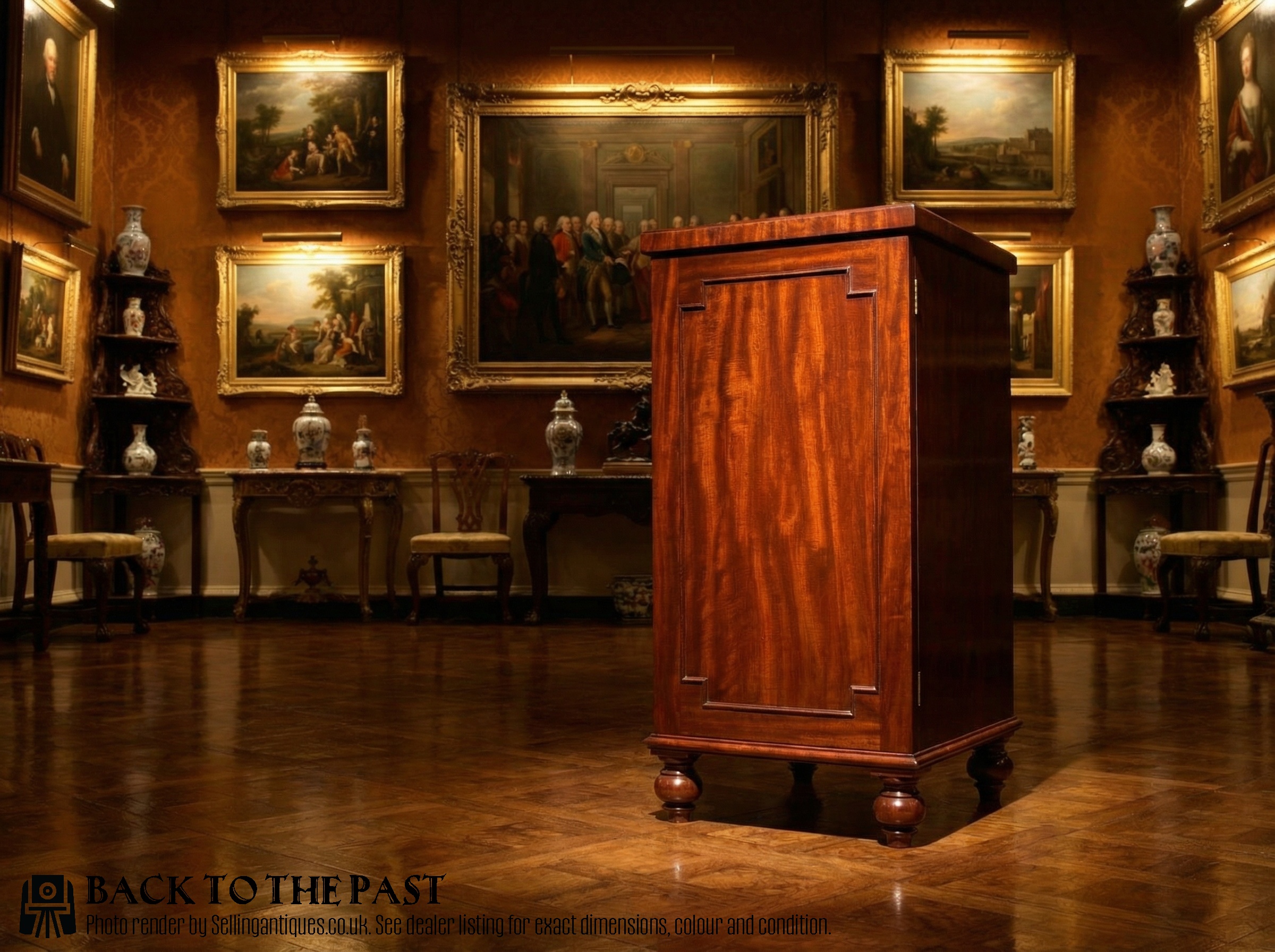
Pair Regency Pedestals
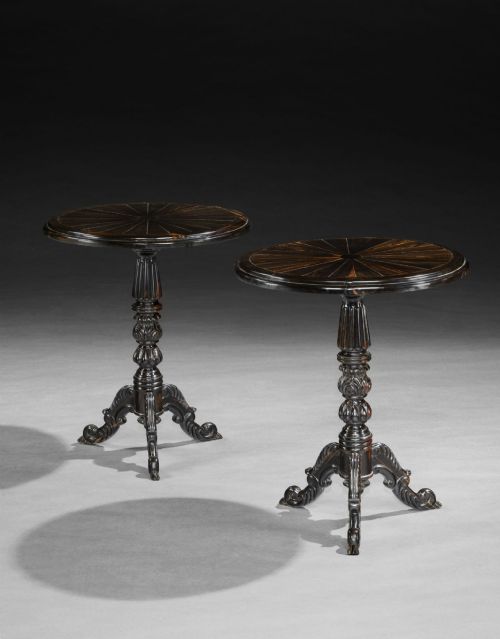
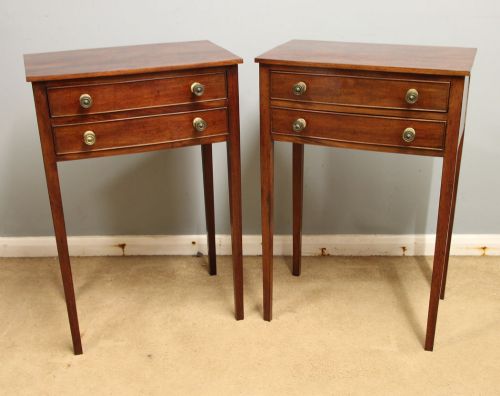
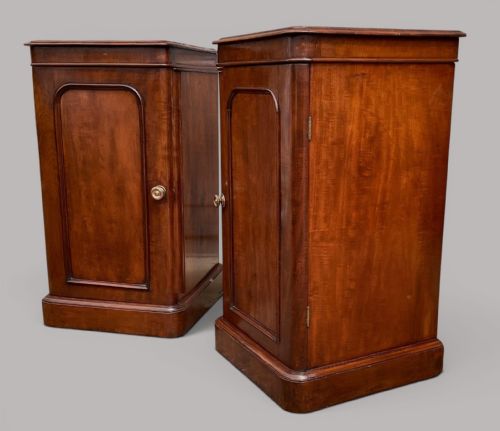
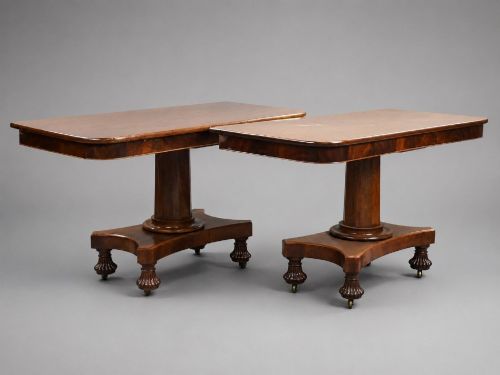
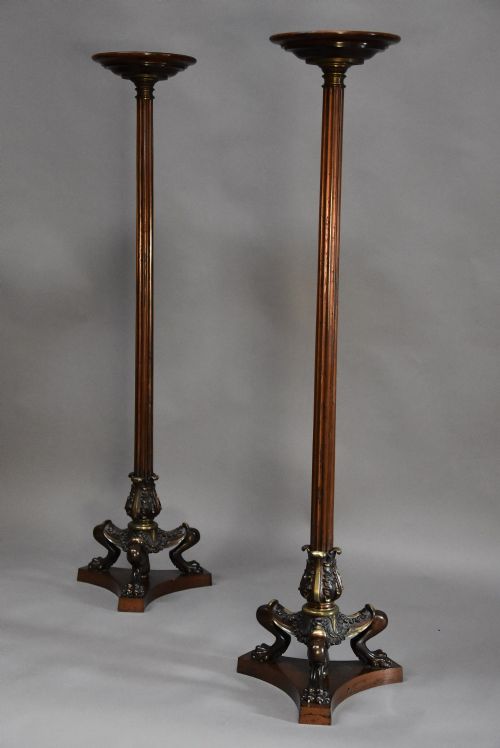
Pair regency pedestals encompass matching architectural supports, columns, and side cabinets designed to balance a room. The selections span the Regency era alongside later revivals, drawing on forms like tripod tables, side cabinets, and torcheres.
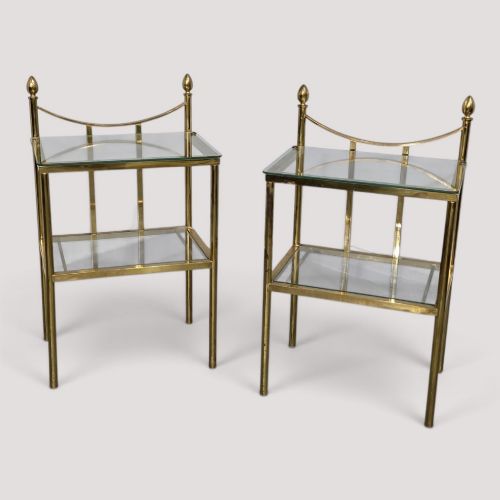
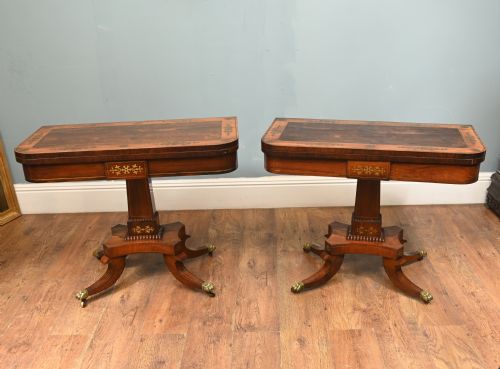
Makers and workshops of the period utilised rich timbers such as mahogany and rosewood, occasionally incorporating brass inlay or ebonised wood details. Buyers frequently encounter forms intended for display, dining illumination, or bedside utility.
The objects reflect Neoclassical influence, ranging from austere classical campana shapes to ornate architectural columns. These dual forms serve both practical placement and symmetrical display in traditional interiors.
What varies in quality
The calibre of timber selection dictates much of the visual weight, with dense, finely figured flame mahogany or choice rosewood marking superior examples. Execution of brass inlay and cast bronze mounts separates standard production from workshop pieces attributed to known cabinetmakers.
Proportion and structural integrity define the remaining distinction, as crisp architectural moulding and stable tripod or column construction indicate expert craftsmanship. Original surfaces and patination preserve the integrity of the piece far better than later interventions.
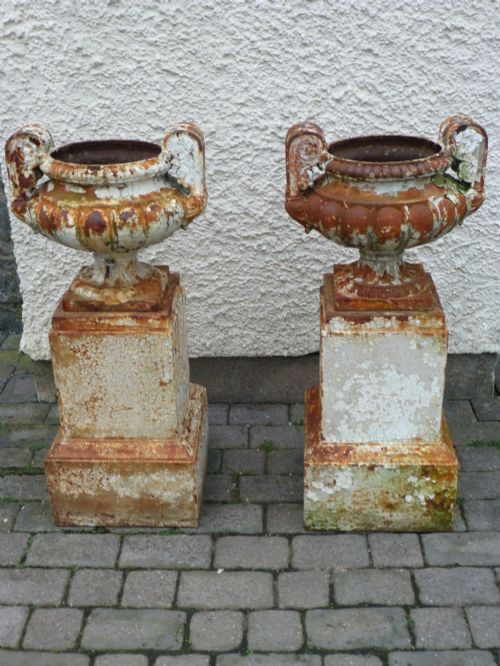
Some nineteenth-century cast iron urn pedestals were sturdy enough to weather grand garden terraces before finding retirement indoors.
Holland and Sons·George Smith·Thomas Hope·Gillows·James Mein of Kelso·Falkirk Carron foundry
The Pair Regency Pedestals Glossary
- Ormolu
- Gilded bronze ornamentation applied to furniture and decorative objects. This technique was widely utilised during the Regency period to accent dark timbers.
- Torchere
- A tall ornamental stand designed to support a lamp or candle. These pieces provide vertical punctuation within a room scheme.
- Cassolette
- A vessel shaped like a vase, often functioning as a perfume burner or decorative urn. Classical examples appear in bronze during the early nineteenth century.
- Tripod table
- A small occasional table supported by a pillar above three legs. They offer stable placement on uneven historic flooring.
- Flame mahogany veneer
- Thin slices of timber cut from wood where branches meet the trunk, yielding a rippled, flame-like grain. Cabinetmakers arranged these symmetrical patterns across table tops and cabinet doors.
Pair Regency Pedestals: Frequently Asked Questions
How were pair regency pedestals originally used?
These matched supports served practical roles in dining rooms, libraries, and drawing rooms as plant stands, urn bases, or general display surfaces. Wealthy households placed them symmetrically to frame doorways, fireplaces, or sideboard recesses.
They also held lighting or served as pedestals for classical sculptures and large decorative vessels, contributing to the balanced aesthetic of the interior.
How can I tell genuine Regency pieces from later revivals?
Examination of timber shrinkage, secondary woods, and hand-cut joinery helps distinguish period items from nineteenth or twentieth-century copies. Regency pieces typically exhibit older patination and construction methods consistent with early nineteenth-century cabinetmaking.
Revival pieces often display machine-made uniformity or timber treatments characteristic of later manufacturing eras like the Edwardian period or nineteen-thirties.
Where should I place these pedestals in a modern home?
Pair regency pedestals suit flanking positions in hallways, living rooms, or dining spaces where symmetry enhances the room architecture. They function effectively as lamp tables or display surfaces for ceramics and sculpture.
Their narrow footprint allows them to occupy awkward corners or wall spaces without overwhelming the surrounding layout.
What maintenance do rosewood and mahogany surfaces require?
Polishing with traditional beeswax preserves the moisture and rich colour of antique mahogany and rosewood without building up synthetic residues. Avoiding direct sunlight prevents timber fading and veneer lifting.
Gentle dusting with a soft cloth keeps the carved details and brass inlays clear of grit that might scratch the polished finish.