

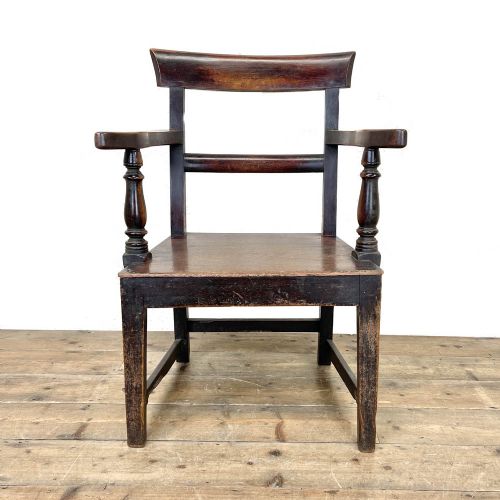
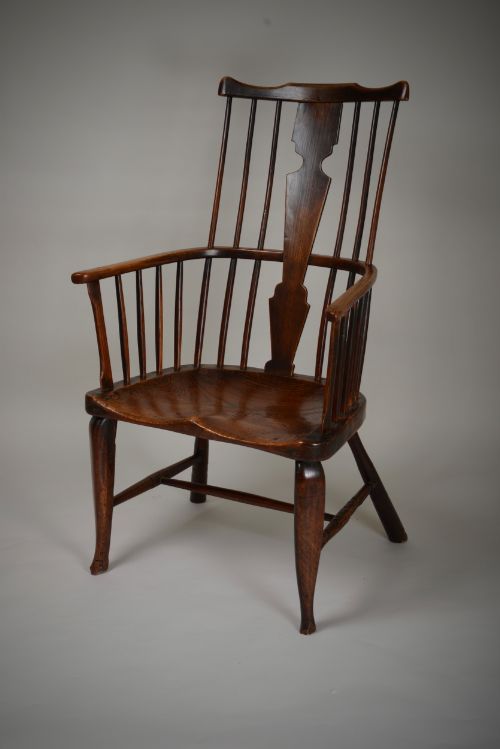
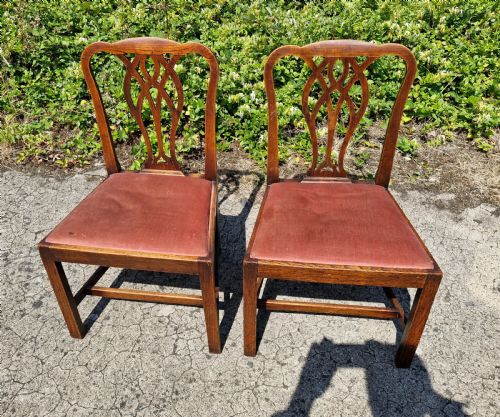
Georgian Country Dining Chairs
Georgian country dining chairs bring rugged provincial character to a room, offering sturdy elm, oak, and ash frames built for daily use.
What they are
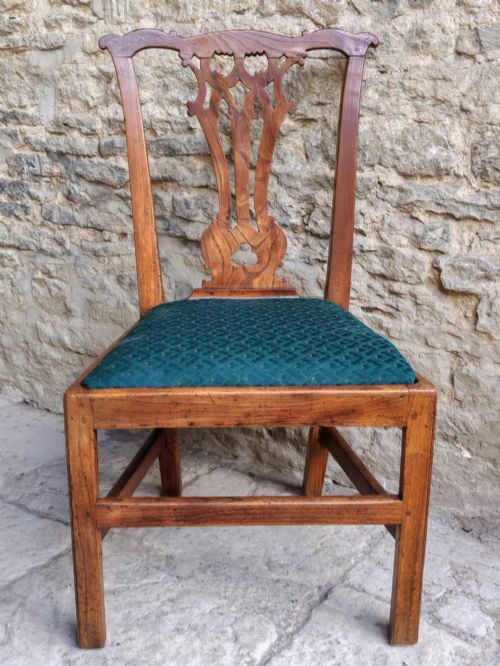
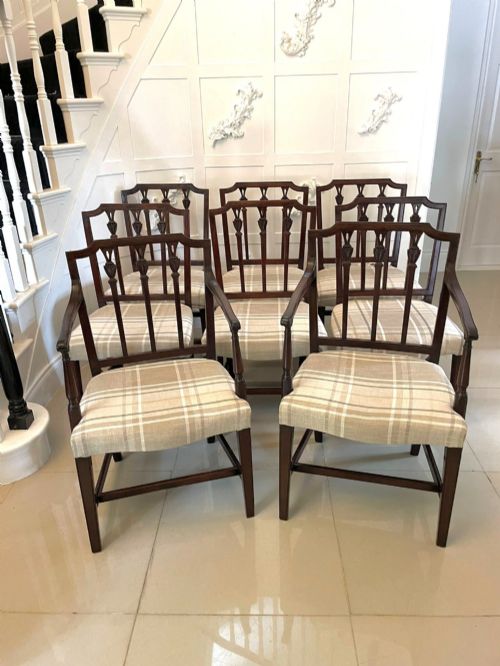
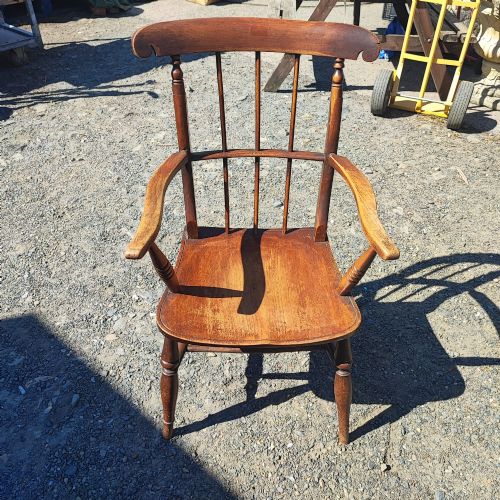
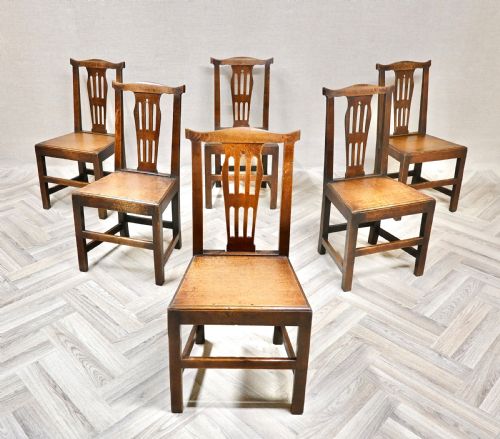
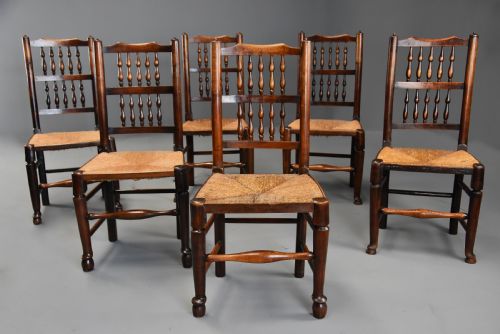
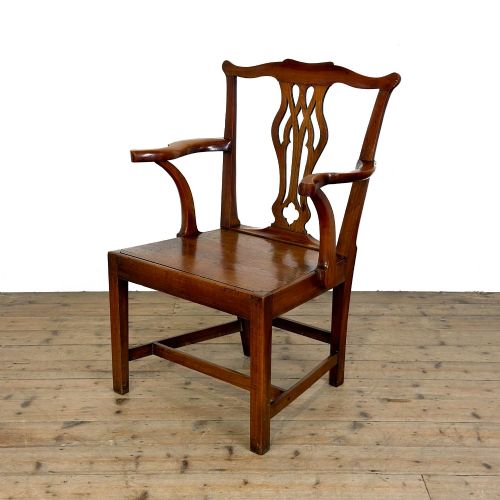
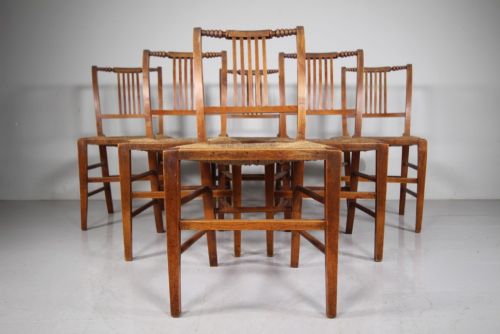
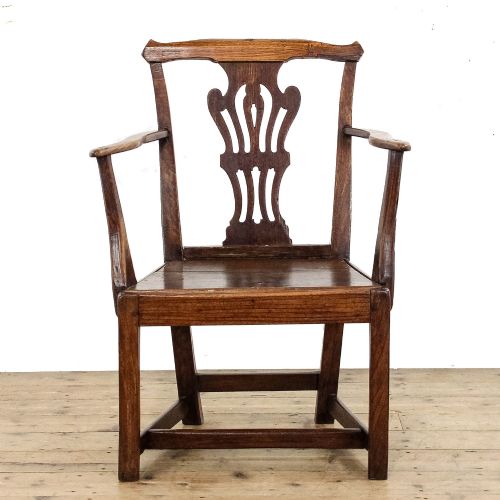
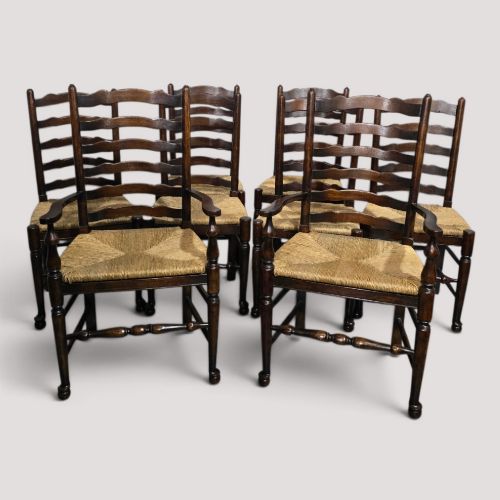
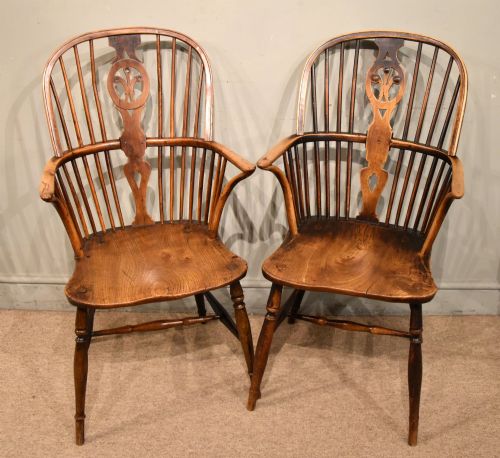
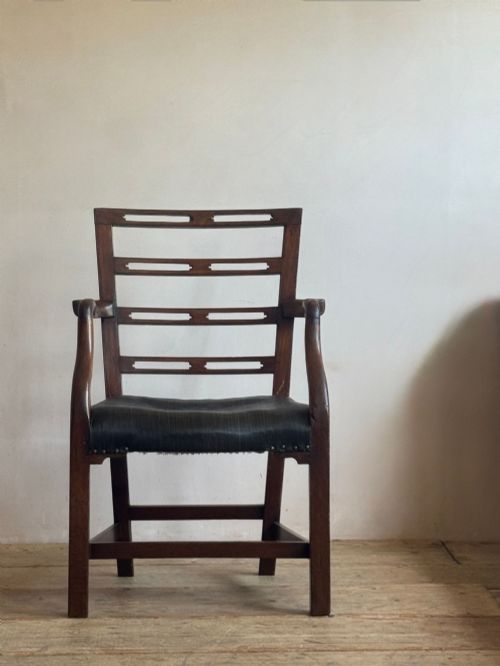
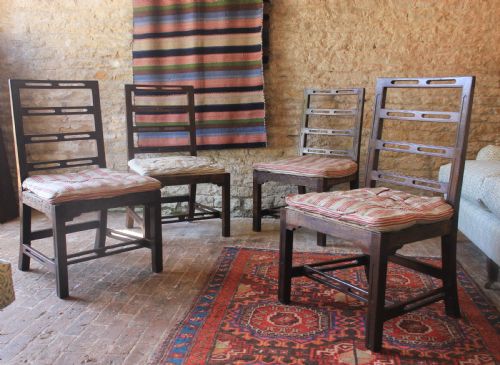
The most common versions met on this page are constructed from elm, oak, and ash, frequently featuring rush seats or simple wood bases. Sets appear alongside pairs and singles, with spindleback, ladderback, and vernacular Chippendale or Hepplewhite derivations dominating the selection.
How they were made
Provincial joiners and turners relied heavily on locally available timbers, combining elm for seats due to its interlocking grain with ash or oak for turned spindles, legs, and structural framing. Fruitwood and mahogany also appear in regional interpretations.
Construction techniques prioritized durability over fine cabinetmaking, utilising pegged mortise and tenon joints, shaped solid timber seats, and turned components produced on pole lathes by rural craftsmen.
Retail Price Guide 2026
Typical UK retail prices for georgian country dining chairs, calculated from the Sellingantiques database of over a million retail prices indexed since 2003. This retail price guide relies exclusively on Sellingantiques data; no external sources or auction records are used, so the figures do not describe the wider market.
Listings feature elm, oak, ash, fruitwood, and mahogany materials across Georgian and Regency periods.
What varies in quality
Quality rests upon the integrity of the timber selection and the degree of original survival, particularly where seats and structural stretchers meet daily wear. Heavier gauge elm and crisp turning on spindle backs distinguish superior regional examples.
Proportion and comfort elevate certain pieces above standard vernacular output, as does the retention of matching sets over married groups assembled later in domestic history.
The Georgian Country Dining Chairs Glossary
- Spindleback
- A chair back constructed from multiple thin turned uprights fitted between a top rail and seat. This form remains common in vernacular farmhouse seating.
- Vernacular
- A style of object built by local craftsmen using traditional regional methods rather than following strict London design patterns. These pieces reflect local material availability.
- Rush seat
- A seating surface woven from dried marsh rushes twisted into cords. It provides a resilient and traditional base on provincial chairs.
- Chippendale country
- A provincial interpretation of Thomas Chippendale's published furniture designs, executed by local makers with simplified splats and sturdy proportions. It bridges formal style with rural utility.
- Ladderback
- A chair back featuring a series of horizontal arched slats between two upright posts. This traditional construction offers robust support.
Frequently Asked Questions
How do I spot a matched set?
Examine the timber grain, turning variations, and overall dimensions across the group to ensure the components originated from the same workshop bench. Provincial sets often grew over time as households expanded.
Look closely at joinery methods and wear patterns underneath the seats. Consistent tool marks and uniform ageing help confirm whether chairs belonged together originally.
Were these used in kitchens?
Many provincial chairs served arduous daily duties in farmhouses, kitchens, and domestic offices where durability mattered more than fine polish. Their robust construction handled heavy household use.
Simpler regional forms with rush or wood seats survived generations of practical service in rural spaces before entering collections.
Are rush seats original?
Rush seating requires periodic renewal due to natural wear from sitting and atmospheric changes. Many surviving examples have been re-woven during their long histories.
Inspect the cord tension and framing integration to gauge the standard of past restoration work on the seat base.
How do I date regional chairs?
Dating relies on comparing regional stylistic quirks, turning profiles, and construction wear against documented examples from the eighteenth and early nineteenth centuries. Provincial makers often lagged behind London fashion changes.
Subtle shifts in crest rail shapes and leg profiles help narrow the period of manufacture when maker marks are absent.