


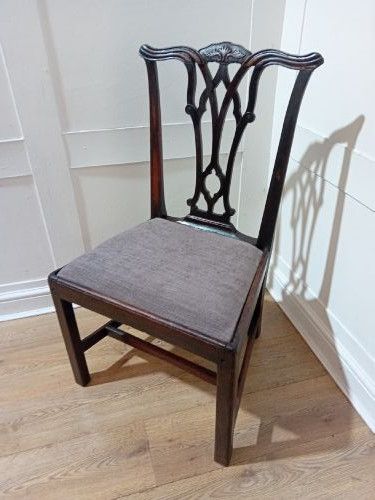
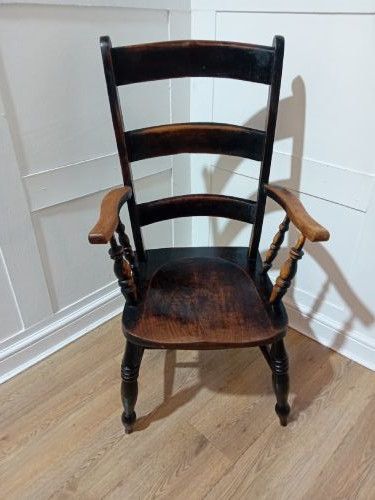
Antique Wooden Seat Chairs
These antique wooden seat chairs span formal mahogany dining rooms and rustic elm country kitchens, offering solid construction built for daily use.
Antique Wooden Seat Chairs
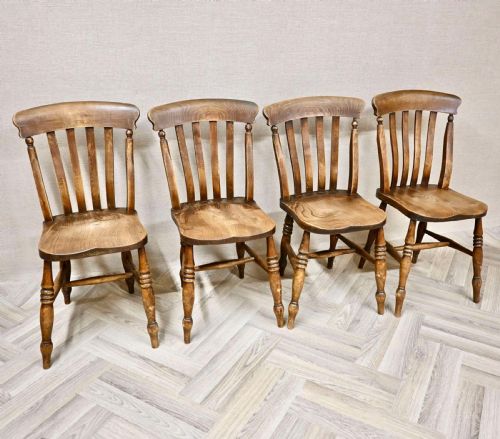
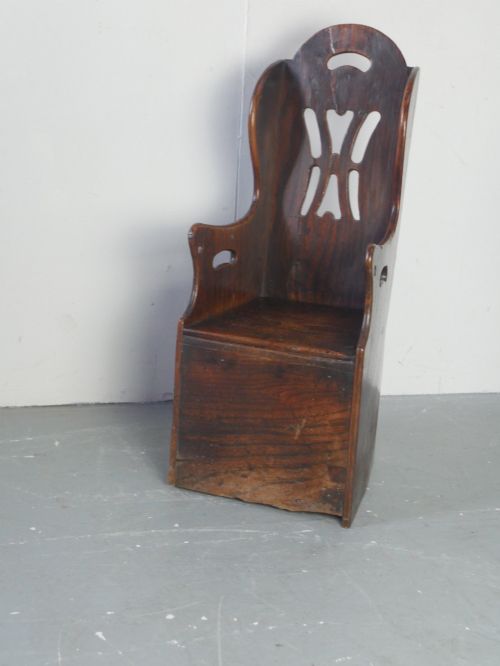
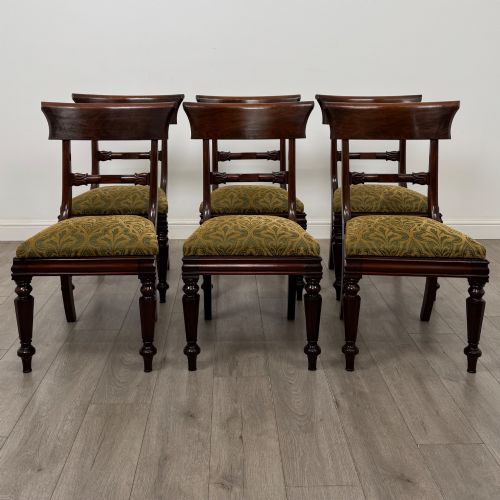
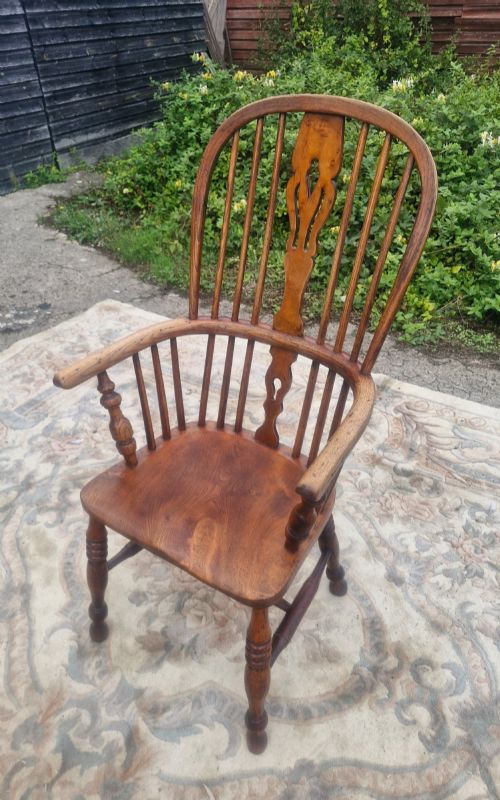
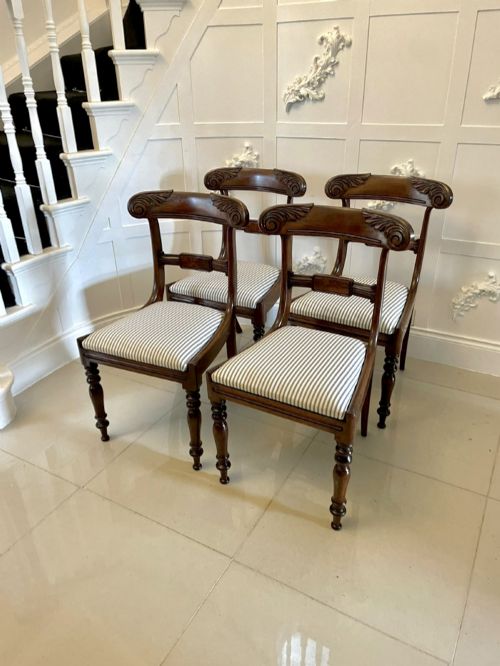
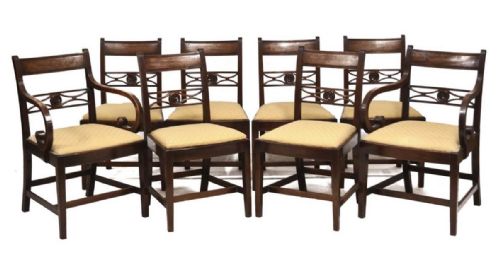
The most common examples on this page are nineteenth-century country farmhouse chairs in elm and beech, alongside mahogany dining chairs from the Georgian and Victorian periods. These pieces range from simple rush-seated ladderbacks to carved library and desk seats.
Materials and Construction
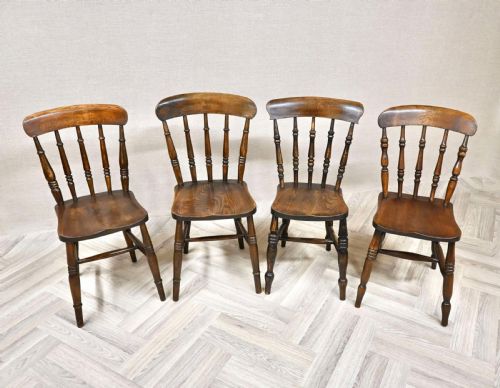
Cabinet makers and local joiners utilised native hardwoods such as oak, ash, beech, elm, and imported mahogany to build these seats. Country forms often combine bent wood bows and spindles with carved elm saddles, whilst formal dining sets employ mortise and tenon joinery.
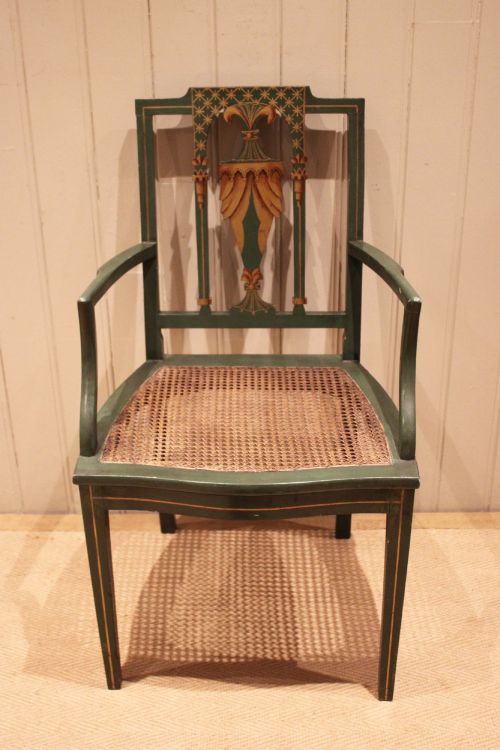
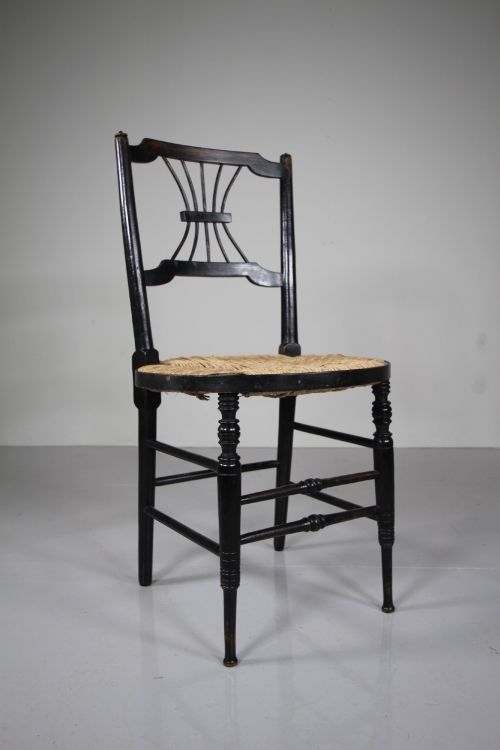
Surfaces are finished with natural polishes, wax, or original paint layers that preserve the grain of the timber. Seats are constructed from solid wood planks, woven rush, or cane panels integrated directly into the wooden frames.
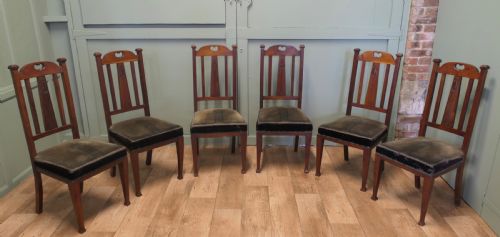
Arts and Crafts examples on the page feature exposed joinery and rush seating associated with the early twentieth century.
Evaluating Quality
The distinction between ordinary and superior examples lies in the selection of timber and the crispness of the carving or turning. Dense grain patterns in mahogany or well-figured elm seats indicate careful material selection by the maker.
Structural integrity and the retention of original finish dictate the standing of a piece. Examples that retain their initial surface patination without excessive timber replacement command greater interest from collectors.
William Morris·Rossetti·Liberty Morris & Co
The Antique Wooden Seat Chairs Glossary
- Windsor
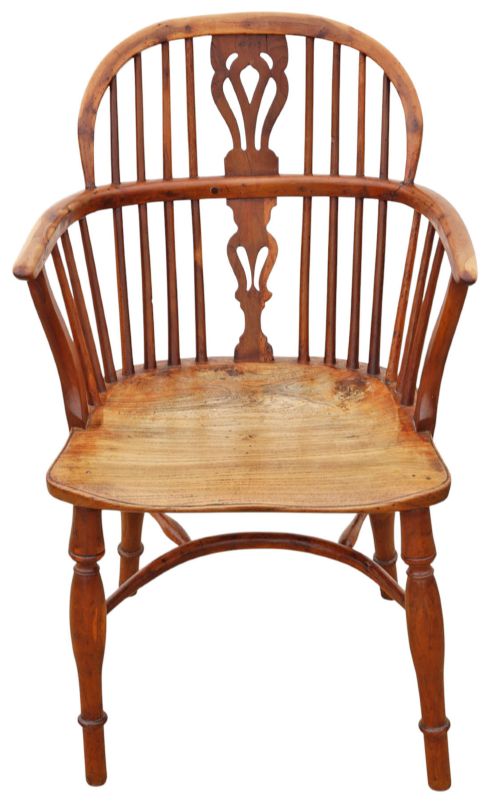
- A traditional chair featuring a solid wooden saddle seat into which the legs and back spindles are wedged directly. These country forms often incorporate bent ash bows and elm seats.
- Carver
- An armchair, typically designed to match a set of single dining chairs and placed at the head of the table. They frequently feature open elbow rests.
- Ladderback
- A chair back constructed with horizontal wooden slats between the upright stiles. This traditional rural design often accommodates rush or tapestry drop-in seats.
- Hall chair
- An upright wooden seat designed for an entrance hallway, usually lacking upholstered padding and featuring a solid timber panel back. These often display carved crests or painted armorial bearings.
- Stile
- The upright vertical side post of a chair back into which the rails and splats are tenoned. Their thickness and shaping indicate the period of manufacture.
Antique Wooden Seat Chairs: Frequently Asked Questions
How do I identify a Windsor chair?
Windsor chairs are characterised by a solid sculpted wooden seat into which independent legs and back spindles are bored. They frequently combine different timbers, using ash for bent components and elm for the seat.
Look for the distinct central splat or a stick-back arrangement framed by a steam-bent bow. These robust country seats were produced in large numbers across the Thames Valley and northern regions.
Were these chairs used for dining?
Many examples on this page served as formal dining seating in Georgian and Victorian households. These matched sets or larger suites were arranged around large mahogany tables.
Other forms, such as hall chairs and side chairs, were intended for reception rooms or entryways rather than prolonged sitting at a dining table.
How should I care for antique wooden seats?
Maintain the timber by applying traditional beeswax sparingly to nourish the dry wood grain. Keep wooden chairs away from direct heat sources and sudden temperature shifts to prevent splitting.
Avoid excessive moisture during cleaning and use a soft, dry cloth to remove dust from carved details and turned spindles.
What is the difference between an elm and mahogany seat?
Elm seats typically appear on country Windsor and kitchen chairs, displaying a heavy, interlocked grain pattern and a warm golden-brown tone. They were chosen for their toughness and resistance to splitting under pressure.
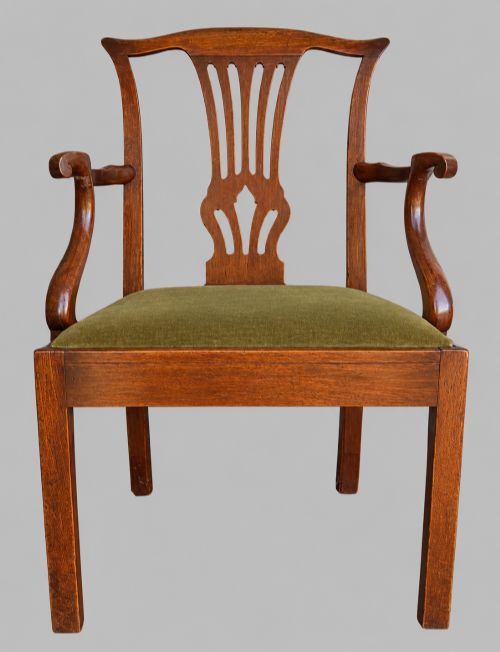
Mahogany was reserved for formal dining and library chairs, offering a dense, dark reddish-brown surface that takes a fine polished finish and accepts sharp carved details.