




Victorian Bar Back Chairs
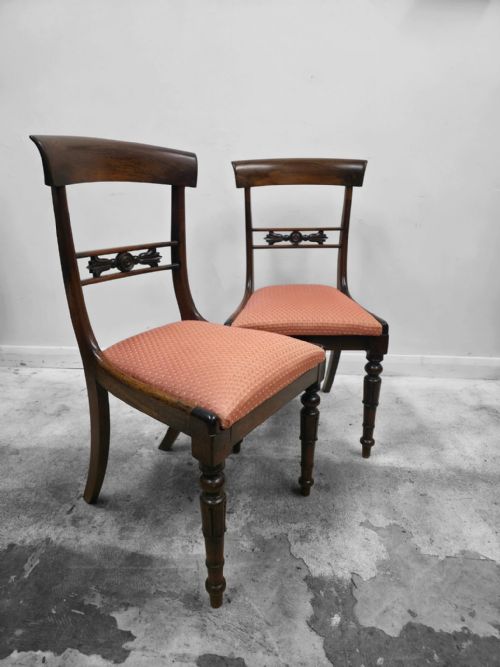
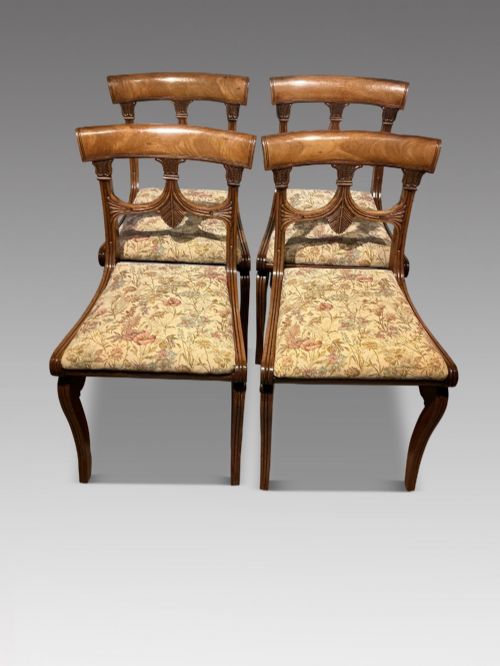
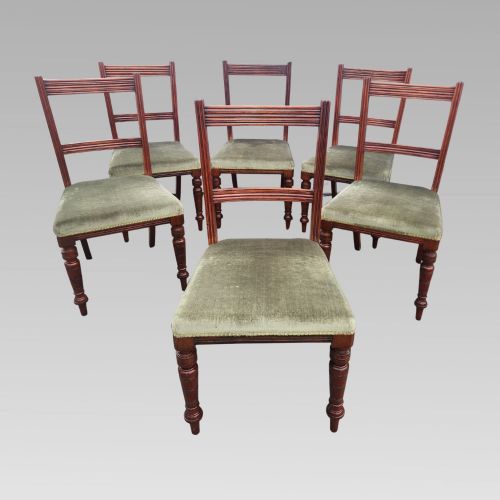
These robust victorian bar back chairs combine functional timber frames with horizontal splats, offering sturdy everyday seating steeped in nineteenth-century history.
Victorian Bar Back Chairs
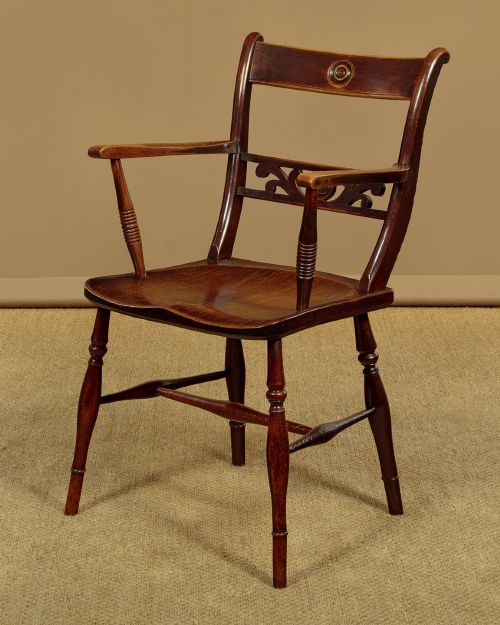
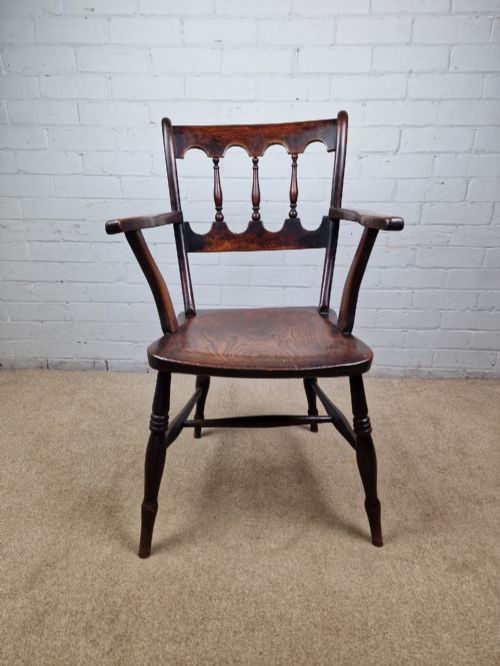
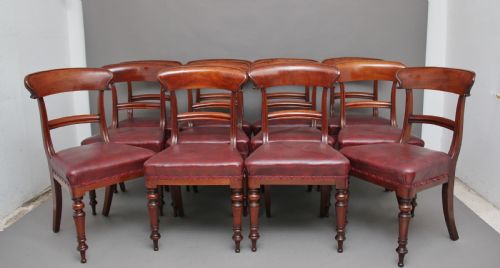
The selection ranges from pairs and small quartets to large sets intended for extended dining tables. Alongside standard dining chairs, the category includes occasional armchairs, carvers, and regional Windsor variations originating from East Anglia.
Period examples span the nineteenth century, encompassing early variations influenced by Regency designs through to later revival styles. Their straightforward construction makes them practical for daily use around a modern dining table.
Materials and construction
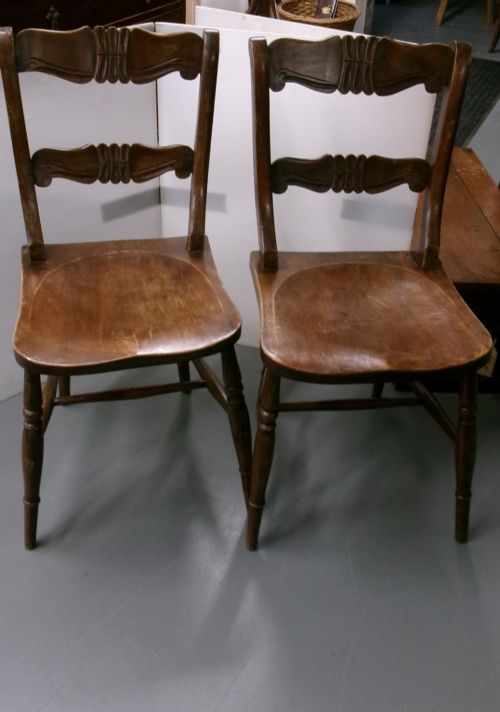
Makers relied heavily on dense hardwoods such as mahogany for formal dining furniture, utilising its strength for slender turned legs and carved crossbars. Regional kitchen and Windsor variants frequently combined elm seats with ash or beech spindles and bentwood elements.
Upholstery methods varied from overstuffed drop-in pads covered in velvet, leather, or tapestry fabric to simple wooden seats. Joinery relied on traditional mortise and tenon techniques to ensure the horizontal back rails withstood regular pressure.
Victorian Bar Back Chairs Retail Price Guide 2026
Typical asking prices for victorian bar back chairs among the pieces listed under this phrase on Sellingantiques today, from the lower quarter to the upper quarter. They describe what is for sale here now, not the wider market.
The archive includes both formal mahogany dining sets and provincial ash and elm Windsor armchairs.
Judging timber and execution
The quality of victorian bar back chairs is determined by the selection of timber and the precision of the joinery in the back rail assembly. Superior examples display carefully matched wood grain across a set, with crisply executed carvings on the crossbars rather than soft, moulded details.
The integrity of the frame construction dictates longevity, particularly where the legs meet the seat rails. Sets that retain their original proportions and structural firmness without excessive reinforcement represent the highest tier of craftsmanship.
James Reilly
The Victorian Bar Back Chairs Glossary
- Bar back
- A chair featuring a horizontal wooden slat or rail across the upper backrest. This design provides robust lumbar support while allowing timber grain to remain visible.
- Windsor
- A traditional wooden chair constructed with turned legs and spindles wedged directly into a solid sculpted seat. Regional variations often incorporate the characteristic bar back form.
- Carver
- An armchair designed to match a set of dining chairs, typically positioned at the head of a table. These pieces feature integrated armrests flanking the bar back.
- Overstuffed
- Upholstery that conceals the wooden seat frame entirely beneath padding and fabric. This finish creates a cushioned profile on dining and bedroom chairs.
Victorian Bar Back Chairs: Frequently Asked Questions
How do I care for antique mahogany dining chairs?
Maintain the timber by dusting regularly with a dry cloth and applying natural beeswax sparingly to nourish the polished surface. Keep them away from direct heat sources and strong sunlight to prevent the wood from drying out or splitting over time.
Check the stability of the legs and joints periodically, as changes in household temperature can loosen older glue. If the seating is upholstered in velvet or leather, use appropriate specialist cleaners recommended for antique textiles.
Can I mix these chairs with a modern table?
The understated profile of nineteenth-century timber seating allows them to pair effectively with contemporary or minimalist dining tables. Their neutral wood tones create a balanced contrast against glass, metal, or modern wooden surfaces.
When combining older chairs with a newer table, ensure the seat height allows adequate legroom beneath the table apron. Matching the wood finish or keeping the surrounding decor cohesive helps unify different eras of furniture.
Are kitchen versions different from dining sets?
Kitchen chairs typically utilise robust domestic timbers such as elm, ash, and beech, often taking the form of Windsor or spindle-backed designs. They were built for utilitarian daily use in domestic settings rather than formal reception rooms.
Formal dining variations are predominantly fashioned from mahogany or walnut, featuring turned or sabre legs and polished finishes. While kitchen chairs offer a rustic aesthetic, dining sets provide a more uniform, refined appearance suitable for formal spaces.
How can I date nineteenth-century seating accurately?
Dating relies on observing construction methods, timber choices, and stylistic markers such as turned front legs, sabre legs, or carved splats. Early nineteenth-century pieces often reflect lingering Regency influences, while later decades introduce bolder revival motifs.
Examine the underside of the seat and joint construction for tool marks and wear patterns consistent with specific manufacturing eras. Comparing the hardware, such as original castors on bedroom chairs, also aids in establishing an approximate period of origin.