



Mahogany Bar Back Chairs
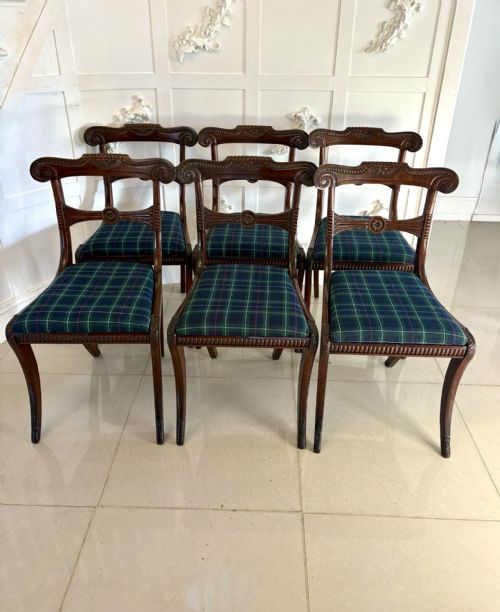
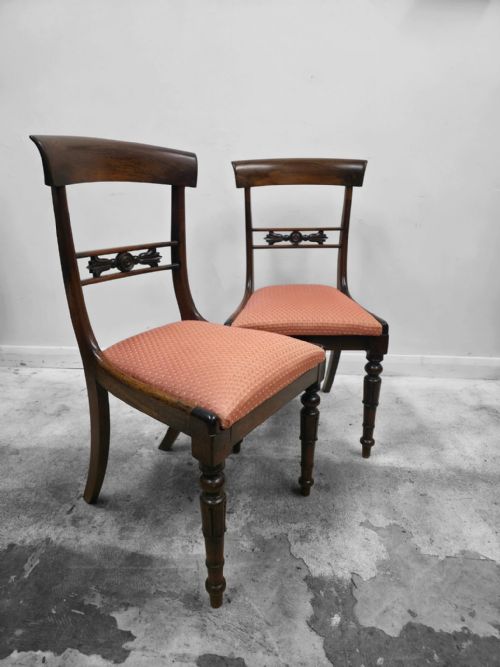
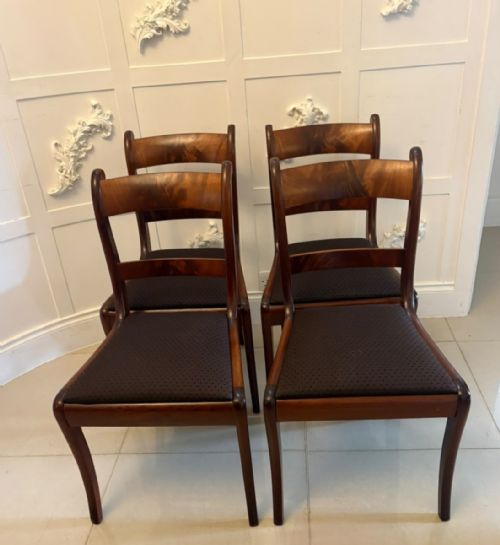
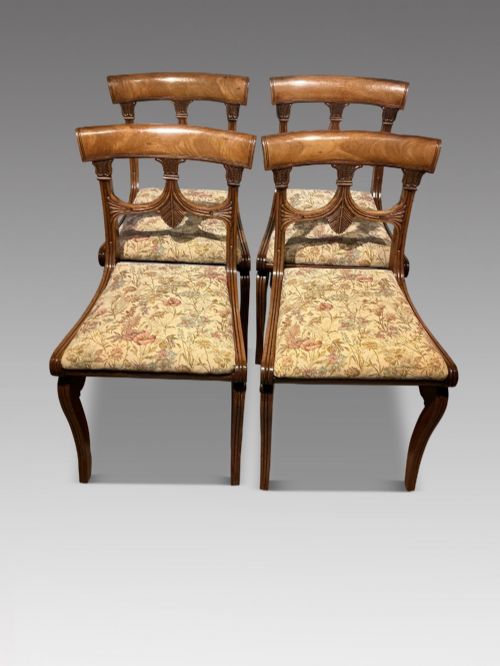
Mahogany bar back chairs offer a distinctive silhouette for the dining room, combining solid timber frames with supportive curved back rails.
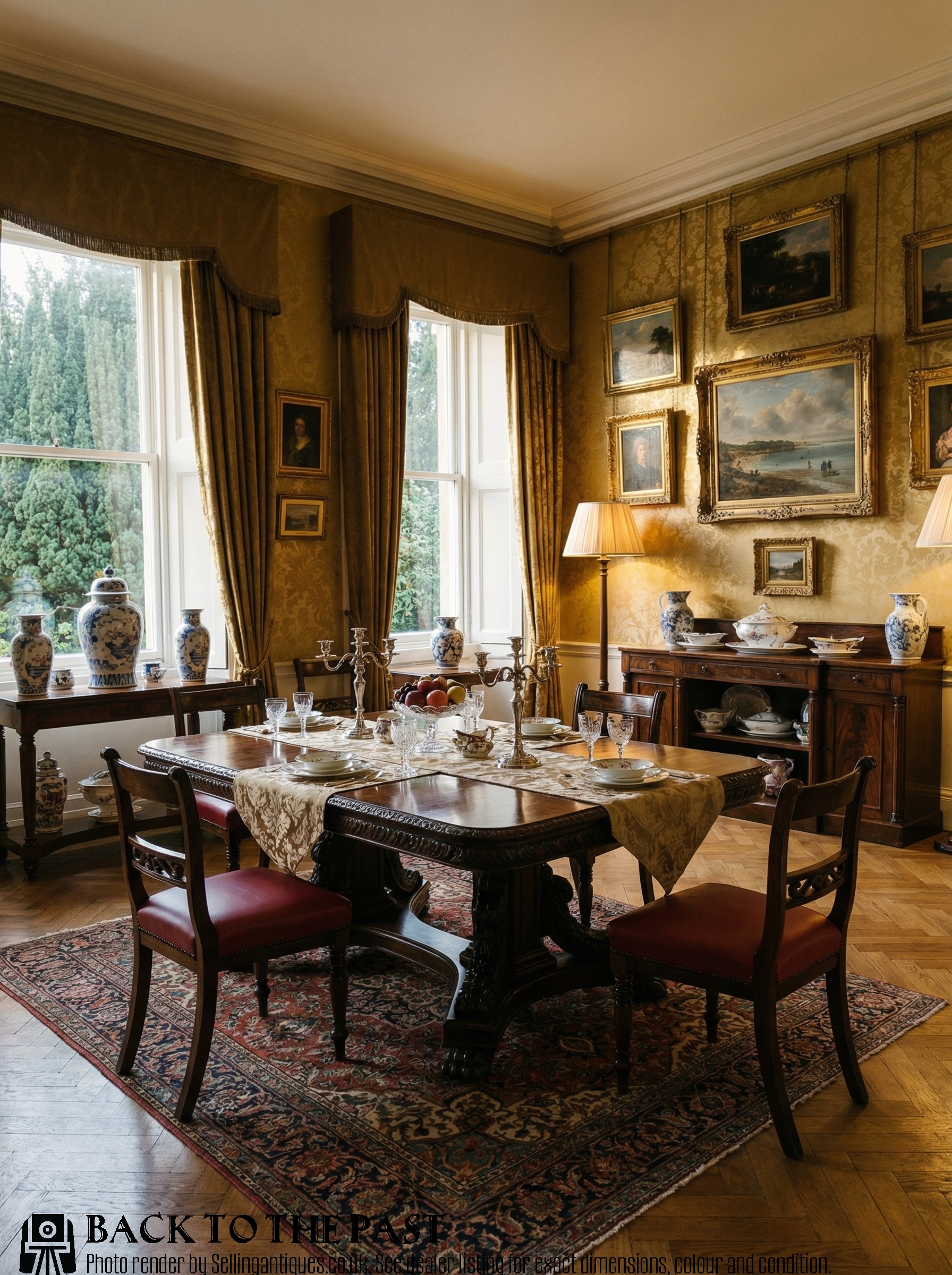
Understanding mahogany bar back chairs
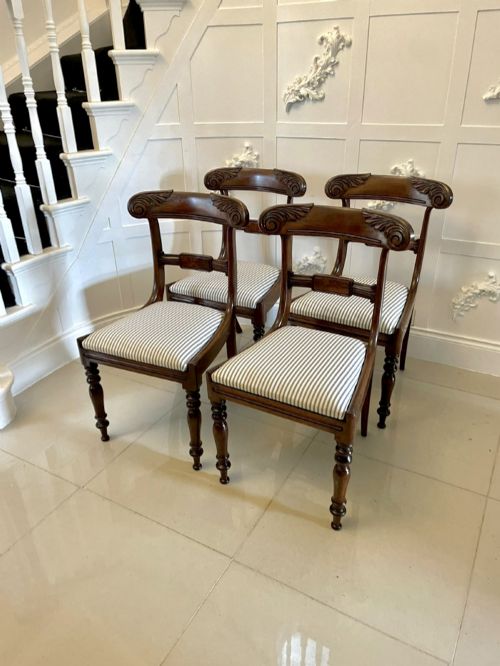
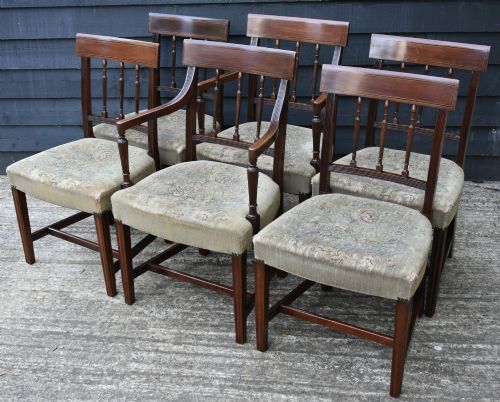
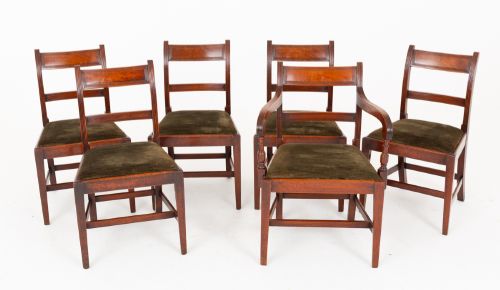
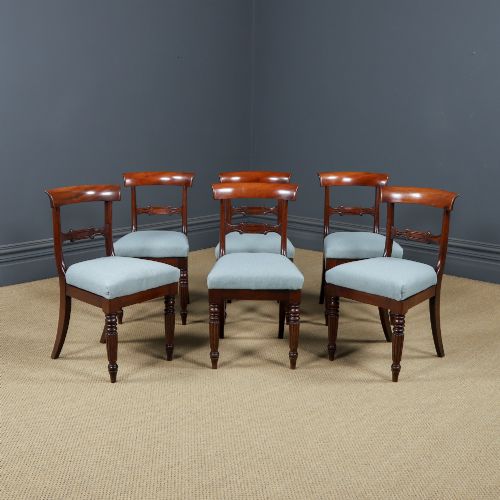
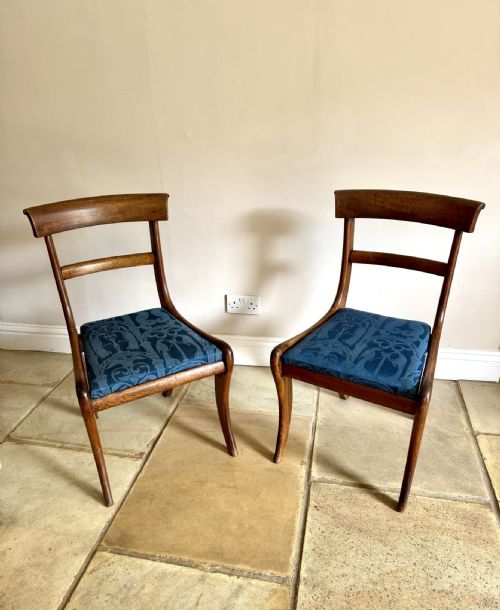
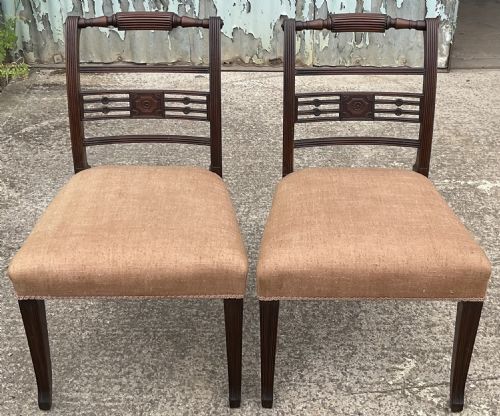
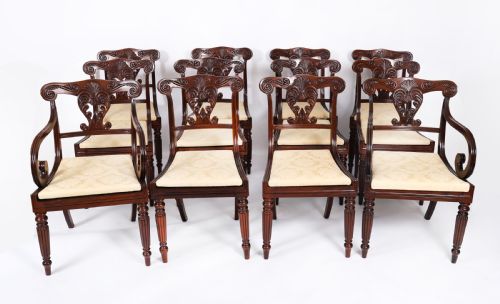
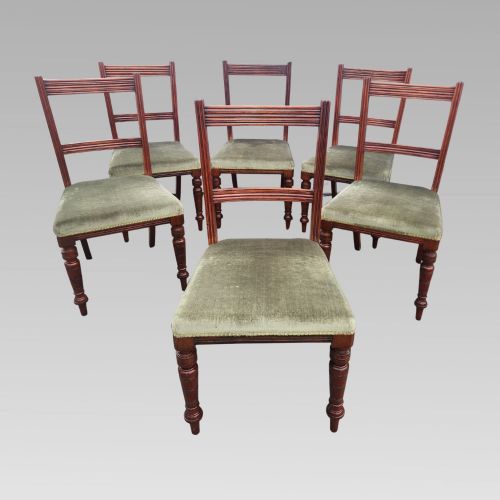
Mahogany bar back chairs are formal dining seats characterised by a horizontal wooden crossbar forming the upper backrest, often shaped to fit the contour of the spine. When searching for mahogany bar back chairs, buyers encounter dining sets and pairs originating from the George III, Regency, William IV, and Victorian periods. Most examples function primarily as side chairs for dining tables, though elbow chairs and carvers occasionally appear alongside them.
The structural design typically incorporates sabre legs or tapered legs supporting a drop-in or upholstered seat. Sets range from pairs up to twelve matching seats, reflecting formal dining traditions of the nineteenth century. These pieces bridge late Georgian elegance and heavier Victorian proportions, adapting well to traditional interiors.
Materials and construction methods
Cabinetmakers constructed these frames using dense tropical timber, frequently selecting flame mahogany veneers for the horizontal top rails to display rich grain patterns. Joinery relied on mortise and tenon joints secured with wooden dowels or corner blocks to withstand daily use at the dining table. Timber surfaces were hand-finished with shellac polish to bring out the deep reddish-brown tone of the wood.
Seats were traditionally built with webbing and stuffing covered in leather, velvet, or woven fabric, secured with brass tacks along the seat rail. Elements such as brass inlay or ebony stringing occasionally accent the main mahogany structure on select Regency and Georgian pieces.
Retail Price Guide 2026
Typical UK retail prices for mahogany bar back chairs, calculated from the Sellingantiques database of over a million retail prices indexed since 2003. This retail price guide relies exclusively on Sellingantiques data; no external sources or auction records are used, so the figures do not describe the wider market.
The archive records sets ranging from intimate pairs to twelve matching dining chairs with sabre legs.
Factors of distinction
Quality rests in the selection of the timber and the crispness of the carving on the horizontal back rail. Superior examples display carefully matched grain patterns across the set and balanced proportions in the curve of the sabre legs. The integration of structural joinery without excessive replacement parts defines the longevity of each chair.
Thick, solid mahogany frames with minimal restoration command attention from collectors seeking original nineteenth-century surfaces. Consistency across a set of six or eight chairs indicates a unified workshop production rather than assembled gatherings of similar seats.
The Mahogany Bar Back Chairs Glossary
- Bar back
- A chair design featuring a solid horizontal wooden rail across the upper backrest. This rail often curves backward for ergonomic support.
- Sabre leg
- A concave sweeping leg that curves outward toward the foot in a shape resembling a cavalry sabre. This form appears frequently on Regency dining chairs.
- Carver
- An armchair designed with elbow rests, traditionally placed at the head of a dining table. These accompany sets of matching side chairs.
- Flame mahogany
- Timber cut from the fork of the mahogany tree to reveal a distinctive flickering flame pattern. Cabinetmakers used this veneer on prominent surfaces like the top rail.
- Drop-in seat
- A removable wooden frame padded and upholstered separately before dropping into the chair seat recess. This construction method simplifies recovering.
Frequently Asked Questions
How do I date a mahogany bar back chair?
Dating relies on stylistic markers such as leg shape, timber grain, and construction techniques. Regency and George III examples show lighter proportions with sabre or tapered legs.
Victorian pieces tend to feature heavier frames and broader back rails. Comparing the secondary woods underneath often confirms the era of manufacture.
Can I mix these chairs with a modern table?
These dark timber seats pair effectively with simple contemporary dining tables to create a striking contrast. The warm reddish tones of the mahogany complement neutral modern interiors.
Ensure the seat height allows adequate clearance beneath your table apron for comfortable dining.
Were these chairs used for dining only?
While primarily built as dining seats, single chairs and pairs frequently served as desk or hall chairs in nineteenth-century homes. Their sturdy frames suited multi-purpose domestic use.
Armchairs often stood at the ends of tables or functioned as occasional seating in parlours.
What is the difference between side chairs and carvers?
Side chairs lack armrests and possess narrow frames designed to maximise seating capacity around a dining table. Carvers feature integrated elbow rests and wider proportions.
Dining sets historically combined a pair of carvers with multiple side chairs for the hosts.