




Georgian Cobalt Glass
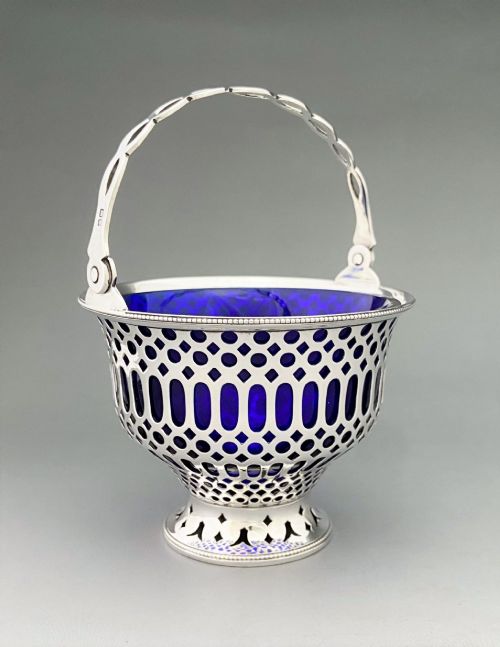
Georgian cobalt glass brings deep, rich colour to the table in the form of decanters, sugar baskets, and small vessels.
Georgian Cobalt Glass
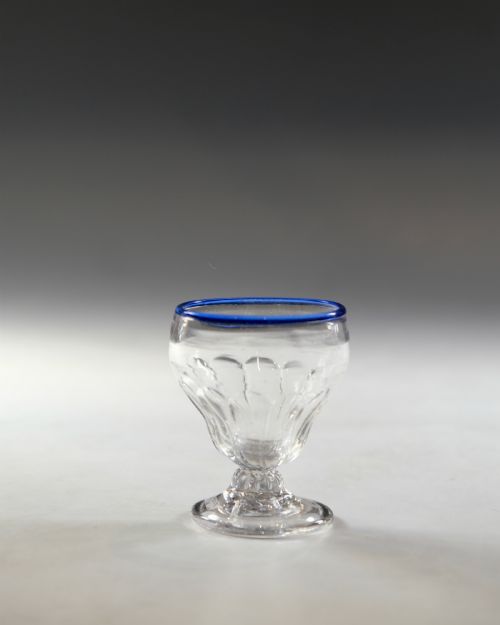
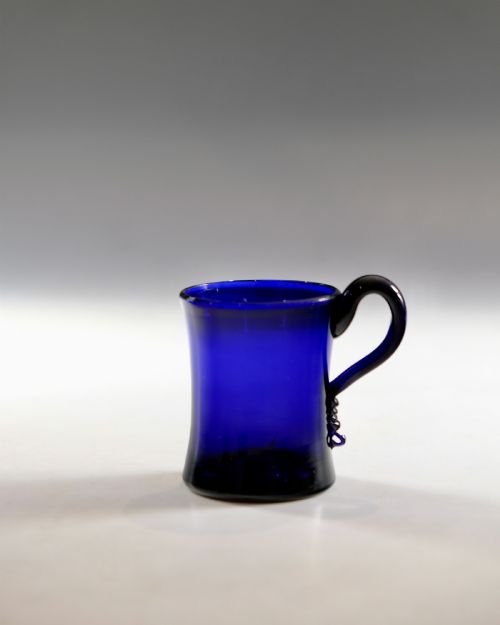
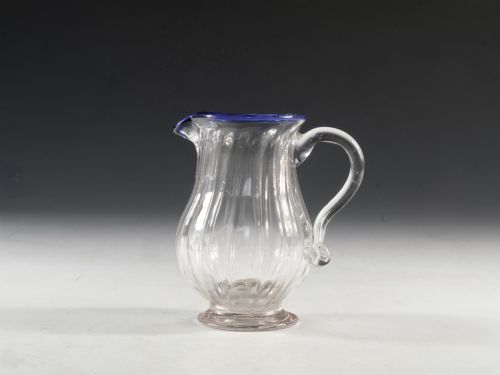
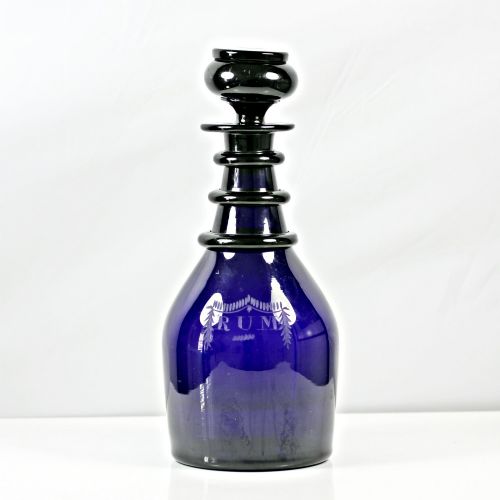
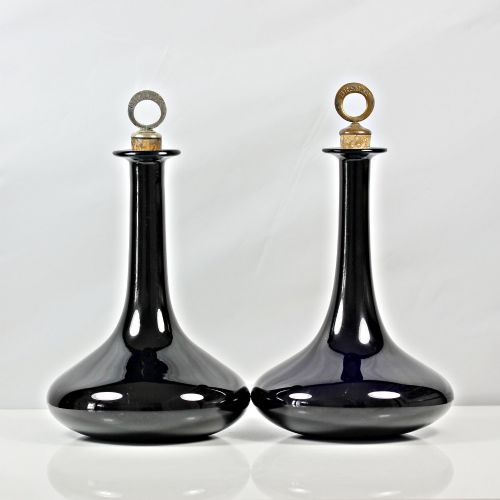
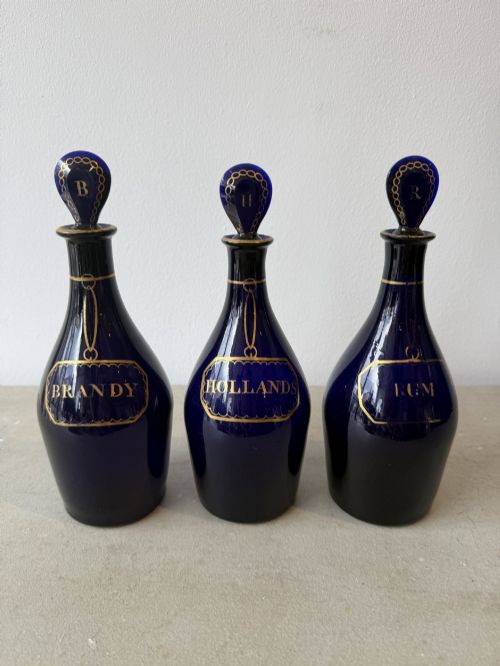
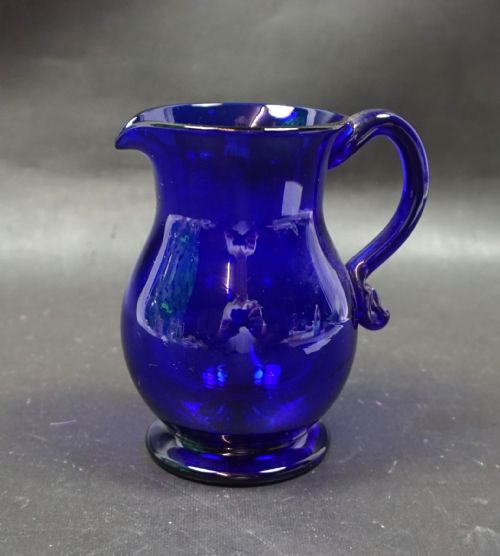
When you search for georgian cobalt glass, you encounter deep blue items spanning the eighteenth and nineteenth centuries, from the Georgian period through to the Edwardian era. These pieces include decanters, cream jugs, sugar baskets, salt cellars, egg cups, and bonnet glasses.
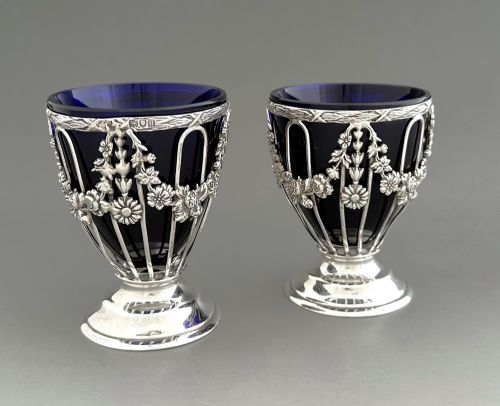
The material appears both as solid blue glassware and as blue glass liners or rims paired with sterling silver frames, wirework, and enamel. English and Irish makers produced these items in various forms, including wrythened bowls and hand-painted vessels.
The selection ranges from functional tableware items like rum decanters and mustard pots to decorative rings and patch boxes incorporating blue glass. Many items date specifically to the Georgian era around seventeen-sixty up to eighteen-thirty.
How they were made
Makers utilised lead glass and cobalt glass, often combining the deep blue material with sterling silver wirework, gold leaf, and enamel. Skilled hands shaped the molten glass into decanters, tanks, and wrythened egg cups, sometimes adding hand-painted details.
Some antique rings incorporate blue glass alongside rose-cut diamonds and pearls under poetic names like the ring of the heavens.
What varies in quality
The depth and consistency of the cobalt colour differ across items, alongside the intricacy of any accompanying silver wirework or piercing. Hand-painted decorations and the presence of original components, such as matching silver frames and glass liners, affect the character of each piece.
The fineness of the glassblowing, particularly in wrythened patterns and decanter ring mouldings, distinguishes standard tableware from more refined examples. Hallmarks and maker attributions on the silver mounts also provide context for the quality of the craftsmanship.
Aldridge & Green
The Georgian Cobalt Glass Glossary
- Cobalt glass
- Deep blue glassware coloured with cobalt oxide during production. This material defines the rich hue seen across the decanters and tableware.
- Wrythened
- Glass blown with a twisted or spiral fluting pattern. This technique creates subtle movement across the surface of cups and jugs.
- Mell decanter
- A specific shape of decanter resembling a mallet, popular for holding spirits. These often feature multiple rings around the neck.
- Bonnet glass
- A small, shallow glass bowl used historically for serving sweetmeats or fruit. They frequently sit on a footed base.
- Wirework
- Openwork metal construction made from soldered silver wires. This technique frames many of the blue glass cream pails and baskets.
Georgian Cobalt Glass: Frequently Asked Questions
What is cobalt glass?
Cobalt glass is a deep blue material created by adding cobalt oxide to the glass batch during melting. This intense colour became highly popular during the Georgian period for tableware and decorative vessels.
Craftsmen used it for everything from standalone decanters to small liners housed within pierced silver salt cellars.
How were salt cellars used?
Salt cellars sat on the dining table to hold loose salt for individual guests before salt shakers became common. They frequently featured removable blue glass liners protected by silver frames.
Guests would take a pinch of salt from the cellar using a small spoon during meals.
Are these pieces English or Irish?
The items originate from both English and Irish workshops, particularly during the eighteenth and nineteenth centuries. Regional glasshouses produced distinctive tableware like mell decanters and cream jugs.
Silver mounts often bear English or Irish assay marks that help confirm their origin.
How do I care for cobalt glass?
These items require gentle hand washing in lukewarm water with mild soap to protect the glass and any silver components. Avoid sudden temperature changes to prevent cracking the old material.
Store them securely away from direct sunlight and hard surfaces to preserve their finish.