

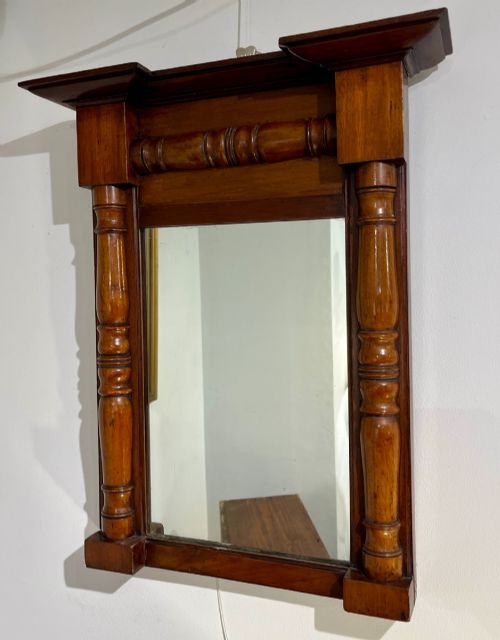
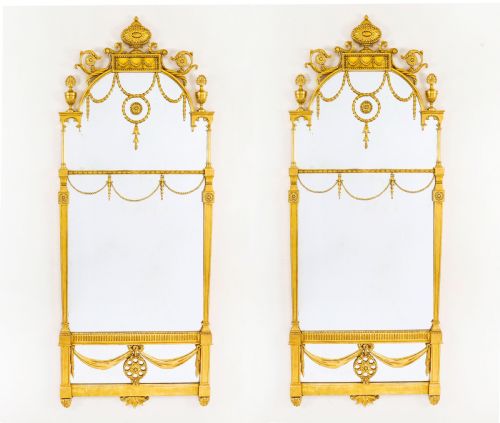

Georgian Classical Wall Mirror
A georgian classical wall mirror brings proportion and light to a room, using neoclassical motifs and gilt frames to anchor an interior.
Georgian Classical Wall Mirror
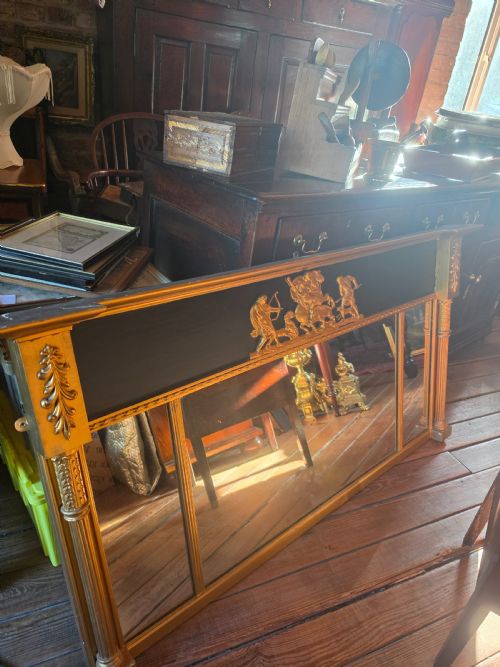
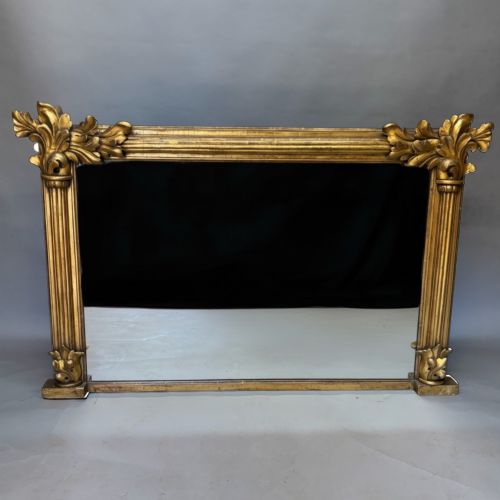
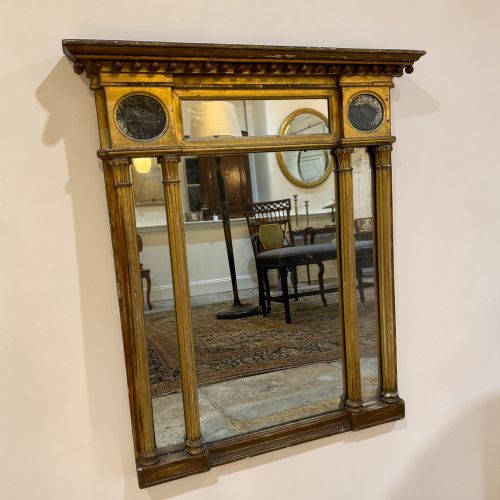
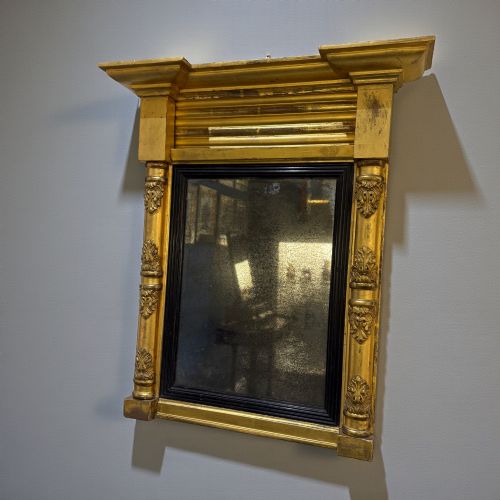
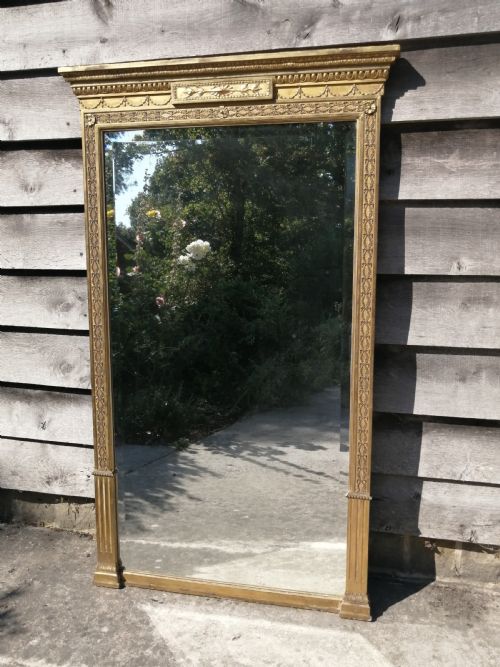
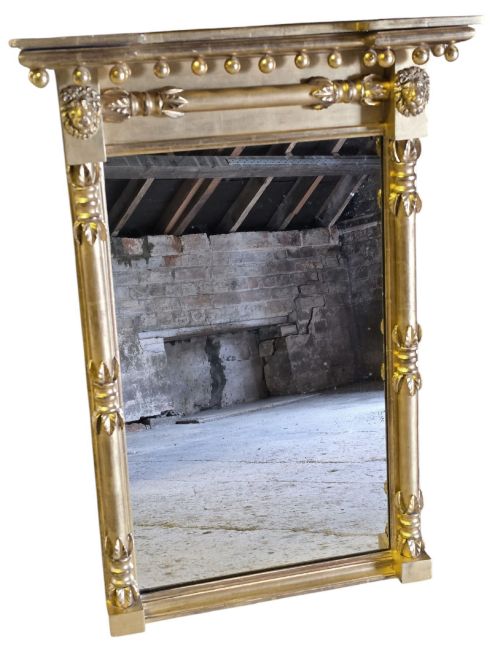
A georgian classical wall mirror spans several forms, including pier mirrors, overmantel mirrors, and oval wall glasses dating from the eighteenth century into the nineteenth century. Buyers encounter pieces from the Georgian, Regency, and later revival periods, such as Adam Revival designs.
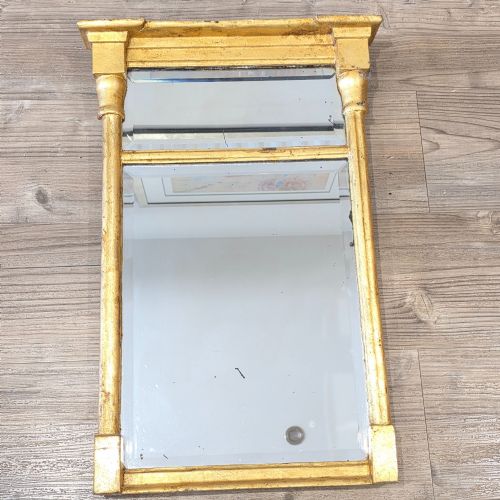
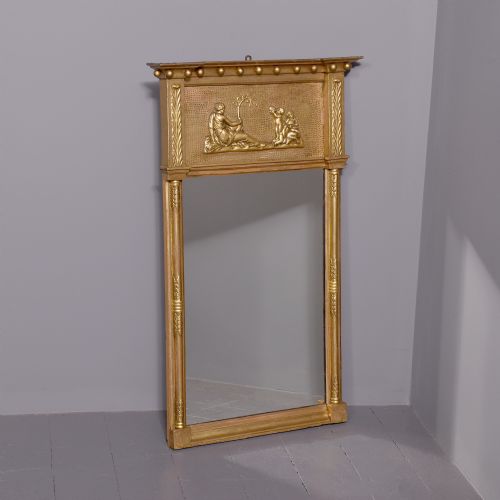
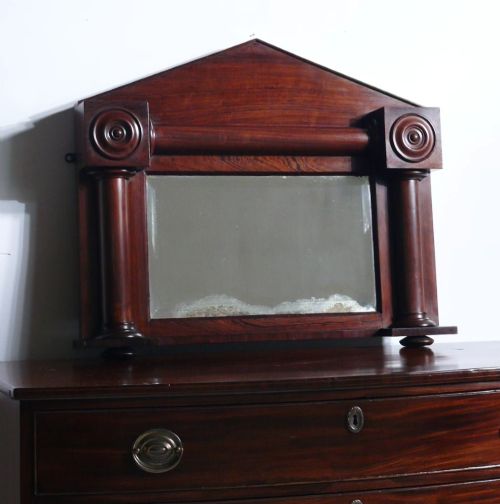
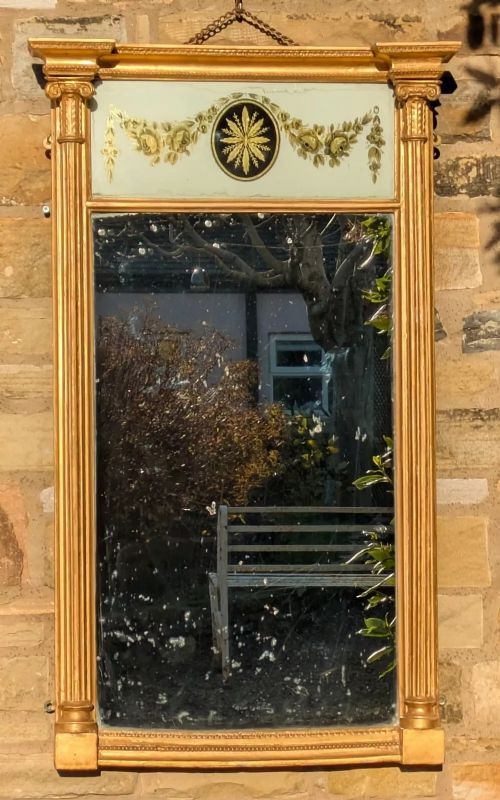
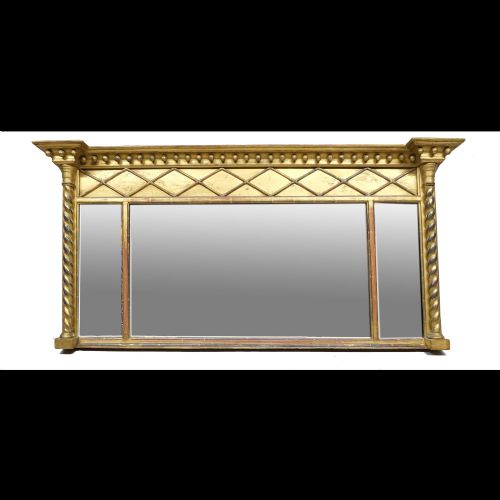
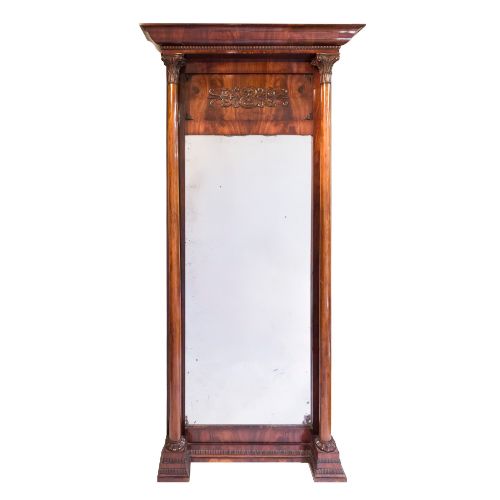
The physical evidence on this page shows formats ranging from neat overmantels and triptych mirrors to grand trumeau pieces and large pier glasses designed to hang between windows. These mirrors reflect both original eighteenth-century craftsmanship and nineteenth-century interpretations of classical design.
Overmantel mirrors and pier mirrors dominate the selection, often incorporating tripartite plates or decorative upper panels. The styles draw heavily on neoclassical vocabularies, featuring urns, drapery, and architectural mouldings.
How They Were Made
Makers constructed the frames from timbers such as mahogany, rosewood, and ebonised wood alongside softwood foundations built for carving. Giltwood and gesso application required meticulous layering of plaster ground onto carved wood before applying gold leaf.
Composition ornament, often called compa, allowed workshops to press intricate neoclassical motifs into moulds for rapid application onto frames. Mirror plates were handmade, sometimes retaining original silvering or paired with decorative verre eglomise glass panels.
Listings feature mahogany, rosewood, and ebonised wood alongside gilded gesso and composition frames across Georgian and Regency periods.
What Varies in Quality
The crispness of the carved or moulded ornament dictates the visual strength of the piece, separating finely hand-carved woodwork from heavier cast compa decoration. Originality of the mirror plate and the gilding surface contributes significantly to the historical integrity of a mirror.
Proportion and scale separate ordinary examples from exceptional ones, particularly in grand overmantels and pier glasses where architectural balance is essential. The survival of auxiliary elements, such as verre eglomise panels and original backboards, defines the upper tier of the range.
The Georgian Classical Wall Mirror Glossary
- Giltwood
- Wood carved and coated with gold leaf over a prepared gesso ground. It provides a bright reflective surface that catches interior candlelight or daylight.
- Verre Eglomise
- A technique of cold painting and gilding on the reverse of glass. It appears in upper panels of pier and trumeau mirrors with classical scenes or motifs.
- Pier Mirror
- A tall vertical mirror designed specifically to hang on the wall space between two windows. They often sat above small console tables.
- Overmantel Mirror
- A wide horizontal mirror built to hang on the chimney breast directly above a fireplace mantel. They frequently feature multiple mirror plates.
- Trumeau Mirror
- A decorative wall mirror that incorporates a painted or gilded panel above the glass plate. The upper section often displays classical imagery.
Georgian Classical Wall Mirror: Frequently Asked Questions
Where should I hang a pier mirror?
Pier mirrors work best on narrow wall spaces between windows or above low console tables. Their vertical proportions draw the eye upward and bounce natural light back into the room.
Ensure the wall fixings can support the combined weight of the timber frame and heavy glass plate. Positioning them opposite a window maximises light distribution.
How do I identify an overmantel mirror?
Overmantel mirrors are distinguished by their wide horizontal format designed to span the width of a fireplace breast. They frequently employ triptych plates or incorporate decorative panels in the upper frieze.
These pieces were traditionally manufactured to anchor the visual weight of a mantelpiece. Their dimensions correspond directly to standard domestic hearth proportions of the period.
What is verre eglomise?
Verre eglomise is a decorative technique where artists paint and apply gold leaf to the reverse side of glass panels. This creates a protected, lustrous design that forms the upper section of trumeau and pier mirrors.
The method dates back to antiquity but saw widespread revival during the neoclassical and Regency periods. It introduces narrative scenes or decorative borders above the main reflecting glass.
How do I tell original gilding from later paint?
Original gilding shows subtle wear patterns, craquelure in the underlying gesso, and variations in tone where gold leaf meets the bole beneath. Later repaint often appears flat and uniform across both wood and ornament.
Close inspection under magnification reveals the thin overlapping sheets of genuine gold leaf rather than modern metallic paint. Historic surfaces also accumulate mellow patination over centuries of exposure.