

Georgian Mantle Mirror
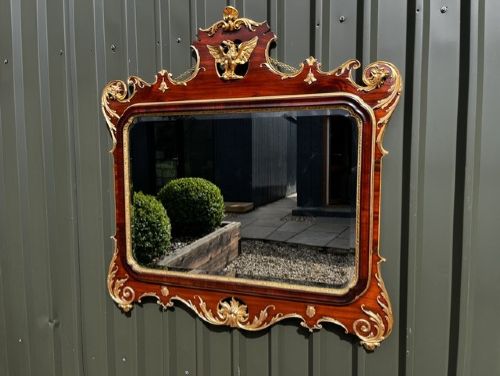
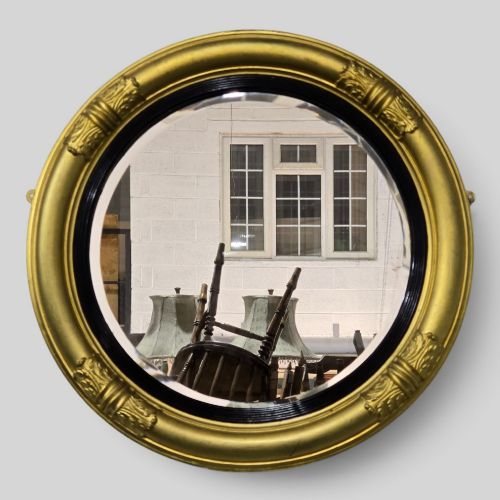
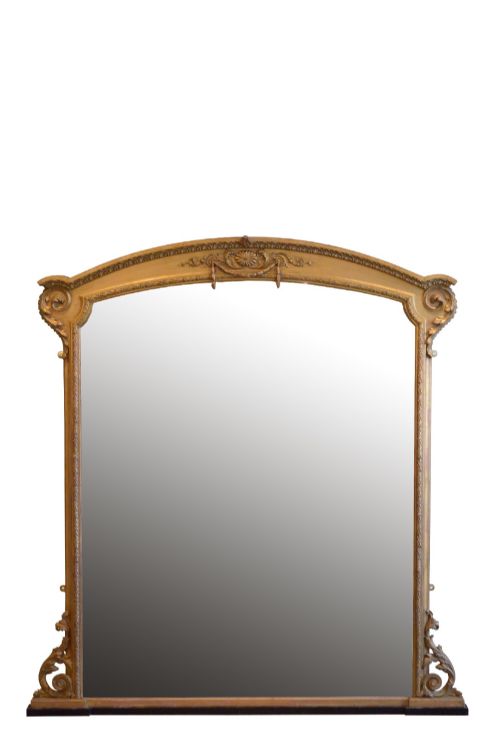
A georgian mantle mirror brings architectural scale and natural light into a room, framed in rich giltwood or figured timber.
Georgian Mantle Mirror
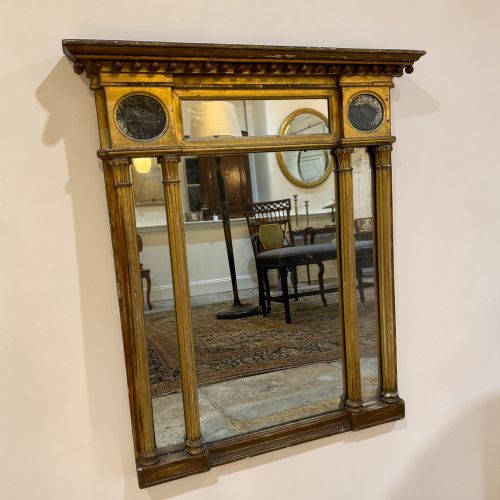
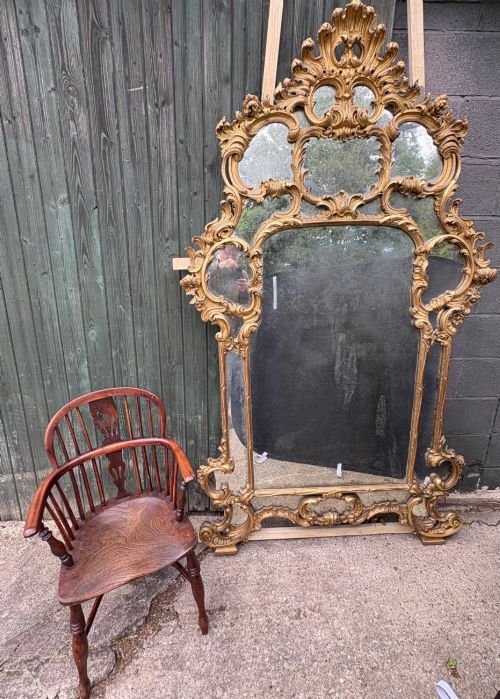
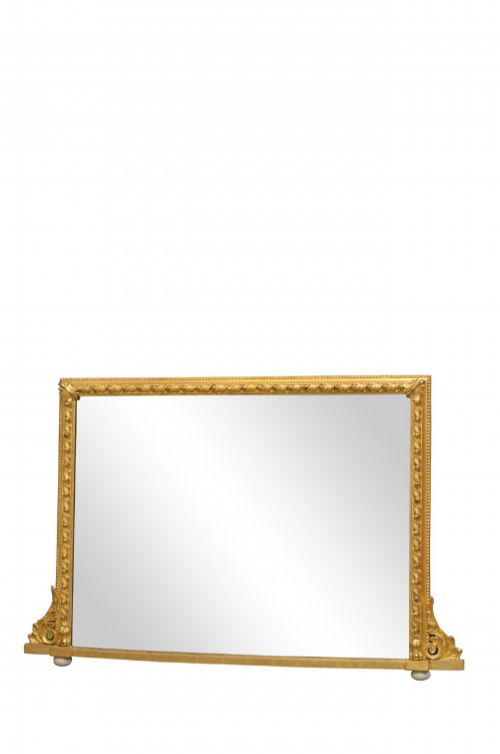
A georgian mantle mirror sits above a fireplace, designed to reflect the warmth of the hearth and brighten panelled rooms.
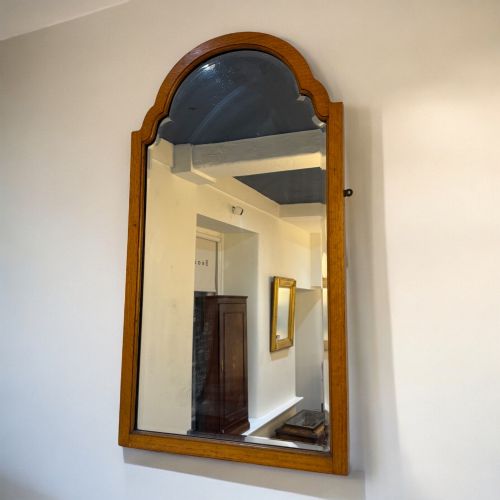
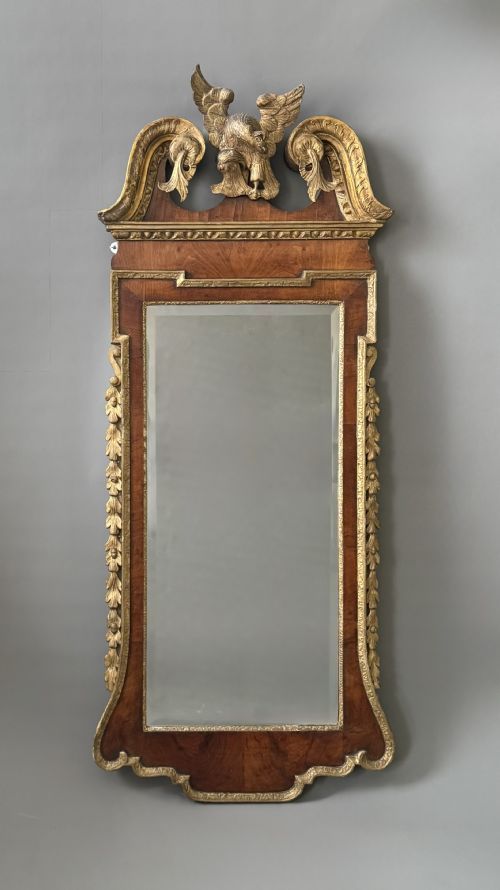
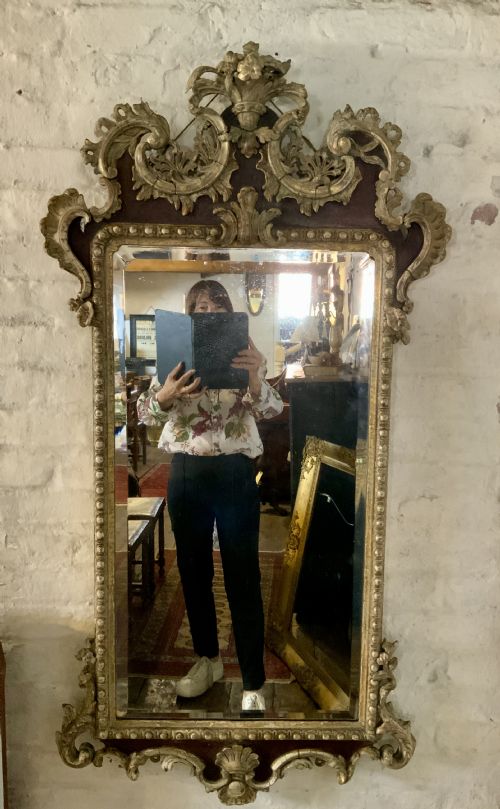
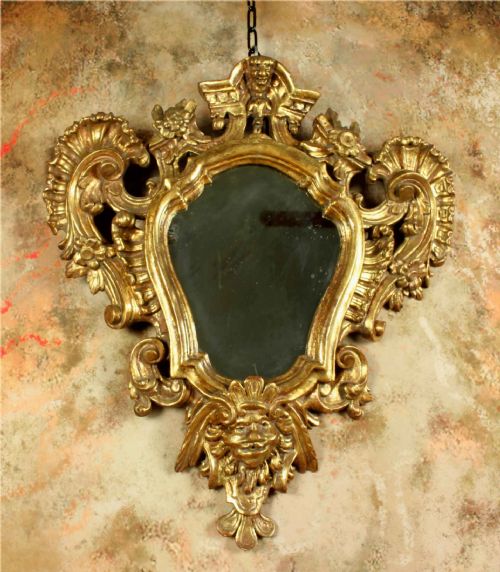
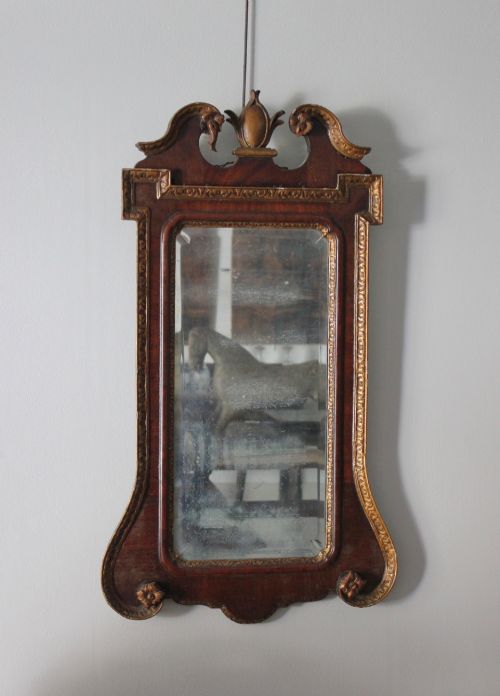
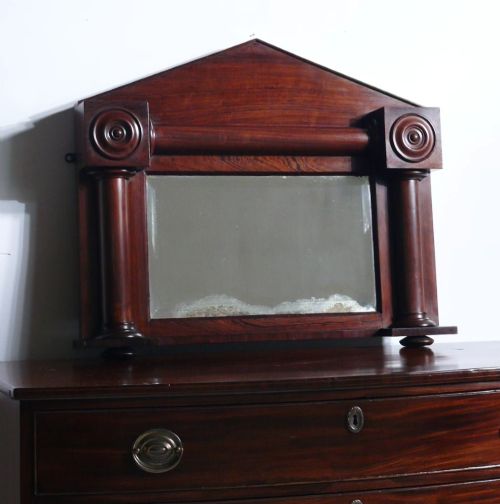
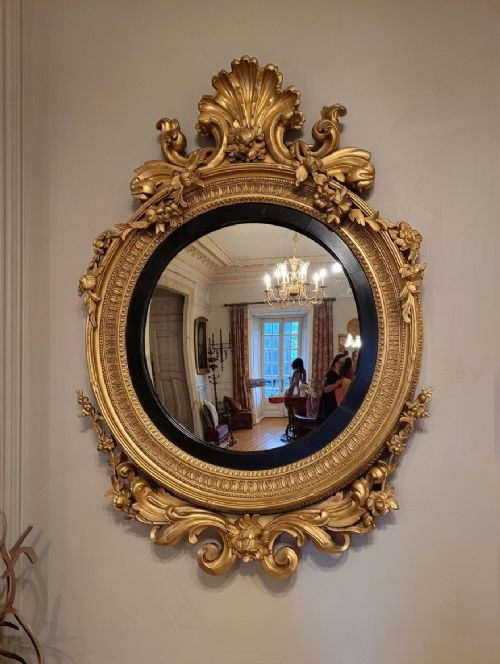
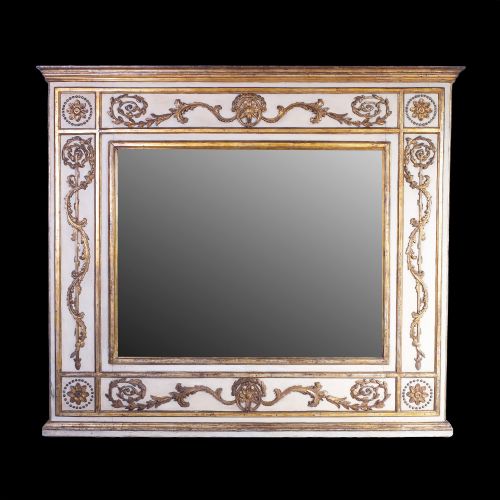
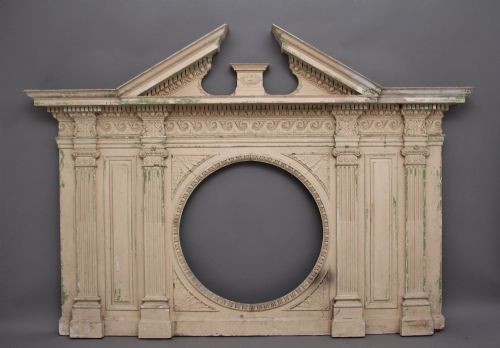
The pieces seen here range from substantial overmantels to smaller wall-hanging mirrors, spanning the eighteenth and nineteenth centuries.
Makers shaped these plates in walnut, mahogany, and pine, often finishing the frames with carved gesso and gold leaf.
How they were made
Carpenters constructed the structural frames using native timbers such as mahogany, walnut, and pine, sometimes adding decorative veneers like bird's eye maple or burr walnut.
Craftsmen applied layers of gesso over carved wooden bases to build crisp relief ornament before gilding the surfaces with gold leaf or applying paint.
Glass plates were bevelled or cast and held securely within the rabbet by original wooden backs, reflecting the light of the period.
Several mirrors retain their original nineteenth-century backboards, still bearing the faint chalk marks of the carpenters who built them.
What varies in quality
Depth and crispness of the wood carving distinguish finer frames from simpler production pieces, revealing the skill of the hand that shaped the gesso and giltwood.
The survival of original surfaces, including early gilding and untouched mirror glass with natural foxing, elevates the character of the object.
Proportion dictates the presence of a piece, as balanced architectural framing and harmonious scale define the better examples in this group.
The Georgian Mantle Mirror Glossary
- Giltwood
- Wood carved and coated with gold leaf over a prepared gesso ground. This finish catches candlelight and daylight alike.
- Gesso
- A mixture of plaster of Paris and glue used to coat wooden frames before carving or gilding. It allows for sharp decorative details.
- Overmantel
- A large mirror or painting designed specifically to hang on the wall above a fireplace mantelpiece. They often feature horizontal proportions to span the hearth width.
- Trumeau
- A decorative wall mirror incorporating a painted panel or piece of art within the upper section of the frame. These pieces create a panelled effect on principal reception room walls.
- Parcel gilt
- A decorative technique where portions of a wooden frame are gilded while other areas show the natural grain of walnut or mahogany.
Georgian Mantle Mirror: Frequently Asked Questions
What is the difference between a wall mirror and an overmantel mirror?
Overmantel mirrors are traditionally wider than they are tall, designed specifically to fill the horizontal space above a fireplace mantel. Wall mirrors follow more varied vertical or circular proportions.
Many pieces in this group share similar decorative motifs, but their dimensions usually indicate whether they belonged above a hearth or on an open wall.
How can I tell the period of a mirror frame?
Construction methods, timber choices, and decorative styles provide the clearest clues to age. Eighteenth-century pieces often display walnut and mahogany framing, while nineteenth-century examples frequently utilise gesso and applied composition ornament.
Examining the backboards, fixings, and glass plate characteristics helps confirm the era of manufacture. Original mirror glass often shows subtle distortions and silvering wear consistent with age.
Should I replace the original glass if it is aged?
Original glass retains the historic character and authentic reflection expected from antique mirrors. Foxing and light surface oxidation are natural parts of the object's history.
Collectors generally prefer keeping the original plate intact, as replacing the glass diminishes the integrity and period feel of the piece.