




Georgian Chimney Glass
A georgian chimney glass is a grand focal point designed to sit above a fireplace, bringing light and presence into a room.
Georgian Chimney Glass
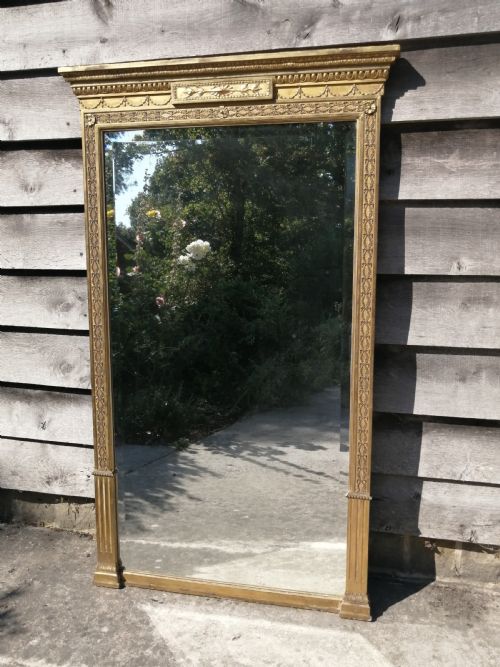
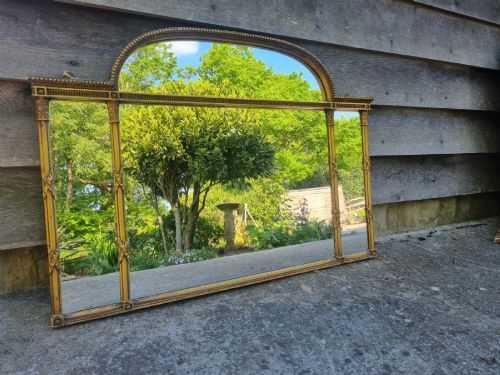
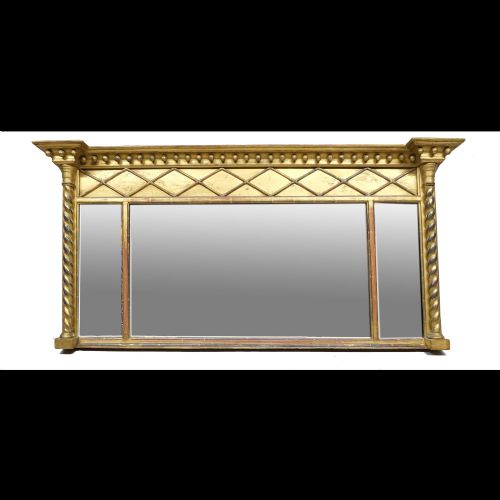
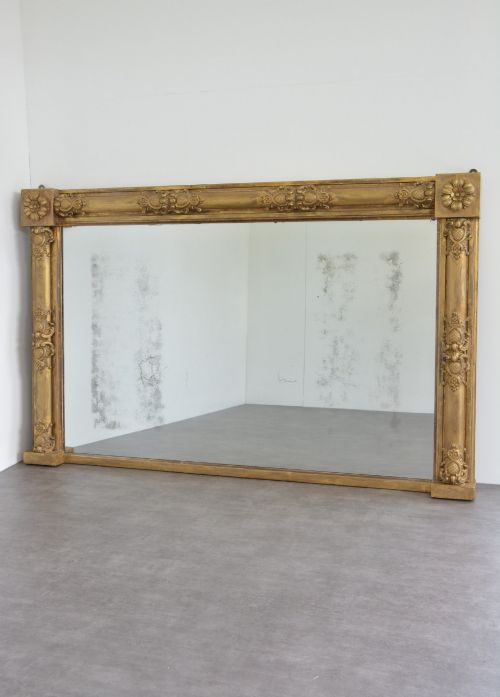
When searching for a georgian chimney glass, buyers encounter large horizontal formats intended to mount directly over a mantelpiece. These pieces function primarily as overmantel mirrors, reflecting the room and amplifying natural light from windows.
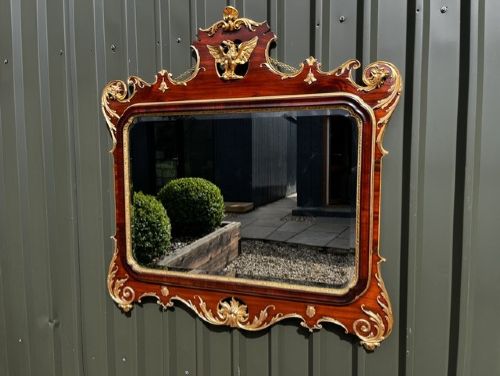
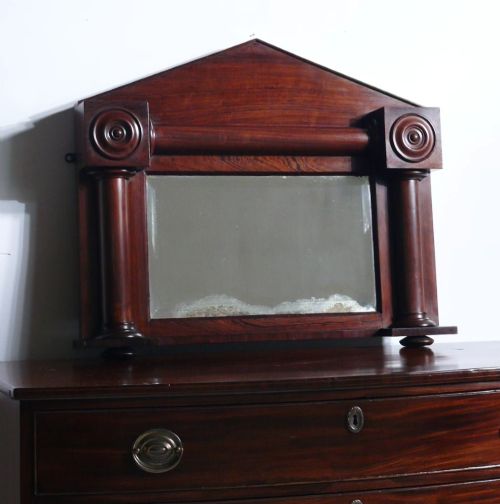
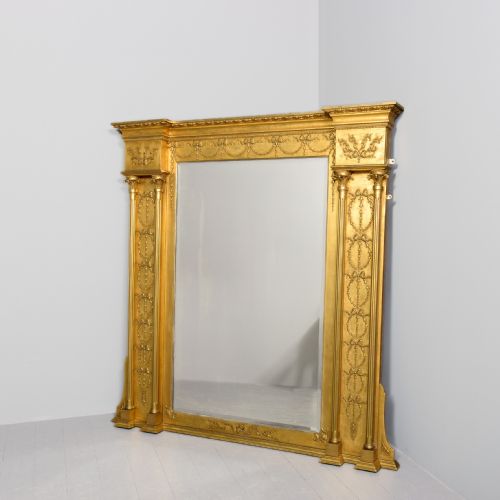
Origins vary across English, Scottish, and Irish workshops, showing influences from Neoclassical, Chippendale, and Irish Rococo design. Buyers frequently meet giltwood and mahogany frames shaped into single, double, or triple plate configurations.
How They Were Made
Craftsmen built structural frames from timbers such as mahogany, rosewood, satinwood, birds eye maple, and ebonised wood. Carved wooden ornaments and applied composition or gesso provided the ornate surface details seen on these large wall hangings.
Gilding was applied extensively using gold leaf over prepared gesso bases, creating brilliant reflective surfaces suited to formal interiors. Mirror glass plates were set within these frames, sometimes accompanied by decorative elements like Ho Ho birds, squirrels, and acanthus columns.
Look closely for the carved Ho Ho bird perched atop the Irish tryptic frame.
What Varies in Quality
The degree of sculptural refinement in the carved wood and gesso ornamentation distinguishes standard examples from exceptional ones. Crisp detailing on acanthus leaves, figures, and architectural mouldings reflects superior workshop proficiency.
The integrity of the original mirror glass and the preservation of the surface gilding dictate the overall visual impact. Original mirror plates showing light ageing hold distinct character compared to later replacements.
Ciceri and Co
The Georgian Chimney Glass Glossary
- Overmantel mirror
- A large mirror designed specifically to hang on the wall directly above a fireplace mantel. These pieces dominate the chimney breast and expand visual space.
- Trumeau mirror
- A decorative mirror incorporating a painted or carved panel above the glass plate. These tall formats often feature neoclassical motifs.
- Gesso
- A plaster-like material applied to wood frames to create a smooth surface for gilding. Carvers model detailed ornaments directly into this compound.
- Tryptic
- A mirror divided into three distinct vertical sections or glass plates. This layout is frequently encountered in Regency overmantel designs.
- Foxed glass
- Mirror glass exhibiting natural age spots and discoloration behind the reflective coating. Collectors value this characteristic sign of antiquity.
Georgian Chimney Glass: Frequently Asked Questions
Where should I hang a chimney glass?
These mirrors are traditionally mounted on the chimney breast directly above a fireplace opening. Their horizontal proportions anchor them securely within the architectural lines of a mantelpiece.
They also function effectively on large expanse walls in principal reception rooms where a substantial focal point is required.
How do I identify a Regency period glass?
Regency examples frequently display bold neoclassical motifs, tripartite glass plates, and columns decorated with acanthus foliage. The frames lean heavily into gilded gesso finishes.
Construction details and secondary timbers visible on the reverse help confirm the early nineteenth-century date.
What is the difference between an overmantel and a wall mirror?
Overmantel mirrors are specifically proportioned in a landscape format to match the width of a fireplace surround. They sit low and wide to balance the hearth below.
Standard wall mirrors are typically more vertical or square and lack the specific architectural context of a chimney breast.
Can these mirrors be cleaned safely?
Dust the giltwood frame gently with a soft, dry brush to prevent damage to the delicate gesso and gold leaf surface. Avoid moisture near old gilding.
Clean the glass plate sparingly using a mild glass cleaner applied to a cloth rather than sprayed directly onto the mirror.