






Scottish Mirror
A scottish antique mirror brings exceptional regional cabinet-making and striking metalwork into a room, offering both history and character.
Scottish Mirror
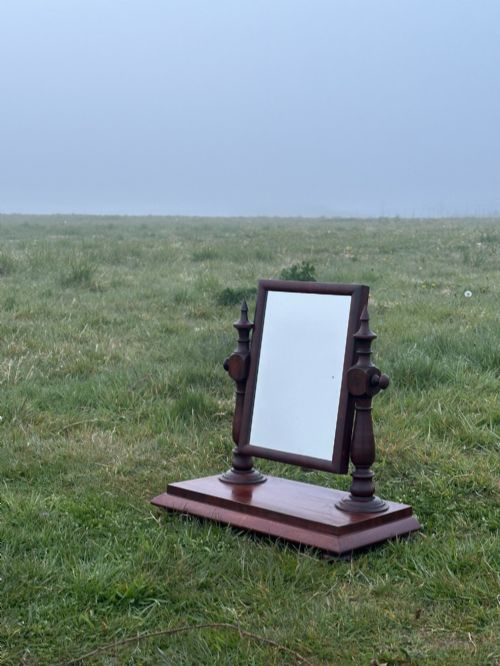
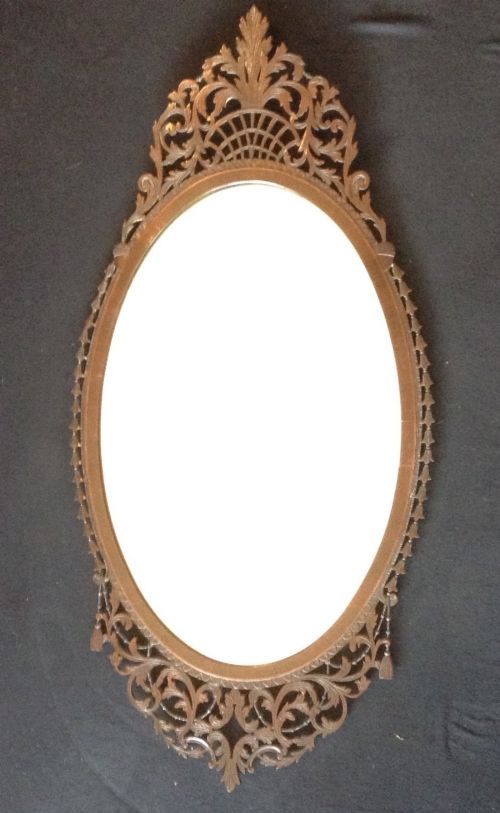
A scottish antique mirror encompasses various forms from wall-hanging designs to dressing table glasses, spanning centuries of craftsmanship. Buyers seeking a scottish antique mirror will encounter wall mirrors, toilet mirrors, and dressing mirrors executed in distinct regional styles.
The selection ranges from Georgian mahogany examples and Victorian fretwork pieces to striking Arts and Crafts or Glasgow School creations. Wall mirrors and dressing mirrors dominate the offerings, frequently incorporating brass, mahogany, and satinwood.
Regional workshops and prominent Edinburgh or Glasgow makers contributed significantly to these designs, merging traditional woodwork with innovative decorative metalwork. Pieces often reflect specific aesthetic movements, from the ornate gesso of the early nineteenth century to the linear motifs of the early twentieth.
How they were made
Makers utilised solid timbers such as mahogany, satinwood, walnut, and oak, often shaping them into barrel fronts or intricate fretwork frames. Wood inlay and carved details added texture, while secondary woods provided structural stability to larger dressing mirrors and wall pieces.
Metalworking played a central role, particularly in Arts and Crafts examples where beaten brass frames and applied metal motifs defined the aesthetic. Gilded gesso techniques appeared on grander overmantel pieces, requiring skilled hand-modelling over a prepared wooden base.
Original mirror glass was frequently bevelled or silvered by hand, displaying subtle imperfections characteristic of period manufacturing methods. Joinery relied on traditional mortise and tenon construction, ensuring longevity across centuries of domestic use.
Scottish Mirror Retail Price Guide 2026
Typical asking prices for scottish mirror among the pieces listed under this phrase on Sellingantiques today, from the lower quarter to the upper quarter. They describe what is for sale here now, not the wider market.
Peacocks proudly flank brass frames in the Glasgow School selections, watching every reflection with metallic composure.
What varies in quality
The distinction between ordinary and exceptional pieces lies in the crispness of the carving and the ambition of the design. Master cabinet-makers employed superior timber selections, evident in finely figured mahogany and carefully matched satinwood veneers.
Metal elements demonstrate a clear hierarchy of craftsmanship, ranging from simple stamped brass to hand-beaten panels bearing distinct artistic motifs. The integration of artistic vision, such as the characteristic peacock designs associated with the Glasgow School, elevates certain pieces far above standard commercial production.
Wylie Lochhead of Glasgow·Ciceri and Co·John Taylor of Edinburgh·Whytock and Reid·James Simpson and Sons
The Scottish Mirror Glossary
- Fretwork
- Thin wood cut with decorative open patterns using a scroll saw or piercing saw. This technique created lightweight, ornate frames popular during the Victorian era.
- Gesso
- A plaster-like mixture applied to wood surfaces and carved or moulded before gilding. It formed the decorative relief on nineteenth-century overmantel mirrors.
- Overmantel mirror
- A large mirror designed to hang directly above a fireplace mantelpiece. These pieces often dominated a room and matched the architectural style of the interior.
- Toilet mirror
- A smaller tabletop mirror, often mounted on a swing frame above small drawers, used for personal grooming.
- Glasgow School
- An influential circle of artists and designers active in Scotland during the late nineteenth and early twentieth centuries. They championed a distinctive Arts and Crafts aesthetic featuring stylised natural motifs.
Scottish Mirror: Frequently Asked Questions
How do I identify a Glasgow School mirror?
Glasgow School pieces typically feature hand-beaten brass frames, distinct stylized motifs like peacocks or linear plant forms, and an emphasis on honest craftsmanship.
They often reflect the progressive artistic movement centred in Scotland around nineteen hundred, differing markedly from traditional Victorian mahogany designs.
Where should I hang a heavy wall mirror?
Heavy wall mirrors require secure fixing directly into masonry or substantial wall studs to support the combined weight of timber and glass.
Professional hanging hardware suited to the specific weight of the frame ensures safety and stability on domestic walls.
Are dressing mirror glasses usually original?
Many dressing mirrors retain their original glass, which can exhibit subtle foxing, minor silver loss, or light surface scratches accumulated over time.
Original glass adds historical integrity to the piece, though some historical replacements occurred due to breakage or deterioration.
How do I date a mahogany toilet mirror?
Dating relies upon construction methods, timber choice, hardware styles, and the overall proportions of the supporting frame and drawers.
Eighteenth-century examples often display finer dovetailing and lighter framing compared to heavier nineteenth-century Victorian interpretations.