
Georgian Cabinet with Drawers
A georgian cabinet with drawers combines utilitarian storage with period craftsmanship, bringing practical elegance and fitted compartments to domestic spaces.

Georgian Cabinet with Drawers
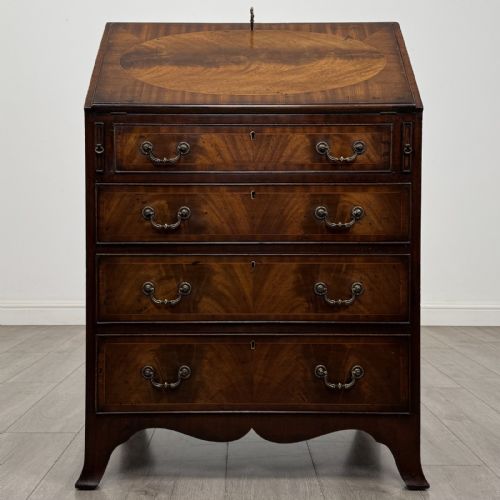
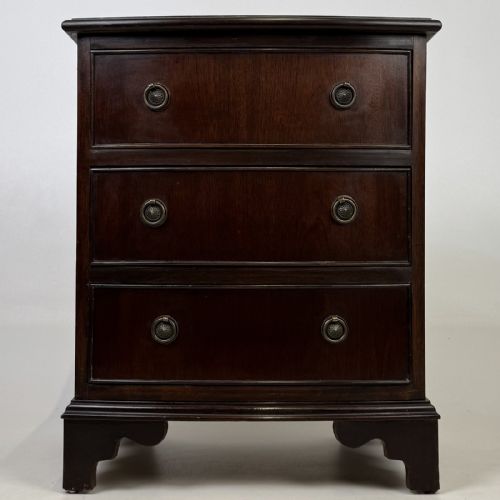
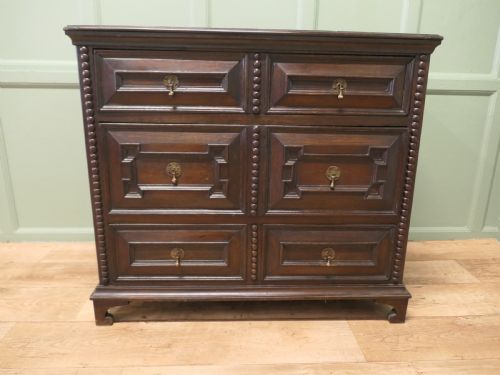
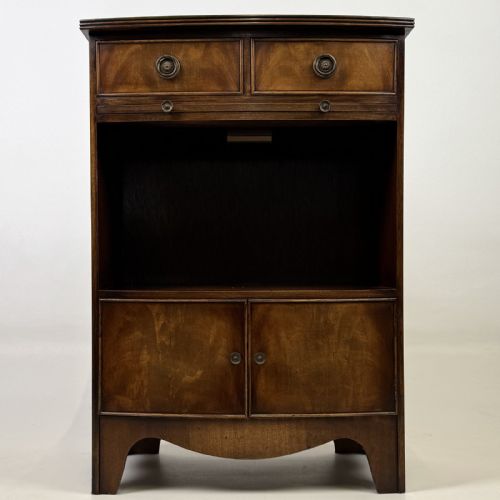
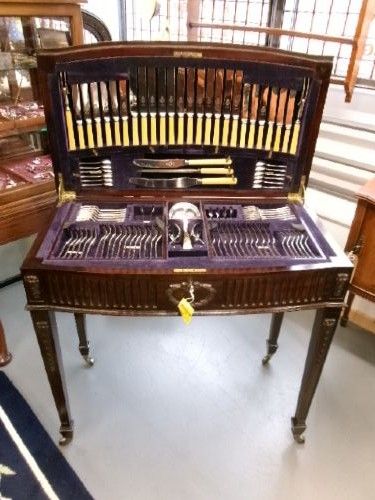
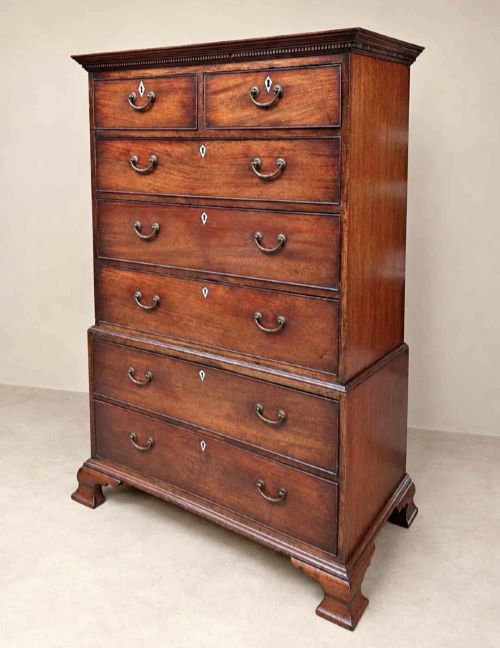
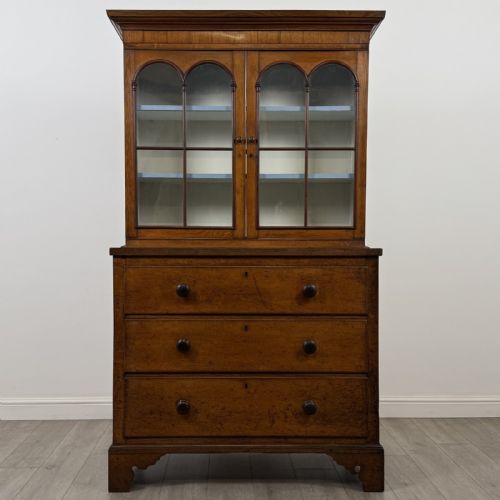
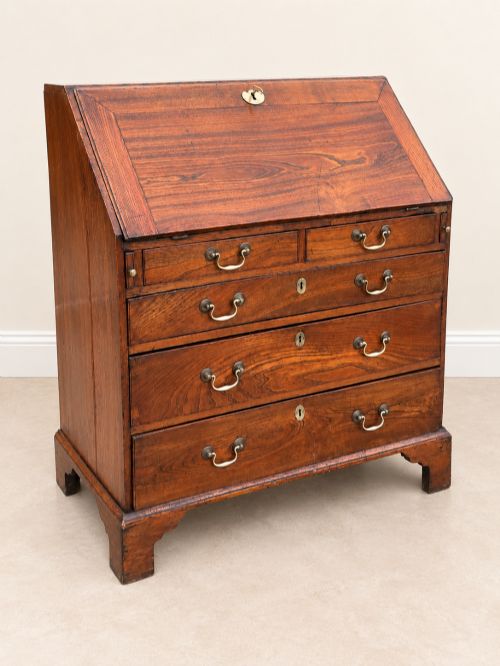
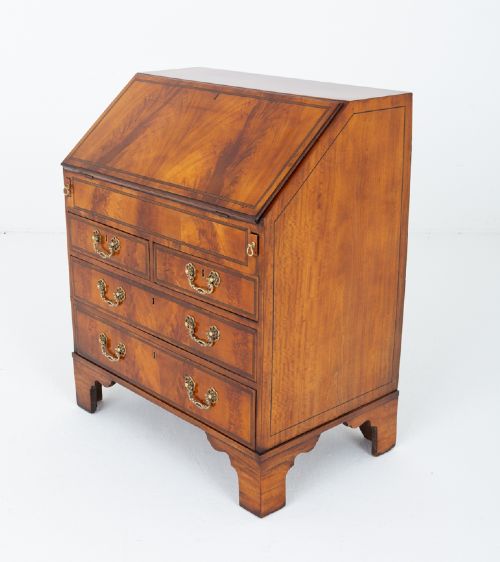
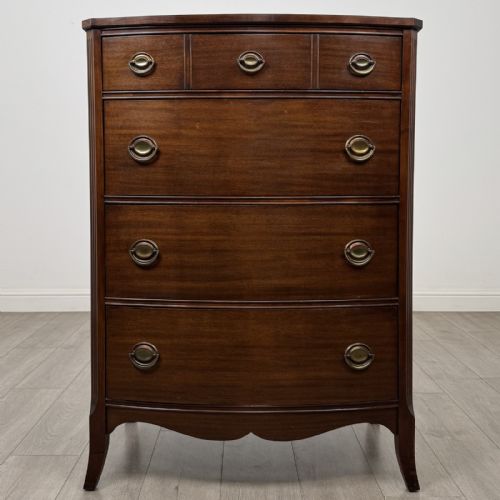
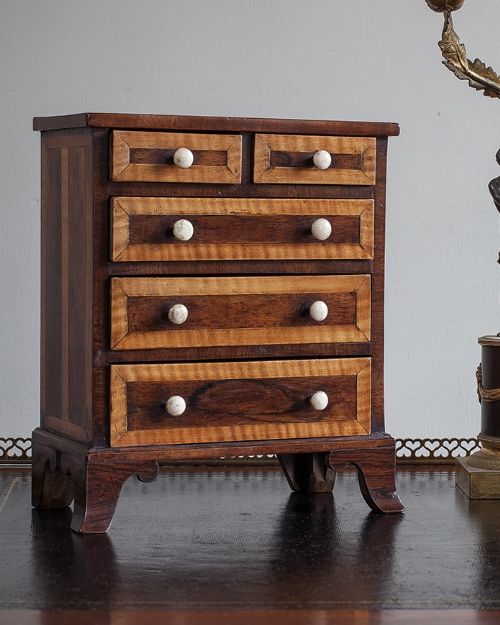
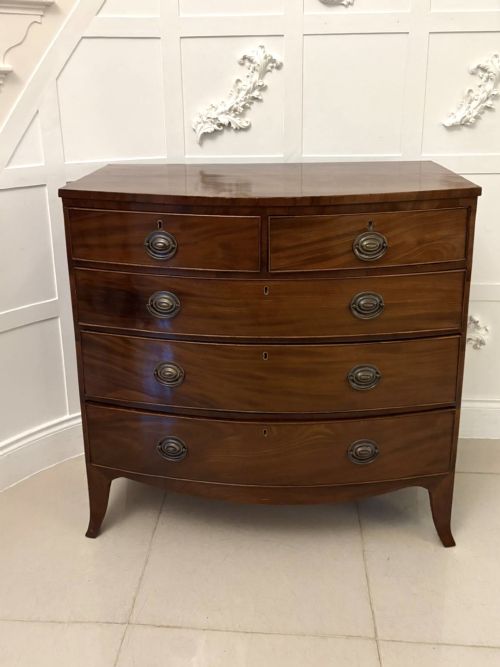
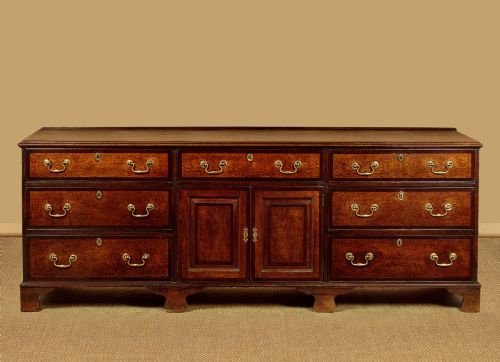
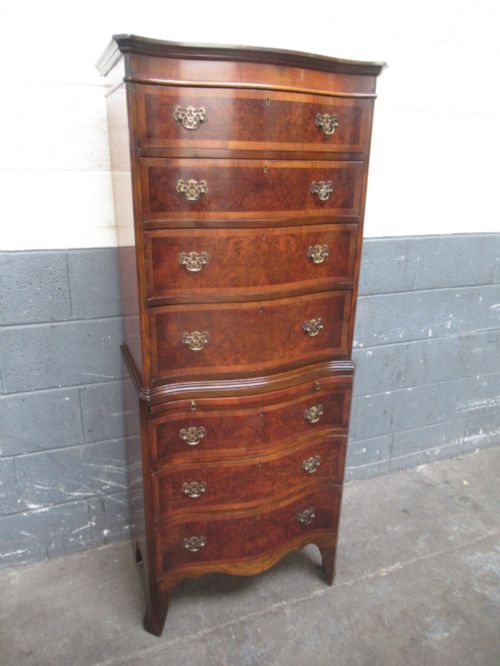
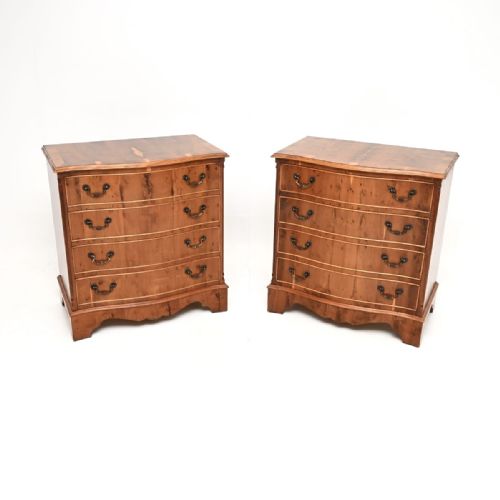
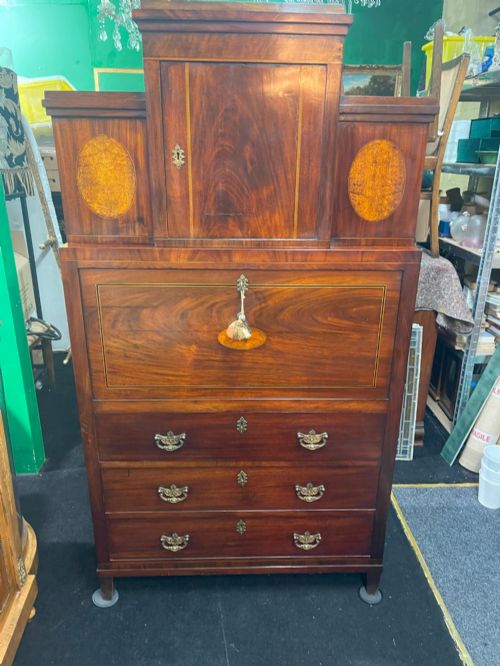
When searching for a georgian cabinet with drawers, buyers encounter a diverse selection of case furniture spanning the 18th century through to later revival periods. The most frequent forms include mahogany and oak bureaux, bureau bookcases, chests of drawers, and side cabinets featuring integrated drawer storage.
Pieces range from compact fall-front writing desks with internal compartments to larger linen presses, tallboys, and kitchen dresser bases. Materials shift between dense figured timbers like walnut and mahogany, alongside sturdy oak and occasional painted finishes.
Origins trace primarily through the Georgian era, encompassing George II and George III reigns, alongside occasional later Edwardian adaptations and Regency pieces inlaid with brass.
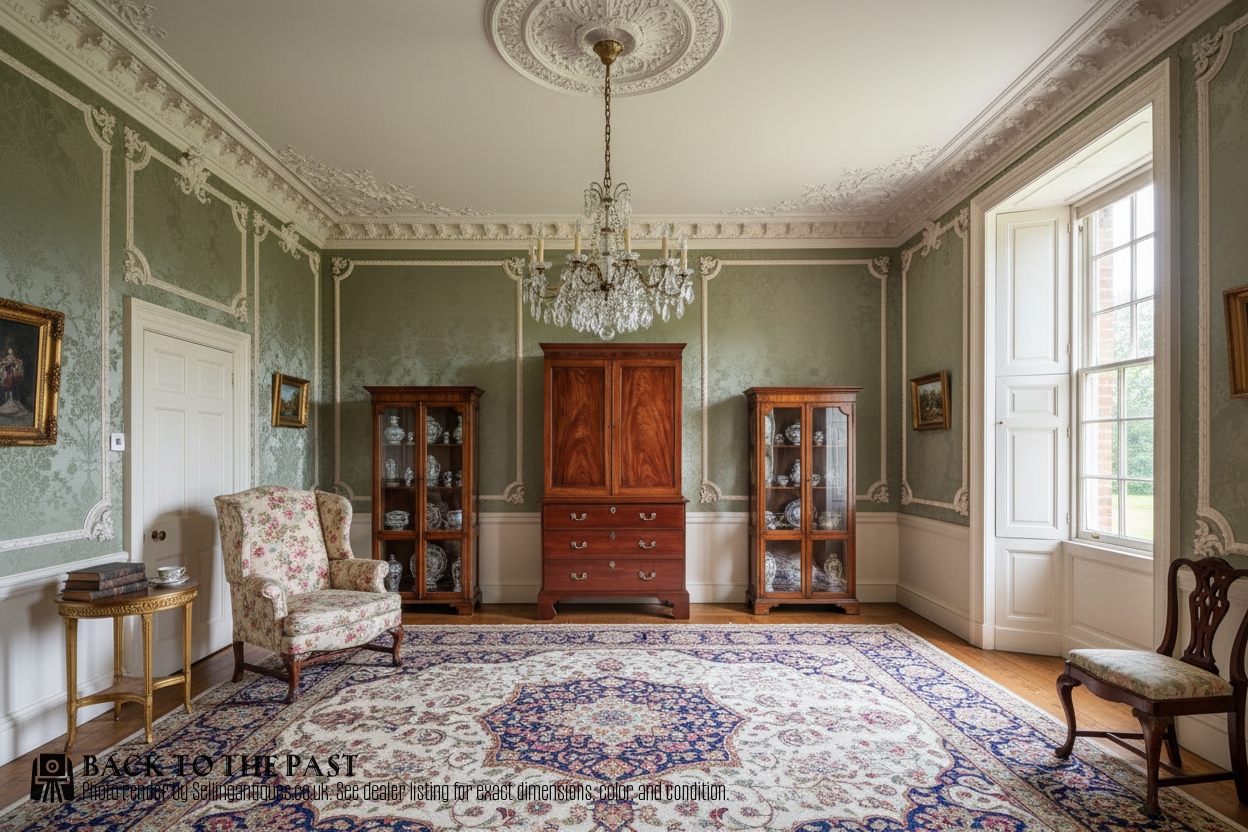
Materials and construction methods
Cabinet makers utilised solid and veneered timbers, predominantly mahogany, oak, and walnut, frequently enhancing surfaces with figured grain patterns, flame mahogany, and delicate line inlay or satinwood details.
Structural integrity relied on traditional joinery, including dovetail joints for drawer construction, mortise and tenon frames, and solid brass hardware such as drop handles, escutcheons, and working keys.
Writing surfaces within bureaux often incorporate leather inserts, while specialised items feature glass-panelled bookcase doors, blind fretwork cornices, and fitted internal pigeonholes.
The inventory bridges multiple eras, recording pieces from the 1700s through to Edwardian interpretations.
Distinguishing grades of craftsmanship
The standard of a piece depends on the selection of timber and the precision of the veneer work, where symmetrical flame mahogany or figured walnut indicates superior material sourcing.
Joinery detail separates standard utility items from master pieces, visible in the tightness of dovetails, the smoothness of drawer movement, and the crispness of hand-carved mouldings or inlaid banding.
The survival of original brass hardware, working locks with keys, and unaltered secondary timbers underneath provide clear indicators of authenticity and careful preservation.
Gillows
The Georgian Cabinet with Drawers Glossary
- Bureau
- A sloping front desk that opens to reveal a writing surface, pigeonholes, and small drawers. This form frequently sits atop chest bases or stands.
- Chest on Chest
- A tall storage unit comprising two distinct stacked sections, where a smaller upper chest rests upon a wider lower chest.
- Fall Front
- A hinged writing flap that drops down to a horizontal position to form a desk surface, concealing internal compartments.
- Crossbanded
- A decorative border technique where thin strips of veneer are laid across the grain of the main timber panel.
- Escutcheon
- A protective brass plate surrounding a keyhole, designed to prevent the surrounding wood from splintering or wear.
- Blind Fretwork
- Carved decorative openwork panels applied flat to a solid surface without piercing completely through the timber.
Georgian Cabinet with Drawers: Frequently Asked Questions
How do I identify a genuine period piece?
Examine the construction methods visible within the drawer interiors and back panels, looking for hand-cut dovetails and circular saw marks consistent with period tools. Secondary woods like oak or pine should show appropriate ageing and wear matching the exterior timber.
Check for consistency in hardware placement and timber shrinkage patterns. Alterations or replaced elements often reveal themselves through filled screw holes or mismatched grain continuity.
Where were these cabinets used in a home?
These pieces served multiple domestic functions across public and private rooms, acting as writing desks in studies, linen storage in bedrooms, and display vessels in parlours. Smaller bureau bookcases and corner cupboards maximised storage efficiency in compact Georgian interiors.
Kitchen dresser bases and side cabinets provided practical surface space and concealed storage for household provisions and dining utensils. Their versatile forms allowed them to transition seamlessly between formal reception areas and functional working spaces.
How should I care for timber surfaces?
Maintain finished wood surfaces by applying natural beeswax periodically to nourish the grain and protect against excessive dryness. Avoid placing furniture in direct sunlight or near heat sources to prevent timber warping and veneer splitting.
Clean dust using a soft, dry cloth rather than wet chemical sprays that can degrade historic polished finishes. Ensure leather writing inserts are kept away from moisture and treated gently.