



18th Century Bookcase Chest
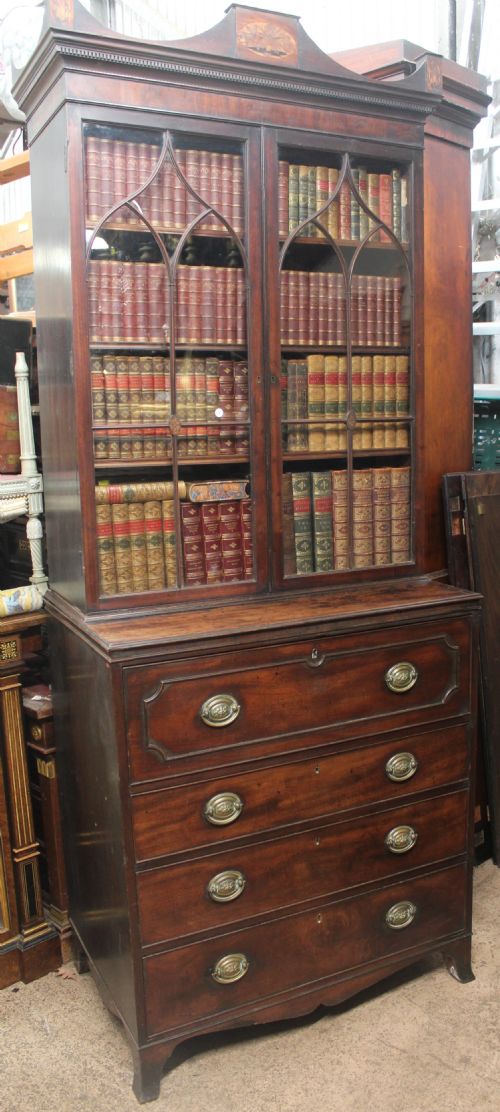
An 18th century bookcase chest combines a fitted writing desk and storage cabinet with a glazed upper section, offering practical display space.
18th Century Bookcase Chest
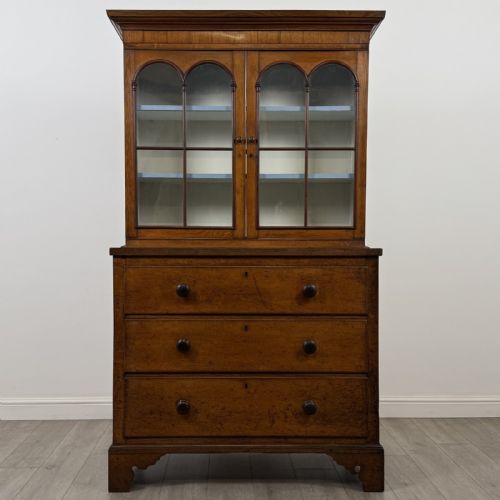
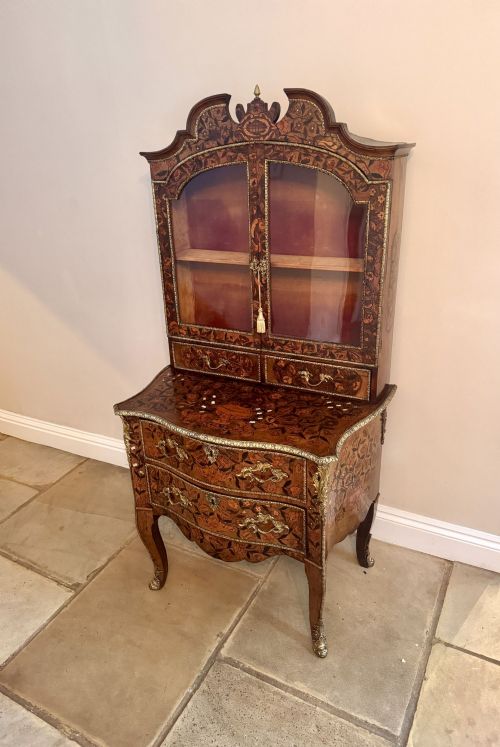
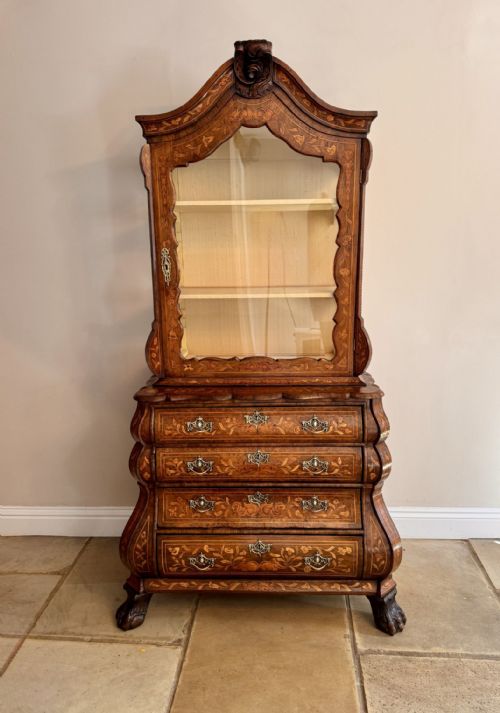
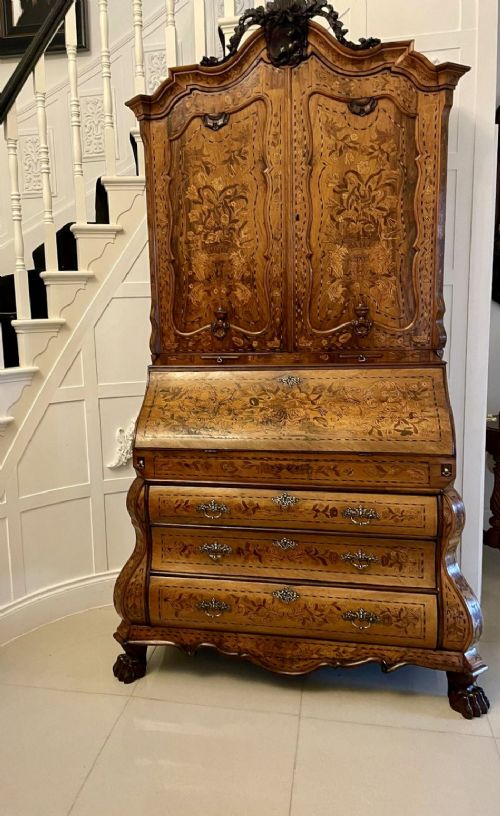
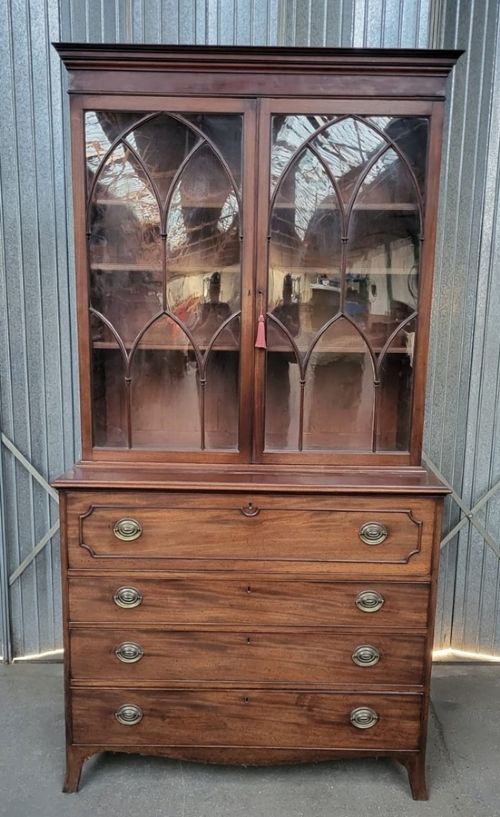
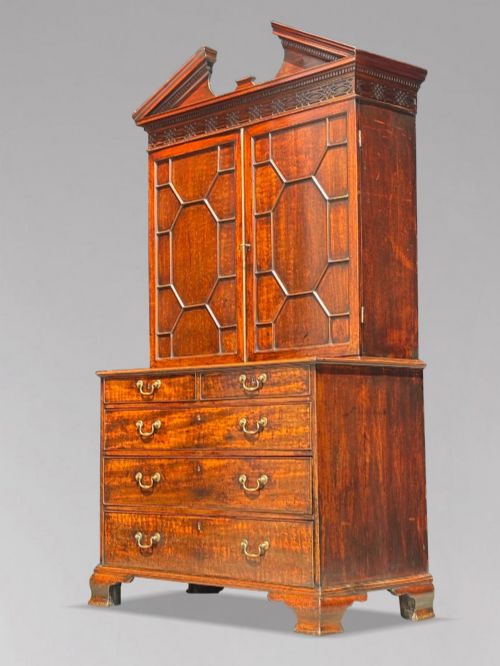
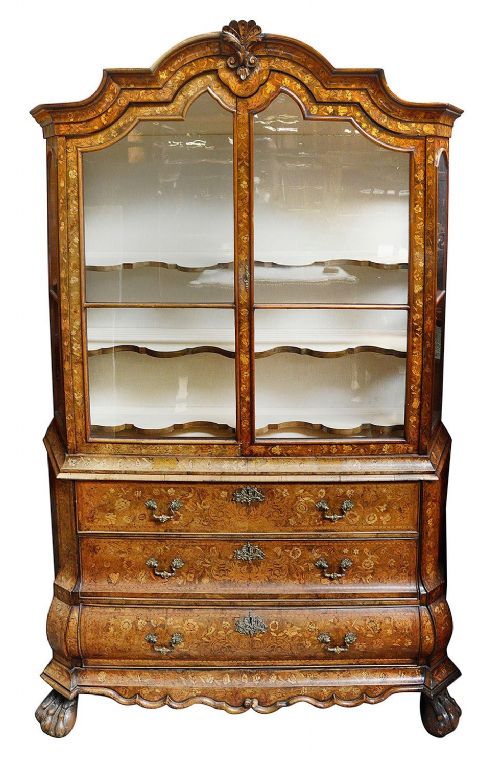
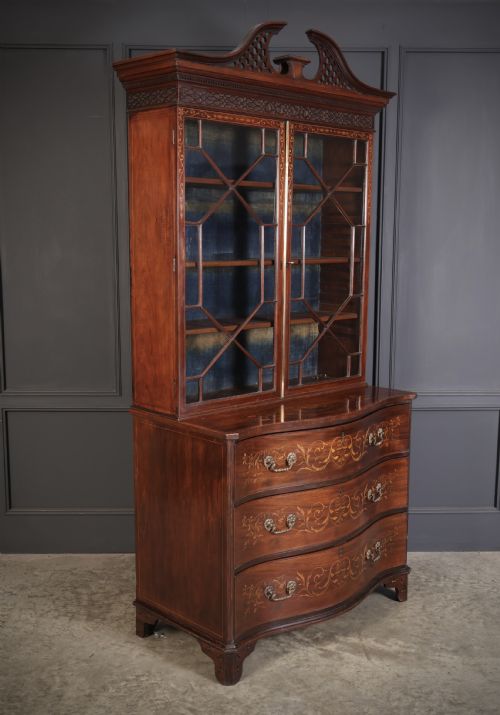
An 18th century bookcase chest is a substantial dual-purpose furniture form consisting of a lower chest base combined with an upper glass-fronted display cabinet or desk workspace. Buyers exploring this category encounter varied regional interpretations, from English Georgian mahogany designs to continental Dutch walnut bombe cabinets.
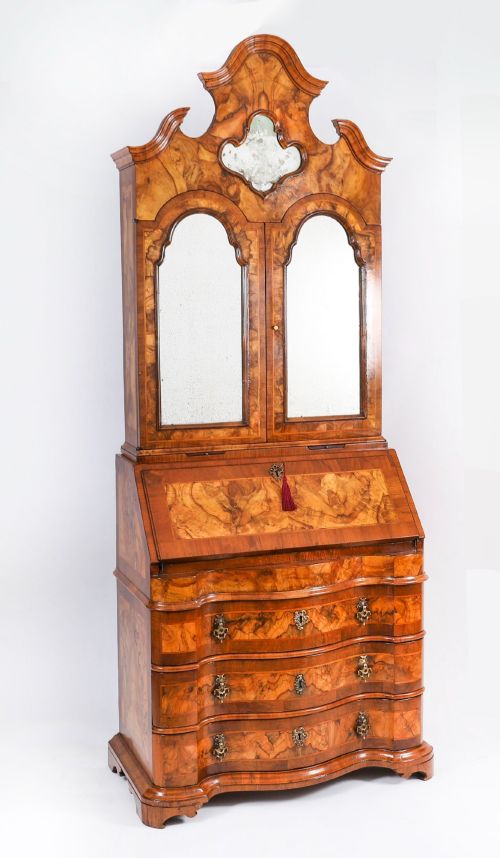
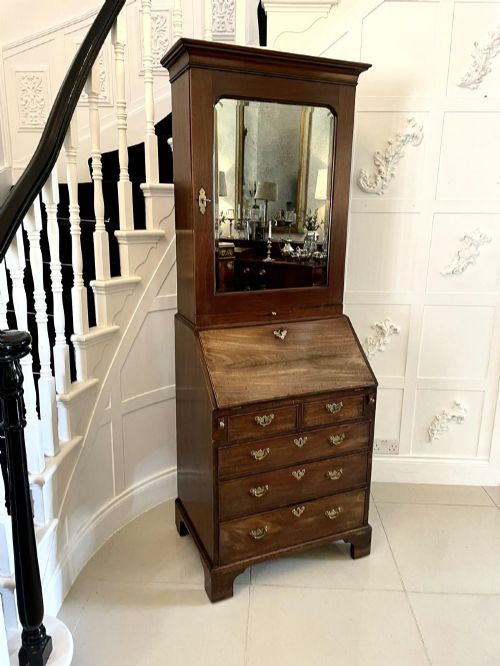
The lower section functions as a chest of drawers or a drop-front bureau containing pigeonholes and small drawers, while the upper section provides shelved storage behind glazed doors. Mahogany and walnut dominate the examples found on this page, often featuring panelled doors or intricate marquetry inlay.
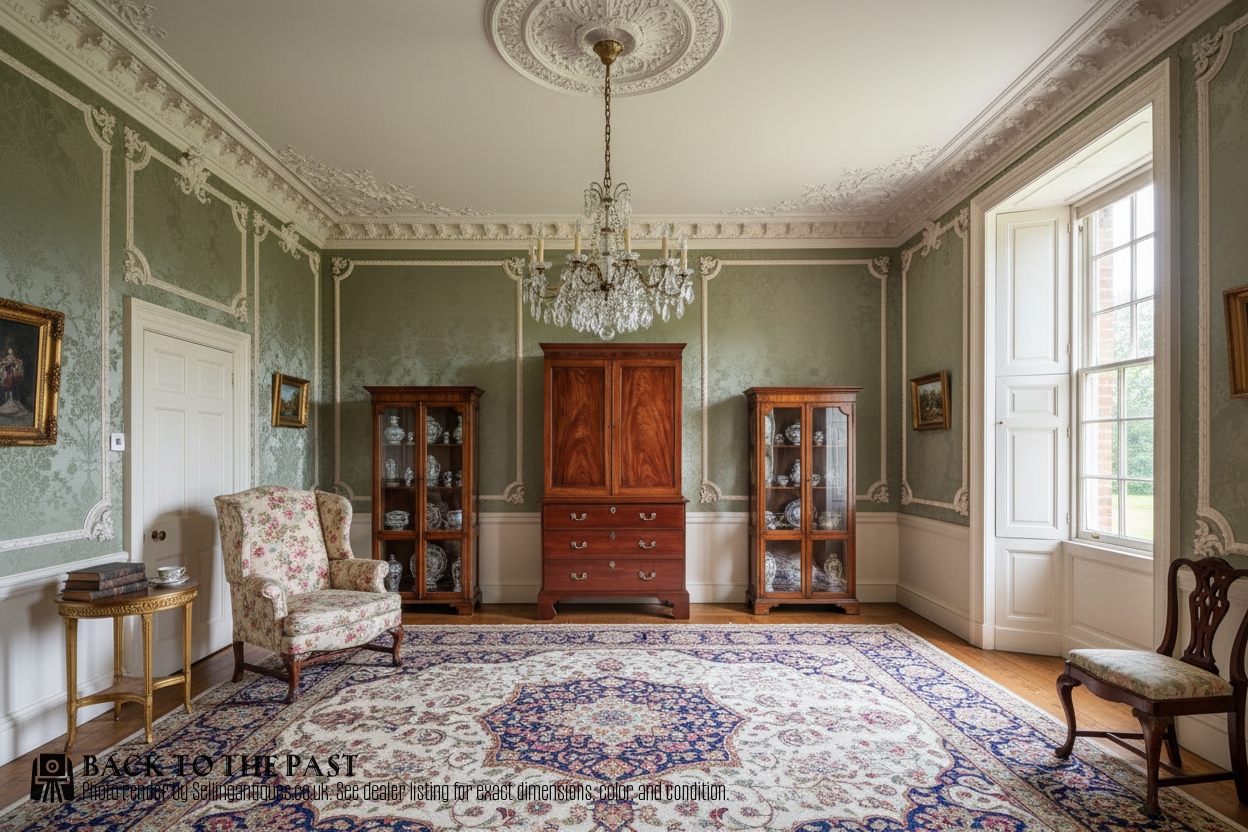
Most pieces date from the Georgian period or the wider eighteenth century, though later reinterpretations appear alongside continental vitrines and secretaire cabinets. The form serves as both a library workspace and a prominent display piece for domestic interiors.
How they were made
Cabinet makers utilised dense hardwoods such as mahogany, oak, walnut and fruitwood, often selecting figured veneers to create decorative grain patterns on drawer fronts and primary panels. Marquetry inlay employed contrasting woods and floral motifs to adorn continental walnut and mahogany surfaces.
Construction relied on traditional joinery methods, incorporating dovetailed drawer construction and framed glazing bars for upper cabinet doors. Brass hardware, including drop handles and escutcheons, completed the assembly of these large two-part furniture pieces.
Several continental cabinets feature dramatic swelling bombe profiles that curve outward like polished wooden bellies.
What varies in quality
The standard of an 18th century bookcase chest depends significantly on the choice of timber figure and the precision of the marquetry or carved details. Well-figured mahogany and burr walnut veneers demonstrate superior material selection by the original cabinet maker.
Proportion and architectural harmony distinguish finer examples, particularly in the balance between the lower chest and the upper glazed cabinet. The execution of interior stationery compartments, secret drawers and original brass hardware further separates standard production from exceptional pieces.
Thomas Chippendale·Thomas Bradshaw
The 18th Century Bookcase Chest Glossary
- Secretaire
- A desk component featuring a hinged fall-front or drawer that pulls out to reveal a writing surface and small pigeonholes. This allows the piece to function as a bureau while retaining the appearance of a standard chest or cabinet.
- Bombe
- A swelling, outward-curved profile associated primarily with continental furniture design. This shaped contour gives drawer fronts and cabinet sides a rounded, bulging appearance.
- Marquetry
- Decorative veneer work created by fitting together thin pieces of various coloured woods to form pictorial or floral patterns. It appears frequently on Dutch walnut cabinets.
- Vitrine
- A glass-fronted display cabinet designed for exhibiting porcelain, books or decorative objects. The glazed doors protect the contents while maintaining full visibility.
- Bureau bookcase
- A combination furniture form uniting a sloping writing desk base with an upper shelving unit. The writing flap folds down for use and conceals internal compartments.
18th Century Bookcase Chest: Frequently Asked Questions
What is an 18th century bookcase chest?
An 18th century bookcase chest is a tall, two-part piece of furniture combining a lower storage base, often configured as a chest of drawers or bureau desk, with an upper glazed cabinet for books or display.
These pieces served as functional library furniture and prominent household storage in wealthy homes, uniting workspace and display into a single architectural unit.
Where were bombe bookcase chests made?
Bombe bookcase chests with swelling, rounded sides are typically associated with continental makers, particularly from the Netherlands and Germany. English cabinet makers generally preferred straight, rectilinear facades during the same period.
Continental examples often incorporate elaborate floral marquetry inlay across the curved walnut surfaces.
How do I care for antique mahogany and walnut?
Antique mahogany and walnut furniture requires stable indoor humidity and protection from direct sunlight to prevent timber splitting and veneer fading. Regular dusting with a soft, dry cloth maintains the polished surface without moisture damage.
Avoiding placement near heat sources preserves the traditional polish and structural integrity of the timber joints.