
Georgian Brass Castor Table
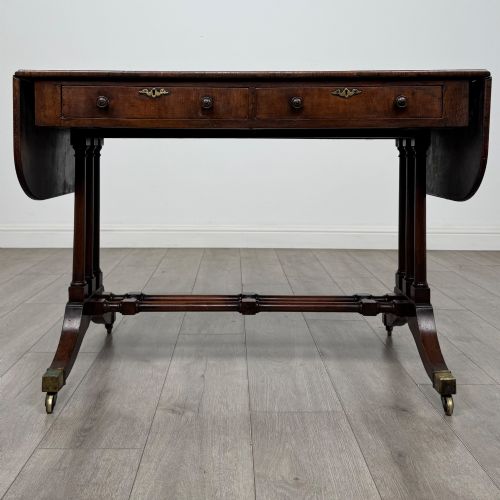
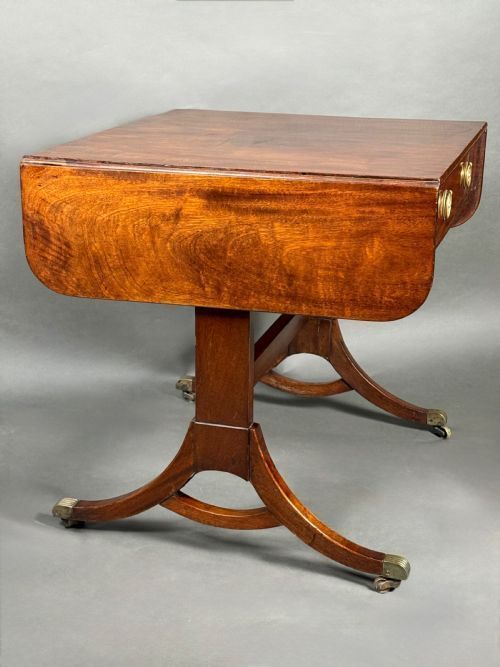
A georgian brass castor table is a timber dining, tea or side table set on brass castors, built for mobility in formal rooms.
Georgian Brass Castor Table
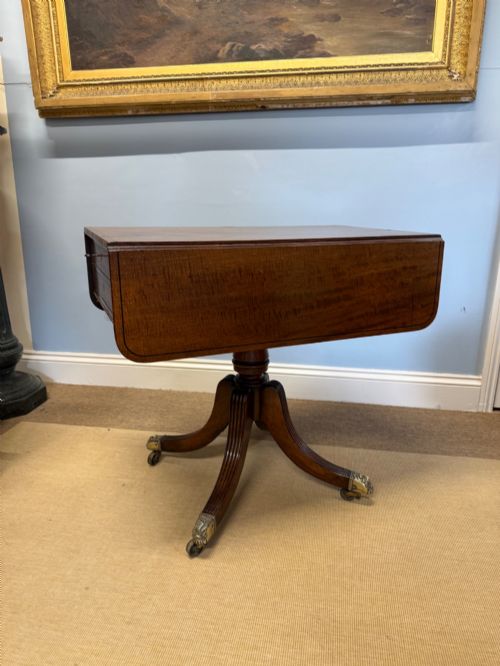
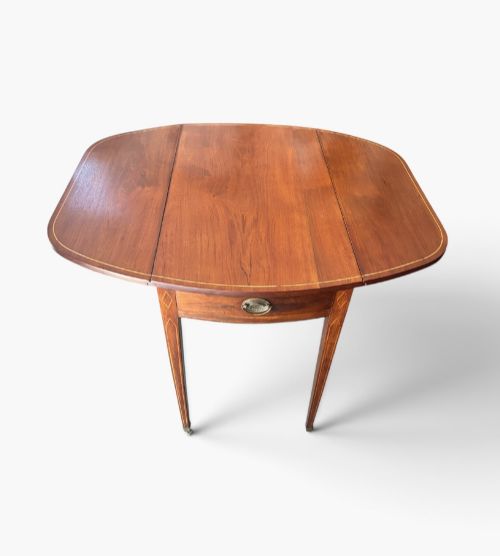
When buyers search for a georgian brass castor table, they encounter various forms such as dining tables, sofa tables, Pembroke tables, tea tables, and desks spanning the Georgian, Regency, and Victorian eras, alongside later revivals.
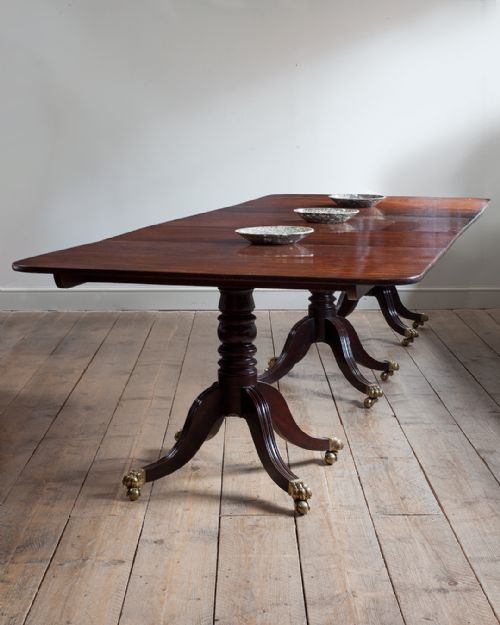
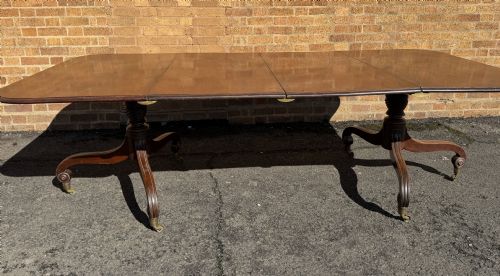
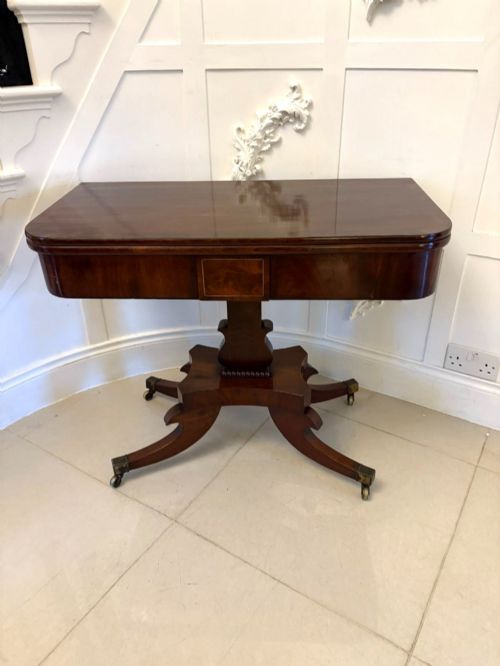
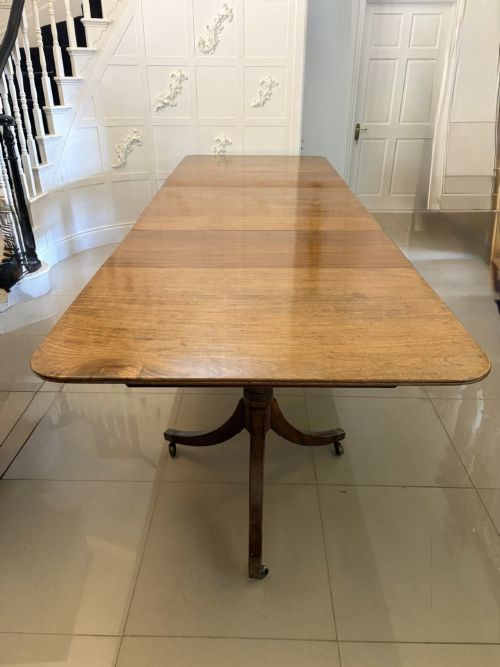
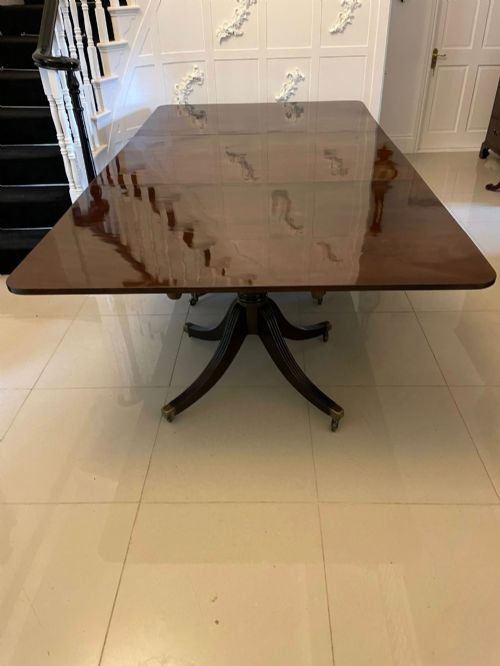
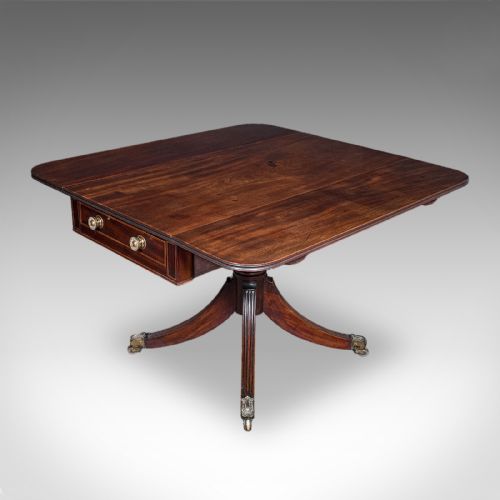
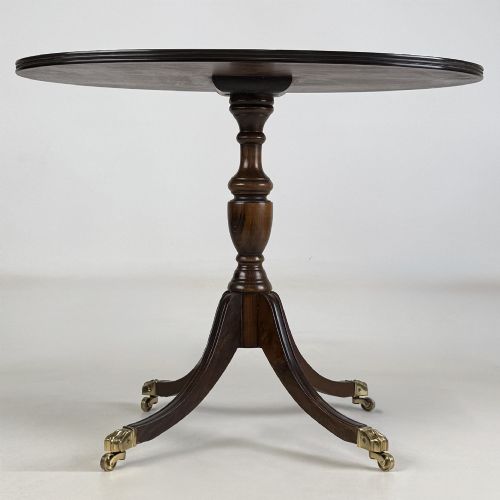
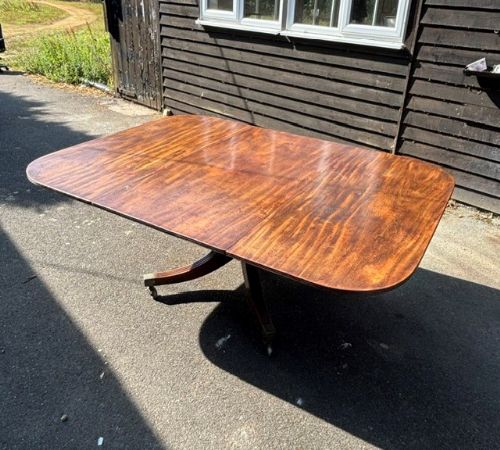
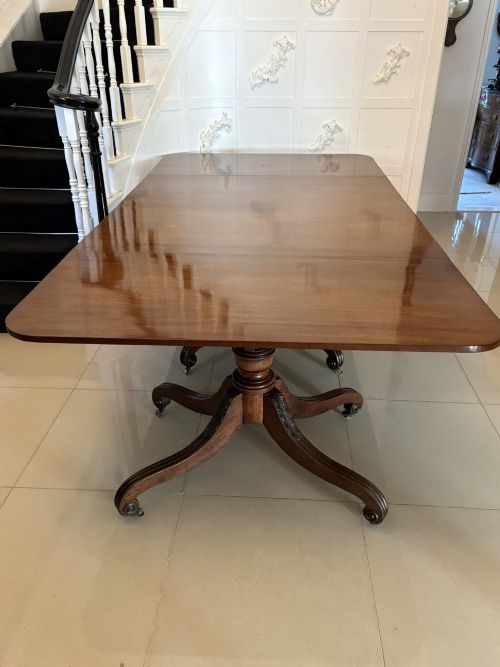
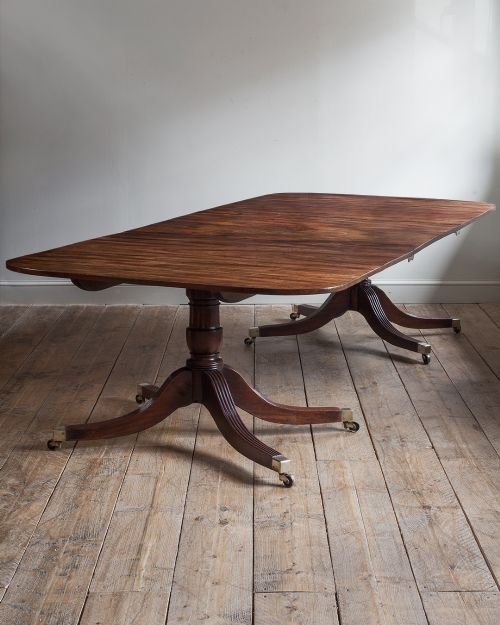
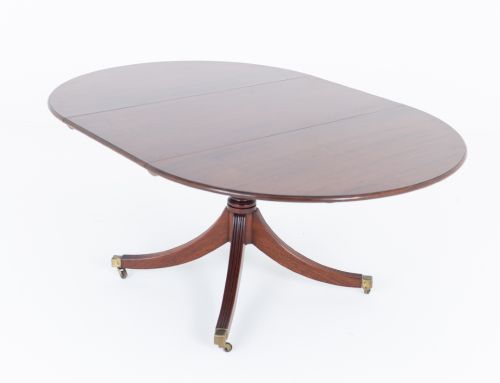
The pieces appearing on this page predominantly take the form of mahogany dining tables and occasional tables resting on pedestals or legs fitted with brass castors for ease of movement.
Originating largely from the eighteenth and nineteenth centuries, these items represent the domestic furniture styles of the Georgian and Regency periods, including later revival pieces from the twentieth century.
Materials and Construction
Cabinet makers utilised dense timbers like mahogany, rosewood, satinwood, and oak, often selecting figured veneers such as flame mahogany or burr oak to create polished surfaces.
Metal elements, specifically brass, form the castors mounted to the feet, while decorative details sometimes incorporate boxwood inlay and gilt work.
Tables were constructed with pedestal pillars, drop leaves, or extending mechanisms supported by timber frames and brass hardware.
Georgian Brass Castor Table Retail Price Guide 2026
Typical asking prices for georgian brass castor table among the pieces listed under this phrase on Sellingantiques today, from the lower quarter to the upper quarter. They describe what is for sale here now, not the wider market.
Tables roll so freely on their brass castors that a gentle push sends them gliding across the floor.
Judging Quality
Quality rests upon the selection of timber figures, such as flame mahogany or rosewood, and the crispness of any inlay work or brass mountings.
Construction methods, including stable pedestal bases and smooth mechanisms for extending dining tables or dropping leaves, determine durability and function.
Proportion and the preservation of original brass castors distinguish superior examples from later revivals or altered pieces.
Thomas Butler of London
The Georgian Brass Castor Table Glossary
- Castor
- A small wheel fitted to the foot of a piece of furniture for ease of movement. These are frequently cast in brass on Georgian tables.
- Pembroke table
- A small table with hinged drop leaves on either side. It typically includes one or more drawers.
- Pedestal table
- A table supported by a central pillar resting on feet. Larger dining versions often utilise multiple pillars.
- Drum table
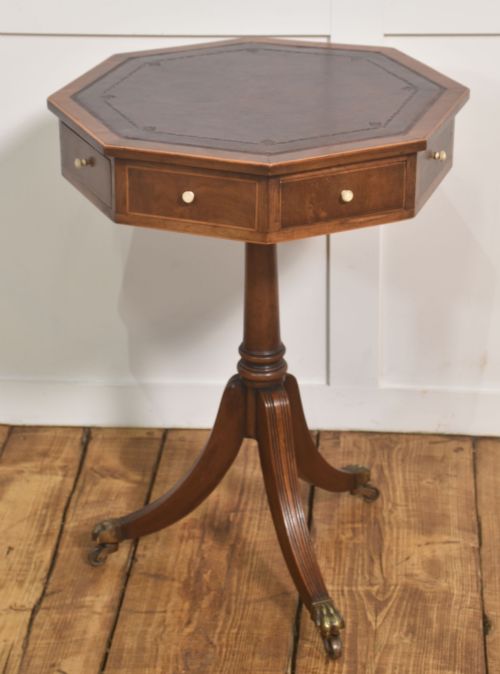
- A circular library or centre table with a deep top resembling a drum. It often contains drawers around the frieze.
Georgian Brass Castor Table: Frequently Asked Questions
What is a brass castor table?
A brass castor table is a wooden table mounted on small metal wheels to allow smooth repositioning across a room.
These tables date principally from the Georgian and Regency periods, serving varied functions from dining to needlework.
How do I identify a Georgian table?
Georgian tables are characterised by heavy timber construction, predominantly in mahogany or rosewood, combined with classical proportions.
Details like brass castors, boxwood inlay, and pedestal bases help confirm the period and stylistic origin.
Where were these tables used?
These pieces sat in formal dining rooms, libraries, and drawing rooms of large townhouses and country estates.
Their mobility allowed servants to clear rooms or reconfigure furniture for different household activities.
Are drop leaf tables sturdy?
Drop leaf tables utilise hinged flaps supported by swing brackets to extend the surface area when required.
Properly maintained hinges and wooden supports provide a stable platform for everyday dining or tea service.