



Brown Oak Supper Table
These brown oak supper tables bring rich native grain and centuries of domestic craft straight into your dining room.
Brown Oak Supper Table
A brown oak supper table is a sturdy domestic surface designed for evening meals, appearing in forms ranging from gateleg drop-leaf constructions to pedestal and tripod formats. These pieces reflect centuries of woodworking traditions across British and Scottish country houses and farmhouses.
The versions most commonly met on this page span the seventeenth century through to the Victorian era, alongside Georgian and early twentieth-century examples. They utilise native oak timber, often displaying the deep tones and characterful grain that develop in mature trees over long periods.
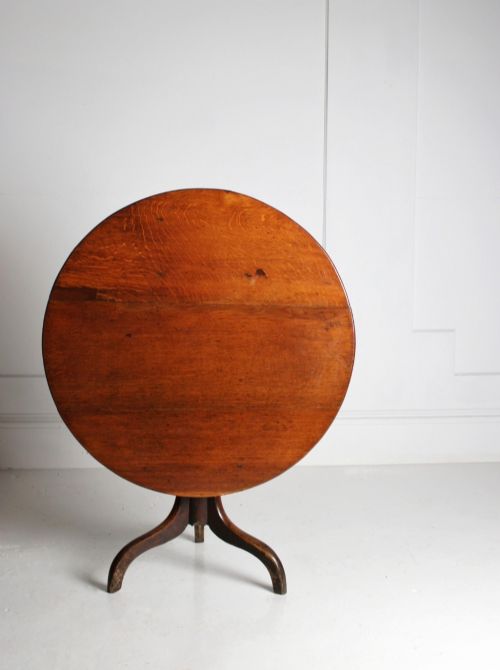
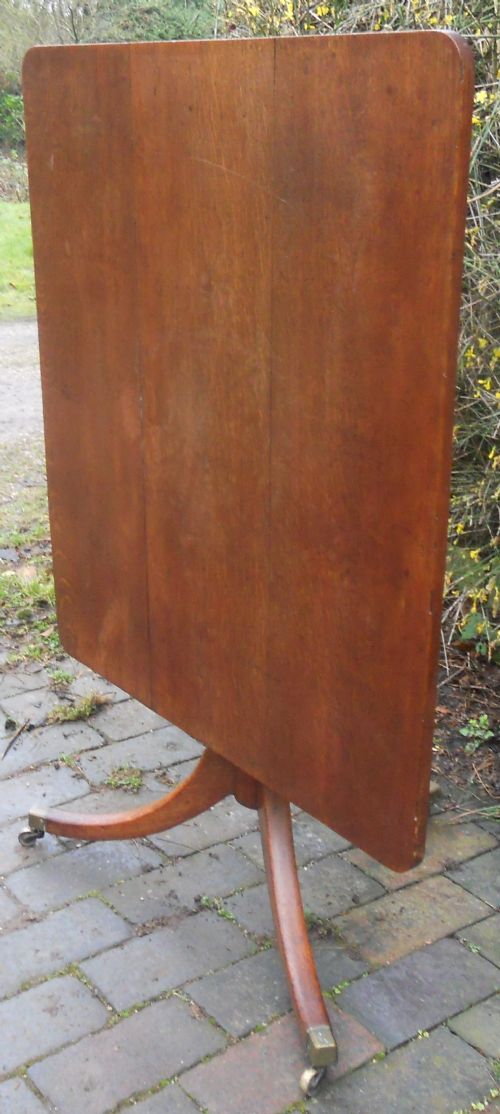
Buyers encounter formats such as oval gateleg dining tables, tilt-top tripod tables, and pedestal supper tables. Each piece serves both as a practical dining surface and as a substantial centrepiece with distinct historical lineage.
How they were made
Cabinet makers constructed these tables primarily from solid oak timber, utilising traditional joinery methods suited to heavy daily use. Gateleg mechanisms and drop leaves allowed tables to expand for dining and fold down to save floor space.
Tripod and pedestal variants frequently incorporated tilt-top actions, allowing the surface to tip vertically when not in use. Metal and brass fittings occasionally appear as hinges, latches, or movement components supporting the wooden structure.
Listings feature oak tables spanning the seventeenth century through to the Victorian era, including Georgian and early twentieth-century examples.
What varies in quality
Quality in these tables rests in the depth of the timber's grain and the integrity of the original construction. Superior pieces maintain tight joinery and smooth mechanical action in their drop leaves or tilt-top mechanisms without excessive modern replacement parts.
The character of the oak surface defines the visual appeal, where mature grain patterns and honest patination distinguish better examples from simpler utilitarian pieces.
The Brown Oak Supper Table Glossary
- Gateleg table
- A table with hinged leaves supported by swing-out legs that fold away when the leaves drop. This design allowed large dining surfaces to be stored compactly against a wall.
- Tilt-top table
- A table featuring a mechanism that allows the top to pivot into a vertical position. This saved valuable floor space in smaller rooms between meals.
- Tripod table
- A small freestanding table supported by a pillar above three spreading feet. These nimble pieces served various occasional and dining functions in period interiors.
- Barley twist
- A type of turned wooden leg carved in a helical screw pattern. This decorative turning style became particularly popular in seventeenth-century and later revival furniture.
- Patina
- The surface sheen and colour acquired by wood through age, handling, and regular waxing. It serves as a visual indicator of a piece's authenticity and history.
Brown Oak Supper Table: Frequently Asked Questions
How do I use a drop leaf table?
Raise the hinged side leaves and swing out the supporting gate legs to lock the surface into position for dining. When the meal concludes, swing the legs back and drop the leaves to reduce the footprint.
Ensure you clear heavy items from the leaves before operating the mechanism to maintain the stability of the antique hinges.
Where were these tables placed?
These tables served primarily in country kitchens, parlours, and dining rooms of historical homes. Their adaptable sizes accommodated everything from hurried breakfast meals to large evening suppers.
Smaller tripod and tilt-top variants moved easily around the room to suit the domestic activities of the household.
How do I care for old oak?
Maintain the timber by applying natural beeswax sparingly and buffing gently with a soft cloth to preserve the finish. Keep the wood away from direct heat sources and sudden temperature shifts to prevent warping.
Use coasters and placemats to protect the historic surface from moisture and heat rings during everyday use.
How do I date an oak table?
Examine the construction methods, tool marks, and hardware types visible beneath the top and along the frame. Hand-cut joinery and traditional fixings indicate older craftsmanship, while revival styles often point to later manufacturing dates.
The colour and grain of the oak timber also offer clues regarding the period of the tree's harvest.