


Antique Wooden Occasion Table
These antique wooden occasion table pieces bring tactile warmth to a room, offering compact surfaces crafted in mahogany, rosewood, and satinwood across multiple historical periods.
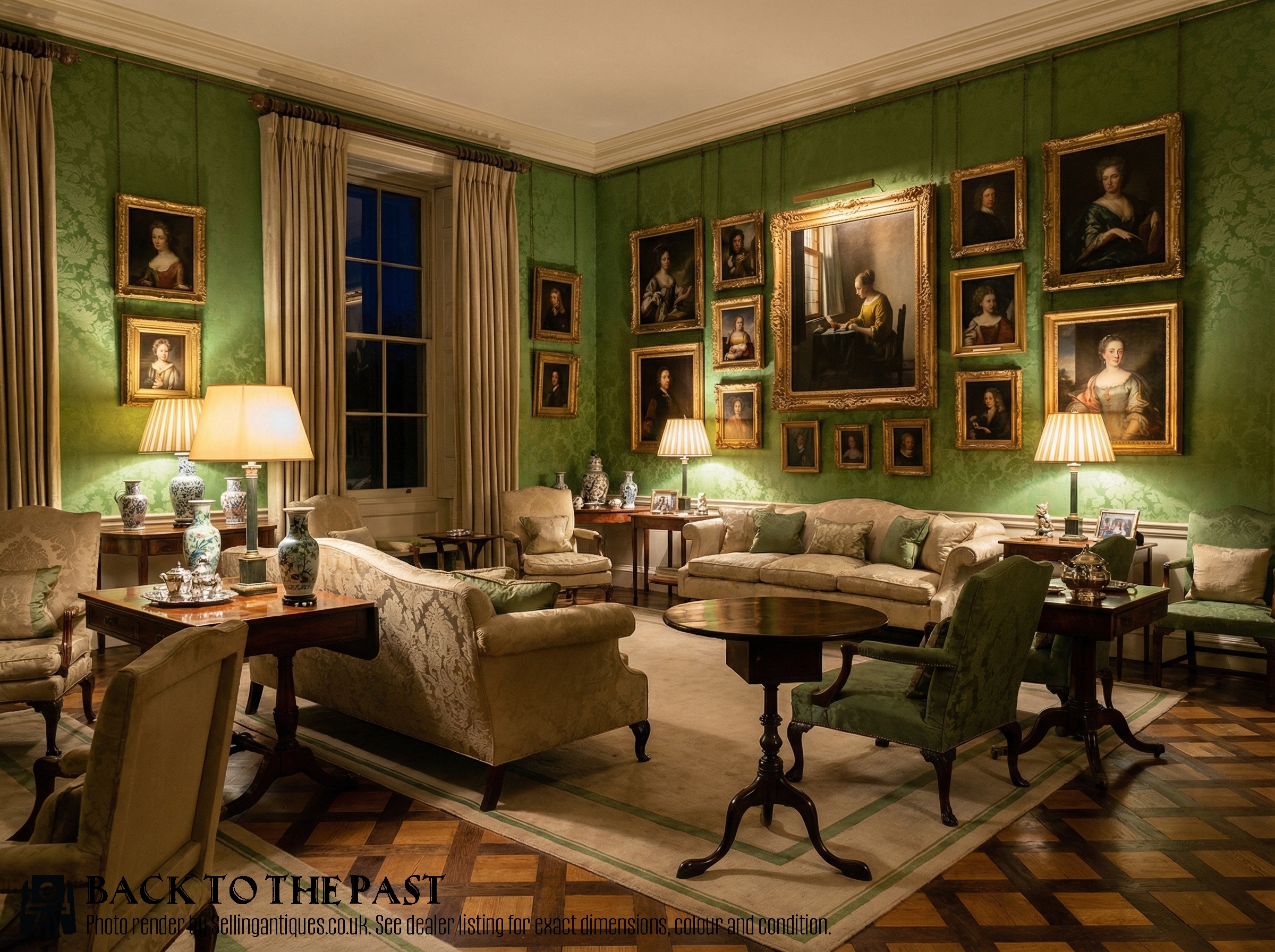
Antique Wooden Occasion Table
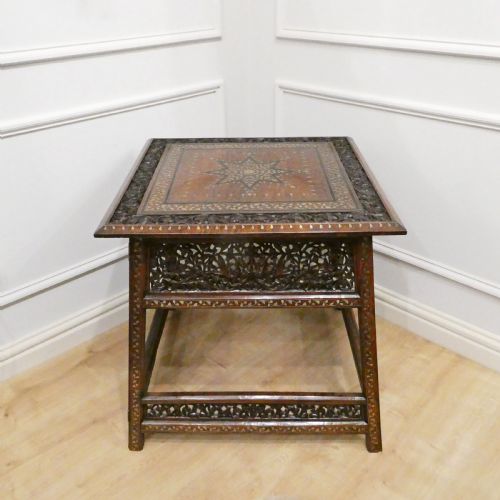
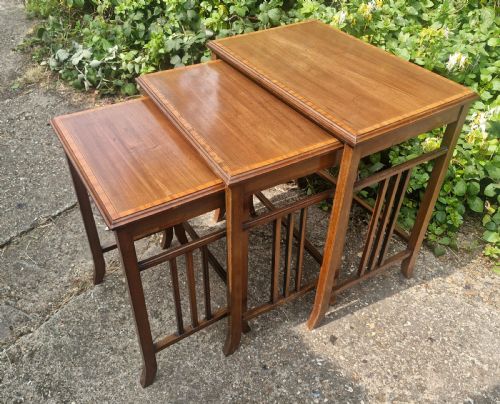
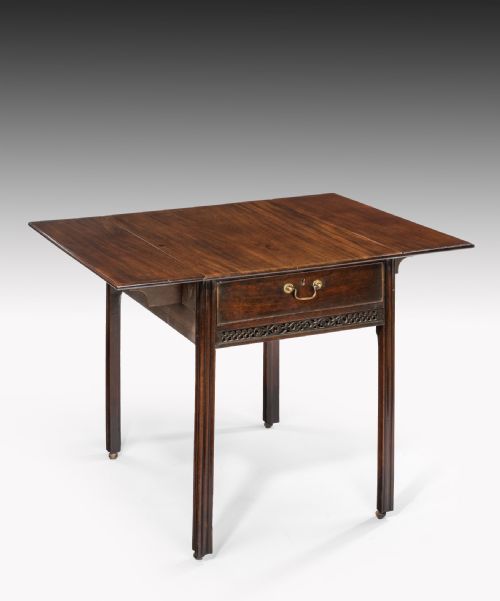
An antique wooden occasion table covers a diverse array of small, movable surfaces designed for flexible use in period interiors. The selection on this page ranges from Georgian Pembroke tables and tripod supper tables to Victorian nests of tables, Edwardian inlaid designs, and intricately decorated Anglo-Indian pieces.
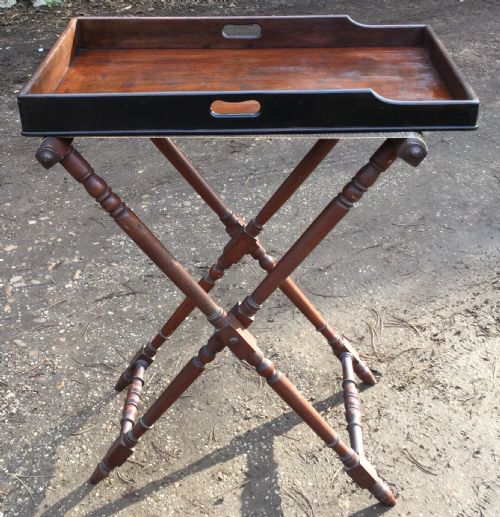
Buyers will most frequently encounter mahogany and rosewood examples originating from the Georgian, Victorian, and Edwardian eras. Forms vary from simple circular centre tables and butler trays on stands to quartetto tables and nests of four.
Origin and stylistic influence span from British cabinetmaking traditions to Anglo-Indian brass inlay and Qing Dynasty Chinese forms. Each piece serves as a functional minor table intended to be moved easily around a drawing room or bedroom as needed.
Materials and construction
Construction techniques include traditional joinery adapted for tripod bases, tilt-top mechanisms, and interlocking nests of tables. Surface decoration incorporates brass inlay and detailed carving, visible on pieces originating from Hoshiarpur and Middle Eastern workshops.
Antique Wooden Occasion Table Retail Price Guide 2026
Typical asking prices for wooden occasion table among the pieces listed under this phrase on Sellingantiques today, from the lower quarter to the upper quarter. They describe what is for sale here now, not the wider market.
Listings feature mahogany, rosewood, satinwood, and hardwood, spanning the Georgian, Victorian, Edwardian, and Regency periods.
What separates the fine examples
Quality rests in the precision of the timber selection and the restraint of the decorative elements. Finely figured mahogany grain and crisp execution of brass inlay distinguish superior workshop production from simpler vernacular pieces.
Structural integrity of mechanisms such as birdcage tripod joints or the interlocking fit of quartetto tables dictates the enduring utility of the piece. The depth and clarity of hand carving on Anglo-Indian surfaces further separate exceptional examples from standard production.
John Bivins·Gillows
The Antique Wooden Occasion Table Glossary
- Quartetto tables
- A set of four graduating tables designed to slide neatly underneath one another. This form became popular during the Regency period.
- Tripod table
- A small circular table supported by a pillar above three spreading legs. Many examples include a tilt-top mechanism for convenient storage.
- Birdcage
- A timber framework beneath the top of a tripod table that allows the surface to both rotate and tilt. It sits directly above the central column.
- Butler tray on stand
- A removable wooden tray with shaped gallery sides resting upon a folding or fixed wooden base. These pieces served practical domestic functions in 19th-century households.
Antique Wooden Occasion Table: Frequently Asked Questions
How were occasion tables used originally?
These small movable tables were designed to be placed beside seating areas for holding drinks, books, or needlework. Their lightweight construction allowed servants or residents to reposition them easily around the room as daily activities shifted.
In bedrooms or parlours, specific forms like Pembroke tables and nests of tables provided adaptable surfaces without permanently occupying significant floor space.
How do I identify a Georgian table?
Georgian tables, dating from the mid to late 18th century, typically feature dense mahogany timber with rich patination. Look for classic proportions, hand-cut joinery, and traditional details such as tripod pillar supports or Pembroke drop leaves.
Earlier examples often display architectural influences and restrained carving, distinguishing them from the more eclectic revival styles of the Victorian era.
Are nest of tables a Victorian invention?
While nested tables gained widespread popularity during the Victorian and Edwardian periods, earlier precedents exist, including Regency quartetto tables attributed to makers like Gillows. The form evolved to maximise space in smaller drawing rooms.
Victorian and Edwardian versions frequently incorporate satinwood inlay or exotic hardwoods, reflecting the tastes of the later 19th and early 20th centuries.
How do I care for wooden occasion tables?
Protect the timber surface by avoiding direct sunlight and maintaining stable room humidity to prevent wood shrinkage or splitting. Regular dusting with a soft, dry cloth preserves the antique polish without the need for heavy chemical waxes.
Treat hinged flaps on Pembroke tables and tilt-top mechanisms with care when adjusting their position to avoid straining original pivot points.