




Georgian Blue Glass
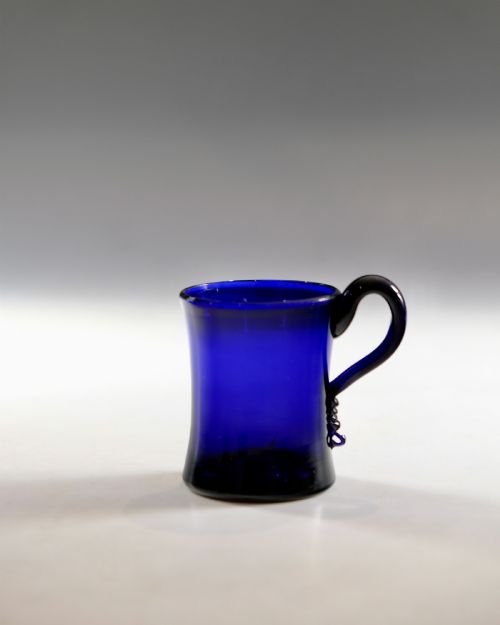
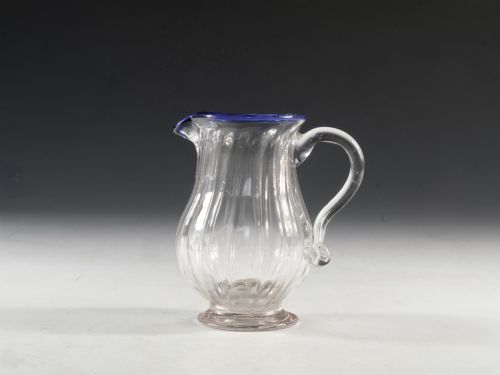
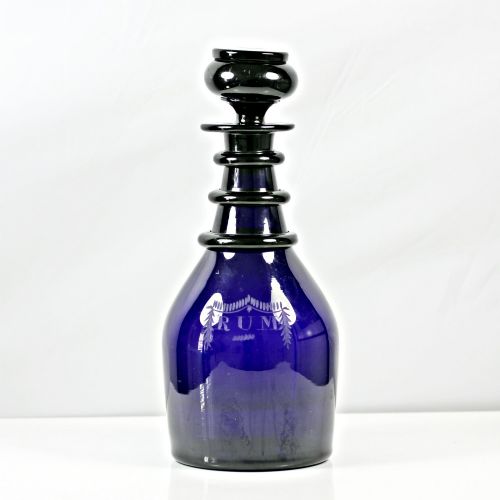
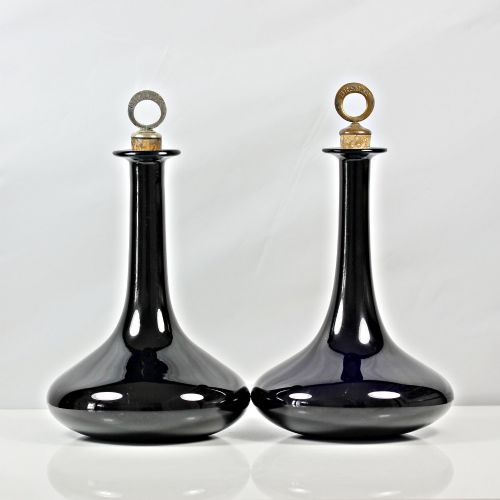
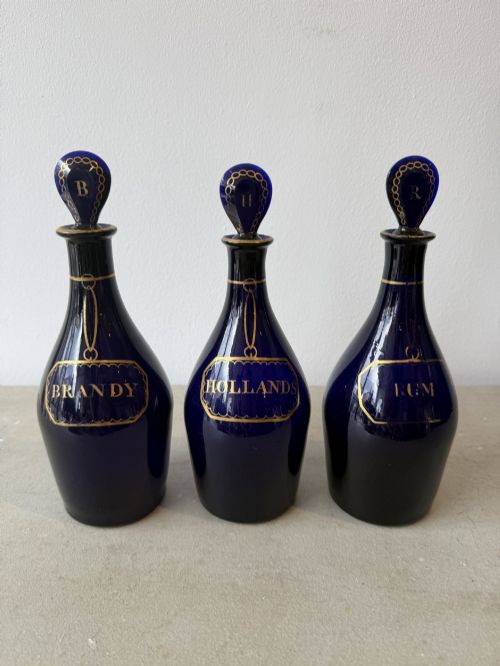
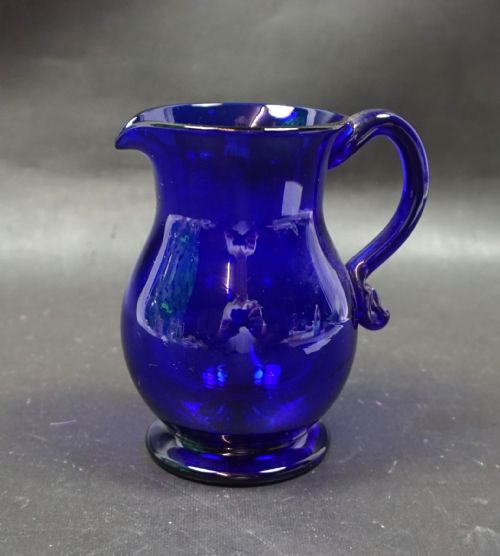
Georgian blue glass encompasses deep cobalt decanters, vibrant wine glasses, and delicate cream jugs that bring rich colour and tactile weight to a dining table.
Georgian Blue Glass
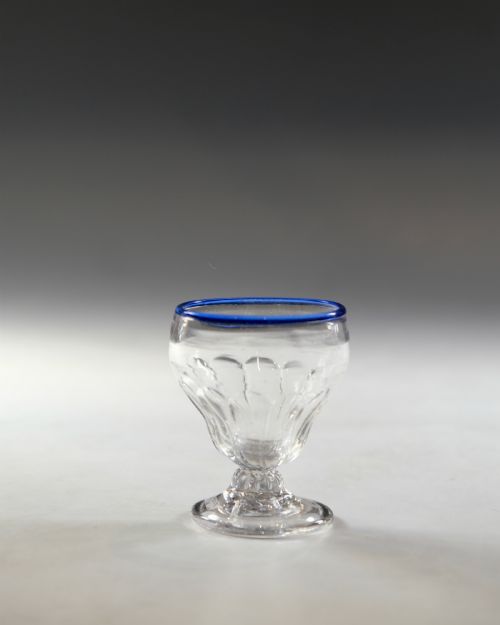
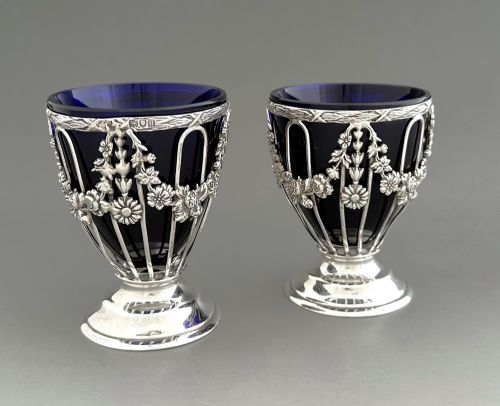
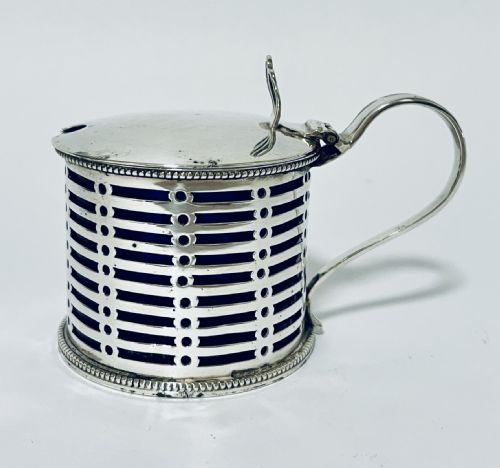
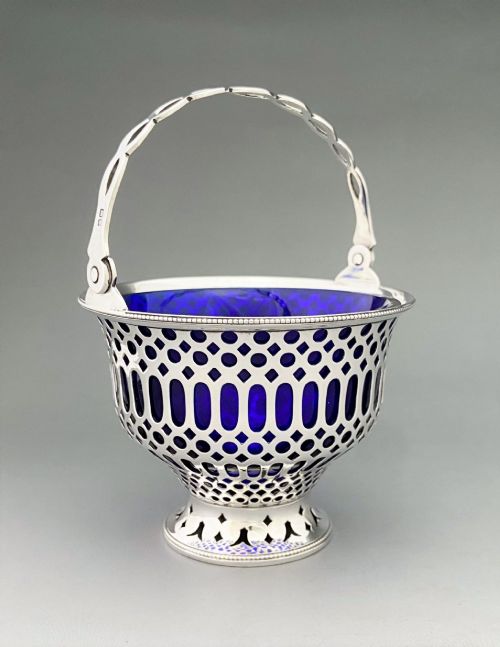
Many domestic forms integrate this striking glass with precious metals. You find clear or white glass vessels finished with applied blue rims alongside solid glass pieces paired with sterling silver frames, wirework baskets, and mustard pots.
The material also appears in smaller decorative objects and table settings. Surviving examples include egg cups, bonnet glasses, and condiment bottles created during the Georgian and Regency periods.
Materials and Manufacture
Makers produced these items primarily from lead glass and cobalt glass, utilising methods such as free-blowing, mould-blowing, and hand-manipulation. Artisans achieved the intense blue colour by introducing metallic oxides into the molten batch during production.
Finishing techniques involved applying contrasting glass rims, hand-painting, gilding, and creating wrythen or panel-moulded surface textures. Artisans frequently combined the blown glass components with silver mounts, wirework frames, and gold leaf details.
Witches balls appear among the glass selections, historically hung in windows to trap evil spirits with their mesmerising cobalt gaze.
Assessing Quality and Execution
Quality rests upon the depth and saturation of the glass colour alongside the precision of the form. Hand-blown vessels with balanced proportions, clean pontil marks, and crisp surface ribbing or wrythen optical effects demonstrate superior craftsmanship.
The integration of secondary materials further differentiates the pieces. Refinement shows in the delicacy of silver wirework mounts, the accuracy of hand-painted or gilt decoration, and the harmonious fit between glass liners and their metal frames.
Henry Ricketts·Aldridge & Green·Charles Stuart Harris
The Georgian Blue Glass Glossary
- Bristol Blue
- A deep, vibrant cobalt blue glass historically associated with production in Bristol. It gained widespread popularity during the late eighteenth and early nineteenth centuries for decorative tableware.
- Mell Decanter
- A mallet-shaped decanter with a heavy base and tapering sides. This specific silhouette provided stability on ships and crowded dining tables.
- Bonnet Glass
- A small standing glass with an ogee or flared bowl used for serving sweetmeats or desserts. They frequently feature delicate blue rims or wrythen moulding.
- Wrythen
- A spiral or twisted optic moulded pattern created while blowing the glass. This technique catches the light and adds texture to the surface.
- Pontil Mark
- The rough scar left on the base of a blown glass vessel where the pontil rod was attached. Its presence confirms hand-blown manufacture.
Georgian Blue Glass: Frequently Asked Questions
Were these pieces used daily?
Many items served practical functions in period dining rooms, holding wine, spirits, mustard, condiments, and cream. Wealthy households utilised them during formal meals and tea service.
Over time, delicate tableware transitioned from active service to display. Today, collectors preserve them as decorative examples of early manufacturing.
How can I date blue glass?
Examine the base for pontil marks, wear patterns, and manufacturing irregularities typical of hand-blown production. Tool marks and metal frames often provide clues to the period of origin.
Cross-reference the silhouette and any associated silver hallmarks with known stylistic timelines. Georgian and Regency pieces show distinct decorative traits compared to later Victorian revivals.
Is all blue glass from Bristol?
While the term Bristol blue is widely used in trade, cobalt glass was produced across various English and Irish glasshouses. Many regional workshops mastered the cobalt recipe during the Georgian era.
Attribution generally relies on distinct stylistic traits and provenance rather than strict geographical origin. Similar colour saturation appeared across numerous manufacturing centres.