
George V Silver Tableware
George v silver tableware brings together practical items from an era of fine metalwork, prized for daily use and traditional display.
George V Silver Tableware
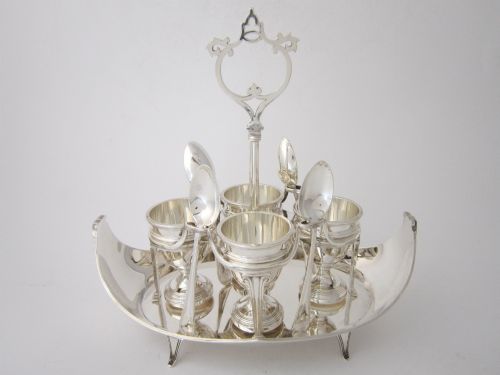
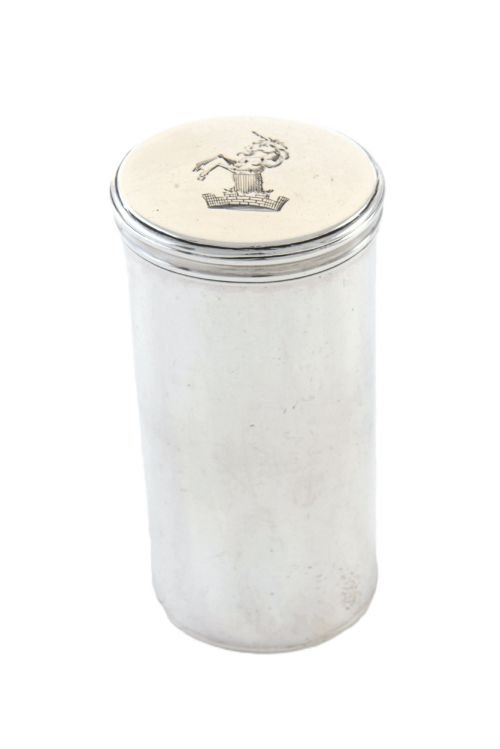
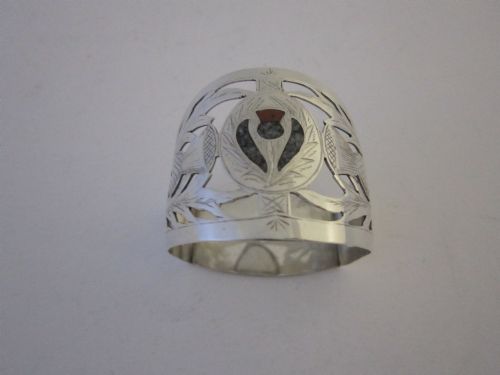
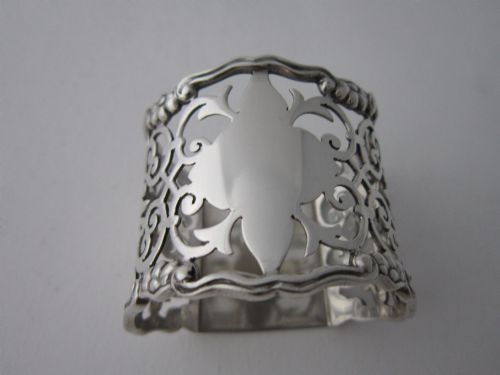
When you search for george v silver tableware, you encounter functional dining implements spanning napkin rings, sugar shakers, sauce boats, and cruet sets. These pieces reflect the domestic habits of the early twentieth century alongside earlier Georgian survivals.
The items you meet most frequently on this page range from heavy sterling silver napkin rings to condiment sets and table candlesticks. Makers utilised traditional forms while occasionally incorporating contemporary decorative treatments.
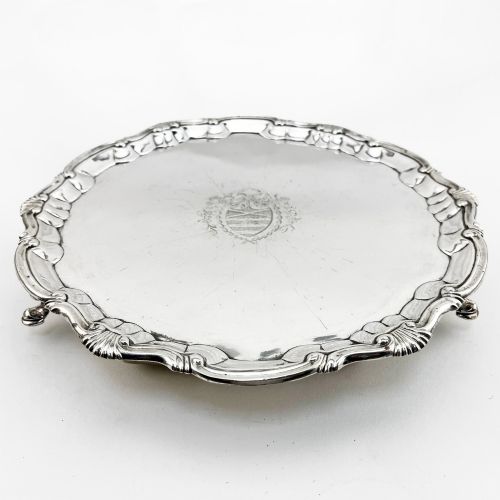
Objects span multiple eras despite the primary style, incorporating items from the eighteenth and nineteenth centuries alongside the 1910, 1920, and 1930 decades. This variety provides a broad selection of table accessories for collectors.
Materials and construction
Articles are fashioned predominantly from sterling silver, occasionally paired with auxiliary materials such as glass, agate, velvet, and silk. Workshops also produced pieces in silver gilt for enhanced visual impact.
Techniques combine hand hammering with traditional casting and piercing methods, resulting in sturdy structures designed for regular service. Details like engraved patterns and applied borders require skilled manual execution.
Among the dining implements, novelty silver harlequin monkey sugar tongs bring a touch of Victorian theatricality to tea service.
Evaluating quality and execution
The standard of execution separates everyday utility items from superior examples, visible in the crispness of chased decoration and the weight of the silver. Substantial gauge metal ensures durability and a satisfying balance in the hand.
Maker marks and clear assay hallmarks contribute significantly to the standing of a piece, confirming its origin and date. Well-preserved original cases and fitted elements also elevate the overall standard of the object.
ALBERT EDWARD JONES·William Plummer·David Hennell·William Neale·John Edmonstone·John Emes·William Bennett·Thomas Tookey
The George V Silver Tableware Glossary
- Sterling silver
- A silver alloy containing 92.5 percent pure silver and 7.5 percent other metals, usually copper, chosen for strength. This standard is the predominant material for British dining items.
- Sauce boat
- An open vessel with a lip and handle used for serving gravies or sauces at the table. These often stand on three small feet or an integral base.
- Cruet set
- A matched group of glass or silver containers holding condiments such as mustard, pepper, and vinegar. They sit together in a designated frame or stand.
- Napkin ring
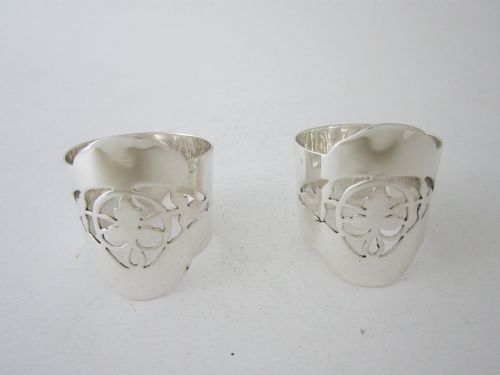
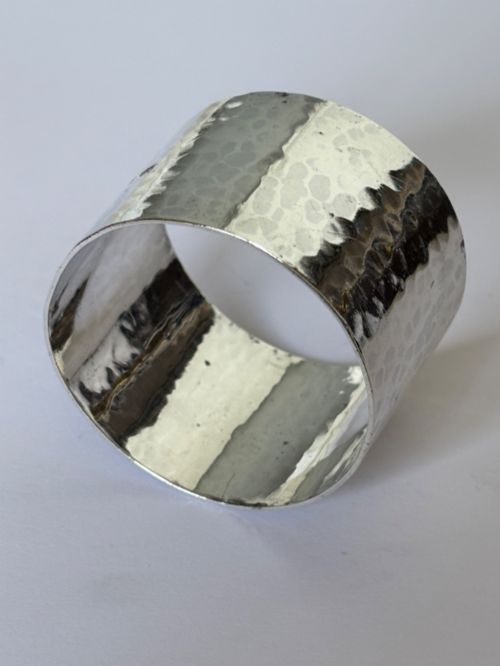
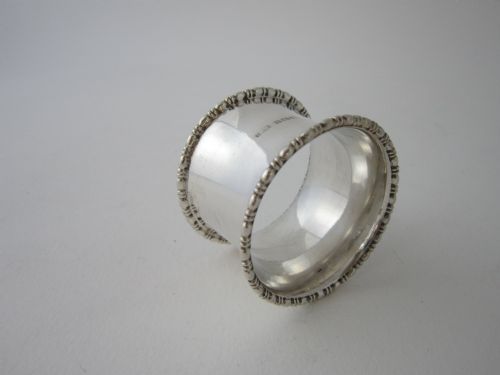
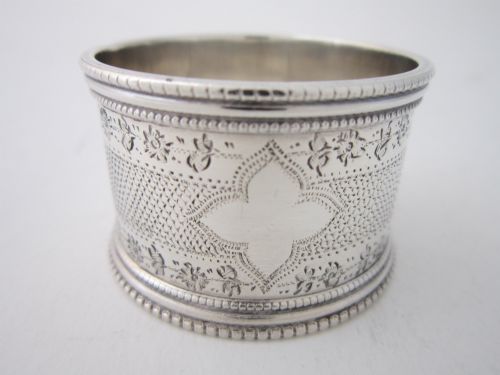
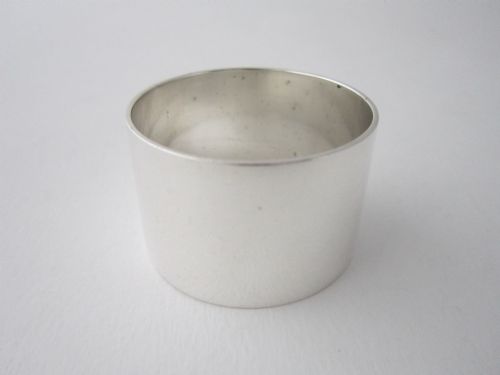
- A small band used to identify individual table napkins between meals. Examples from the early twentieth century often display hammered textures.
- Sugar caster
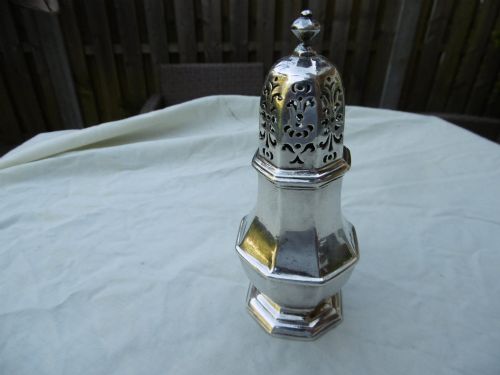
- A perforated jar or shaker utilised for dusting sugar over food items. They typically feature a pierced top that unscrews for refilling.
George V Silver Tableware: Frequently Asked Questions
What is george v silver tableware?
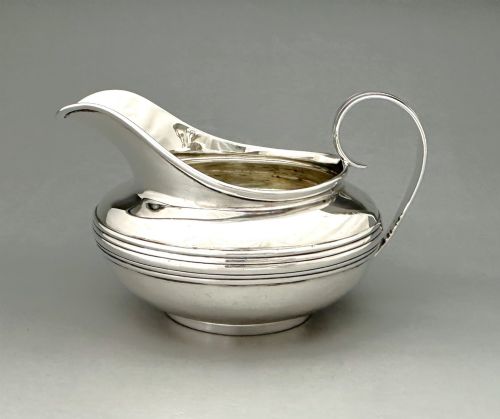
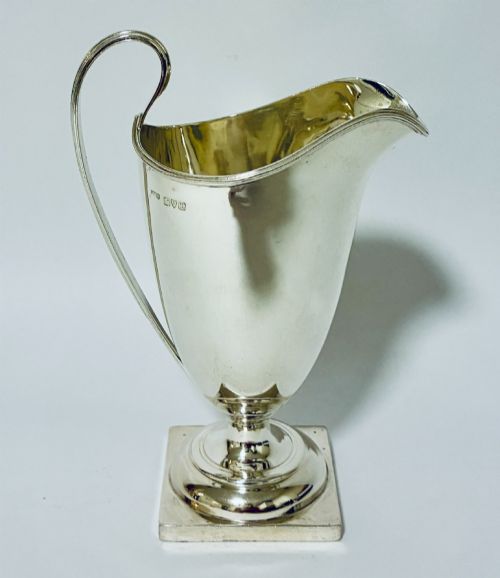
George v silver tableware comprises dining accessories and serving pieces produced during the reign of King George V, alongside related items from adjacent periods. These objects include napkin rings, cream jugs, and condiment jars.
Collectors value these pieces for their combination of traditional craftsmanship and functional utility on the dining table. They reflect the social dining customs of the early twentieth century.
How do I identify periods?
Identifying periods relies on examining the hallmarks stamped onto the metal, which record the assay office, date letter, and maker's mark. Stylistic cues such as Neoliberal or Art Deco influences also help determine the era.
Comparing object forms against documented historical designs provides further confirmation of manufacture dates. Hallmarks remain the most reliable method for precise dating.
How were these pieces used?
These items served functional roles during formal and everyday meals, from holding condiments to serving sauces and straining liquids. Napkin rings kept personal linens organised between dining occasions.
Many objects were also given as gifts to mark significant life events such as christenings or weddings. Their daily use integrated fine metalwork into ordinary domestic routines.
How do I care for silver?
Maintaining silver tableware involves regular gentle cleaning with appropriate polishes to remove tarnish without abrading the metal surface. Proper storage in dry conditions prevents excessive oxidation.
Avoiding harsh chemicals and abrasive cloths preserves delicate hallmarks and engraved details over time. Routine upkeep ensures the metal retains its intended finish.