



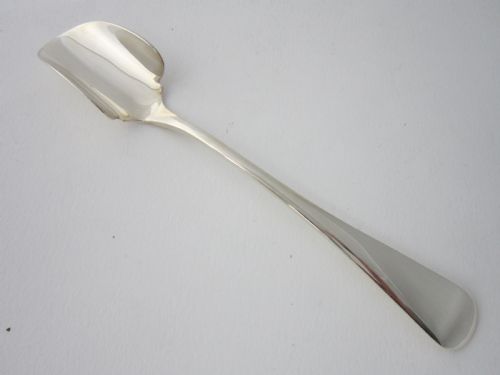


George V Silver Spoon
A george v silver spoon brings the refined flatware craftsmanship of the early twentieth century straight to the table.
What these pieces are
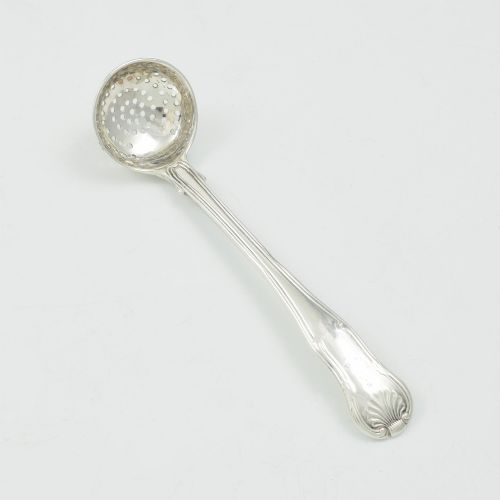
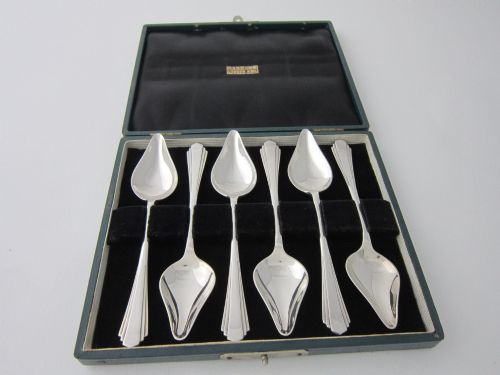
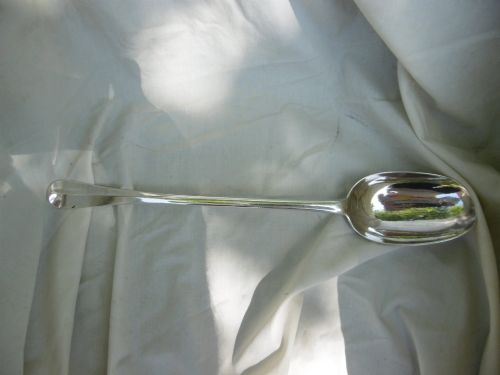
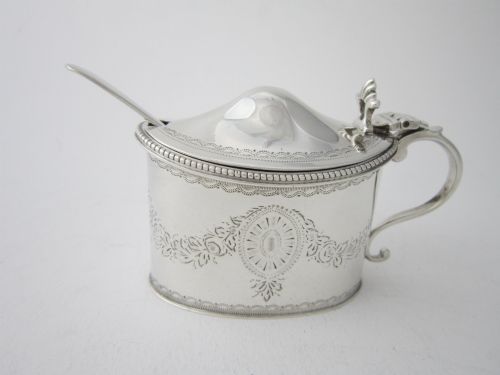
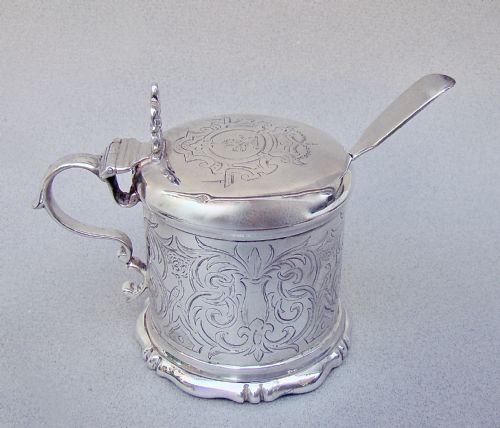
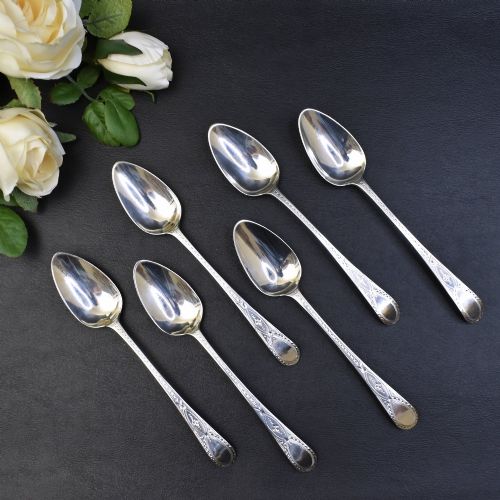
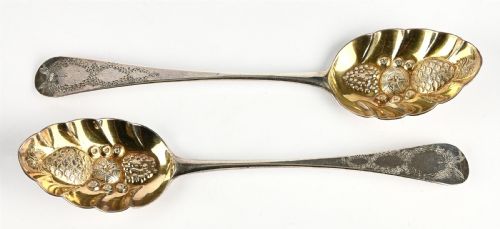
A george v silver spoon comprises a variety of flatware forms originating primarily from the years 1910 and 1920. The selection includes specific functional designs such as caddy spoons, egg spoons, tea spoons, dessert spoons, and table spoons.
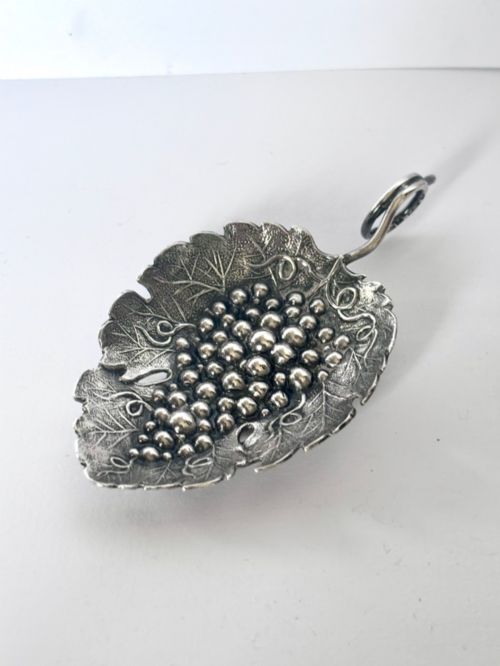
Caddy spoons appear frequently, sometimes fashioned into novelty shapes including jockey caps and shell bowls. Alongside these individual items, matched sets and boxed preserves complete the typical forms found within this style.
What varies in quality
Quality rests in the crispness of the original chasing, the weight of the solid silver, and the clarity of the Birmingham, London, or Sheffield hallmarks. Novelty configurations like jockey caps or shell bowls demand higher skill from the silversmith.
The integrity of the form and the preservation of any delicate engraving separate standard production flatware from superior examples.
Tea lovers can measure their morning brew with a silver jockey cap.
LEE & WIGFULL·J Thompson & Sons·CW Fletcher & Son·WILLIAM NEALE·Copper Brothers and Sons·George Unite·Henry Wilkenson
The George V Silver Spoon Glossary
- Sterling silver
- An alloy consisting of 92.5 percent silver and 7.5 percent other metals, usually copper, chosen for durability in tableware. This standard has governed British silver production for centuries.
- Caddy spoon
- A short-handled spoon specifically designed for measuring loose tea leaves from a caddy. These small spoons often feature decorative shell bowls or novelty handles.
- Hallmark
- A series of official marks stamped onto precious metal items to guarantee the purity of the silver, the maker, and the year of assay. British pieces typically show a leopard head, lion passant, or anchor alongside date letters.
- Assay office
- An official body charged with testing the purity of precious metals and stamping them with hallmarks. Cities like Sheffield, London, and Birmingham operated prominent offices during the period.
Frequently Asked Questions
What is a caddy spoon used for?
A caddy spoon was specifically designed to scoop dried tea leaves from a storage caddy into a teapot. Their short handles and decorative bowls allowed them to sit neatly inside or beside the tea canister.
Today, collectors prize these miniature spoons for their diverse novelty shapes, including jockey caps and shell designs, rather than for daily tea preparation.
How do I date a silver spoon?
Dating a British silver spoon involves reading the hallmarks stamped into the metal by the assay office. A specific letter punch corresponds to the year the piece was tested and entered the market.
Additional marks identify the city of assay, such as the anchor for Birmingham or the crown for Sheffield, alongside the registered mark of the silversmith.
What is the difference between sterling and solid silver?
Sterling silver is a specific standard alloy containing 92.5 percent pure silver combined with 7.5 percent other metals to add strength. Solid silver generally refers to the same material, denoting that the object is made throughout from silver rather than plated.
Both terms guarantee that the piece possesses intrinsic metallic value beneath its decorative form and silversmith marks.
How should I store antique spoons?
Antique silver spoons benefit from storage in tarnish-resistant cloth rolls or lined wooden boxes away from direct sunlight and damp environments. Minimising exposure to circulating air reduces the frequency with which the silver requires polishing.
Handling the flatware gently and keeping pieces separated prevents surface scratching on the delicate bowls and engraved handles.