



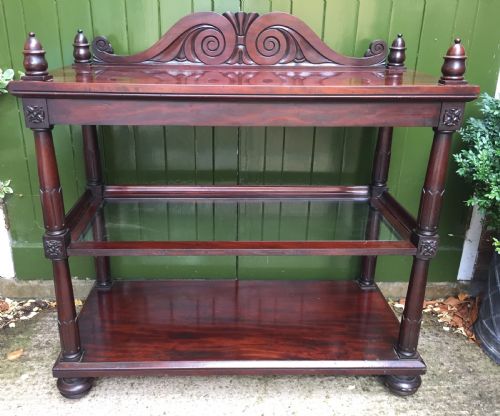


George IV Sideboard
A george iv sideboard brings architectural dignity and rich timber grain to a dining room, offering substantial storage with classic proportions.
George IV Sideboard
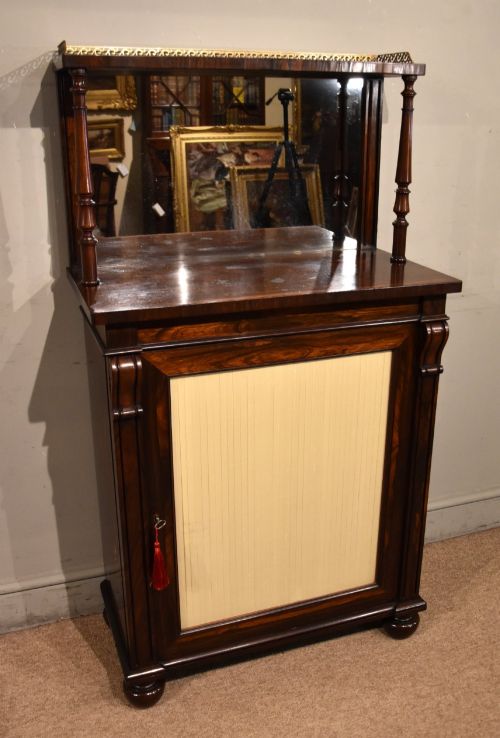
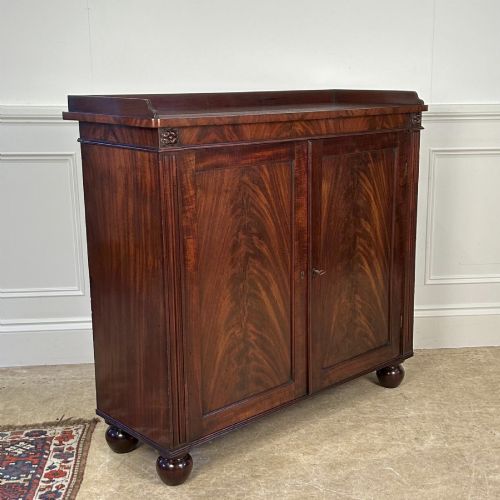
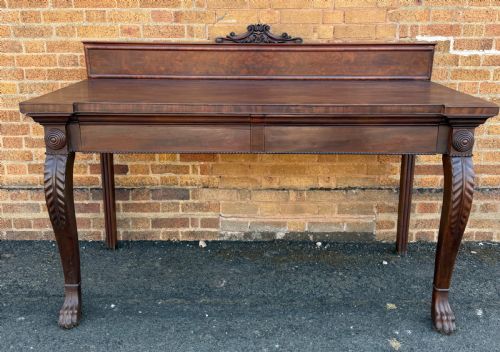
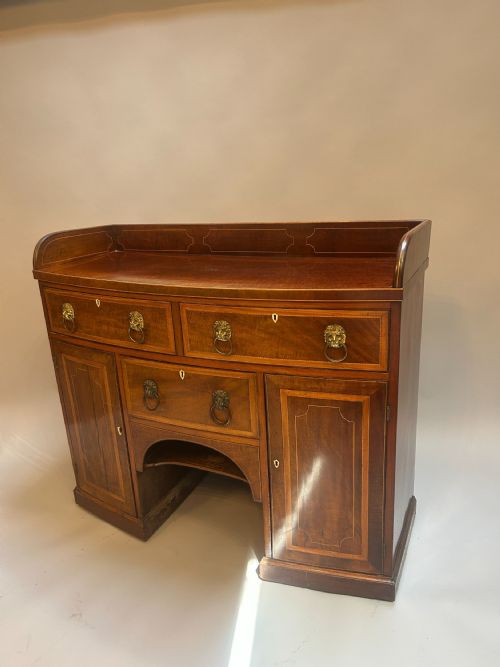
A george iv sideboard represents a distinct period of dining room furniture development, spanning the early nineteenth century and incorporating related forms like chiffoniers, serving tables, and pedestals. When you search this phrase, you encounter substantial timber pieces built for formal entertaining, ranging from breakfront formats to compact chiffoniers with graduated shelves.
The pieces appearing on this page reflect diverse origins, including Scottish and Irish workshops alongside standard English examples. You meet formal pedestal sideboards alongside smaller side cabinets and tiered buffets, demonstrating the versatility of cabinet work from the era.
Materials and Construction
Cabinet makers utilised dense hardwoods, predominantly mahogany and figured mahogany veneers, sometimes selecting exotic timbers like rosewood and goncalo alves to achieve deep grain patterns. These surfaces are complemented by brass details, sterling silver hardware, mirror glass, and occasional fabric panels.
Construction relies on solid carcases faced with carefully matched veneers, supported by turned or carved legs and pedestal bases. Timber selection dictates the visual weight, with flame mahogany and goncalo alves providing dramatic figuring across large cupboard doors and drawer fronts.
One remarkably compact chiffonier squeezed three graduated display shelves above its base, proving that early nineteenth century makers understood small spaces.
Assessing Quality and Proportion
Quality in a george iv sideboard depends upon the selection of timber veneers and the crispness of architectural details such as brass inlay, ebony stringing, and turned columns. Superior examples display symmetrical flame mahogany figures across wide drawer banks and cupboard doors without interruption.
Proportion and scale distinguish finer pieces, whether dealing with an imposing breakfront sideboard or an unusually small chiffonier. The integration of functional elements, such as tiered display shelves and secure cellaret drawers, marks the distinction between standard utility items and ambitious cabinet work.
Gillows
The George IV Sideboard Glossary
- Chiffonier
- A low cabinet featuring enclosed shelving below and frequently open graduated shelves above. This form offers versatile display and storage space suited to smaller reception rooms.
- Breakfront
- A piece of furniture where the central section projects forward from the flanking cupboards or pedestals. This configuration creates architectural depth and shadow lines across the frontage.
- Pedestal sideboard
- A form consisting of two distinct pedestals flanking a central serving table or recessed cupboard. These large pieces anchor formal dining spaces with substantial presence.
- Goncalo Alves
- A dense tropical hardwood displaying striking contrasting dark brown and golden figuration. Cabinet makers utilised this timber for decorative effect on select high-status cabinets.
- Buffet
- A tiered serving and display stand lacking enclosed lower cupboards, designed for presenting plate during meals. The open structure provides multiple horizontal surfaces for presentation.
George IV Sideboard: Frequently Asked Questions
How do I spot a genuine George IV piece?
Examine the secondary woods inside drawers and behind back panels, which should consist of timbers appropriate to the early nineteenth century, such as oak or pine. Look for construction methods like hand-cut dovetails and natural ageing in the timber and finish.
Check for the characteristic heavy proportions, classical architectural motifs, and deep mahogany or rosewood veneers associated with the period between the late Regency era and the mid nineteenth century.
Where should I place a sideboard?
A pedestal sideboard requires a substantial dining room wall with adequate clearance for doors to open fully. Smaller chiffoniers and side cabinets fit comfortably into hallways or sitting rooms.
Position the piece away from direct heat sources and strong sunlight to prevent the timber veneers from drying out, cracking, or fading over time.
How do I care for mahogany surfaces?
Dust the timber regularly with a soft, dry cloth to prevent grit accumulation that could scratch the polished finish. Apply high-quality beeswax periodically to nourish the wood and maintain a soft sheen.
Avoid using silicone-based polishes or placing damp items directly on the surface, as moisture can leave permanent rings in the polished polish or veneer.