




George III Style Desk
A george iii style desk brings the elegance of eighteenth-century writing furniture into a modern room with rich timbers and clean proportions.

George III Style Desk
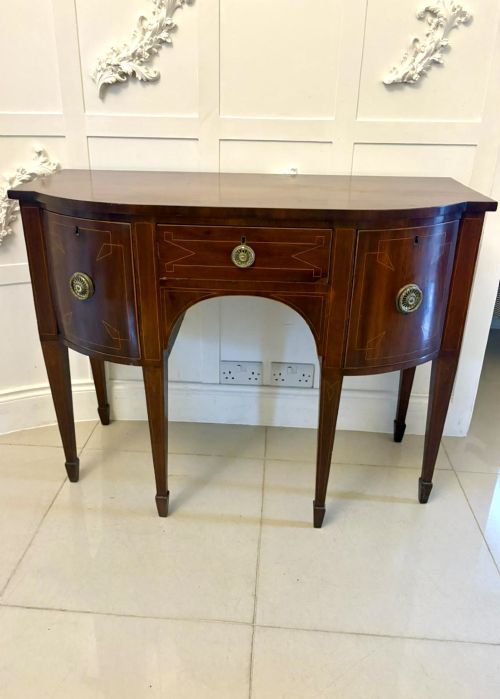
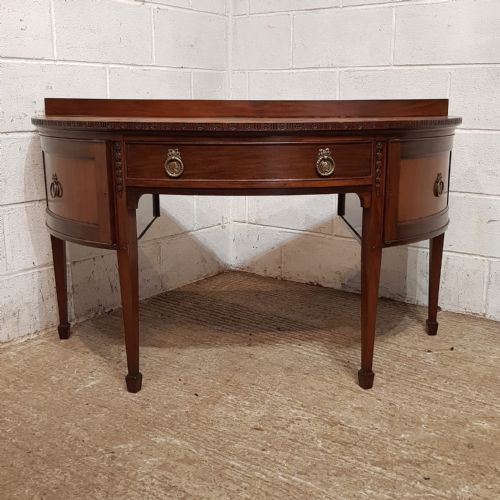
A george iii style desk encompasses formal writing tables, pedestal desks, and compact kneehole designs drawing inspiration from the latter half of the eighteenth century. Pieces range from genuine period examples to later revivals produced during the nineteenth and twentieth centuries.
Pedestal desks and freestanding kneehole writing tables appear frequently, often featuring leather inset writing surfaces and banks of graduated drawers. Smaller forms such as the bonheur du jour and satinwood writing tables also feature among the available selections.
What Varies in Quality
The selection of timber grain largely dictates visual merit, with figured mahogany and highly patterned satinwood commanding greater appreciation. Precision in the execution of stringing, crossbanding, and dovetailing indicates the original maker's level of skill.
Proportion and integrity of the hardware contribute significantly to the overall standing of a piece, distinguishing workshop production from standard commercial output.
Listings feature mahogany, satinwood, and oak across periods spanning the eighteenth, nineteenth, and early twentieth centuries.
Howard and Co London
The George III Style Desk Glossary
- Kneehole desk
- A compact writing desk featuring a central recess for the user flanked by two pedestals of drawers.
- Satinwood
- A pale, lustrous hardwood native to the tropics, prized for decorative veneers during the late eighteenth century.
- Crossbanding
- A border technique where veneer strips run perpendicular to the main grain of the furniture surface.
- Secretaire
- A cabinet or desk incorporating a drop-front writing flap that conceals a fitted interior of small drawers and pigeonholes.
- Stringing
- Thin inlaid lines of contrasting timber used to outline panels and drawer fronts on case furniture.
George III Style Desk: Frequently Asked Questions
What defines a george iii style desk?
These desks reflect the classical proportions, restraint, and fine timber selection associated with late eighteenth-century British cabinetmaking. They range from pedestal writing tables to smaller Davenport and kneehole forms.
Craftsmen prioritized balance and utility, utilising mahogany and satinwood enhanced by subtle brass hardware and delicate stringing details.
How do I distinguish revival pieces from originals?
Distinguishing period pieces from later revivals involves examining construction methods, secondary timbers, and wear patterns inside the drawers. Eighteenth-century pieces exhibit hand-cut joinery and aged patination specific to early tool use.
Later nineteenth and twentieth-century revivals often display standardised machine-made components and different secondary woods within the internal framing.
Were these desks used for writing or display?
Primary use centered on correspondence, estate management, and administrative tasks within the private study or library of a townhouse. Many incorporated leather writing surfaces designed to cushion the hand during long periods of writing.
Over time, owners also utilised them to display small decorative objects, portable writing slopes, and desk accessories.
How should I care for a mahogany writing surface?
Regular dusting with a soft, dry cloth preserves the polished finish of the mahogany timber without buildup. Leather inserts benefit from occasional gentle cleaning and conditioning to prevent cracking.
Placement away from direct sunlight and heat sources prevents the wood from drying out and protects the fragile veneered surfaces.