

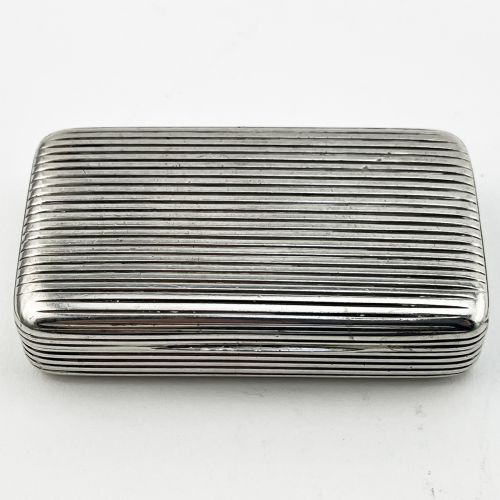
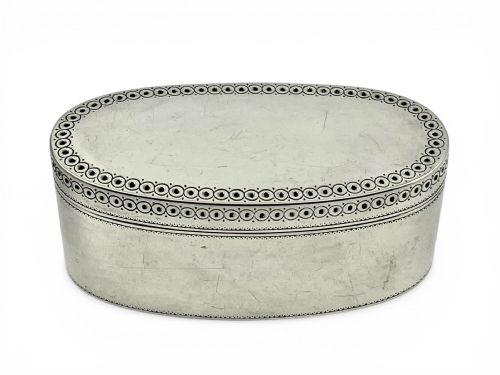


George III Snuff Box
A george iii snuff box delivers pocket-sized Georgian craft, housing dry tobacco for the carriage or parlour.
George III Snuff Box
A george iii snuff box is a small pocket container designed to hold ground tobacco, reflecting the widespread polite habit of snuff-taking during the Georgian era.
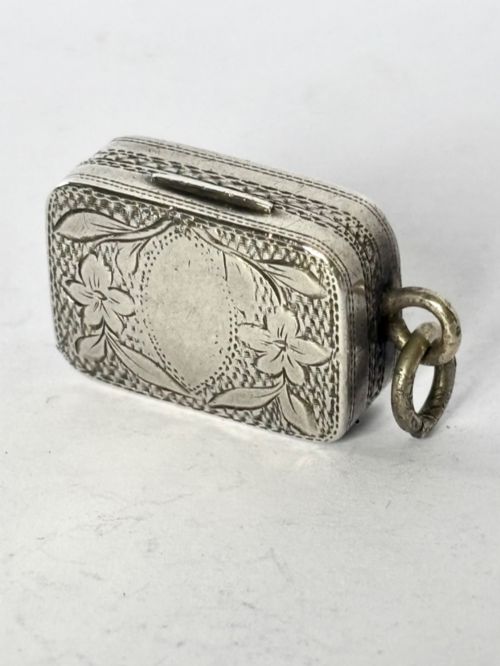
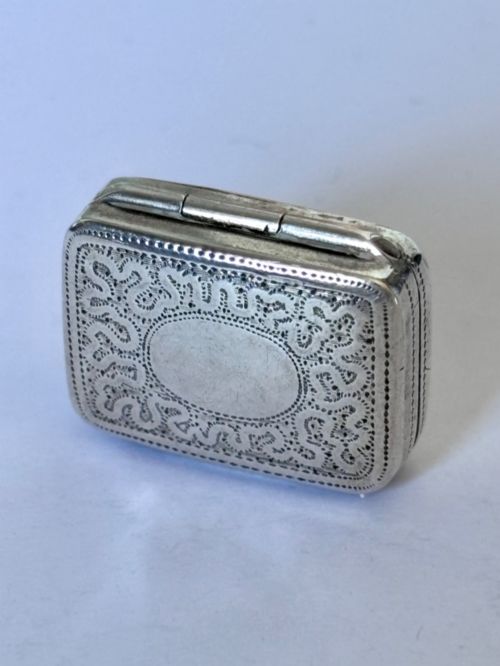
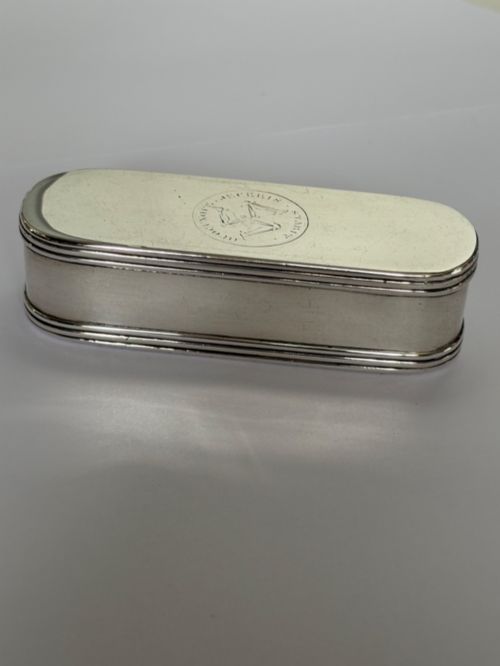
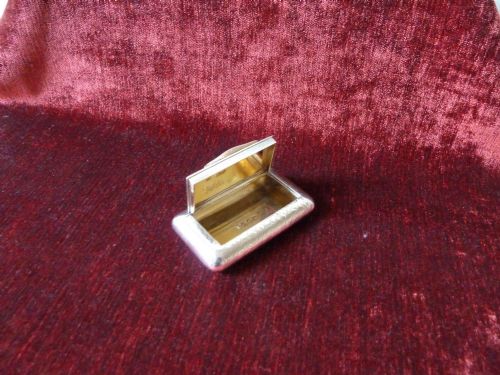
The pieces appearing on this page span diverse forms, including rectangular boxes, curved pocket formats, novelty shapes such as books and shells, and paired combination containers.
Makers utilised precious metals and organic materials alike, producing functional items that served as personal accessories for men and women of the period.
Materials and Construction
Silversmiths and goldsmiths worked sterling silver, 18ct gold, and silver-gilt to form the structural bodies, often applying intricate engine-turning and chasing to the exterior surfaces.
Artisans combined metals with natural materials like cowrie shell, agate, tortoiseshell, and lacquered papier-mâché, securing them with precision hinges and tight-fitting lids.
Specialised workshops in London and Birmingham utilised casting, engraving, and gilding techniques to finish decorative panels, crests, and presentation inscriptions.
The archive records novelty shapes mimicking animals, satchels, books, and battle scenes, showing the playful imagination of Georgian silversmiths.
Distinctions in Execution
Quality rests upon the crispness of the chased decoration, the weight of the gold or silver gauge, and the tightness of the box closure.
Pieces bearing clear makers' marks and city assay office hallmarks from master craftsmen command greater regard than unmarked or plain examples.
The integration of unusual organic materials like polished agate or cowrie shell with heavy cast mounts elevates the sophistication of the object.
Samuel Pemberton·Thomas Johnson·Cornelius Bland·Giles Loyer·Alexander James Strachan·Matthew Linwood·Joseph Willmore·John Thropp·Thomas Willmore·Phipps and Robinson·Robert Keay·John Shaw
The George III Snuff Box Glossary
- Vinaigrette
- A small hinged box containing a perforated inner grille, originally used to hold a sponge soaked in aromatic vinegar. These containers share similar manufacturing techniques with standard snuff boxes.
- Silver-gilt
- Silver that has been coated with a thin layer of gold on its surface. This finish provides the rich yellow appearance of solid gold while utilising a silver base.
- Engine-turning
- A mechanical decoration technique that cuts intricate geometric patterns into metal surfaces. This method was widely utilised on Georgian pocket boxes.
- Cowrie shell
- A glossy marine shell frequently mounted in silver or gold to form the lid or body of a pocket box. Its natural curves suited the organic shapes favoured by period makers.
- Pique
- A decorative technique involving tiny gold or silver pins inlaid into tortoiseshell or horn. It appears on select decorative containers from the era.
George III Snuff Box: Frequently Asked Questions
What is a george iii snuff box used for?
These containers held dry tobacco powder intended for nasal inhalation, a prevalent social custom during the late eighteenth and early nineteenth centuries. Owners carried them in pockets for convenient access throughout the day.
Certain variants included internal grilles for aromatic vinegars or compartments for pills, doubling their utility as personal health accessories.
How do I date a george iii snuff box?
Dating relies heavily upon the stamped hallmarks found on the metal rims or interior lids, which record the assay office, date letter, and sterling standard. Maker marks provide further evidence to narrow the production year.
Stylistic shifts, such as the transition from plain silver to heavy cast mounts and vari-coloured gold, also help determine the era of manufacture.
Are all george iii snuff boxes made of silver?
While silver and silver-gilt remain the most common materials, workshops also utilised 18ct gold, two-colour gold, and gold plating. Artisans frequently combined these metals with organic substances.
Non-metal examples incorporate cowrie shells, polished agate stones, tortoiseshell, and lacquered papier-mâché into their construction.