



Georgian Gold Trinket Box
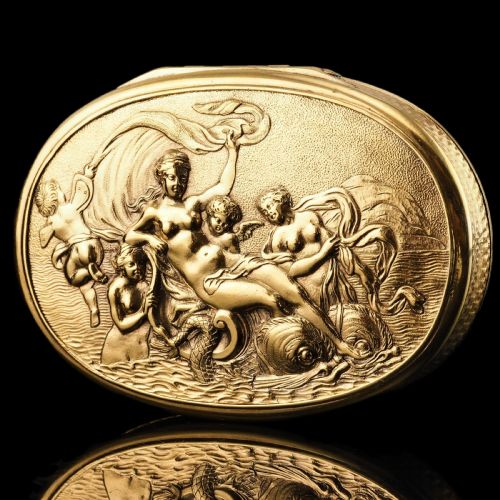
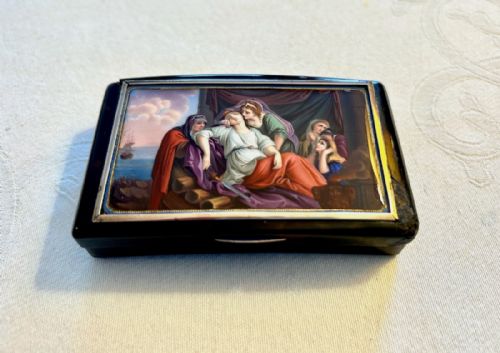
A georgian gold trinket box brings pocket-sized luxury to the dressing table, fashioned in precious metals for small treasures.
Georgian Gold Trinket Box
When searching for a georgian gold trinket box, collectors encounter small containers created to hold snuff, vinaigrettes, or personal trinkets. The selection draws primarily from the Georgian period, including George III and Regency examples alongside 18th century and 19th century pieces.
Forms include snuff boxes, vinaigrettes, and decorative boxes. Many items combine precious metal with organic materials such as tortoiseshell, horn, agate, and mother-of-pearl.
Origins span English workshops in London as well as Swiss makers, reflecting diverse stylistic influences from Neoclassical and Rococo to Chinoiserie.
How they were made
Metals such as 18ct gold, sterling silver, and silver-gilt form the structural chassis of these boxes, often paired with tortoiseshell, horn, or mother-of-pearl panels. Artisans employed casting, engraving, and fine repoussé work to shape decorative motifs.
Specialised techniques include pique inlay, where tiny gold or silver pins form delicate patterns in tortoiseshell, and penwork on wooden or lacquered surfaces. Enamelling and painted scenes add miniature pictorial detail to lids and panels.
What varies in quality
The degree of craftsmanship in the metalwork and chasing separates standard containers from significant presentation pieces. Crisp relief on Rococo motifs or sharply defined Neoclassical borders indicate superior execution.
The integration of precious materials influences the stature of the box, particularly where gold pique inlay or painted enamel panels remain crisp and undisturbed. Hallmarks and recorded maker attributions elevate certain examples above unmarked items.
Giles Loyer·Alexander James Strachan·Alexander J Strachan·Charles Rawlings·Edward Farrell
The Georgian Gold Trinket Box Glossary
- Vinaigrette
- A small ornamental box featuring an internal pierced grille, designed to hold a sponge soaked in aromatic vinegar. These pieces were carried for reviving the senses in crowded spaces.
- Pique
- A decorative technique involving tiny gold or silver pins pressed into an organic ground like tortoiseshell to create intricate geometric or floral patterns. This delicate work requires immense patience from the artisan.
- Silver-gilt
- Sterling silver that has been coated with a thin layer of gold through fire gilding or electroplating, providing the rich appearance of solid gold. It appears frequently on the interiors and frames of period boxes.
- Repoussé
- A metalworking method where the artisan hammers the metal from the reverse side to form a raised design in relief. The piece is then refined from the front with chasing tools.
- Chinoiserie
- A European stylistic interpretation of Chinese and East Asian artistic motifs, popular in furniture and decorative objects. It manifests through scenic lacquer work and whimsical orientalist imagery.
Georgian Gold Trinket Box: Frequently Asked Questions
What is a vinaigrette box?
A vinaigrette is a small container fitted with a hinged internal grille, designed to hold a fragrant sponge. People carried them to counter unpleasant odours in public spaces.
The pierced grill allows scent to diffuse while keeping the damp sponge suspended securely inside the precious metal housing.
How do I date a gold box?
Dating relies heavily on official hallmarks stamped into the metal, which record the assay office, metal standard, and date letter for the year of manufacture. Stylistic clues such as Neoclassical symmetry or Rococo curves also help narrow the timeframe.
Maker marks provide further evidence, linking specific pieces to recorded silversmiths working within definite operational windows.
What materials were used besides gold?
Maker workshops frequently combined precious metals with natural organic materials to add texture and colour contrast. Tortoiseshell, mother-of-pearl, carved horn, and polished agate frequently form the body or lid panels of these containers.
Silver-gilt, brass, and lacquered wood also appear across different regional traditions and price points.
How were these boxes used?
These containers served practical daily functions for fashionable society, primarily housing dry snuff for inhalation or aromatic vinegars for health. They functioned as portable status items displayed during social interactions.
Over time, many transitioned into decorative tabletop objects or receptacles for small keepsakes and trinkets.