




Georgian Pocket Snuff Box
These georgian pocket snuff box examples are small handheld containers for tobacco, prized by collectors for their intricate metalwork and organic materials.
Georgian Pocket Snuff Box
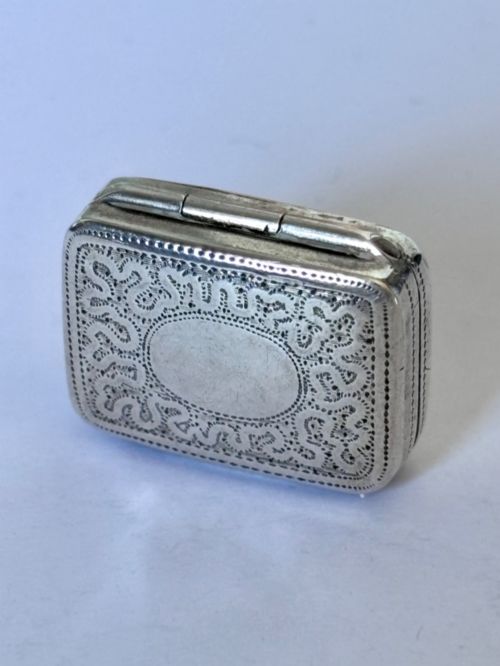
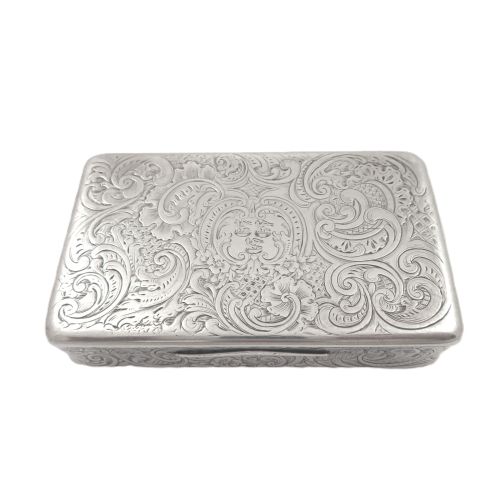
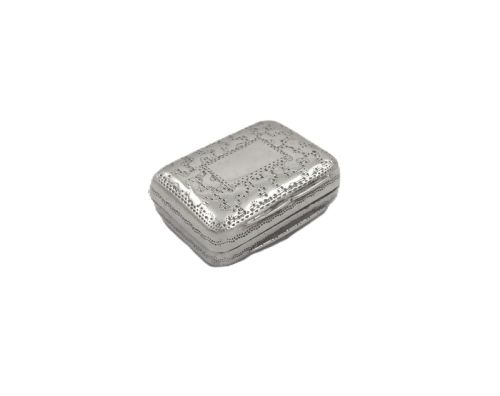
A georgian pocket snuff box is a small receptacle designed to hold ground tobacco for personal use during the eighteenth and nineteenth centuries. The pieces on this page span the Georgian, Regency, and Victorian eras, taking the form of pocket boxes, vinaigrettes, and combination pill boxes.
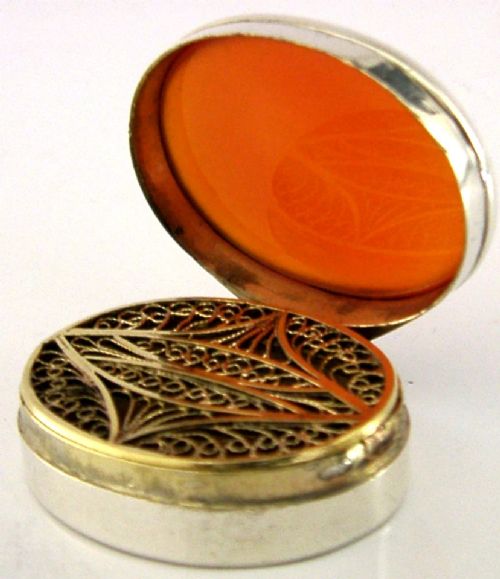
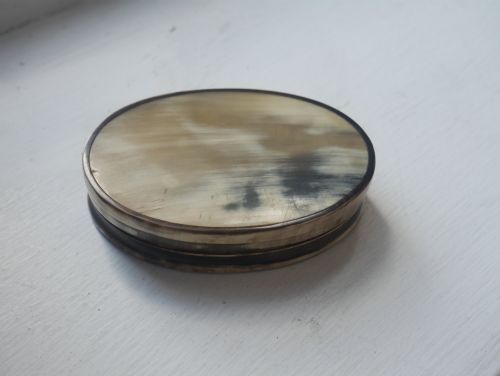
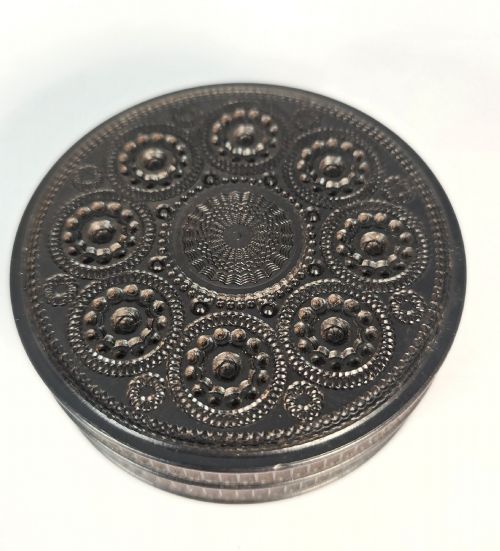
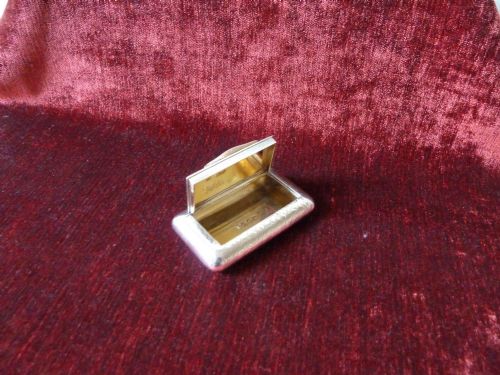
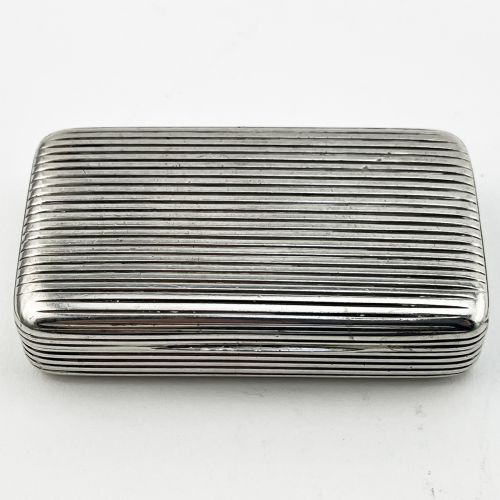
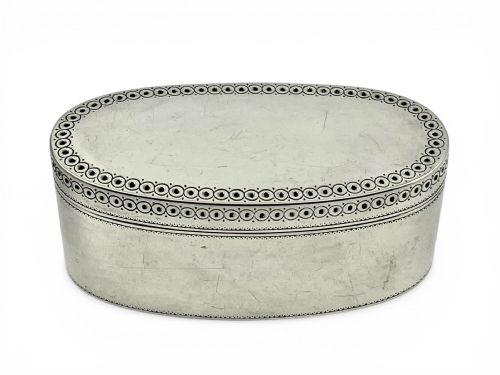
Makers shaped these items in silver, silver gilt, and gold, alongside organic materials such as horn, tortoiseshell, agate, and coquilla nut. Most examples follow compact rectangular, oval, or shell shapes intended for waistcoat pockets.
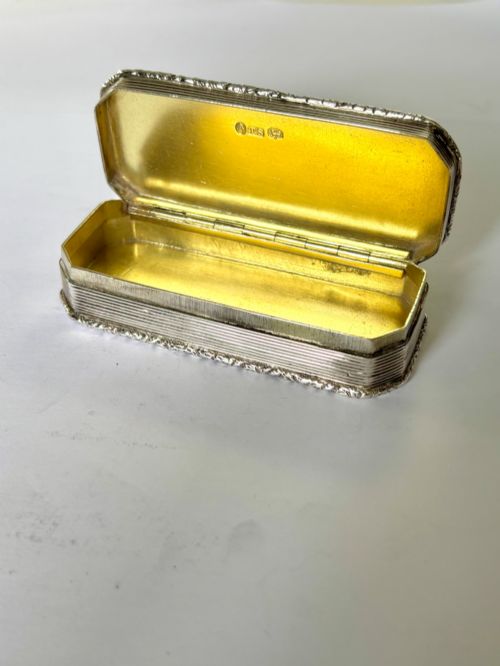
Silver items frequently display hallmarks from London, Birmingham, or Edinburgh, connecting individual boxes to specific assay offices and silversmiths.
Judging Quality
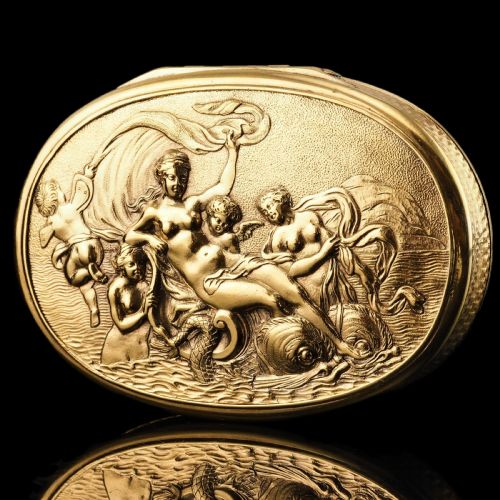
Quality rests upon the crispness of the chasing and engraving, and the precision with which lids and hinges close. Crisp architectural lines or detailed figural scenes separate standard boxes from superior examples.
The choice of materials dictates the upper tier of the range, particularly solid 18ct gold, matched agate panels, or well-executed tortoiseshell and gold pique work. Maker marks from prominent silversmiths add further distinction.
Listings feature sterling silver, 18ct gold, brass, agate, coquilla nut, horn, and tortoiseshell across the Georgian, Regency, Victorian, and Edwardian eras.
Thomas Johnson·Thomas Shaw·Joseph Willmore·William Eaton·Alexander James Strachan·Charles Rawlings·Matthew Linwood·Joseph Ash
The Georgian Pocket Snuff Box Glossary
- Vinaigrette
- A small container with a pierced internal grille, designed to hold a sponge soaked in aromatic vinegar. These boxes share the size and pocket format of standard snuff containers.
- Silver gilt
- Sterling silver that has been coated with a thin layer of gold on its surface. This technique protected the silver from tarnishing when in contact with moist snuff.
- Engine turning
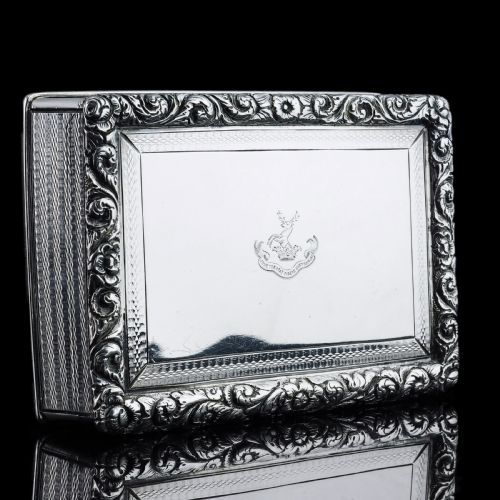
- A mechanical decoration technique that cuts precise geometric patterns into metal surfaces. It created textured backgrounds for crests and inscriptions.
- Coquilla nut
- The hard, dark brown seed of a South American palm, frequently carved into small boxes and nutcrackers during the nineteenth century. Its dense grain accepted fine detail.
- Bright cut engraving
- A facet-cutting technique using angled gravers to create bright, reflective cuts in silver. It produced sparkling geometric borders and floral motifs.
Georgian Pocket Snuff Box: Frequently Asked Questions
What is a georgian pocket snuff box used for?
These containers held finely ground tobacco powder, known as snuff, which users consumed by inhalation through the nose. Gentlemen and ladies carried them in pockets or handbags for social use.
Over time, many of these small receptacles transitioned from functional accessories into decorative display items and pocket collections.
How do I identify a Georgian box?
Examine the piece for official silver hallmarks, which often include a date letter, city mark, and maker's stamp. These stamps provide a reliable guide to the decade of manufacture.
Stylistic cues such as bright cut engraving and neoclassical motifs also point towards the late eighteenth and early nineteenth centuries.
Are these boxes made of solid silver?
Many examples consist of sterling silver or silver gilt, while others utilise 18ct gold. Makers also produced boxes from organic substances like horn, tortoiseshell, and coquilla nut.
Precious metal versions typically carry hallmarks on the base, rim, or interior lid confirming their metallic composition.