
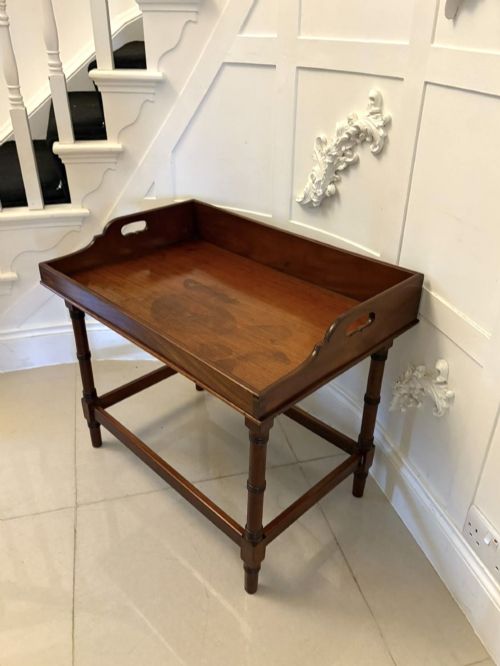
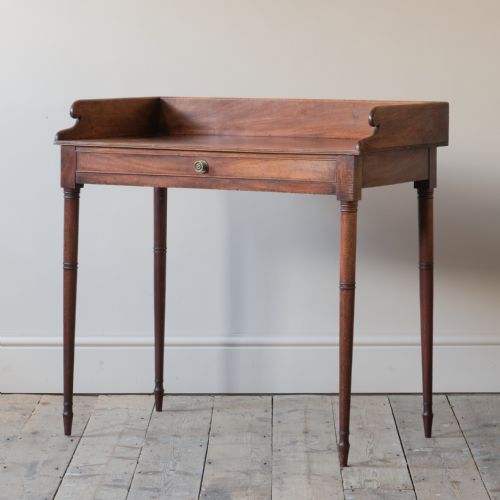

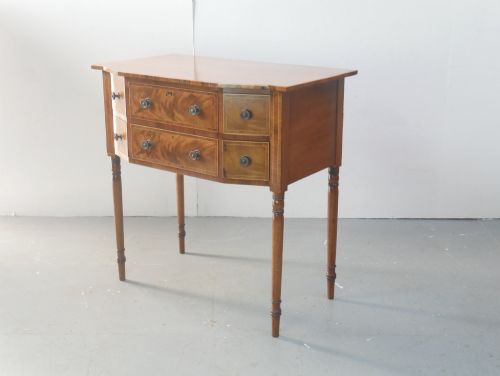
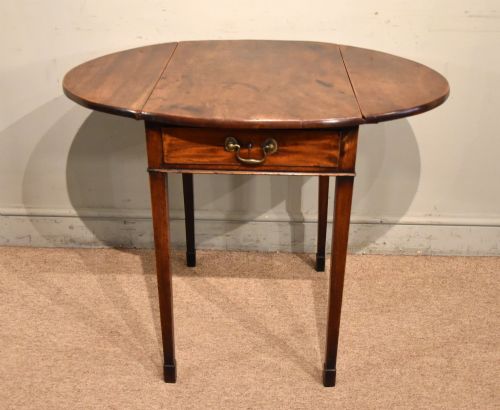
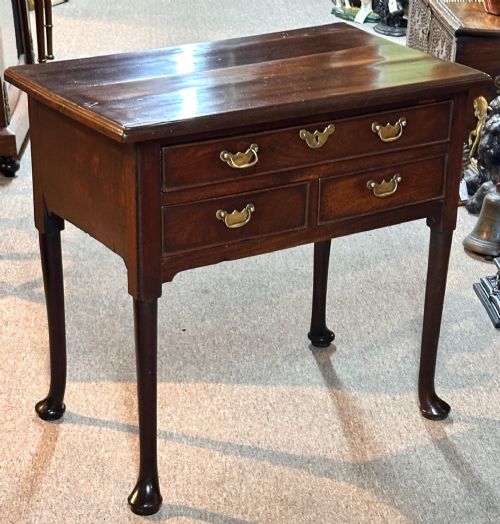
George III Mahogany Side Table
When you search for a george iii mahogany side table, you are looking at versatile timber tables spanning the late eighteenth century and its stylistic revivals.
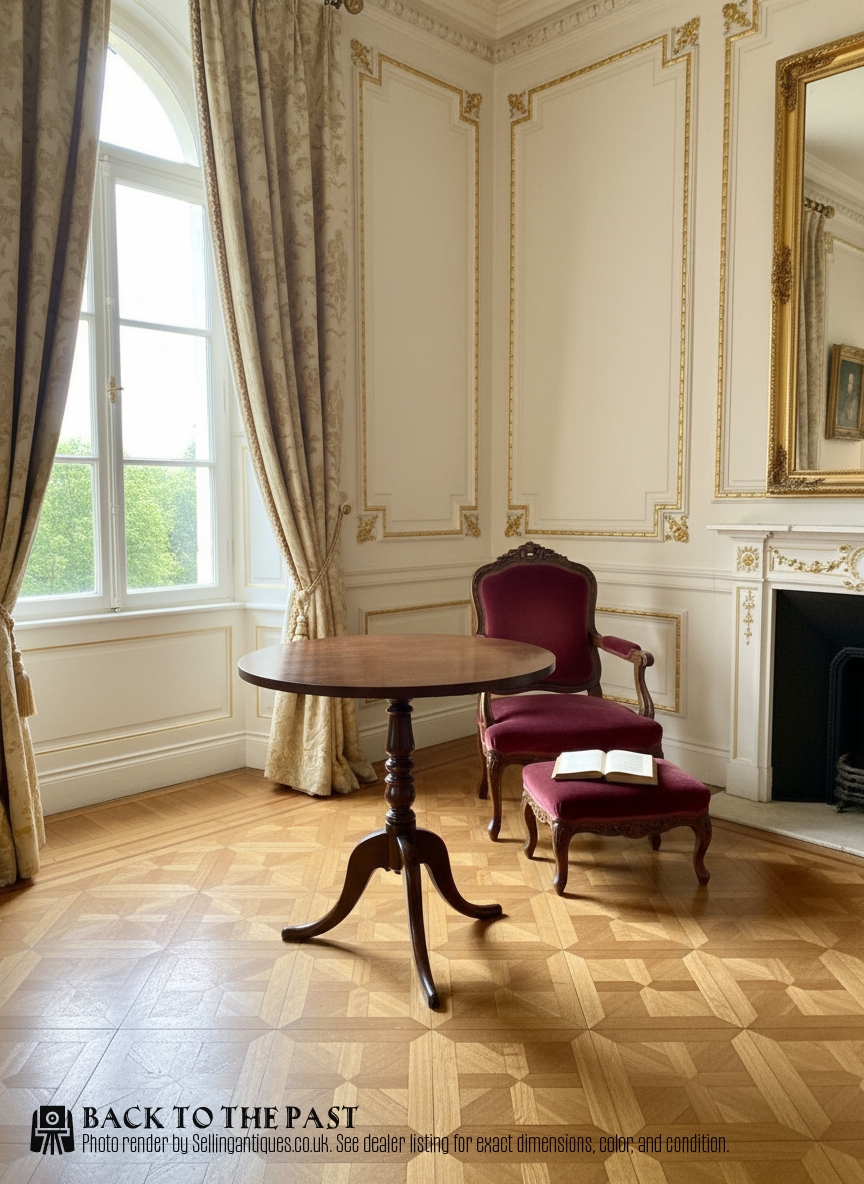
George III Mahogany Side Table
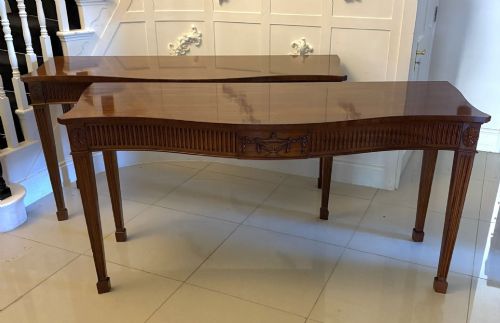
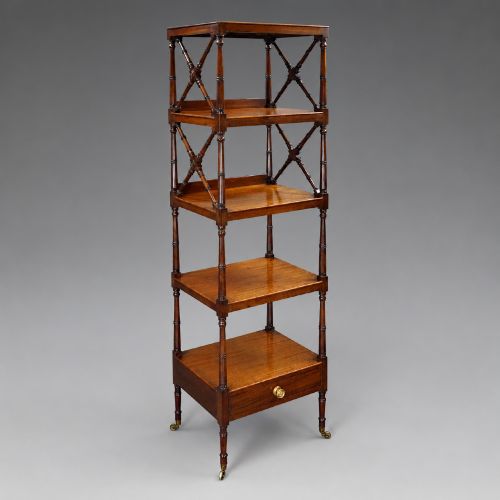
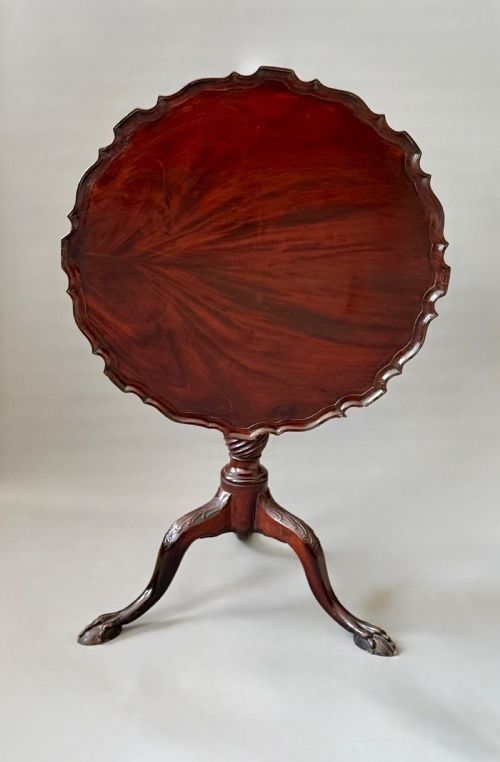
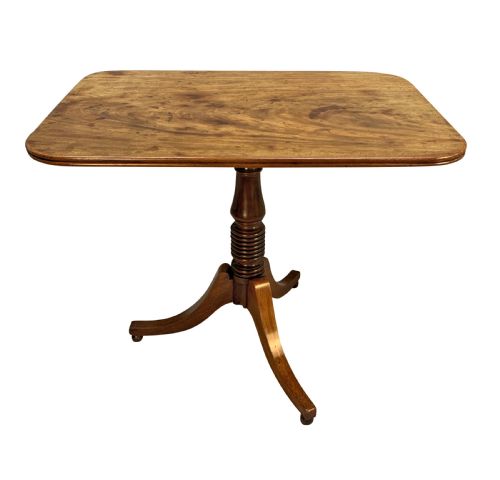
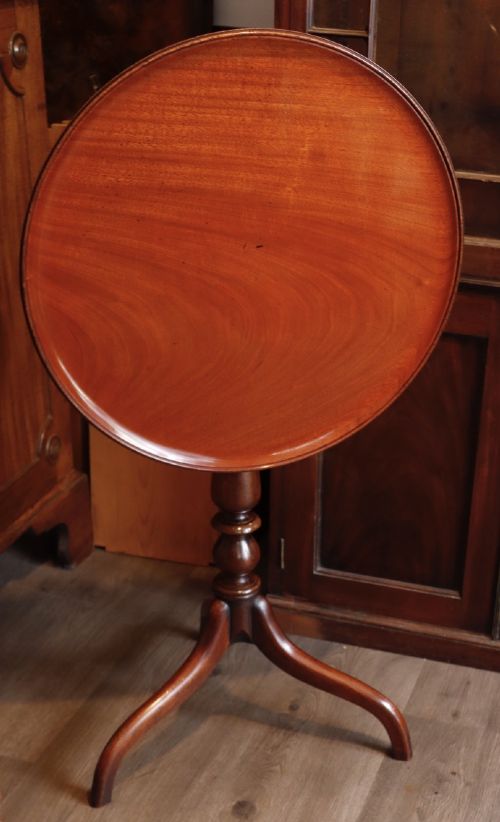
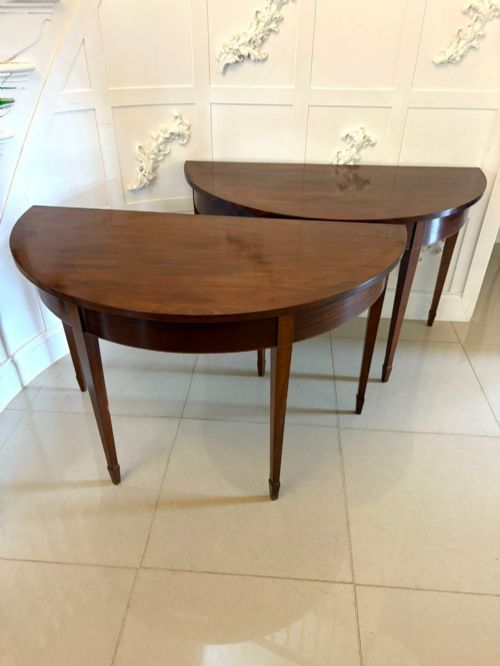
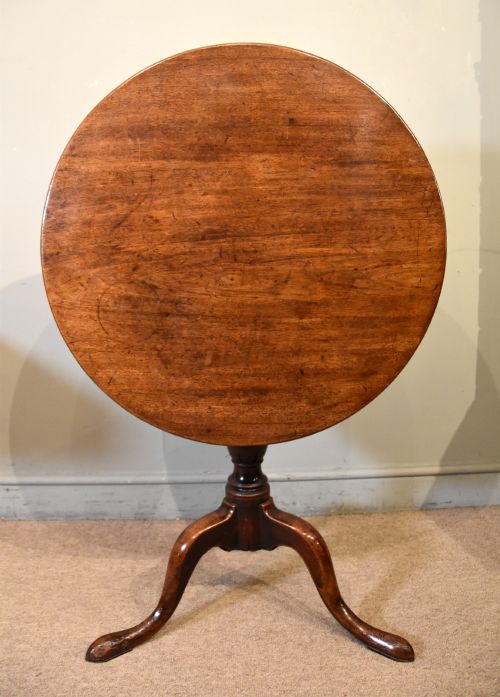
A george iii mahogany side table encompasses a wide variety of domestic surface forms from the Georgian era, including serving consoles, lowboys, pembroke tables, and tripod wine stands. The listings also contain later Edwardian and twentieth-century interpretations built in the same classical design idiom.
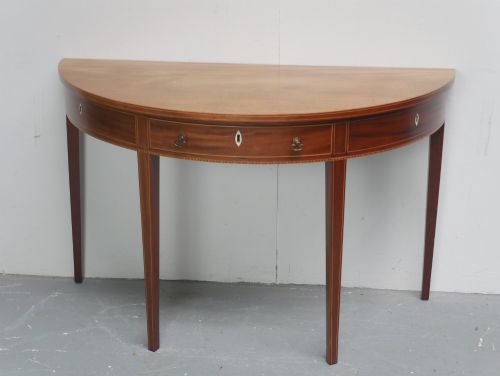
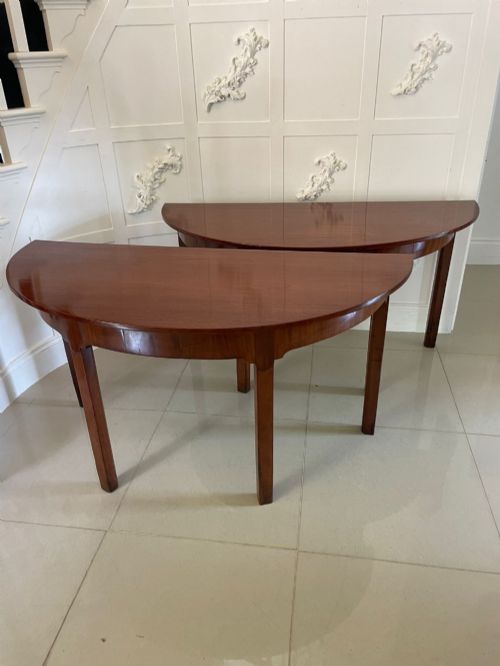
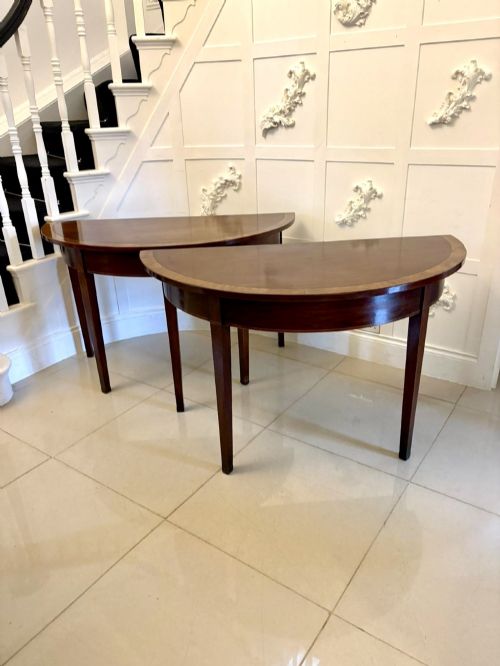
The objects serve multiple practical functions within a room, appearing as demi-lune console tables, folding card tables, and compact bedside cabinets. Buyers will frequently encounter demi-lune shapes and tilt-top tripod tables amongst these selections.
Materials and Construction
Makers utilised solid mahogany and figured mahogany veneers, frequently accented with satinwood and boxwood inlay for contrasting geometric or floral borders. Structural elements incorporate secondary timbers alongside brass hardware for handles, casters, and swing brackets.
Joinery methods range from simple drop-leaf actions and birdcage tripod mounts to serpentine drawer construction and delicate hand carving in the Neoclassical or Chippendale taste.
The listings span from the eighteenth-century Georgian period through Regency, Victorian, and Edwardian revivals up to the nineteen-thirties.
The Measure of Quality
Quality rests primarily on the grain choice of the timber, where heavily figured mahogany and crisp, deep hand carving separate standard pieces from exceptional examples. The elegance of the proportions and the retention of original surface patination dictate the desirability of an item.
Construction integrity, such as the precision of wood inlay work and the smoothness of folding or tilting mechanisms, further distinguishes superior cabinet work from more utilitarian workshop output.
The George III Mahogany Side Table Glossary
- Demi-lune
- A half-moon shape popular for console and side tables designed to sit flush against a wall. These tables are often found in matched pairs.
- Pembroke table
- A small rectangular table featuring two hinged drop leaves on opposing sides and typically a single drawer. They were easily moved and used for breakfast or needlework.
- Lowboy
- A small dressing or side table standing on four tall legs with one or more rows of drawers beneath the top. They date predominantly from the eighteenth century.
- Tripod table
- A freestanding circular or oval table supported by a central pillar and three splayed legs. Many variants feature a tilt-top or snap-top mechanism for convenient storage.
- Patination
- The deep surface sheen and colour developed by aged mahogany over decades of exposure and polishing. Good examples exhibit a warm, rich tone.
George III Mahogany Side Table: Frequently Asked Questions
What is a george iii mahogany side table used for?
These tables served various functions in domestic rooms, acting as serving surfaces, lamp stands, writing desks, or bedside cabinets depending on their specific form.
Their compact proportions allowed them to be placed easily against hallway walls, beside seating, or in sleeping quarters.
How do I identify a genuine period piece?
Examination of the timber grain, secondary woods, and hand-cut joinery helps distinguish eighteenth-century production from later revivals. Natural wear patterns and traditional polishing methods contribute to authentic period character.
Stylistic cues such as Neoclassical carving or Sheraton-style inlay also align with the Georgian timeline.
Are these tables suitable for modern homes?
Their modest footprints and clean classical lines make them highly adaptable for contemporary interiors as lamp tables or bedside surfaces.
Drop-leaf and tilt-top variants offer flexible surface space that can be adjusted to suit smaller rooms.