
George III Armchairs
George iii armchairs bring architectural dignity and refined seating to a room, combining eighteenth-century proportion with enduring craftsmanship.
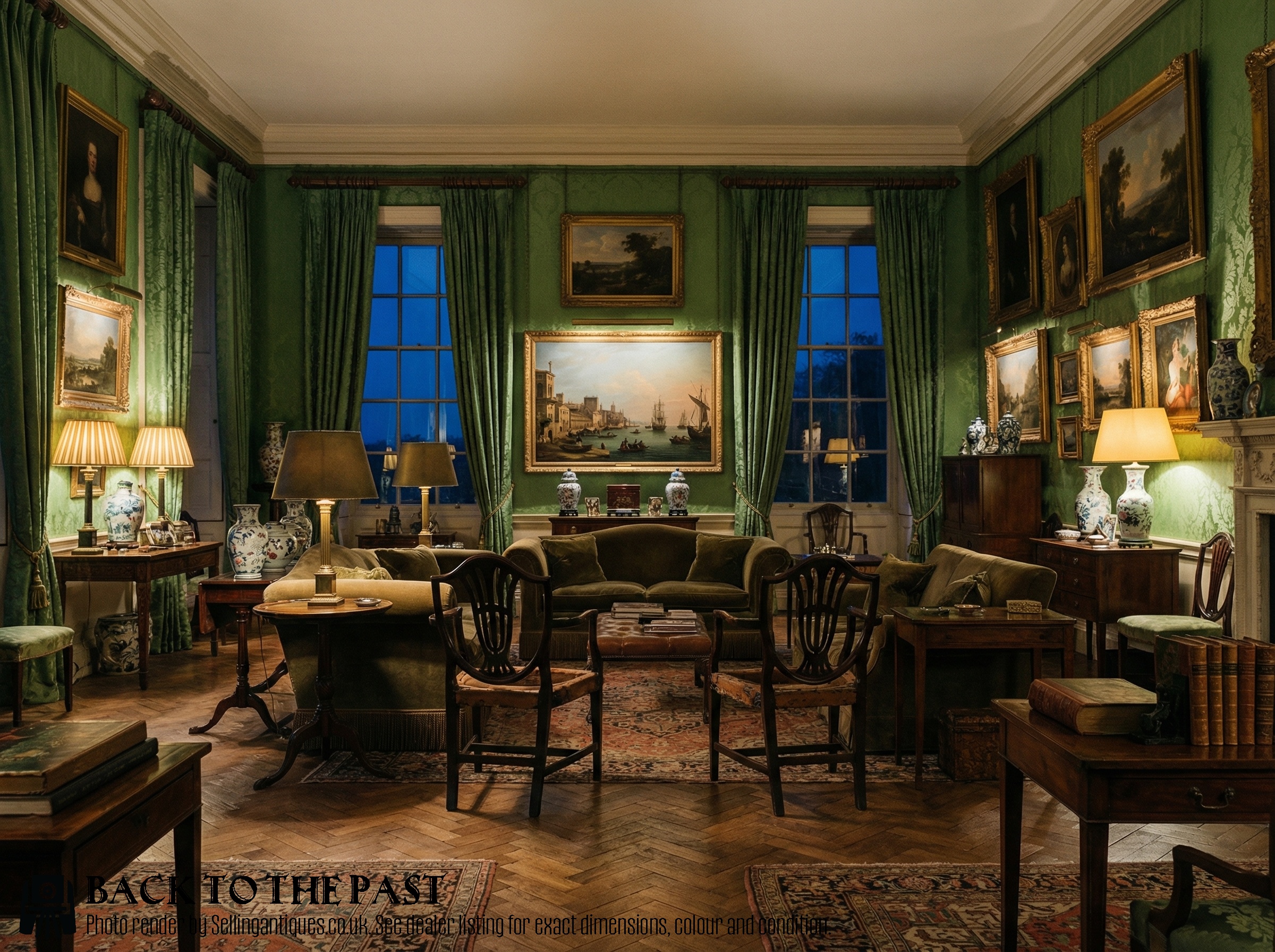
Defining George III Armchairs
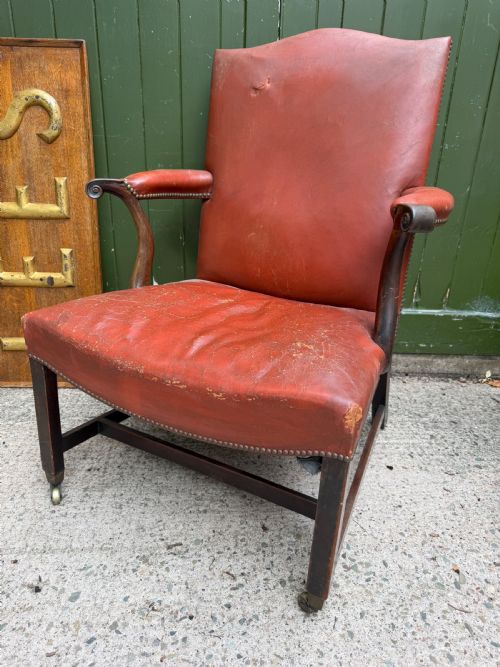
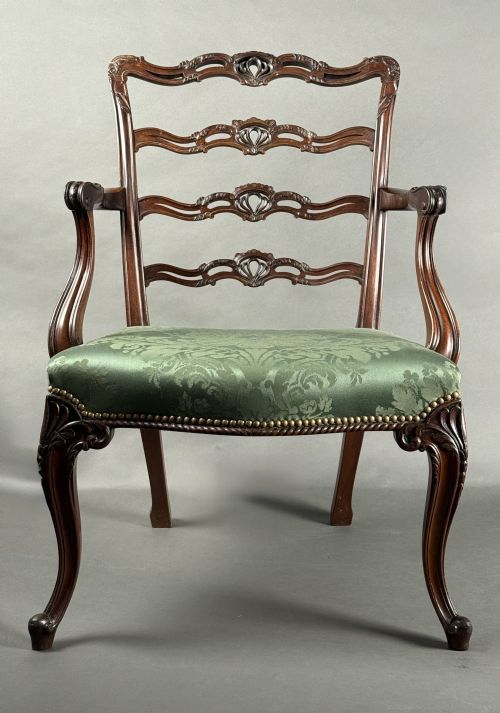
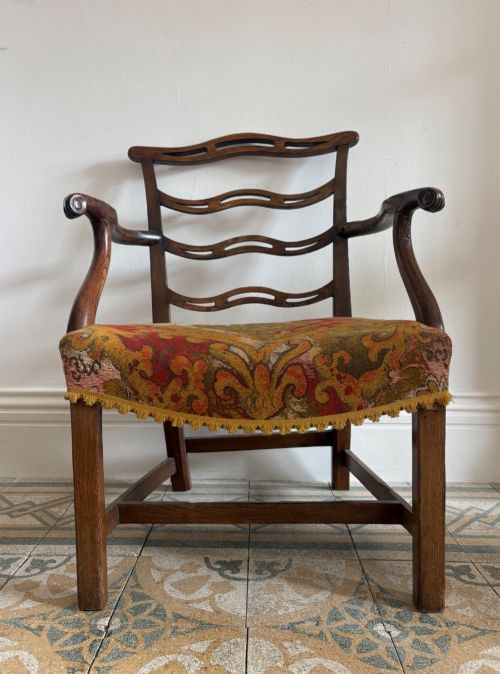
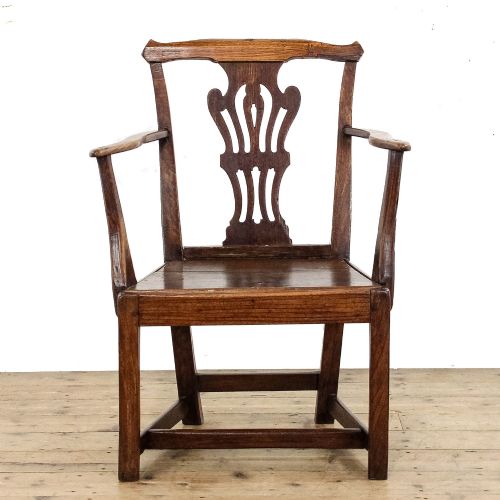
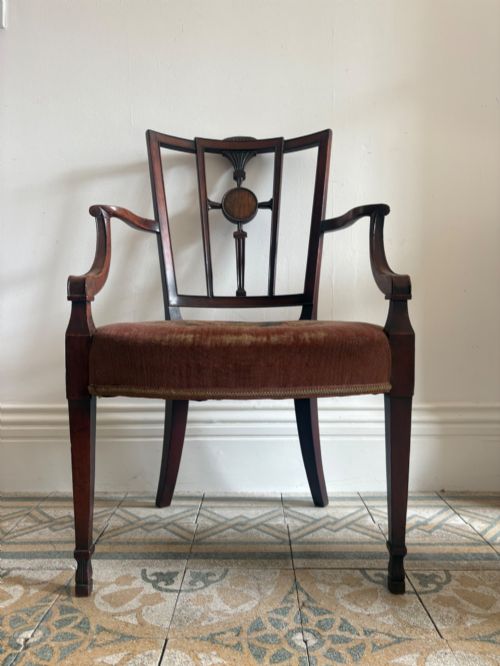
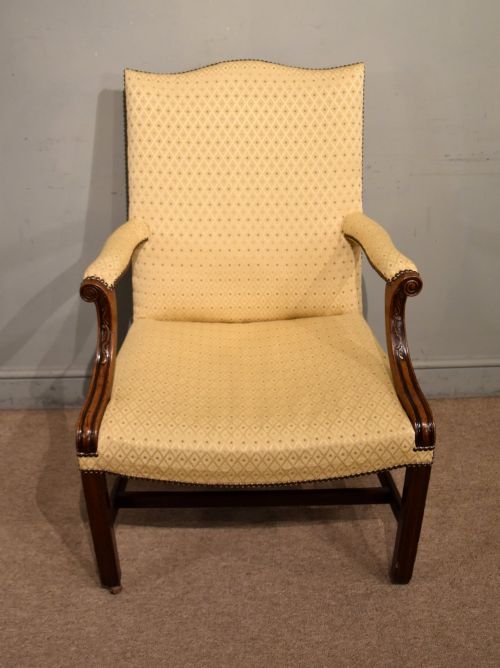
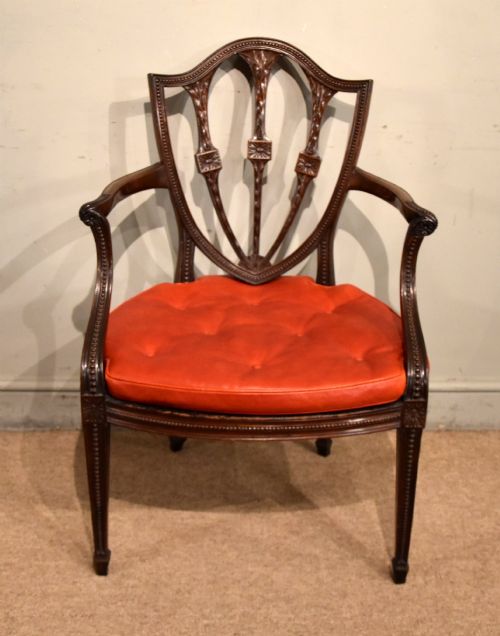
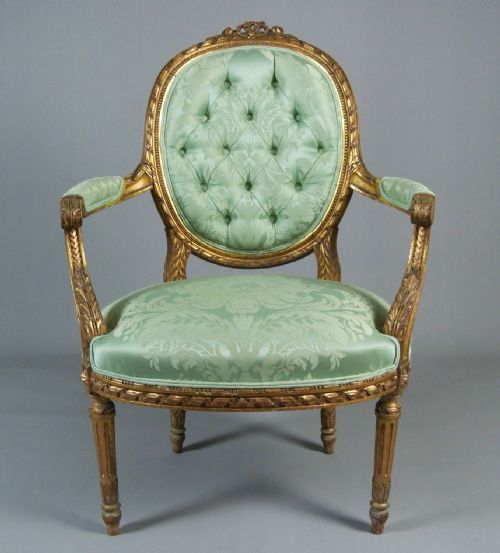
George iii armchairs encompass seating produced during the Georgian era, spanning the later eighteenth century and incorporating distinct stylistic phases such as Chippendale, Hepplewhite, and Neoclassical designs. These pieces range from formal carved salon seating to robust writing chairs and library forms designed for comfort and display.
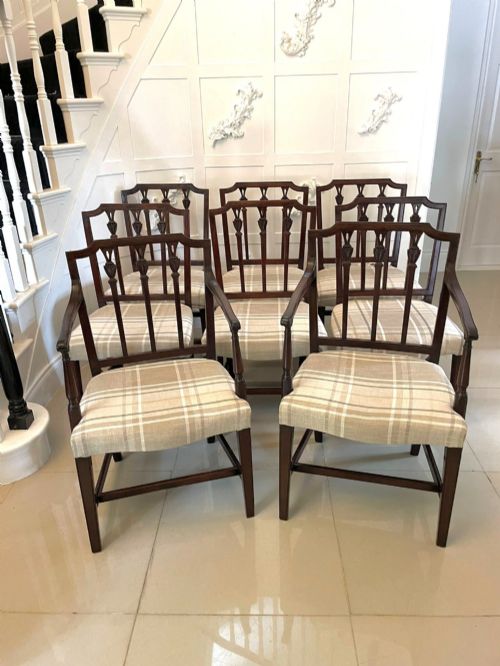
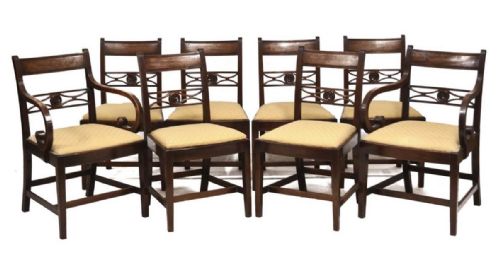
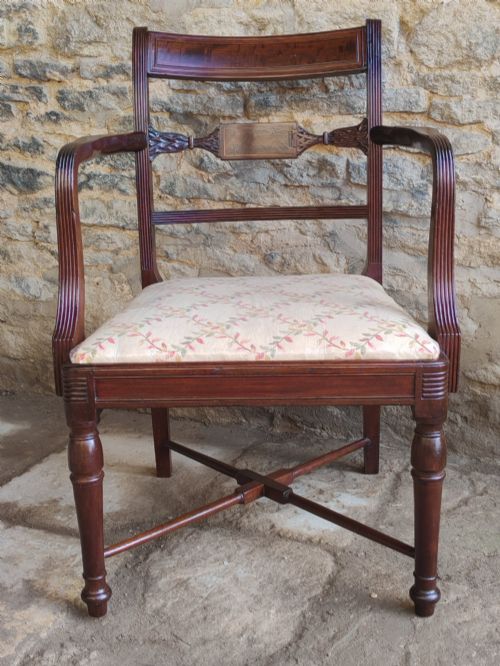
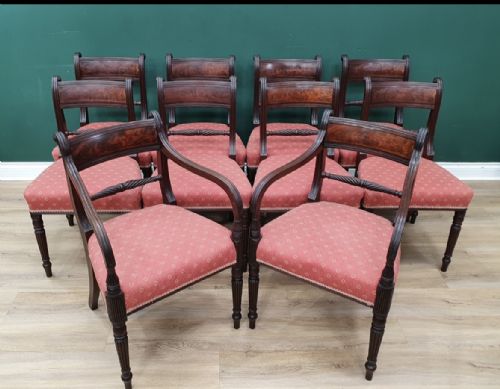
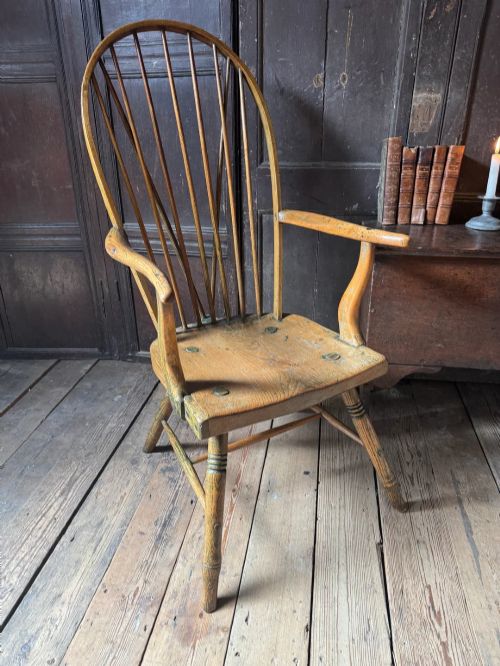
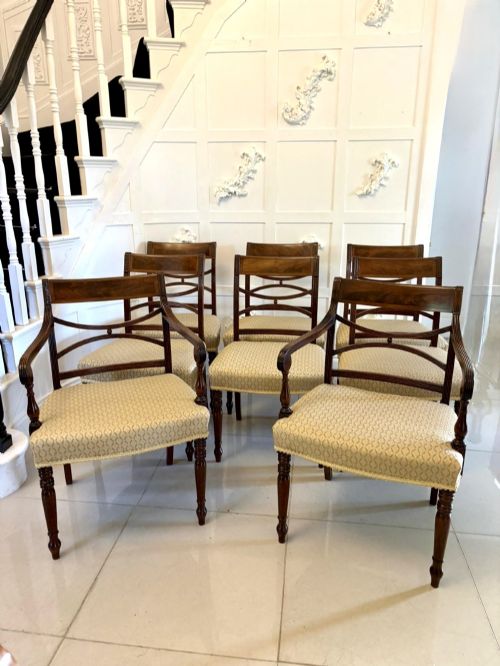
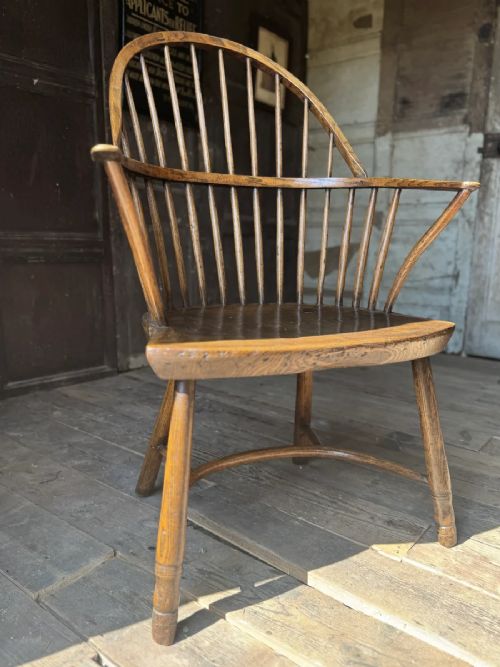
The versions most frequently encountered on this page are mahogany carvers and open armchairs, often appearing as pairs or matched sets with upholstered seats and backs. Examples also emerge in painted timber, giltwood, ash, oak, and specific regional variations like Windsor forms.
Makers and designers of the period drew inspiration from classical antiquity and contemporary pattern books, leading to structured frames with straight or cabriole legs and elaborate back splats. The overarching aesthetic prioritises balance, proportion, and visible joinery that reflects the prevailing taste of the Georgian period.
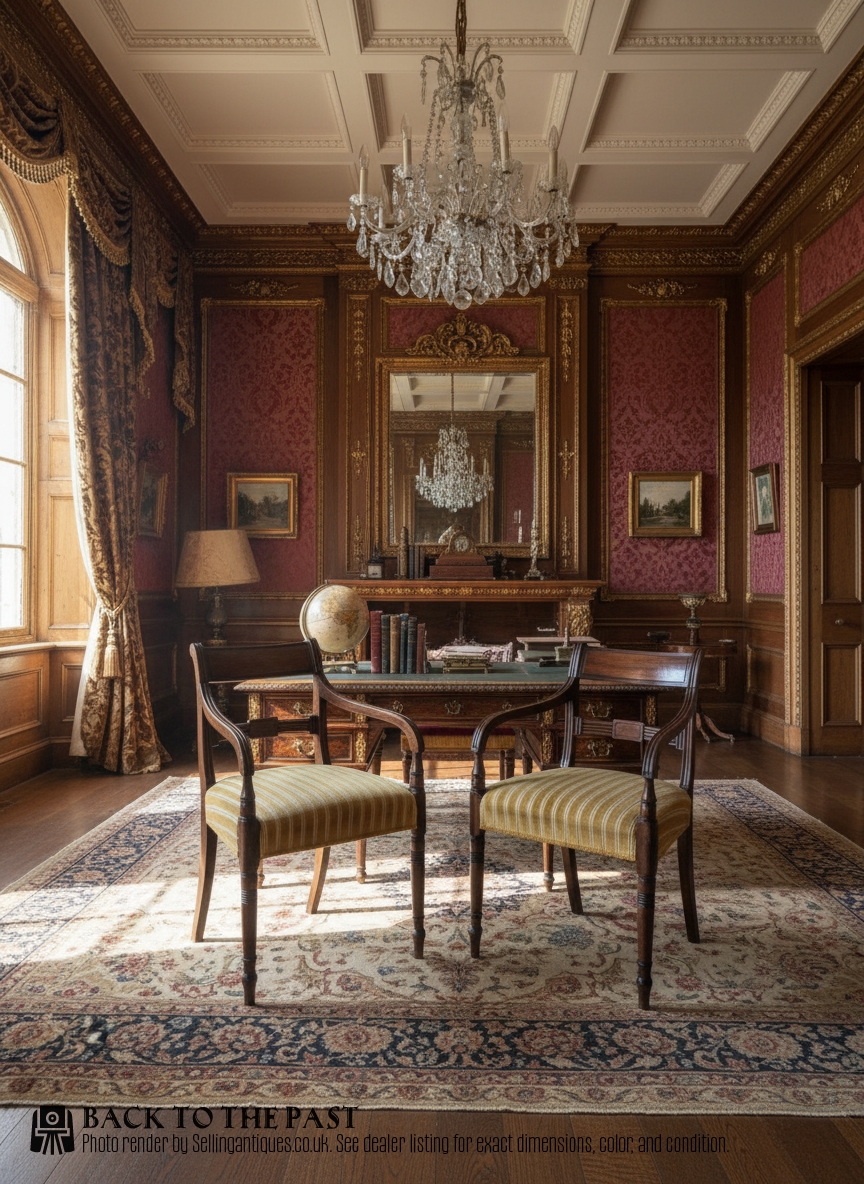
Materials and Construction
Cabinetmakers predominantly utilised mahogany for its strength and rich grain, alongside secondary timbers such as oak and ash for internal framing and structural stability. Workshops also employed painted timber, polychrome decoration, and giltwood for formal salon seating intended for reception rooms.
Joinery techniques relied on traditional mortise and tenon joints to secure the legs, rails, and back frames under heavy daily use. Carvers shaped timber by hand to create crisp details on splats, arms, and rails, while brass tacks secured upholstery materials including damask fabric, velvet, leather, and wool.
Retail Price Guide 2026
Typical UK retail prices for george iii armchairs, calculated from the Sellingantiques database of over a million retail prices indexed since 2003. This retail price guide relies exclusively on Sellingantiques data; no external sources or auction records are used, so the figures do not describe the wider market.
Smaller rooms accommodated child-sized armchairs, proving that Georgian children sat just as formally as their parents.
Assessing Quality and Execution
The distinction between standard commercial production and finer workshops lies in the crispness of the hand-carved detail and the selection of timber figures. Superior examples display deep relief carving on the arm terminals, leg brackets, and top rails, executed with consistent geometry.
Proportion and structural integrity dictate the standing of a piece within the range, where well-balanced rake and stance indicate careful planning by the maker. The survival of original decorative surfaces, whether polychrome paint, gilding, or polished mahogany grain, heavily influences the character of the piece.
John Linnell·Robert Adam·Ince & Mayhew
The George III Armchairs Glossary
- Carver chair
- An armchair designed with open sides, typically intended for the head of a dining table or as a companion to smaller side chairs.
- Splat
- The vertical wooden slat positioned in the centre of an open chair back, often carved or pierced in distinct stylistic patterns.
- Damask
- A reversible figured fabric traditionally woven from silk, wool, or linen, frequently utilised for historic upholstery.
- Giltwood
- Timber that has been coated with a thin layer of gold leaf, popular for formal eighteenth-century salon furniture.
- Polychrome
- The decoration of objects using multiple colours on a painted surface, characteristic of certain neoclassical seating.
Frequently Asked Questions
What defines a George III armchair?
These chairs originate from the Georgian period in the eighteenth century, defined by classical proportions, quality timber construction, and distinct stylistic influences like Chippendale and Hepplewhite.
They reflect the shifting interior fashions of the era, moving from heavy carved mahogany to lighter neoclassical forms incorporating painted finishes and delicate upholstery.
How do I identify a Hepplewhite style chair?
Hepplewhite designs are typically recognised by shield-shaped or oval chair backs, tapered legs, and subtle carved details rather than heavy cabriole structures.
They often feature delicate ornamentation such as husks, urns, or feathered motifs that distinguish them from earlier robust Chippendale examples.
Were these chairs used for dining?
Many larger sets included open armchairs intended as carvers to accompany matching dining chairs around a formal table.
Other forms served as writing desk chairs, salon seating, or library furniture designed for specific domestic tasks.
What fabrics are appropriate for upholstery?
Historical evidence points to the use of woven textiles such as damask fabric, wool, velvet, and leather fixed with brass tacks.
Selecting period-appropriate materials maintains the visual balance between the wooden frame and the soft seating elements.
How do I care for antique mahogany frames?
Maintain the timber by avoiding direct sunlight and excessive humidity shifts that can cause wood to dry or split.
Clean surfaces gently with a soft cloth and apply appropriate wax sparingly to preserve the natural finish of the wood.