



George II Period Furniture
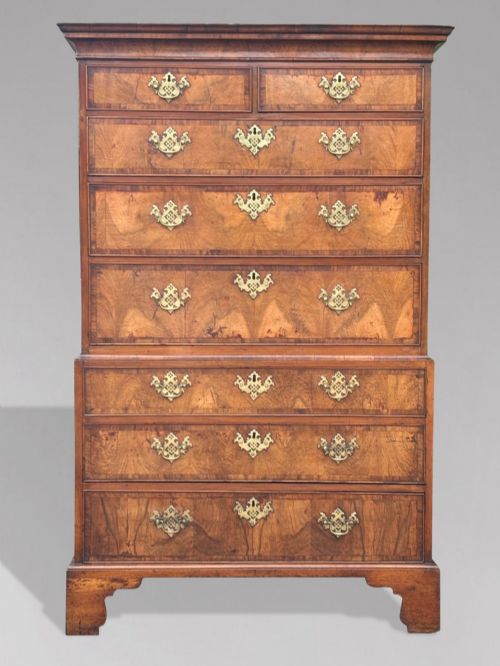
George ii period furniture brings architectural proportion and rich timber grains into domestic spaces, prized by collectors for tactile walnut and mahogany surfaces.
George II Period Furniture
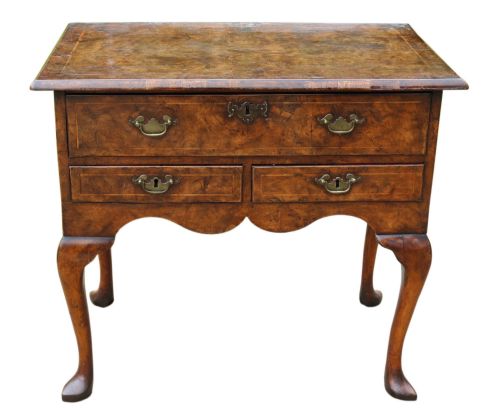
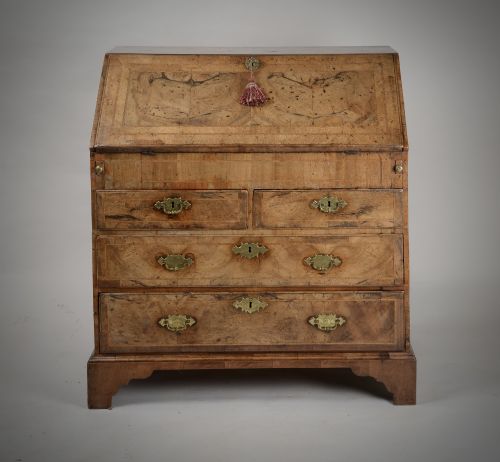
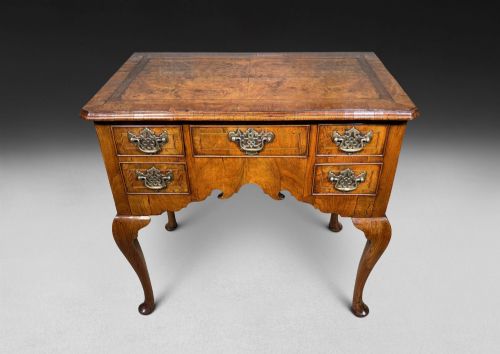
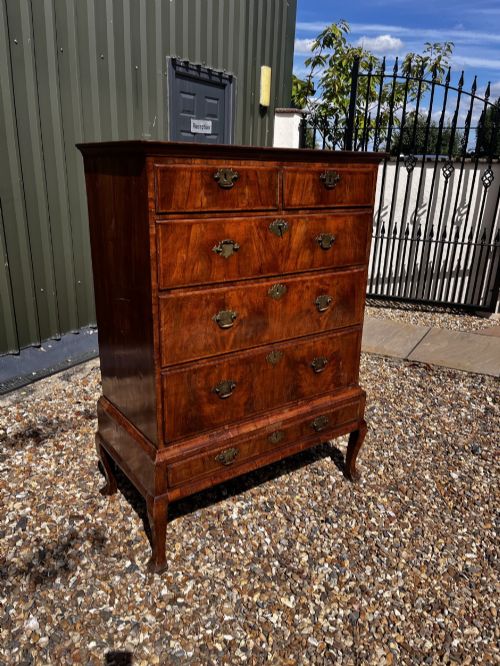
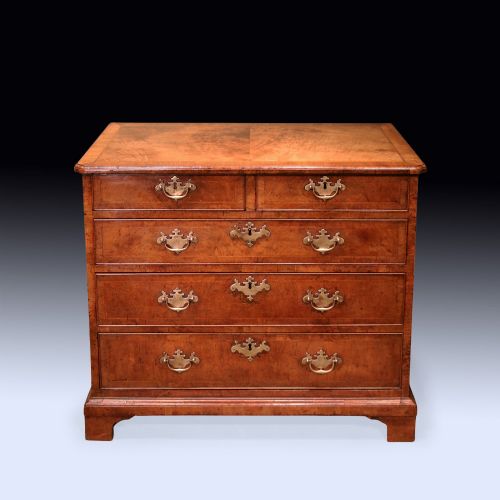
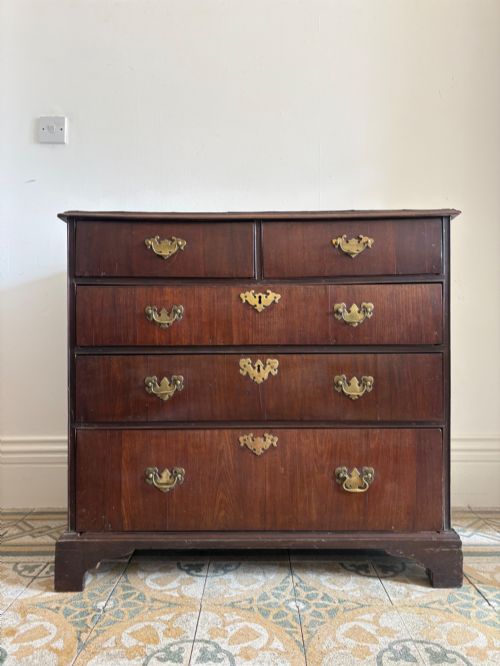
George ii period furniture encompasses practical forms designed for eighteenth-century homes, ranging from chests of drawers and bureaus to lowboys and seating. These pieces demonstrate the transition from heavy early styles to lighter, more refined proportions.
Lowboys, chests of drawers, and side tables dominate the selection, often featuring figured timbers. Buyers frequently encounter walnut, burr walnut, and mahogany examples dating from around seventeen-forty to seventeen-fifty.
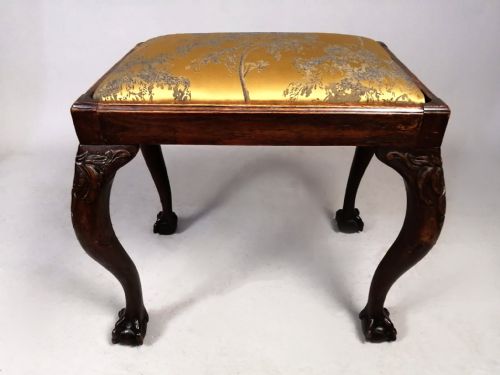
Seating includes armchairs, side chairs, and stools, alongside occasional items such as kettle stands and card tables. Walnut and mahogany form the foundation of these utilitarian and social objects.
Materials and construction
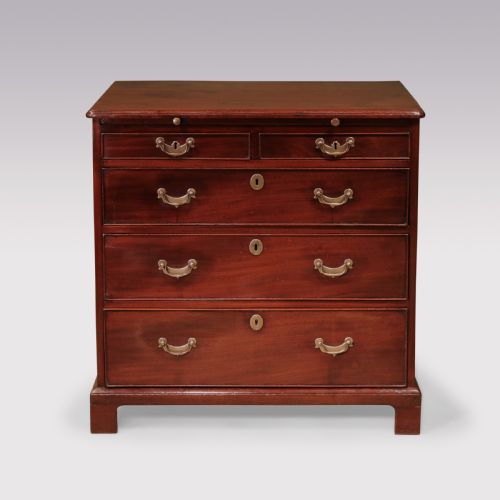
Cabinetmakers utilised dense timbers such as walnut, mahogany, oak, and elm, often selecting burr veneers for decorative surfaces. Brass hardware, including drop handles and escutcheons, complemented the rich brown tones of the wood.
Joinery techniques relied on dovetailed drawer construction and pegged frames, ensuring structural longevity. Silk upholstery occasionally appears on seating, paired with carved wooden frames.
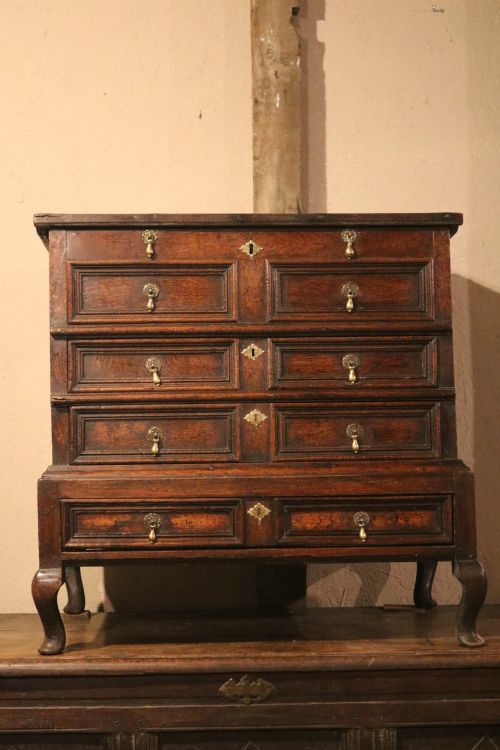
Miniature tallboys allowed apprentices to practice complex joinery at a small scale before tackling full-sized furniture.
Defining quality in these pieces
The choice of timber grain dictates visual appeal, with highly figured burr walnut and rich mahogany commanding attention. Mastery of carving, evident in cabriole legs or Irish carved details, separates standard items from exceptional ones.
Proportion and original hardware integrity influence the character of each piece. Surface patination developed over centuries adds depth to the material without masking its construction.
Giles Grendey
The George II Period Furniture Glossary
- Lowboy
- A small dressing table or side table featuring drawers beneath a flat top. They typically stand on slender cabriole legs.
- Bureau
- A sloping desk lid opening to reveal fitted interior pigeonholes and small drawers. This form combines writing utility with storage.
- Burr walnut
- A prized timber harvested from walnut tree growths, displaying swirling, organic patterns. Cabinetmakers utilised it for highly decorative veneered surfaces.
- Kettle stand
- A small occasional table designed to hold a heated kettle for tea service. These tall, slender stands often feature mahogany construction.
- Brushing slide
- A pull-out shelf integrated into case furniture above the top drawer. It provided a clean surface for writing or grooming without opening the main drawers.
George II Period Furniture: Frequently Asked Questions
What defines george ii furniture?
George ii furniture is characterised by mid-eighteenth-century design shifts, moving towards lighter proportions and curved cabriole legs. Walnut and mahogany serve as the primary structural and decorative materials.
Craftsmen focused on balanced proportions, incorporating refined carvings and figured veneer patterns without excessive ornamentation.
How do walnut and mahogany pieces differ?
Walnut pieces generally date from the earlier part of the period, often displaying rich grain patterns and burr veneers. Mahogany gained prominence later, offering strength for sharper carved details and deeper reddish tones.
Both timbers responded well to cabinetmaking techniques of the era, though mahogany provided greater resistance to splitting in complex carved elements.
Were lowboys used for writing?
Lowboys primarily functioned as dressing tables or small side tables rather than dedicated writing desks. Their compact size and drawer configuration suited personal grooming items and accessories.
Their shallow drawers held powders, brushes, and small documents in domestic bedchambers or parlours.
How should I care for eighteenth-century timber?
Maintain stable indoor humidity levels to prevent the timber and veneers from drying out or cracking. Avoid direct sunlight and sources of extreme heat.
Apply traditional wax sparingly to nourish the wood and preserve the historic surface patination without building up heavy residues.