





George II Oak Drawers
George ii oak drawers bring the solid proportion and warm timber of the mid eighteenth century into a room.
George II Oak Drawers
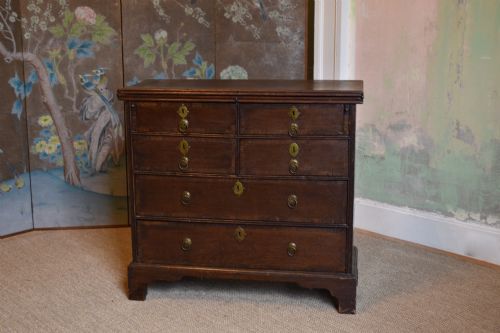
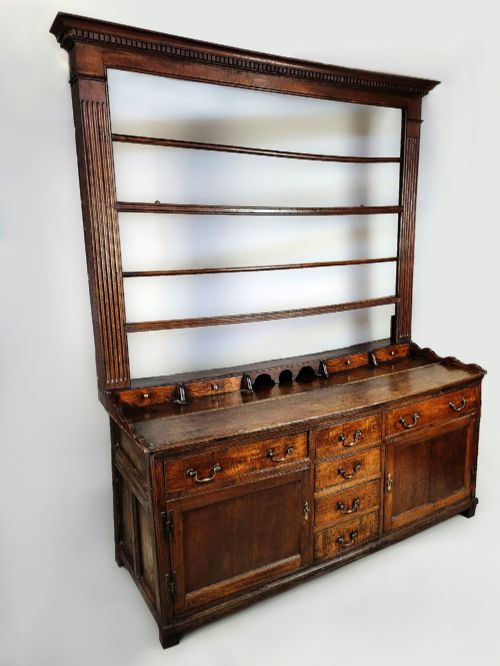
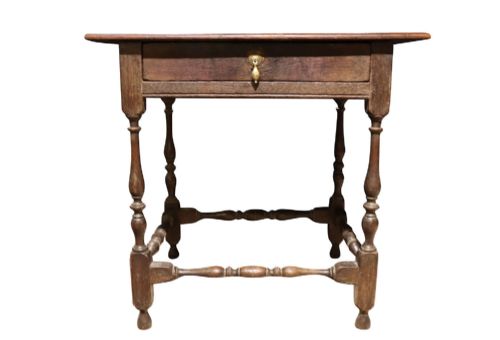
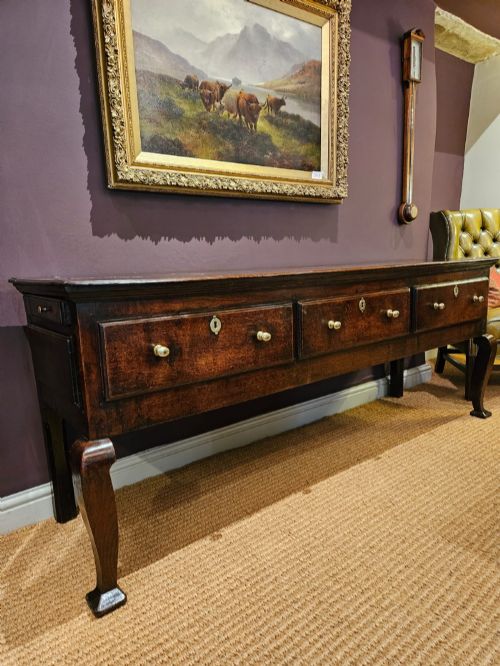
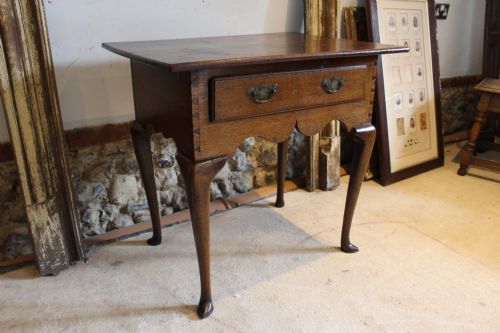
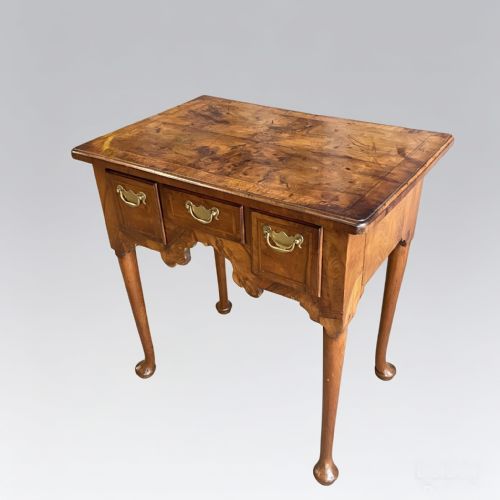
When you search for george ii oak drawers, you are looking at utilitarian furniture from the eighteenth century built primarily in oak, often accompanied by elm, walnut, cherrywood, and brass. The selection on this page centres on practical forms from the georgian era, notably chest of drawers, lowboys, dressers, and side tables.
You are most likely to meet lowboys and chests of drawers bearing the george ii style, alongside dresser bases and writing desks dated around 1740. These pieces originate from the eighteenth century, presenting straightforward construction intended for domestic storage and daily use.
How they were made
Cabinet makers constructed these pieces using solid oak, frequently paired with secondary woods like elm and cherrywood for drawer linings and internal framing. Brass handles and escutcheons provided functional hardware, while steel components secured internal structures.
Construction methods relied on traditional joinery suited to heavy timber, yielding sturdy lowboys, coffers, and tallboys designed to withstand decades of household wear.
George II Oak Drawers Retail Price Guide 2026
Typical asking prices for george ii oak drawers among the pieces listed under this phrase on Sellingantiques today, from the lower quarter to the upper quarter. They describe what is for sale here now, not the wider market.
Listings feature eighteenth century pieces utilising oak, walnut, elm, cherrywood, brass, and steel across forms like lowboys and dressers.
What varies in quality
The distinction between standard domestic items and finer pieces lies in the selection of timber grain and the complexity of the form, such as miniature proportions or integrated spice drawers. Simpler side tables and standard chests contrast with more elaborate bachelors chests and chests on chests that combine oak with walnut.
Original brass hardware and untouched surface patination elevate a piece, whereas replacements and heavy alterations alter the character of the timber.
The George II Oak Drawers Glossary
- Lowboy
- A small low table with drawers, typically used as a dressing table or side table during the eighteenth century.
- Coffer bach
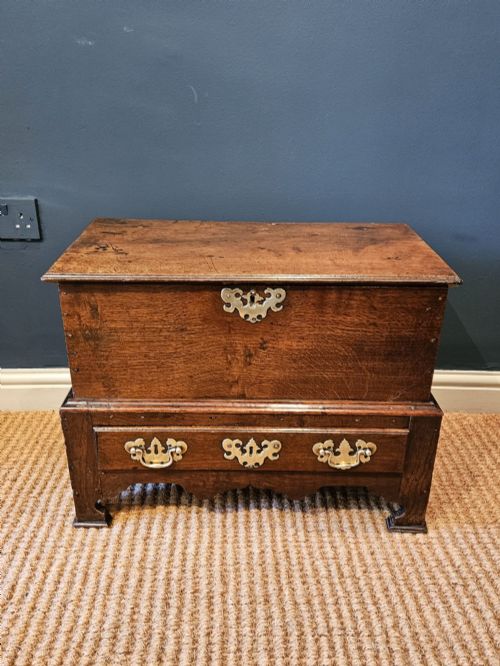
- A small Welsh oak chest or coffer, often featuring a single drawer beneath the main compartment.
- Tallboy
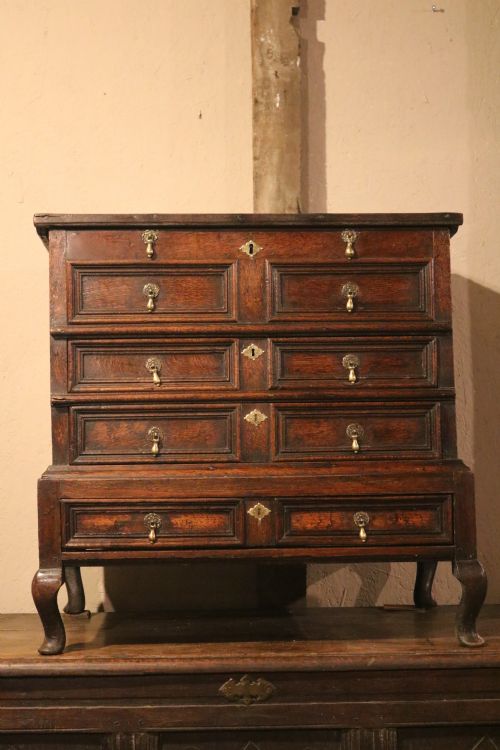
- A tall chest of drawers made by stacking one chest upon another, sometimes built in miniature proportions.
- Bachelors chest
- A small compact chest of drawers featuring a fold-over top designed for writing or dressing.
- Dresser base
- A heavy low sideboard with multiple drawers, frequently utilised for storage in country kitchens.
George II Oak Drawers: Frequently Asked Questions
What is a lowboy used for?
A lowboy served as a compact dressing table or side table in eighteenth century homes, providing surface space and accessible drawer storage.
Today these versatile tables function well as writing desks or lamp tables in living spaces.
How do I date george ii furniture?
Dating relies on stylistic markers associated with the reign of George II, spanning the second quarter of the eighteenth century around 1740.
Construction details, timber selection, and traditional hardware help distinguish pieces from this specific period.
Are these drawers made entirely of oak?
While oak forms the primary exterior and structural timber, makers often incorporated elm, walnut, or cherrywood for secondary elements.
Drawer linings and internal panels frequently utilise these mixed native hardwoods alongside primary oak boards.
Where were these pieces made?
These items originated in British workshops during the mid eighteenth century, with regional variations appearing across England and Wales.
Local timber choices, such as Welsh oak, often point to specific regional construction traditions.