



George II Mahogany Furniture
George II mahogany furniture brings together robust timbers and carved cabriole legs, offering domestic utility shaped in the mid-eighteenth century.
George II Mahogany Furniture
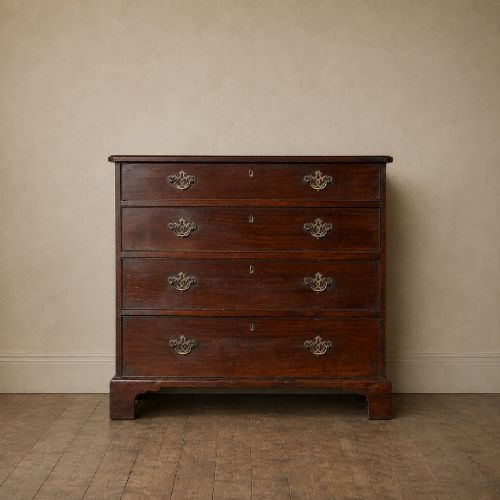
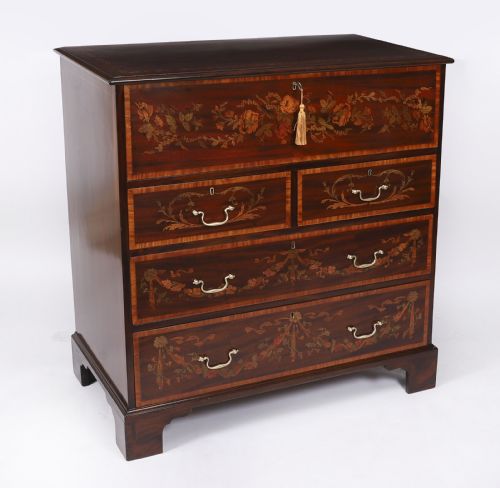
George II mahogany furniture encompasses a range of domestic forms spanning dining tables, card tables, chests of drawers, armchairs, and lowboys.
The pieces on this page lean heavily towards mid-eighteenth-century production, alongside later revival interpretations executed in mahogany, Cuban mahogany, and occasionally incorporating marble or brass.
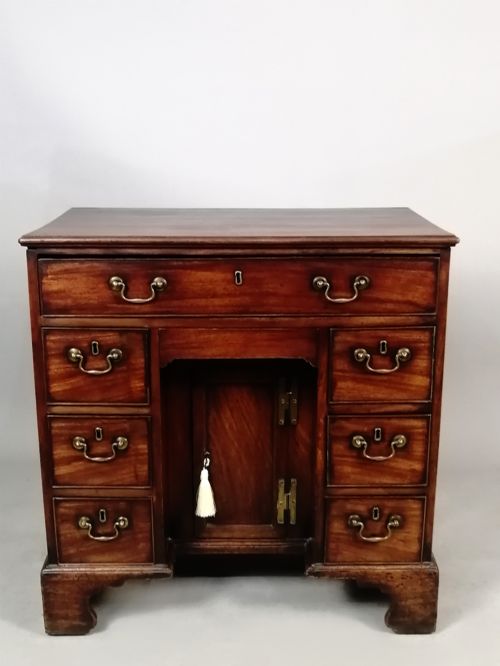
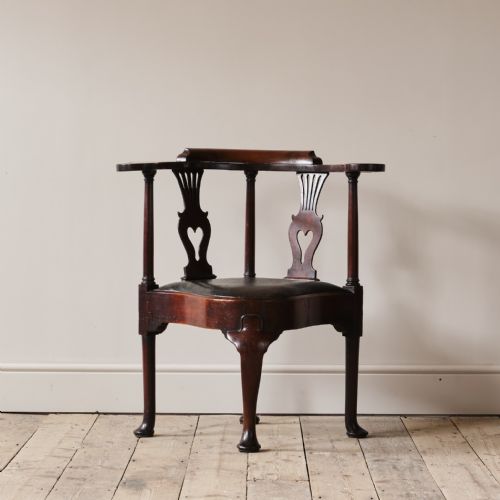
Buyers encounter specialised seating such as corner chairs and Gainsborough armchairs, alongside side tables, dressing chests, and bureau desks fitted with writing compartments.
Materials and construction
Makers utilised solid mahogany and dense Cuban mahogany, often selecting figured timber for prominent surfaces and combining structural elements with brass hardware, leather, damask, or fabric upholstery.
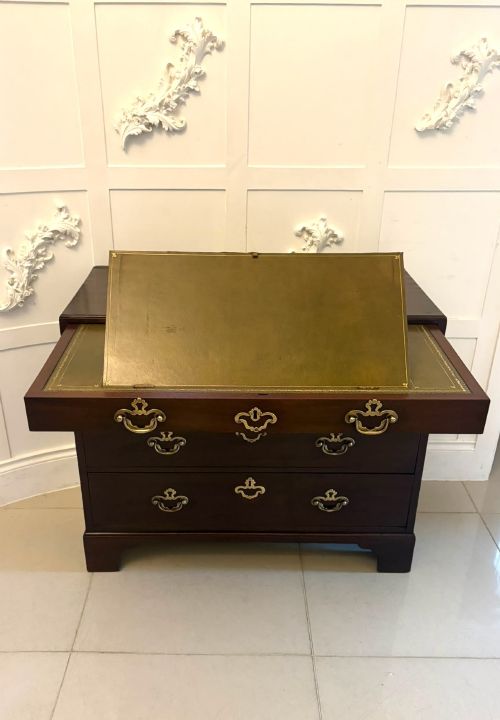
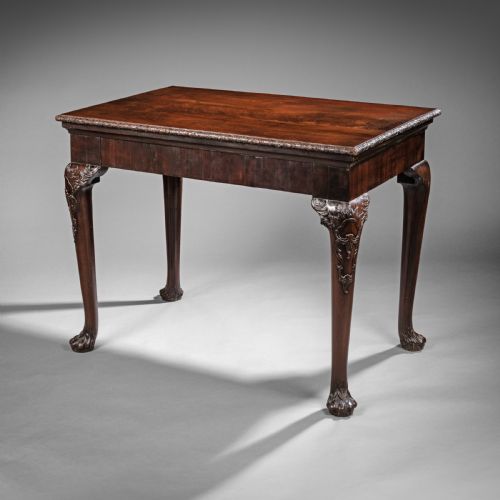
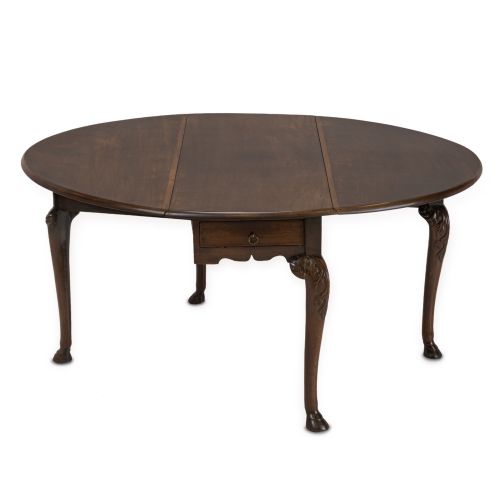
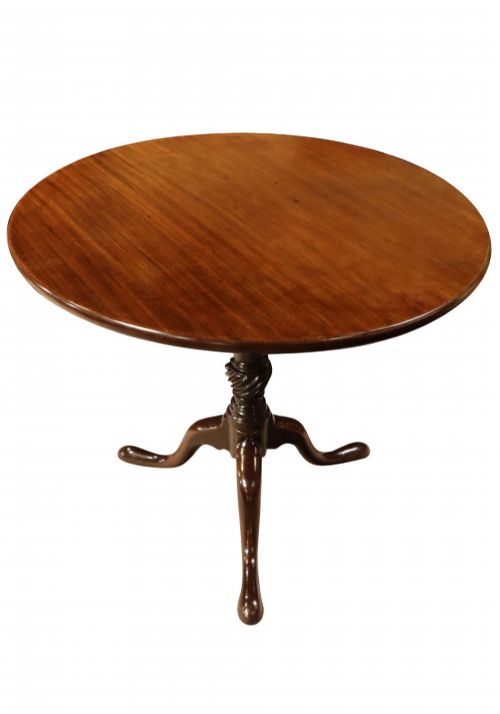
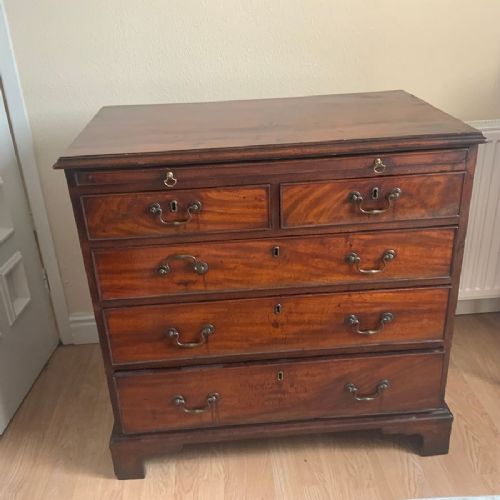
Joinery techniques supported complex forms including snap-top occasional tables with spiral twist columns, drop-leaf dining tables with carved cabriole legs and hoof feet, and chests featuring fitted writing desks and brushing slides.
George II Mahogany Furniture Retail Price Guide 2026
Typical asking prices for george ii mahogany furniture among the pieces listed under this phrase on Sellingantiques today, from the lower quarter to the upper quarter. They describe what is for sale here now, not the wider market.
A child's chair waits patiently among the tables, sized down for a very small Georgian.
Assessing quality and origin
Quality separates through the crispness of carved details on cabriole legs and feet, the depth of figuring in the mahogany timber, and the presence of regional characteristics such as Irish proportion and carving.
Examples retaining original elements like ogee feet, brushing slides, and fitted interior compartments hold distinct advantages over pieces altered or produced during later revival periods.
Francis Brodie·Giles Grendey
The George II Mahogany Furniture Glossary
- Cabriole leg
- A furniture leg that curves out and then in, resembling the shape of an animal's leg. This form typically terminates in a pad, hoof, or claw-and-ball foot.
- Brushing slide
- A pull-out shelf integrated into the upper section of a chest of drawers or desk. It provided a clean surface for dusting clothes or writing notes.
- Lowboy
- A small side table with one or more rows of drawers supported on four tall legs. They functioned as dressing tables or general utility stands.
- Bureau
- A desk featuring a sloping hinged writing flap that encloses a fitted interior of small drawers and pigeonholes. These often sit atop a chest of drawers base.
- Gainsborough armchair
- A wide, upholstered armchair with open padded arms, a high back, and short cabriole legs. They were designed for comfort during reading or conversation.
George II Mahogany Furniture: Frequently Asked Questions
What is george ii mahogany furniture?
George II mahogany furniture comprises tables, chests, desks, and seating made primarily during the mid-eighteenth century. The pieces employ dense mahogany timbers and show distinct carving traditions.
Buyers find functional domestic forms ranging from lowboys and card tables to robust dining furniture and specialised armchairs.
How do I spot a revival piece?
Revival items date to later periods such as the nineteenth or twentieth century rather than the eighteenth century. They imitate earlier forms but use different construction signatures.
Examining timber age, secondary woods, and hardware helps distinguish original eighteenth-century production from later copies.
Were these items used for dining?
Dining tables and drop-leaf formats served meals in grand and modest homes alike. Oval drop-leaf tables provided flexible surface areas for households.
Alongside tables, side pieces and serving surfaces supported the dining room activities of the period.
What makes irish pieces different?
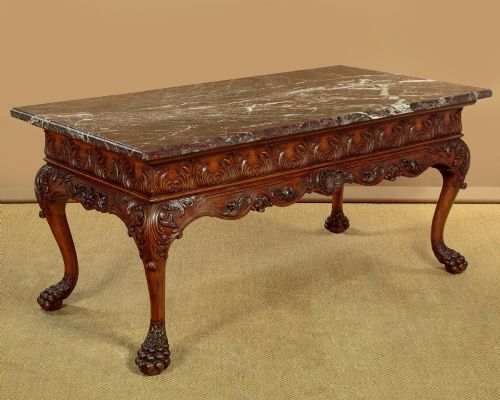
Irish examples often feature heavier proportions, bolder carving, and distinctive leg or foot treatments. Makers in Ireland worked with dense stocks of mahogany.
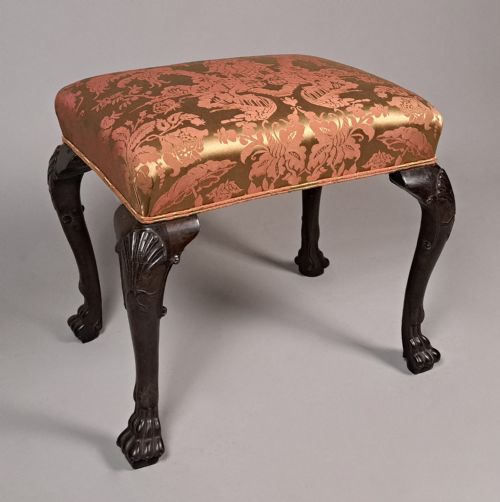
Console tables, silver tables, and footstools from this region display pronounced decorative emphasis on the frame.