



George II Console Table
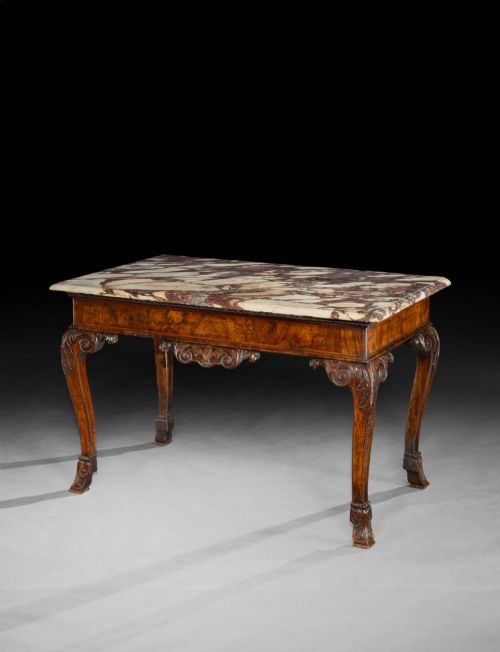
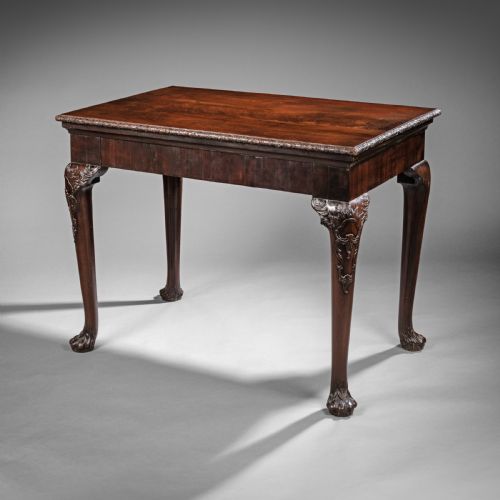
A george ii console table anchors a room with architectural confidence, bringing robust proportions and rich timber to a hallway or drawing-room wall.
George II Console Table
When searching for a george ii console table, one encounters a fascinating crossover of related serving, games, and side forms rather than rigid console archetypes alone.
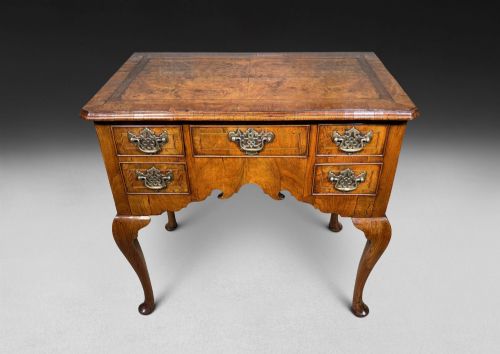
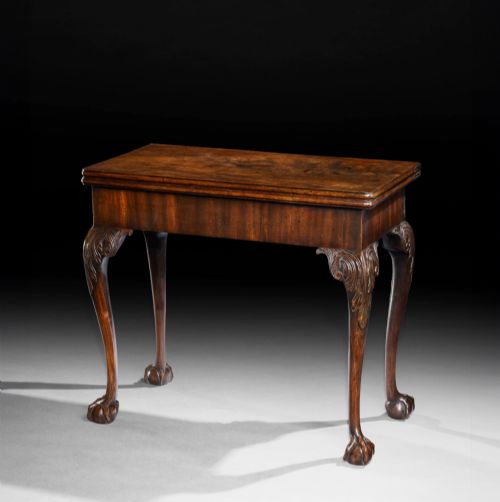
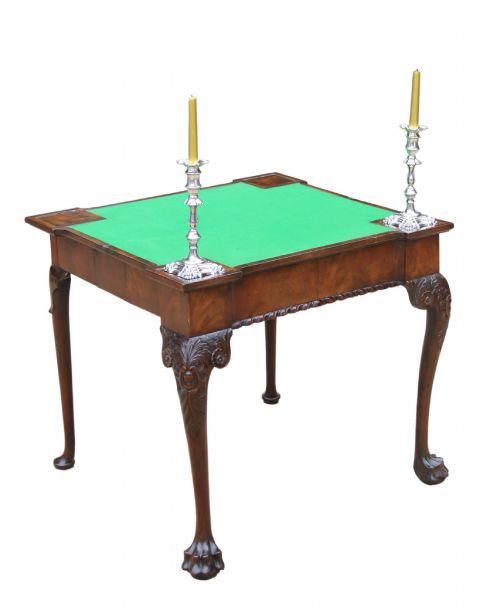
The material record shows strong representation of card tables, lowboys, and tea tables alongside traditional console formats, frequently originating from eighteenth-century workshops.
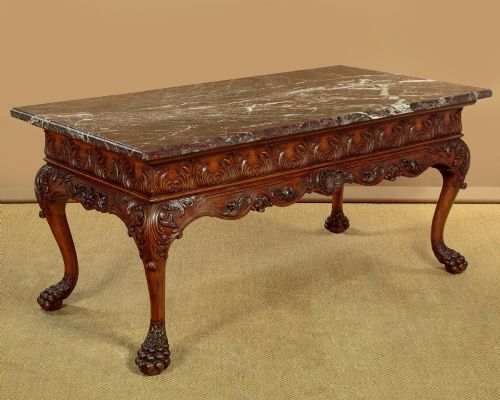
Later revival pieces from the nineteenth and early twentieth centuries also appear, mimicking the heavy carved ornament and figured veneers of the primary Georgian era.
Timber and Construction
Cabinet-makers relied heavily on dense hardwoods like mahogany, walnut, and oak, often selecting figured, burr, or feather-banded veneers for primary display surfaces.
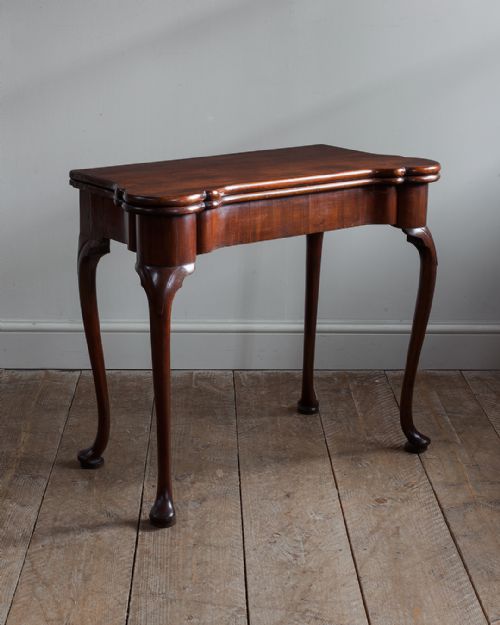
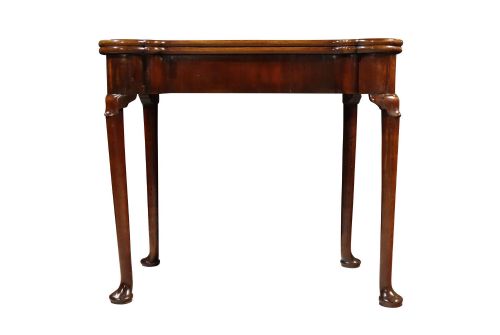
Complex mechanical joints, concertina actions, and folding top mechanisms required precise carpentry to ensure stability when tables converted from compact consoles to gaming surfaces.
Object varieties span card tables, lowboys, tea tables, and traditional console formats.
Craft and Proportion
Superior examples display crispness in hand-carved details, such as ball-and-claw feet or shell motifs, whereas inferior items show softened edges and generic moulding.
The choice of timber grain depth and the seamless alignment of fold-over tops separate standard utility pieces from high-status furniture created for grand interiors.
Giles Grendey·George Bullock·Gillows
The George II Console Table Glossary
- Console table
- A table designed to stand against a wall, frequently fixed with brackets or supported by cabriole legs. These pieces served as ornamental ledges in formal reception spaces.
- Lowboy
- A small dressing table or side table featuring one or more rows of drawers beneath a rectangular top. They typically stand on slender cabriole legs ending in pad feet.
- Concertina action
- An expanding frame mechanism used on folding card tables. It extends outward to support the opened leaf symmetrically without sagging.
- Pot board
- An open lower shelf fitted between the legs of a dresser base or side table. Originally utilised for storing kitchen crockery or heavy vessels.
- Giltwood
- Timber carved and coated with gold leaf or metallic paint. This finish creates a luminous, reflective surface popular in formal eighteenth-century interiors.
George II Console Table: Frequently Asked Questions
How were console tables used historically?
These tables stood against drawing-room walls to display decorative ceramics, clocks, and candelabra during the eighteenth century.
Many variants also functioned as card or tea tables, opening up to accommodate evening social gatherings.
What is a lowboy?
A lowboy is a compact side table equipped with drawers beneath the work surface. Cabinet-makers built them primarily for use in bedrooms or dressing rooms.
Their proportions mirror larger case pieces while offering convenient surface storage.
How do you spot a revival piece?
Revival items produced in the nineteenth or twentieth century often exhibit machine-sawn timber uniformity and different secondary wood choices underneath.
Examination of the drawer linings and internal construction blocks usually reveals later manufacturing techniques.
Why do some tables have fold-over tops?
Fold-over tops allowed a narrow wall console to double in surface area instantly for gaming or dining.
Internal baize-lined wells underneath provided concealed space for counters and playing cards.