

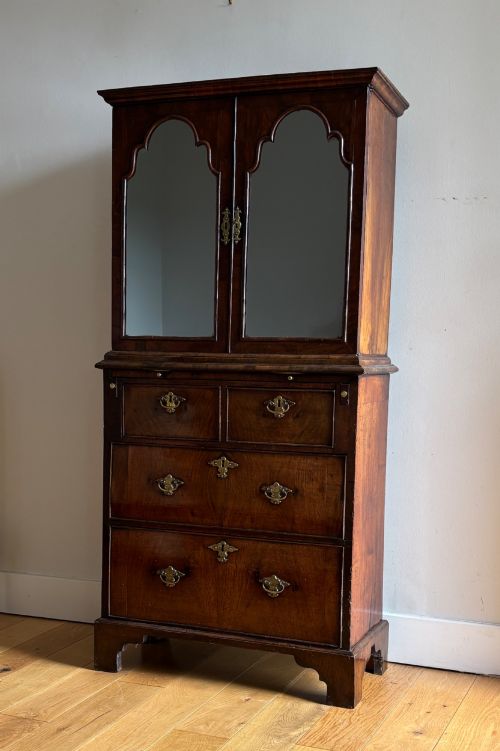
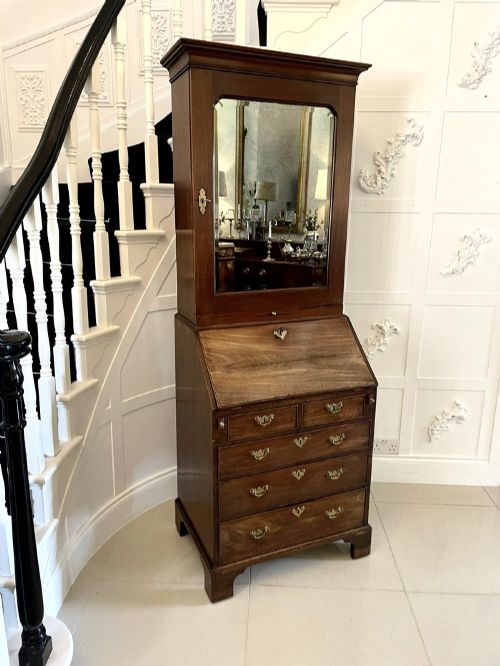
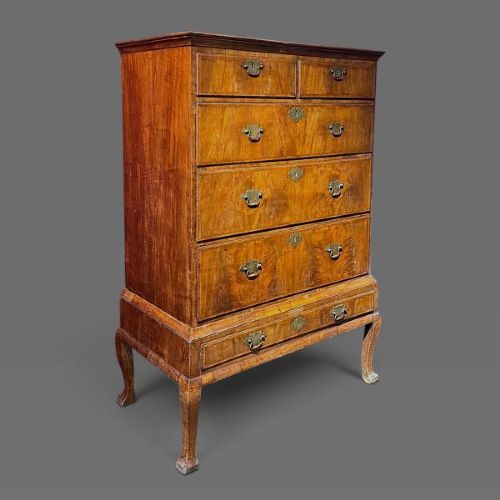
George II Chest
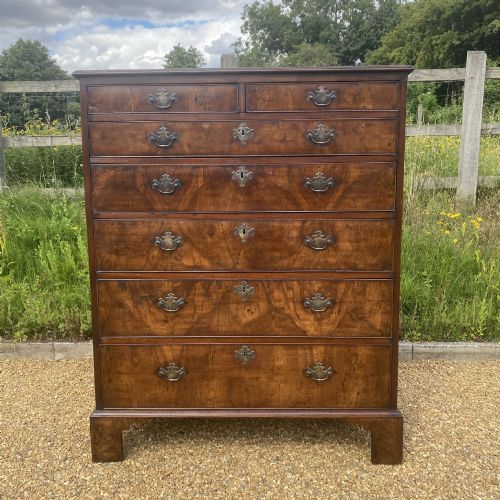
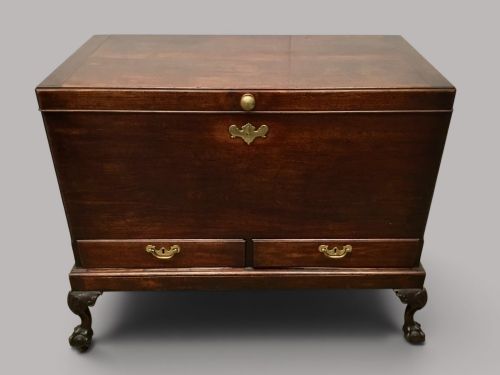
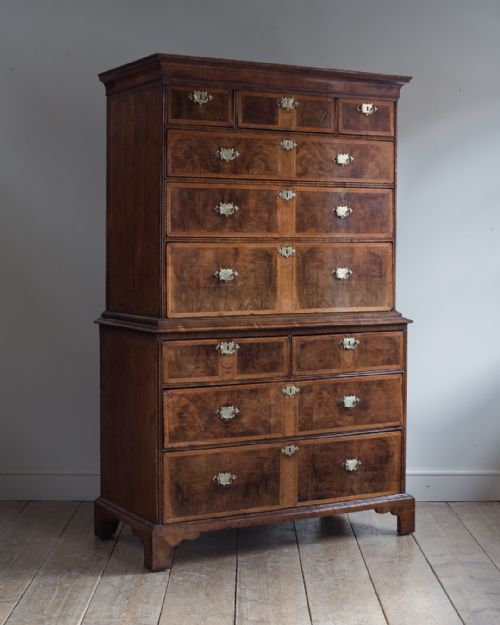
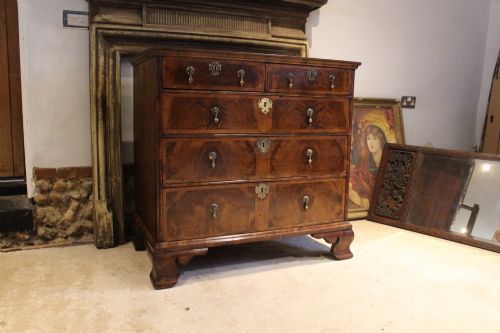
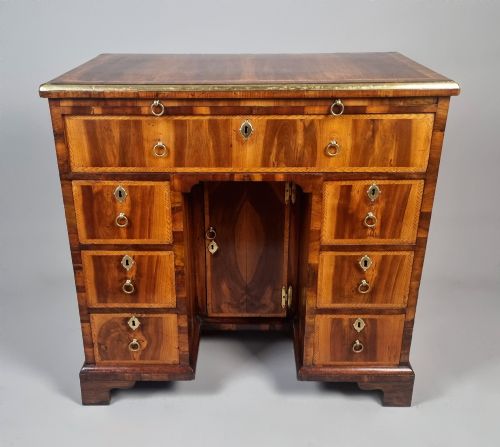
A george ii chest brings architectural balance and rich timber grain to an interior, whether you choose a compact walnut lowboy or a towering mahogany chest on chest.
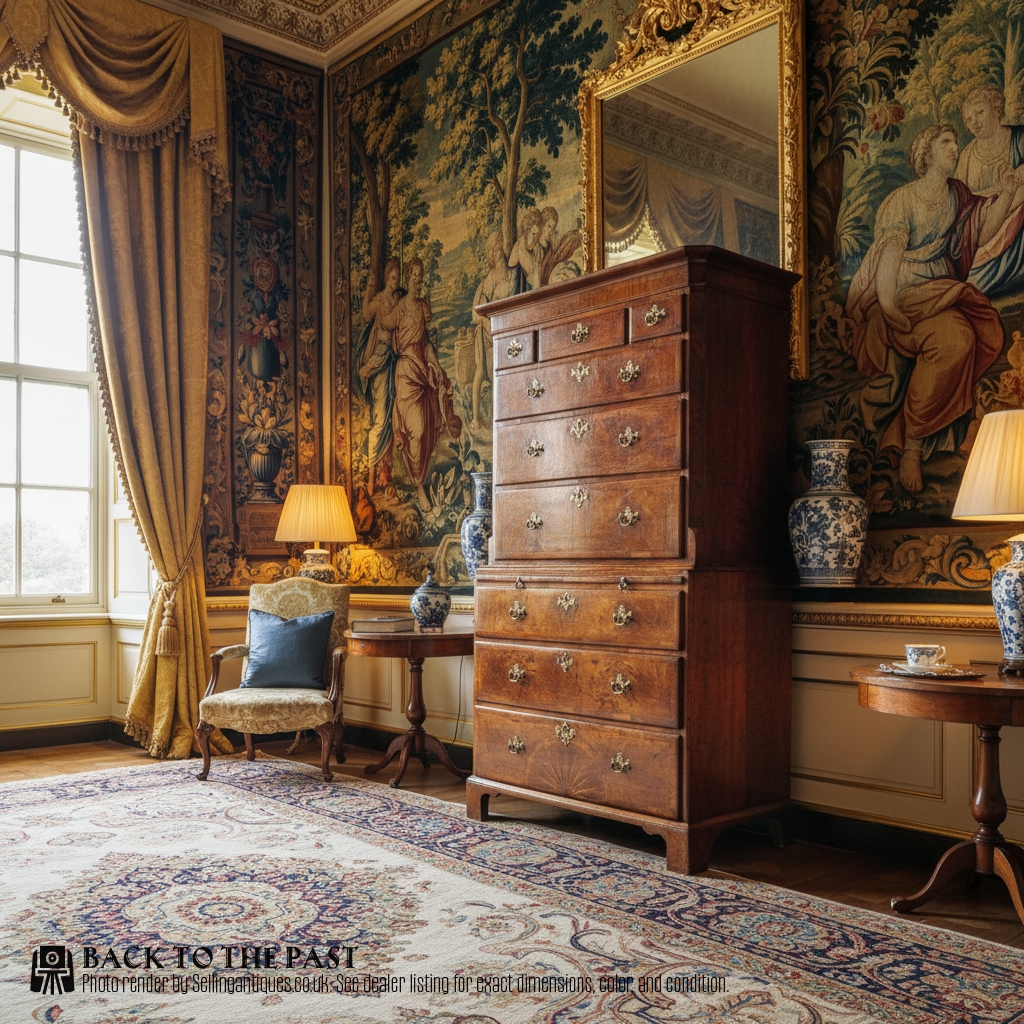
George II Chest
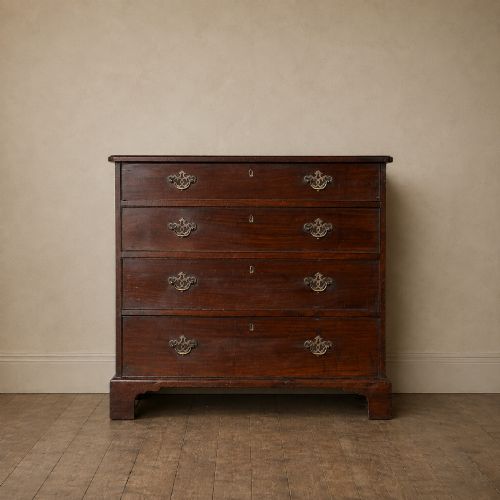
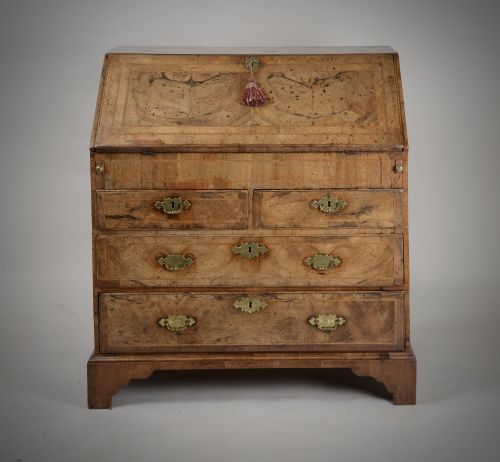
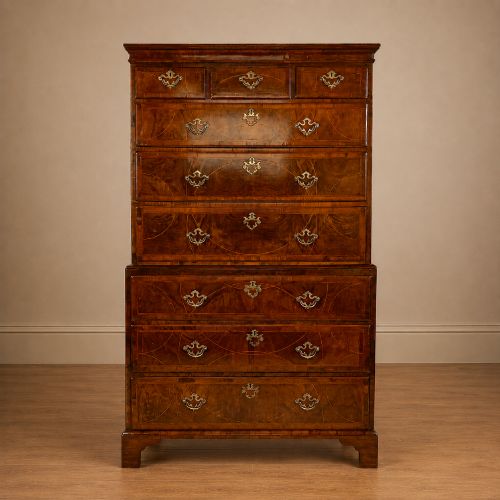
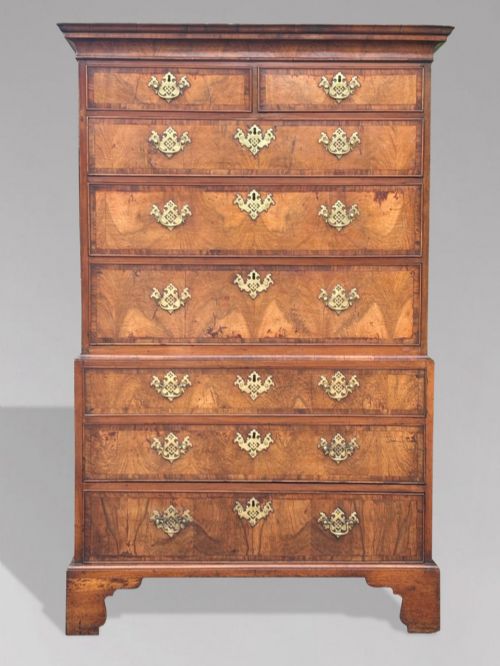
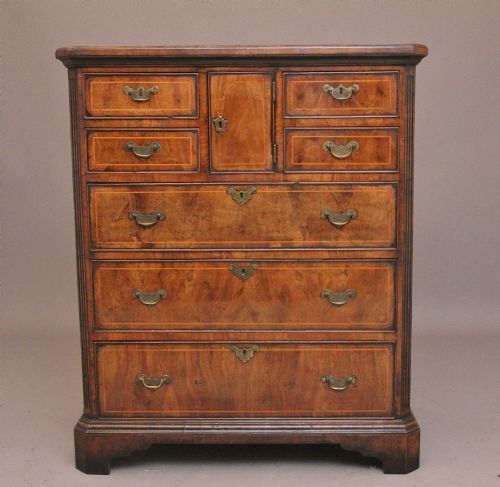
A george ii chest encompasses formal drawer storage created during the Georgian era, most frequently taking the form of walnut or mahogany chests of drawers, tallboys, and chests on chest. These pieces served domestic storage needs in 18th-century households with disciplined symmetry and understated proportion.
How they were made
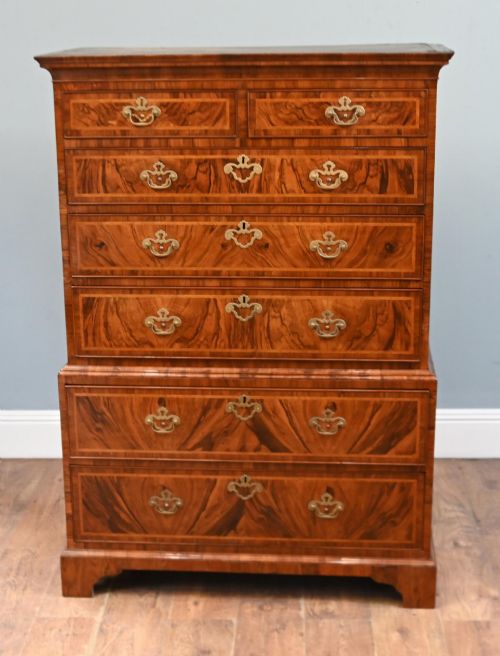
Cabinet makers constructed these carcases using native and imported hardwoods like oak, walnut, and mahogany, often applying figured walnut veneers or burr walnut to primary surfaces to create dramatic grain patterns. Brass handles, escutcheons, and bracket feet completed the construction, with secondary timbers such as oak utilised for internal drawer linings.
Joinery relied on traditional hand-cut dovetails for drawer construction and sturdy mortise and tenon frames, while specialised decorative techniques like line inlay or sunburst patterns embellished the drawer fronts and top surfaces.
George II Chest Retail Price Guide 2026
Typical asking prices for george ii chest among the pieces listed under this phrase on Sellingantiques today, from the lower quarter to the upper quarter. They describe what is for sale here now, not the wider market.
Listings demonstrate a transition from walnut to mahogany across the period, accompanied by occasional oak and fruitwood pieces.
What varies in quality
The standard of a george ii chest rests upon the choice of timber veneer, the crispness of the cabinetmaker's joinery, and the retention of original hardware such as brasses and feet. Pieces featuring highly figured burr walnut or rich red mahogany sit at the upper end of the range, distinguished by careful book-matching and uninterrupted surface patination.
The George II Chest Glossary
- Brushing slide
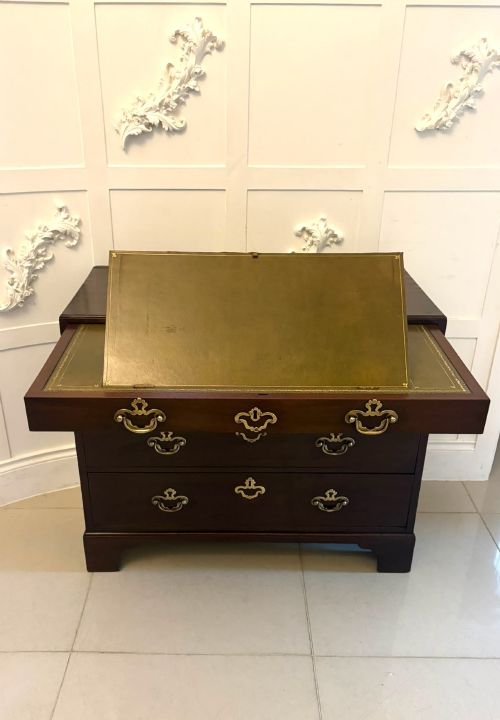
- A pull-out shelf integrated above the top drawers, traditionally used for folding clothes or writing correspondence without opening the main drawers.
- Chest on chest
- A tall storage unit comprising two distinct sections, where a narrower upper chest sits directly upon a wider lower chest of drawers.
- Walnut veneer
- Thin sheets of decorative walnut timber applied over a secondary wood base to provide elaborate grain patterns across the visible surfaces.
- Bracket foot
- A simple architectural foot supporting the corners of the chest, shaped with mitred joints and frequently taking an ogee or bracket profile.
- Line inlay
- Fine contrasting strips of wood inserted into grooves on the drawer fronts or top surfaces to create delicate geometric borders.
George II Chest: Frequently Asked Questions
What is a brushing slide used for?
The pull-out slide sits immediately beneath the top surface and above the upper drawers. It provided a clean, flat surface for folding garments or writing notes in 18th-century dressing rooms.
Cabinet makers integrated these boards smoothly into the frame so they remained hidden when closed. Today, they help distinguish finer chests intended for bedchambers or formal reception rooms.
How do I tell a chest on chest apart from a tallboy?
A chest on chest consists of two matching drawer sections stacked together, creating a tall storage piece with clean architectural lines. Both the top and bottom portions are designed specifically to hold drawers.
A tallboy traditionally refers to a single tall chest of drawers, though the terms are often used interchangeably in modern trade. Both forms maximise vertical storage while maintaining compact floor footprints.
What woods were commonly used for these chests?
Walnut dominated the earlier decades of the period, featuring rich brown tones and decorative burr patterns applied as veneers over oak or pine carcases. Mahogany became increasingly popular toward the middle of the century, offering a dense, reddish-brown surface that tolerated crisp carving.
Secondary timbers like oak appear frequently in the internal construction of drawers and backboards. Occasional examples utilise fruitwood, yew wood, or satinwood for specialised decorative effect.
How do I care for antique walnut furniture?
Protect antique timber surfaces by keeping them away from direct sunlight and heat sources, which cause veneers to dry and lift. Maintain stable indoor humidity levels to prevent the wood from expanding or contracting.
Apply a traditional beeswax polish sparingly to nourish the patina. Avoid modern silicone sprays or abrasive cleaners that damage the historic polish.