

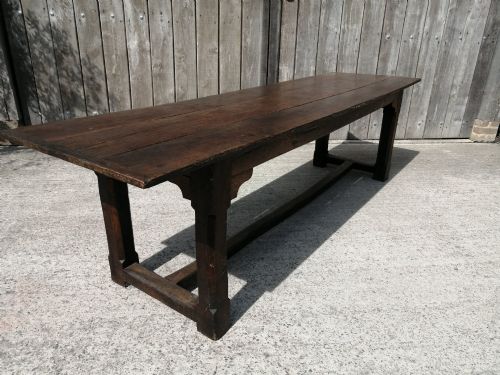
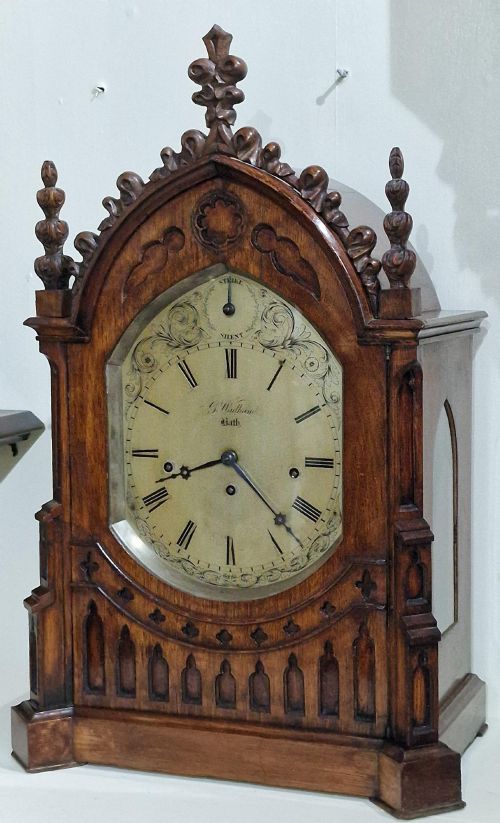
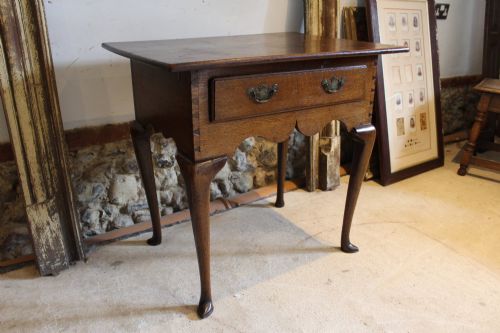
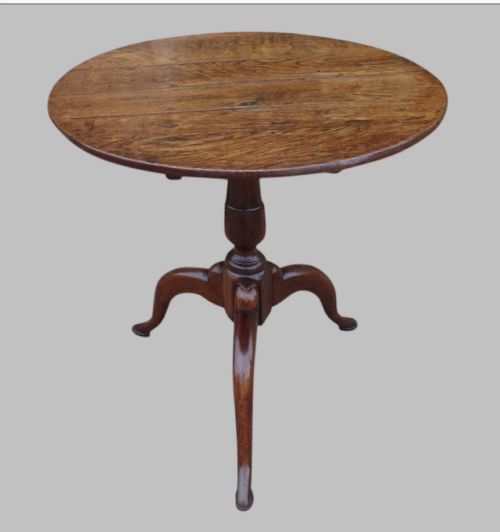
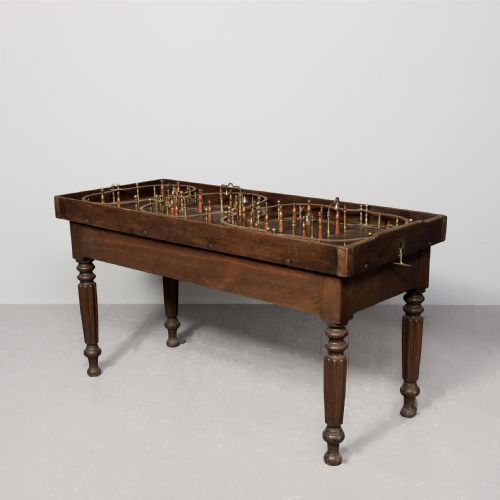
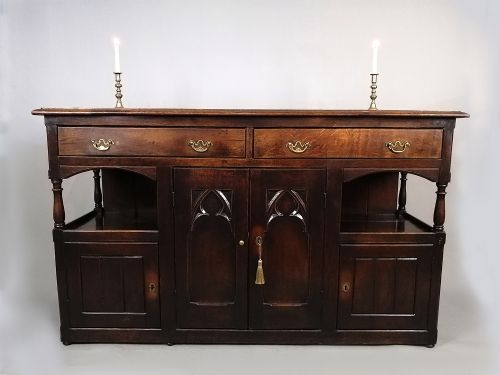
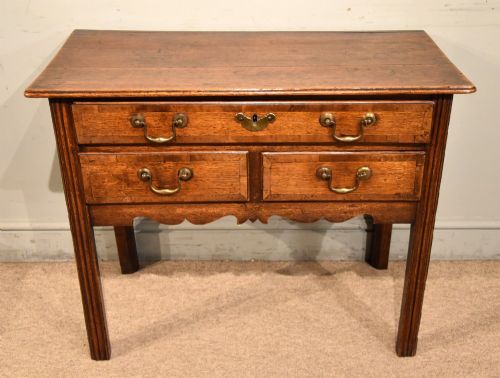
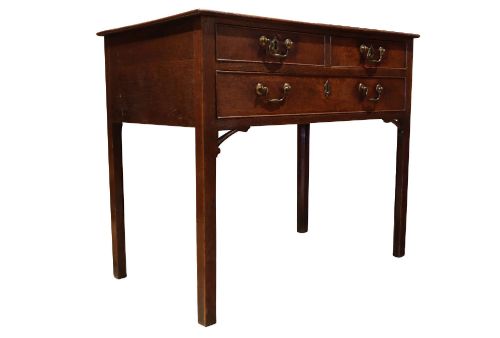
George I Oak Table
When you search for a george i oak table, you encounter early eighteenth-century surfaces built from sturdy native timber.

George I Oak Table
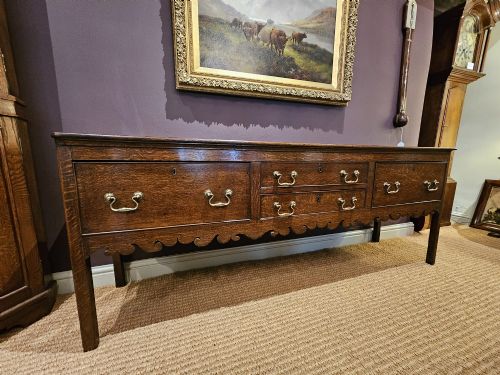
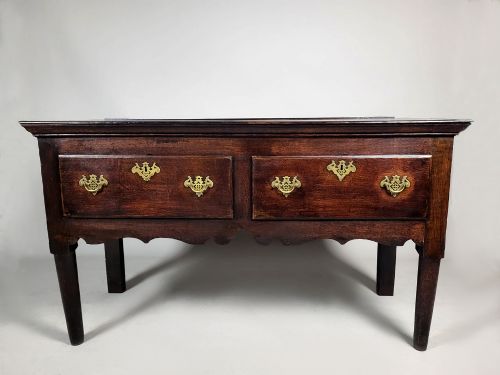
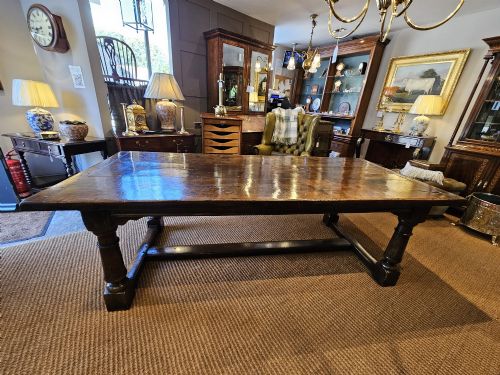
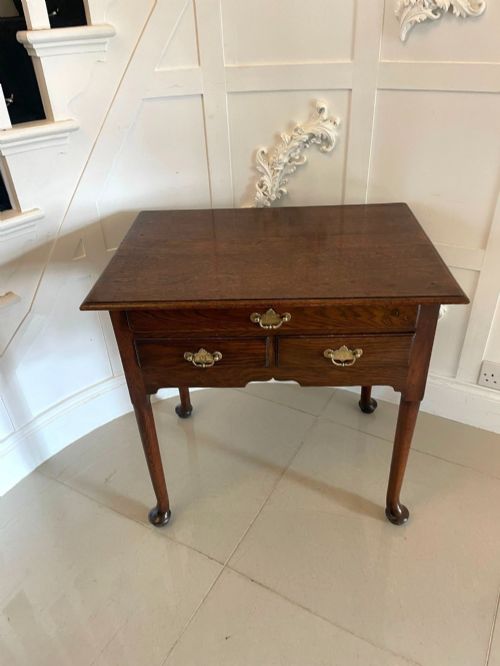
A george i oak table represents the domestic furniture production of the early eighteenth century, encompassing forms designed for dining, serving, and occasional use.
The selections span dining surfaces, drop-leaf examples, and dressing pieces, reflecting the domestic habits of the period.
Buyers seeking this phrase encounter sturdy construction typical of provincial workshops operating under early Georgian influence.
Materials and Construction
Makers utilised native oak, frequently paired with elm or walnut for secondary framing and specific decorative elements.
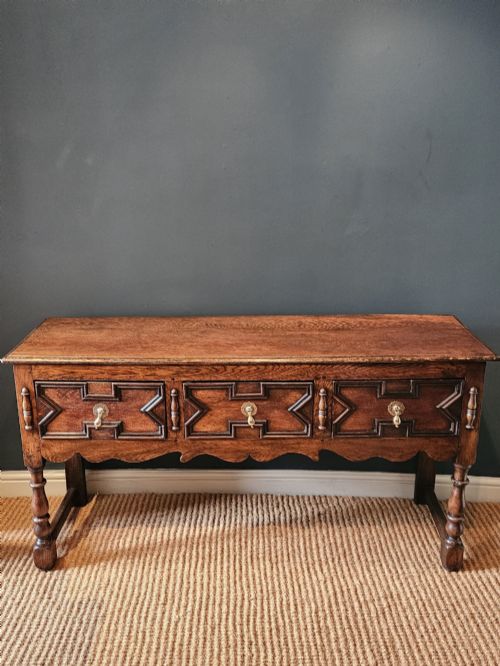
Joinery relied on traditional methods including pegged mortise and tenon joints, drawer linings, and geometric mouldings.
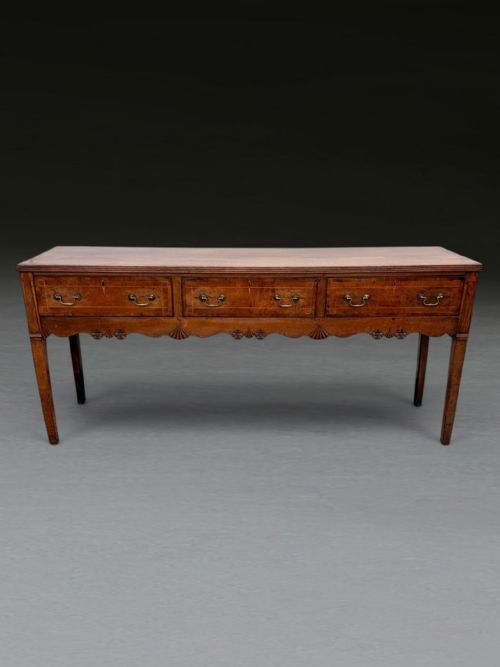
Surfaces show the natural grain of timber, sometimes enhanced with inlay or simple edge profiling rather than heavy veneers.
George I Oak Table Retail Price Guide 2026
Typical asking prices for george i oak table among the pieces listed under this phrase on Sellingantiques today, from the lower quarter to the upper quarter. They describe what is for sale here now, not the wider market.
Listings feature oak, walnut, and elm materials across dining, occasional, and lowboy forms from the eighteenth century.
Evaluating Quality
Differentiation across these pieces rests on timber selection, such as quarter-sawn figuring, and the crispness of surviving mouldings.
Proportions and structural integrity dictate the standing of an example, distinguishing vernacular provincial work from sophisticated urban commissions.
William Trotter
The George I Oak Table Glossary
- Refectory table
- A long dining surface traditionally used in communal halls and domestic dining rooms. These examples often seat eight to twelve individuals.
- Lowboy
- A small kneehole dressing table or side table featuring one or more drawers beneath the top. They date frequently to the eighteenth century.
- Tripod table
- A small occasional table supported by a central pillar and three legs. Many feature tilt-top mechanisms for storage.
- Gateleg table
- A dining or occasional table with hinged leaves supported by swing-out legs. This form allows the surface to expand or fold down.
- Geometric moulding
- Decorative shaping applied to drawer fronts or framing edges in repeating patterns. This technique appears on early pieces from the period.
George I Oak Table: Frequently Asked Questions
What is a george i oak table?
A george i oak table is a domestic wooden surface made during the early eighteenth century. These pieces include dining tables, drop-leaf formats, and occasional tables.
They reflect the straightforward joinery and sturdy materials characteristic of early Georgian provincial craftsmanship.
How were these tables used?
These tables served daily household functions such as dining, writing, and food preparation in country houses and town dwellings.
Smaller formats functioned as side tables or portable surfaces moved around the home as needed.
How do I live with oak furniture?
Placing oak furniture away from direct heat sources protects the timber from drying out and splitting over time. Regular gentle dusting preserves the natural finish of the wood.
Using coasters and placemats prevents moisture rings on antique surfaces without requiring modern synthetic polishes.
How do I identify a george i oak table?
Identification involves examining the construction methods, timber choice, and specific hardware typical of the early eighteenth century. Geometric mouldings and pegged joints offer key visual clues.
Comparing the proportions against known period examples helps confirm the date and origin of the piece.