
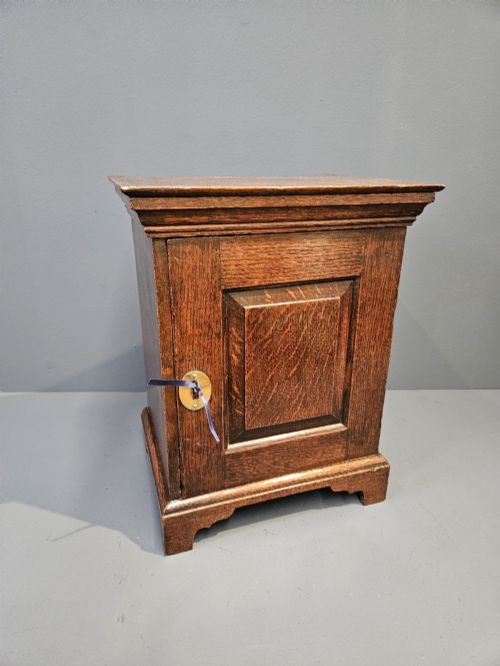

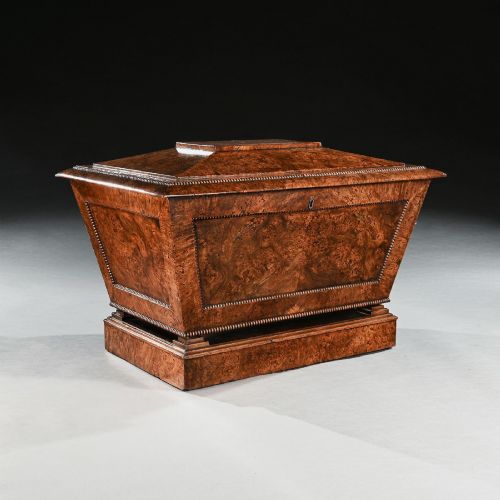
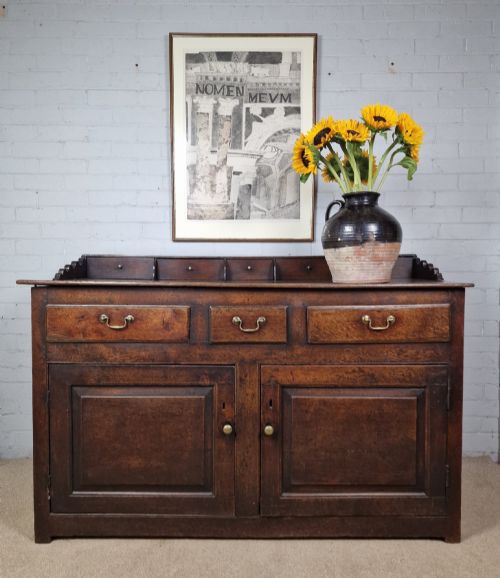
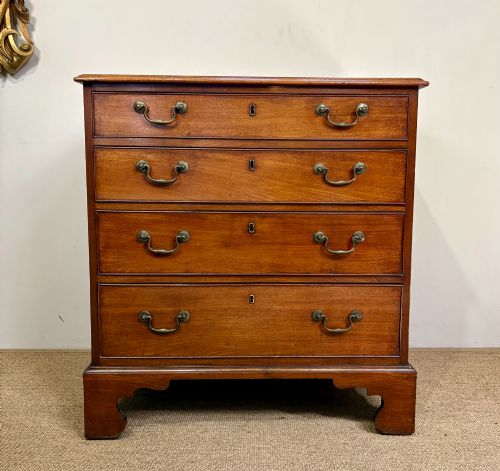
George I Oak Furniture
George I oak furniture delivers sturdy craftsmanship in honest timber, built for daily use and treasured for rich, ageing surfaces.

George I Oak Furniture
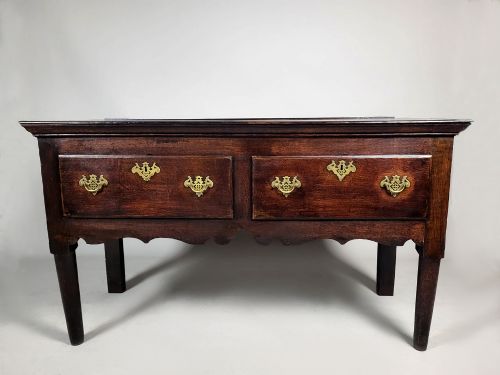
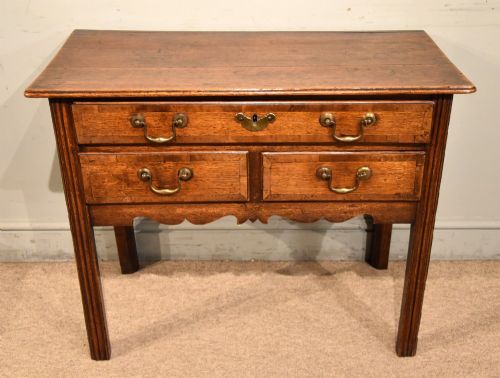
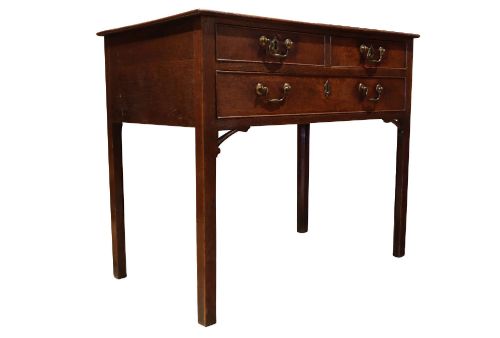
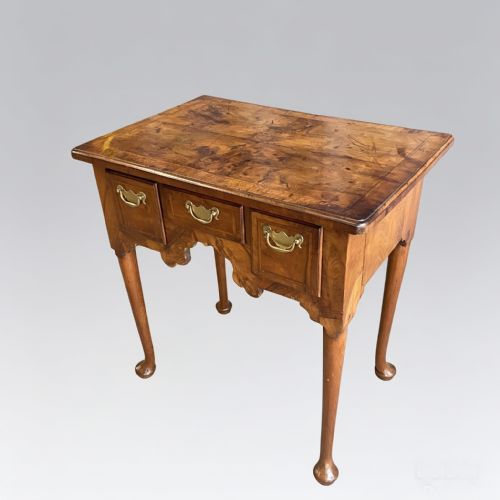
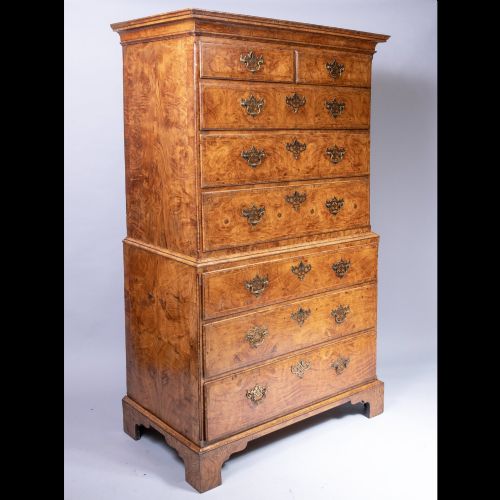
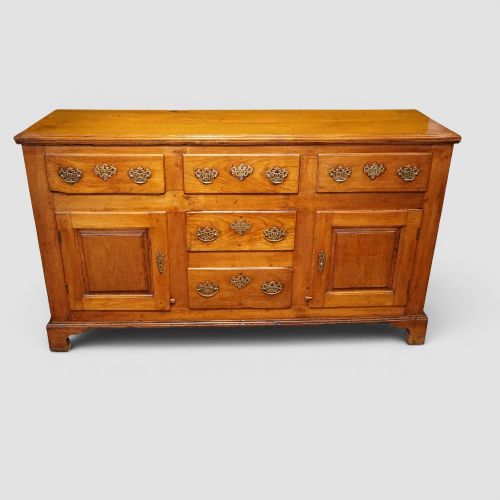
George I oak furniture encompasses practical domestic items built primarily during the early eighteenth century and the broader Georgian era. Dressers, chests of drawers, lowboys and cupboards form the core of what collectors encounter when examining these pieces.
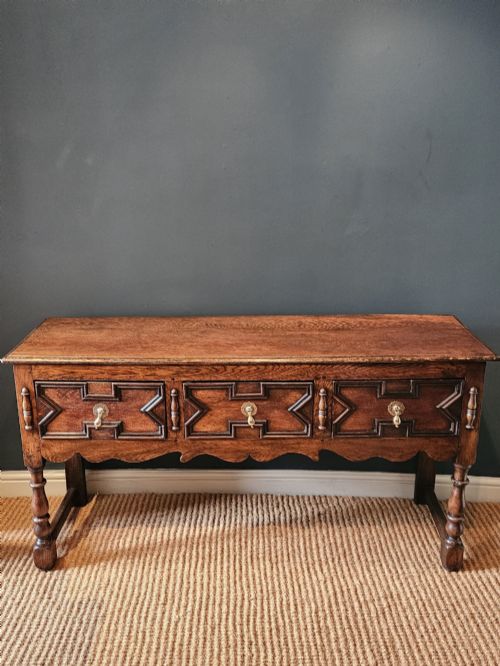
Makers working in provincial regions as well as major towns produced these items using native timbers suited to robust everyday life. Pieces range from simple functional tables to elaborate geometric moulded dressers and tallboys.
The aesthetic prioritises utility and solid construction over fragile ornamentation, reflecting the architectural and domestic needs of the period. Surviving examples demonstrate how early cabinet makers joined heavy planks to create enduring domestic fixtures.
Materials and Construction
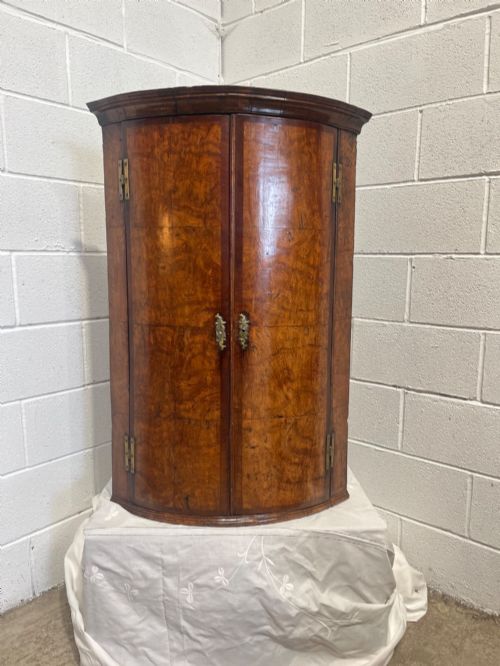
Oak serves as the primary material, frequently supplemented by walnut, elm, fruitwood, and burr oak for secondary elements or decorative veneers. Craftsmen utilised traditional joinery techniques such as mortise and tenon to ensure structural integrity across tables, chests, and dressers.
Brass handles, escutcheons, and hinges provide functional hardware, often surviving in original or period-appropriate form. Secondary timbers like deal or pine occasionally appear in internal drawer linings and carcass backs.
Surface finishes rely on natural waxes and oils that interact with the grain over centuries, developing deep patination. Cabinet makers shaped mouldings directly from solid timber or applied geometric veneers to create subtle surface relief.
One remarkably honest chair doubles as a commode, proving that eighteenth-century household convenience occasionally required clever disguise.
Assessing Quality
Quality rests upon the selection of timber, the crispness of mouldings, and the survival of original surfaces and brasses. Grain alignment and the deliberate choice of figured woods such as burr oak distinguish finer workshops from standard provincial output.
Proportion and structural harmony dictate the standing of a piece, where well-balanced drawers and slender supports indicate careful planning by the maker. Alterations to feet, handles, or timber panels diminish the integrity of early items.
Patina and colour reveal the natural ageing of the wood under decades of polishing and handling. Examples retaining unbleached timber tones and minimal intervention command greater appreciation among collectors.
George W Jack·George Walton·William Trotter·Bell Barn Furniture
The George I Oak Furniture Glossary
- Lowboy
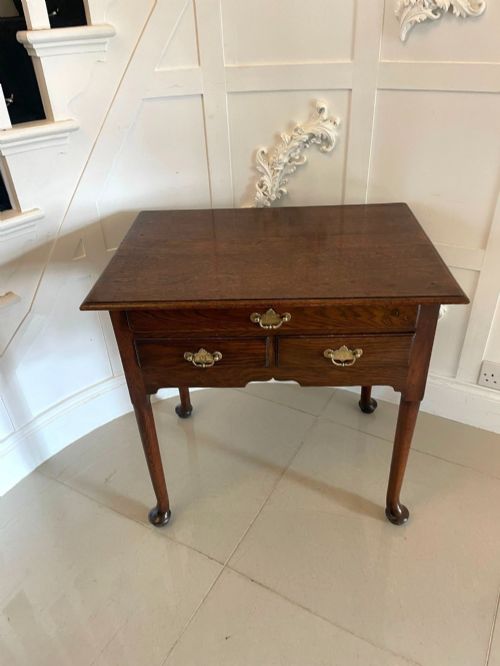
- A small side table with drawers, typically used as a dressing or writing table. These tables rest on four legs and often feature shaped aprons.
- Tallboy
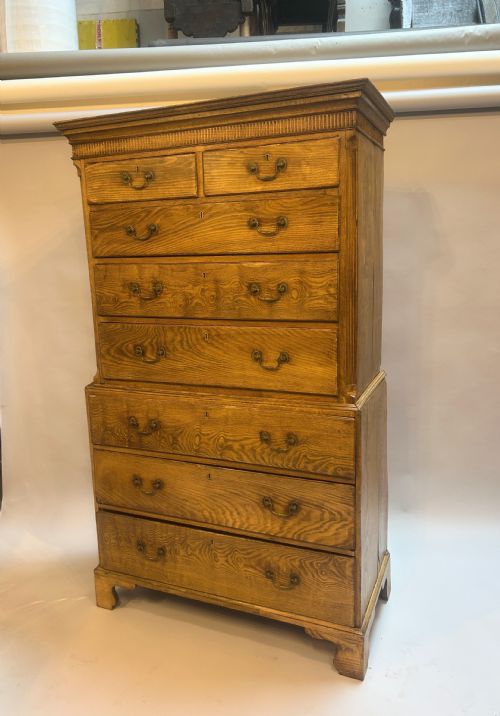
- A tall chest of drawers consisting of one chest stacked upon another taller base section. This form maximises storage while occupying a compact floor footprint.
- Potboard Dresser
- A dresser featuring an open lower shelf positioned between the floor and the main base. This lower board was traditionally used to display or store metal and ceramic kitchenware.
- Geometric Moulding
- Raised wooden mouldings applied in rectilinear patterns onto drawer fronts or doors. This decorative technique creates depth and shadow on flat surfaces.
- Cricket Table
- A small, lightweight three-legged table designed for uneven floors in vernacular settings. The triangular frame ensures stability on flagstone or earthen kitchen surfaces.
- Patina
- The lustrous surface sheen developed on wood through age, handling, and wax application. This layer reflects the history and use of the object over centuries.
George I Oak Furniture: Frequently Asked Questions
What is a lowboy used for?
A lowboy functions primarily as a small side table or dressing table equipped with drawers. In period interiors, these versatile pieces sat in bedchambers or parlours for holding personal items.
Today, they serve equally well as hallway tables or compact writing desks in modern rooms.
How do I identify George I oak furniture?
Authentic pieces display structural traits typical of the early eighteenth century, including solid oak construction, hand-cut dovetails, and pegged joints. Look for geometric mouldings, bracket feet, and panelled drawer construction.
Comparing timber density and hardware placement helps confirm the period of manufacture.
How should I care for antique oak surfaces?
Maintain antique oak by applying traditional beeswax sparingly and buffing with a soft cloth to preserve the finish. Avoid placing timber pieces near direct heat sources or in strong sunlight.
Regular dusting prevents particulate buildup that can dull the historical patina over time.
What distinguishes a dresser base from a sideboard?
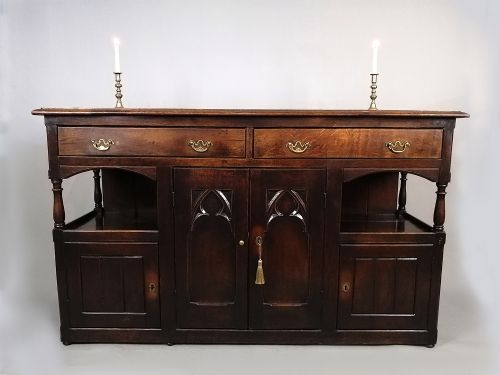
A dresser base incorporates drawers and cupboards designed specifically for domestic storage, often featuring a potboard shelf beneath. Sideboards emerged later as formal dining room serving pieces.
Dresser bases generally display a heavier, more vernacular construction style than later dining furniture.