
George I Armchair
A genuine george i armchair offers robust proportions and architectural joinery, anchoring an interior with understated authority.
George I Armchair
A george i armchair represents seating produced during the reign of King George I or within that specific design vocabulary. These pieces display early eighteenth-century restraint, focusing on solid walnut or mahogany construction with restrained carved details.
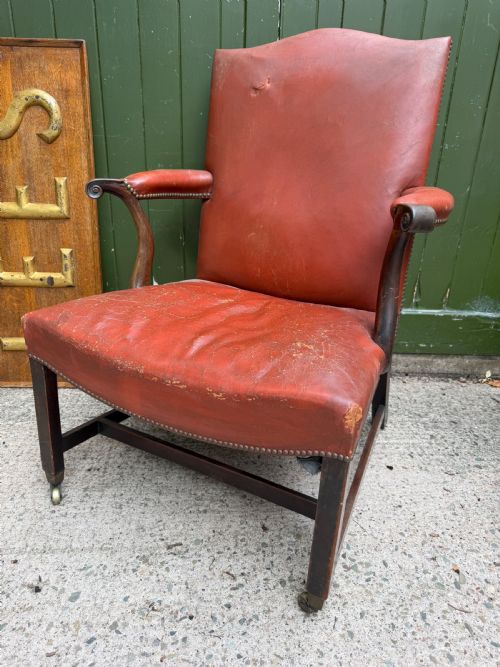
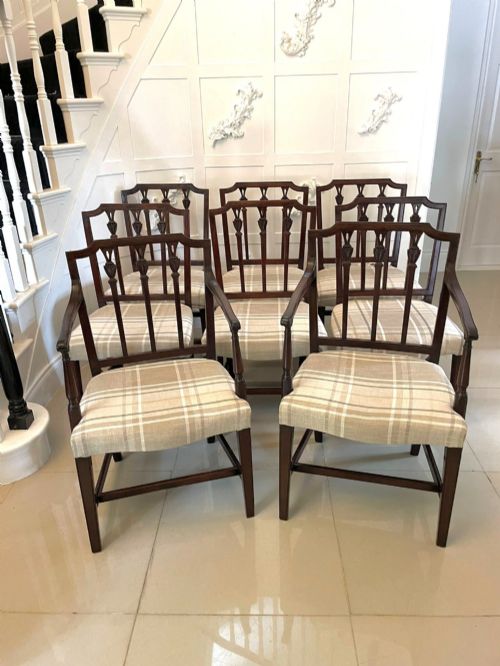
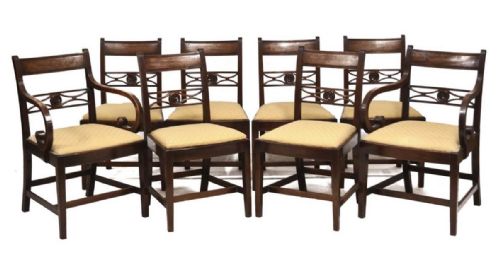
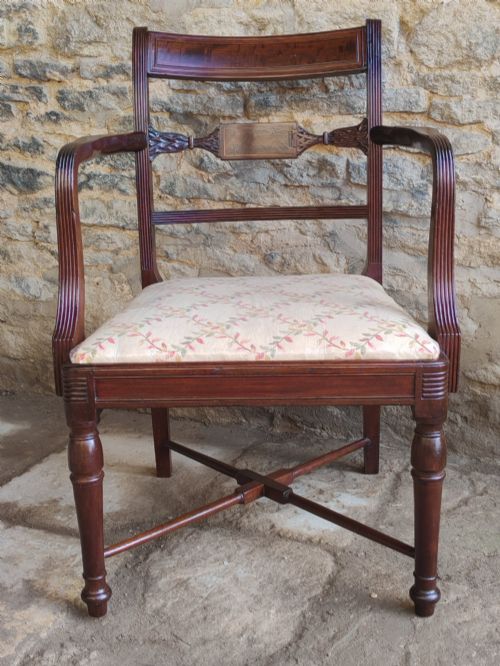
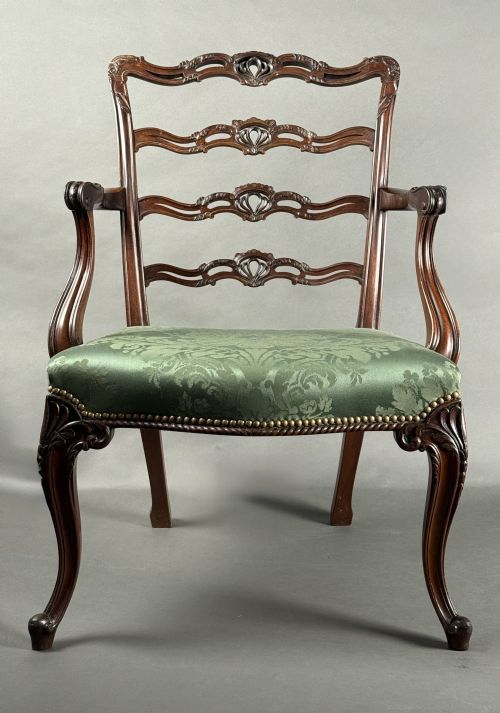
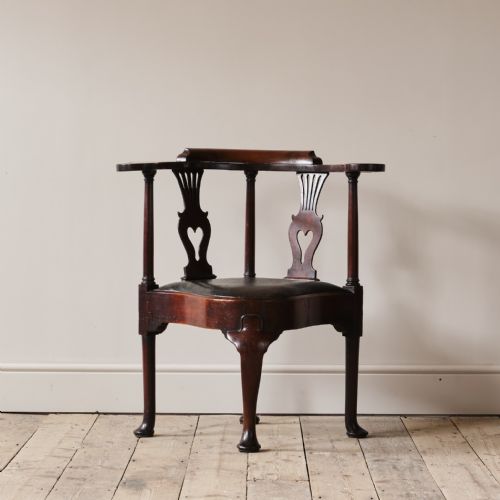
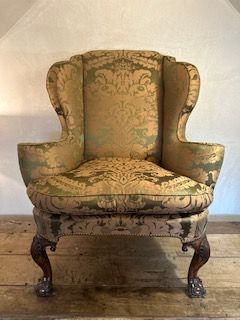
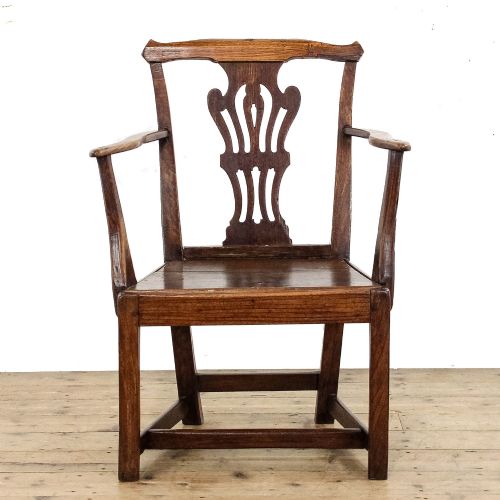
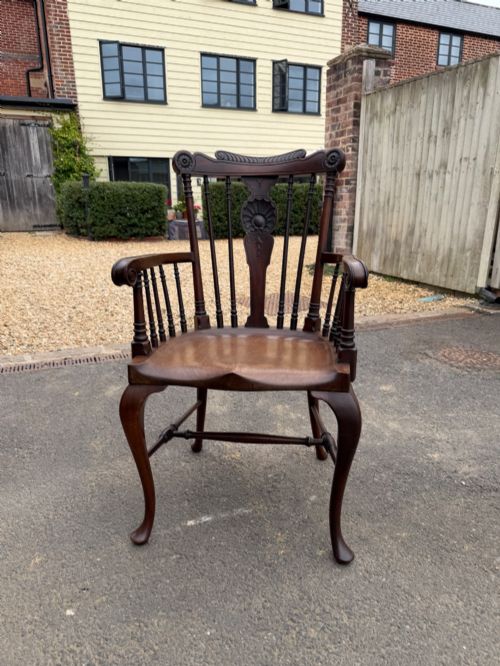
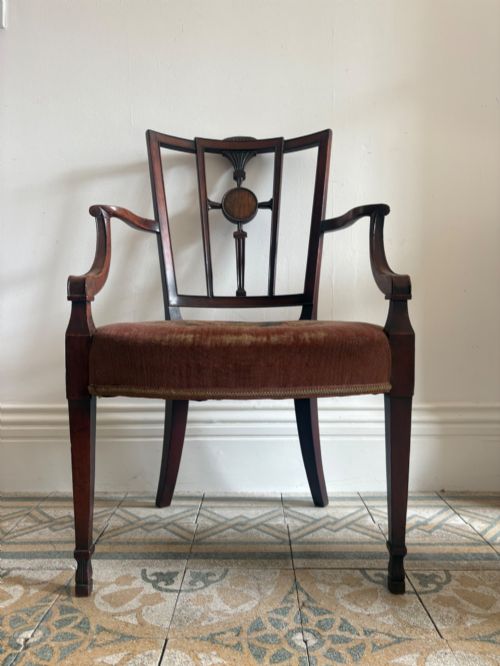
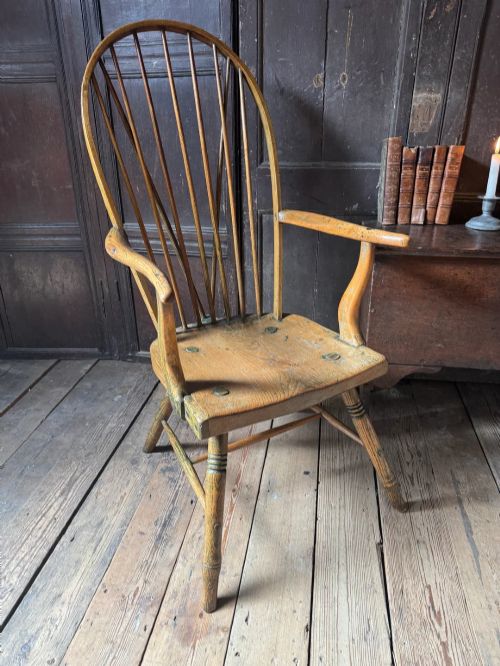
The buyer encounters various configurations on this page, ranging from heavy wingback library chairs upholstered in leather to open armchairs with cabriole legs. Regional vernacular pieces in elm, ash and oak also appear alongside formal urban seating.
While true first-period examples survive from the early eighteenth century, later revivals from the nineteenth and twentieth centuries also populate the market. These later interpretations adopt the proportions and stylistic markers of the original reign.
Distinctions in quality and execution
Quality rests in the crispness of carved elements and the integrity of the underlying timber frame. Superior examples display fluent lines in the arm supports and leg geometry, whereas lesser pieces show stiff or simplified proportions.
The originality of the frame components dictates much of the value, as timber shrinkage, replaced stretchers or extensive restoration alter the historical integrity. Untouched surfaces and patinated secondary timbers elevate an example far above heavily refinished peers.
Specialised seating includes designated drunkards chairs with low arms designed to accommodate eighteenth-century posture safely.
Thomas Chippendale·Gillows·Waring and Gillow·Morris and Co
The George I Armchair Glossary
- Cabriole leg
- A furniture leg that curves outward at the knee and tapers inward toward the foot, mimicking animal limbs. This form dominated seating design during the early eighteenth century.
- Wingback
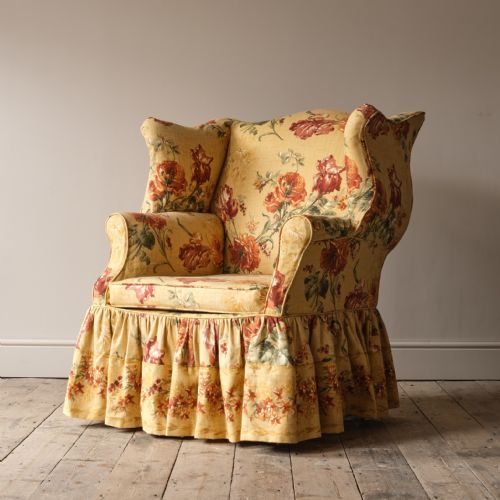
- An upholstered armchair featuring flanking side panels designed to shield the sitter from drafts. These forms frequently utilised leather or heavy fabric coverings.
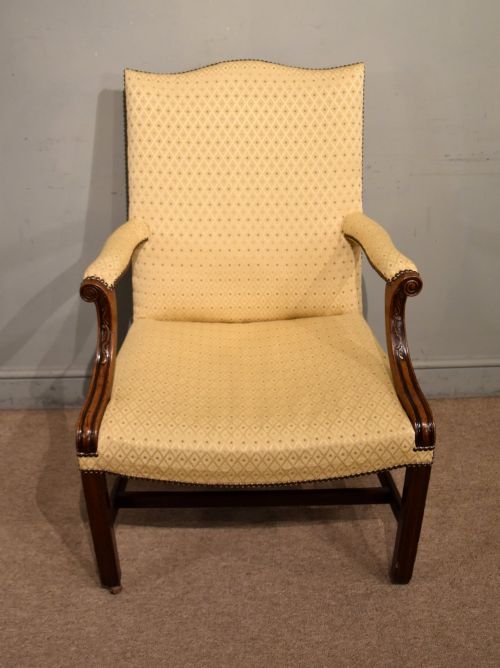
- Gainsborough
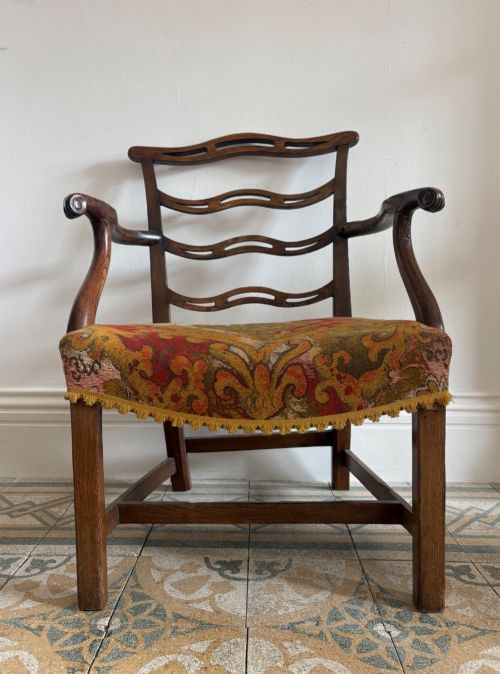
- A wide open-arm library chair featuring a padded back and seat raised on short legs. They frequently appeared in studies and formal libraries.
- Carver
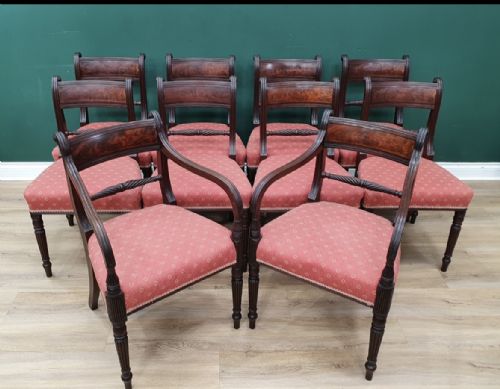
- A term applied to an armchair designed to match a set of single dining chairs. They usually occupied the heads of dining tables.
- Stretcher
- A horizontal timber connecting the legs of a chair to provide structural stability. Country and regional pieces frequently employed crinoline stretchers shaped in a continuous curve.
George I Armchair: Frequently Asked Questions
How do I spot a later revival copy?
Later copies often display machine-cut timber surfaces and uniform wear patterns that lack the organic softening of genuine eighteenth-century pieces. Examining the secondary timbers inside the seat frame usually reveals the true age of the construction.
Revival pieces from the Victorian and Edwardian eras also tend to use heavier gauge screws and standardised sizing that differs from eighteenth-century tolerances.
What is a Gainsborough chair used for?
These open-arm chairs served as comfortable seating for writing desks, libraries and drawing rooms where mobility and posture mattered. Their generous seat widths accommodated the voluminous clothing fashions of the period.
They function equally well today as desk chairs or occasional seating in living spaces due to their compact footprint.
Are Windsor armchairs sturdy enough for daily seating?
Elm and ash Windsor chairs utilise pegged spindle construction that distributes weight evenly across the hoop back and saddle seat. This makes them remarkably resilient for everyday use.
Their rigid wooden frames require little more than occasional wax maintenance to remain stable for generations.
Why do some chairs feature stretchers?
Stretchers provided essential lateral reinforcement to chair legs before advances in corner-block joinery made unsupported frames reliable. Earlier models and country vernacular pieces relied on them heavily to prevent leg splaying.
Over time, stretchers evolved from structural necessities into decorative elements, especially in regional Windsor variations.