
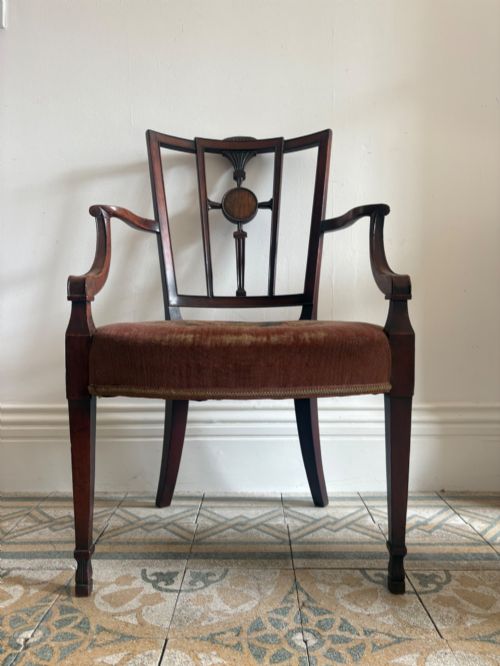
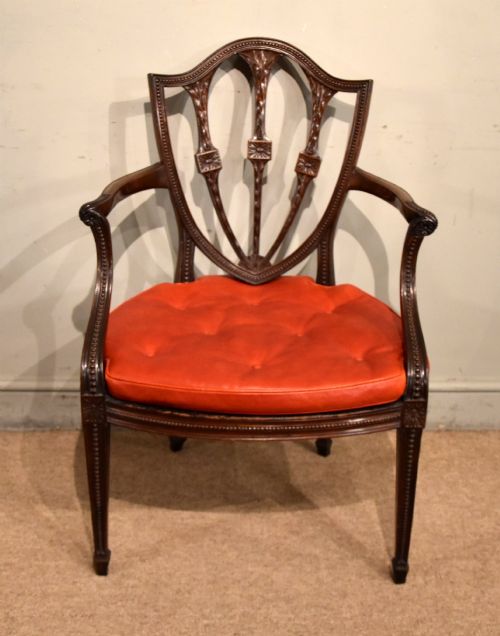
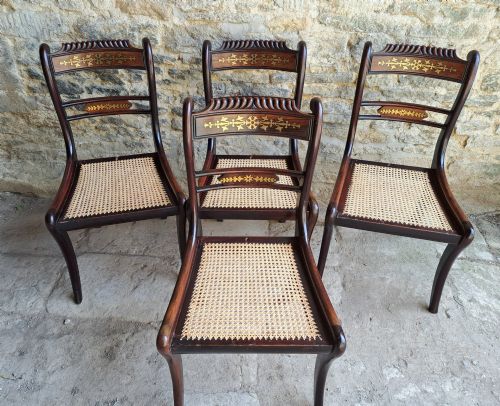
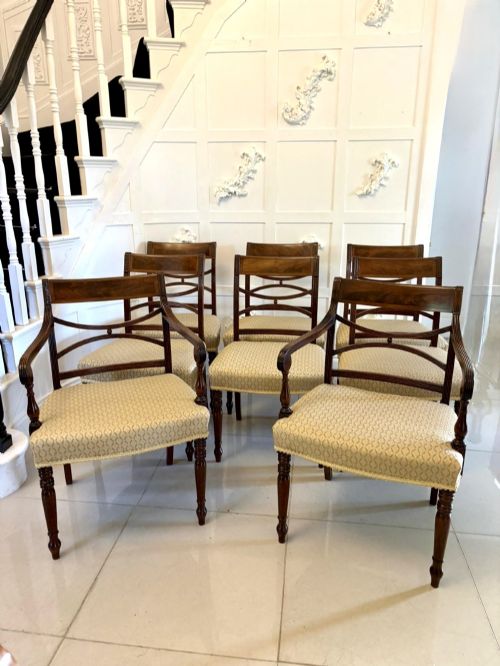
George I Dining Chairs
When searching for george i dining chairs, collectors seek sturdy walnut and mahogany seating reflecting early eighteenth-century proportions.
George I Dining Chairs
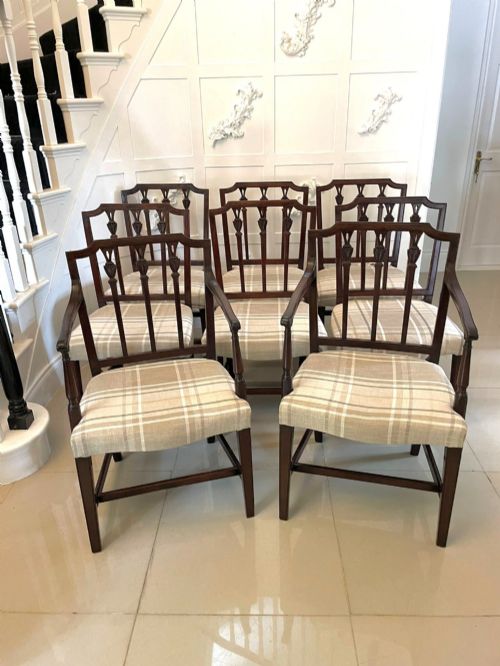
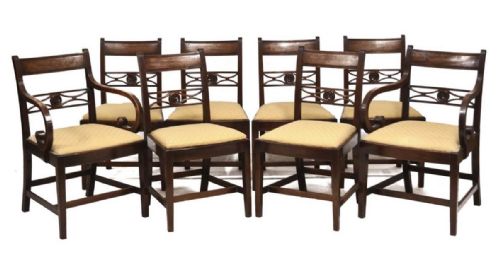
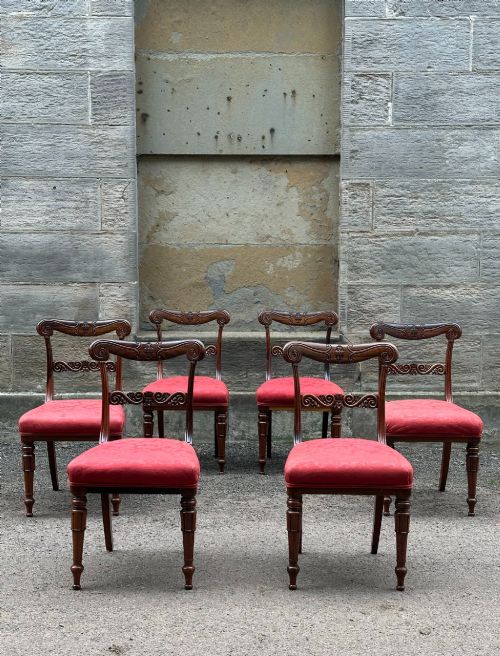
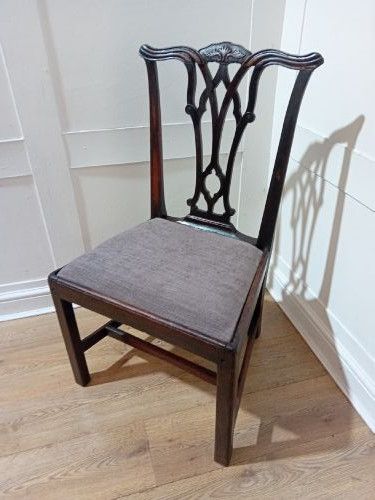
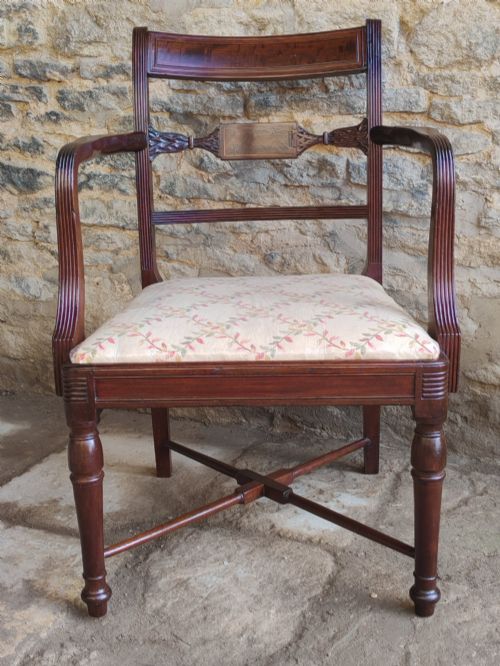
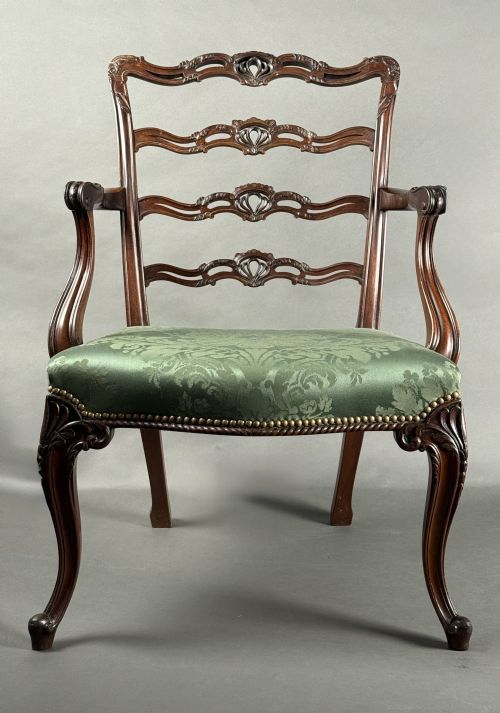
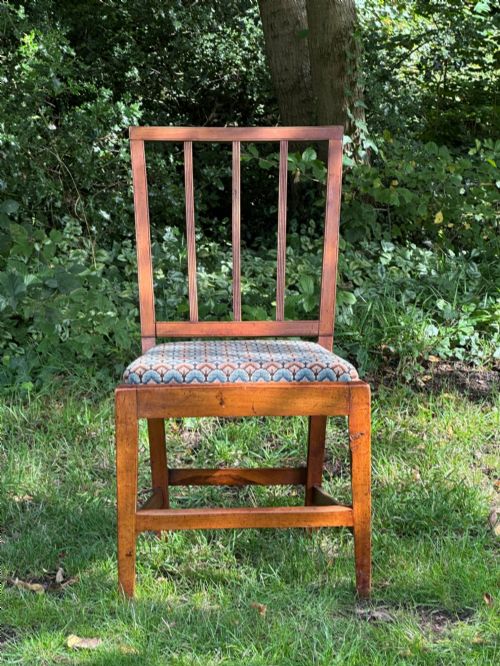
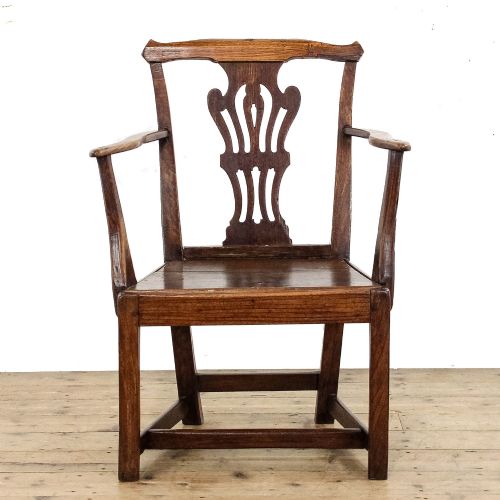
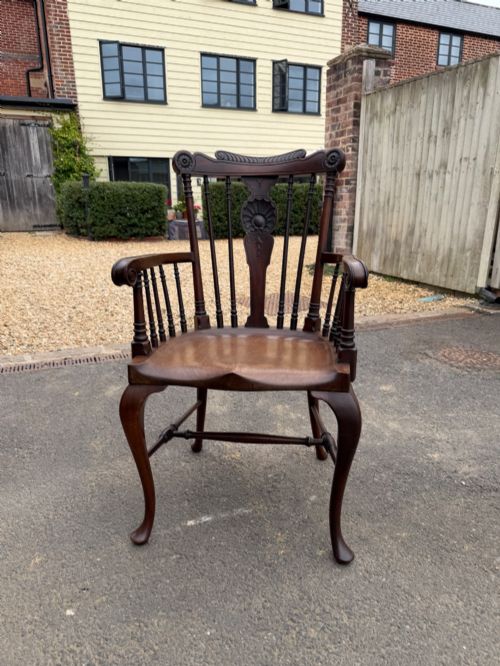
When browsing for george i dining chairs, buyers encounter sturdy seating forms rooted in the early eighteenth century, often appearing alongside later Georgian iterations. These pieces typically include single dining chairs and corresponding armchairs built for formal domestic interiors.
The material palette recorded in the listings leans heavily towards carved walnut and solid mahogany, supported by various upholstered pads. Surviving examples demonstrate the transition from heavy walnut frames to lighter mahogany structures as the century progressed.
How they were made
Cabinetmakers utilised dense timbers such as walnut and mahogany, shaping supports through manual carving and turning. Joinery methods relied upon tight mortise and tenon joints to secure the seat frames.
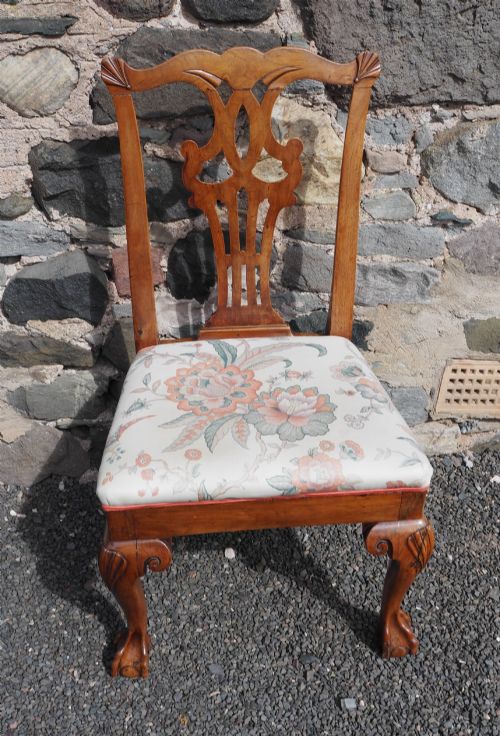
Upholstery was integrated into drop-in seats or fixed frames, employing traditional stuffing materials covered in fabrics like leather, horsehair, and velvet. Brass details occasionally appeared as inlay work or structural reinforcement on specific models.
Listings span the eighteenth and nineteenth centuries, featuring walnut and mahogany timbers alongside oak, elm, and rosewood.
What varies in quality
The standard of carving on the knees, splats, and crest rails separates standard workshop production from finer examples. Crisp execution of shell motifs and crisp cabriole profiles indicate superior artisan skill.
Timber selection and the preservation of original framing timbers dictate overall integrity. Original surface patination and minimal replacement of structural components contribute significantly to the standing of any given set.
Gillows
The George I Dining Chairs Glossary
- Cabriole
- A curved furniture leg that bends outward at the knee and tapers inward toward the foot, mimicking animal limbs.
- Carver
- An armchair designed specifically for the head of a dining table, usually matching the accompanying single chairs.
- Splat
- The vertical wooden strip down the centre of a chair back that provides lumbar support and ornamental shape.
- Drop-in seat
- A removable wooden frame upholstered separately and dropped into a recess in the chair rail.
George I Dining Chairs: Frequently Asked Questions
How are dining armchairs distinguished from side chairs?
Armchairs include side supports fitted to the top rail for the head of the table, whereas side chairs omit arms to allow compact placement around the sides.
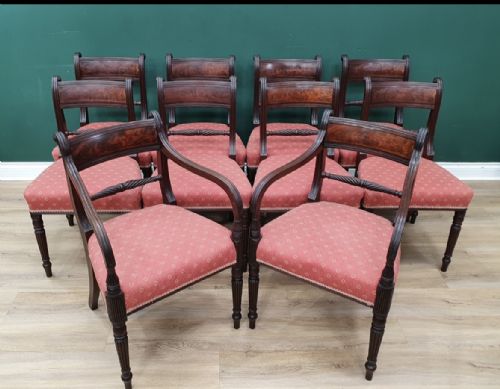
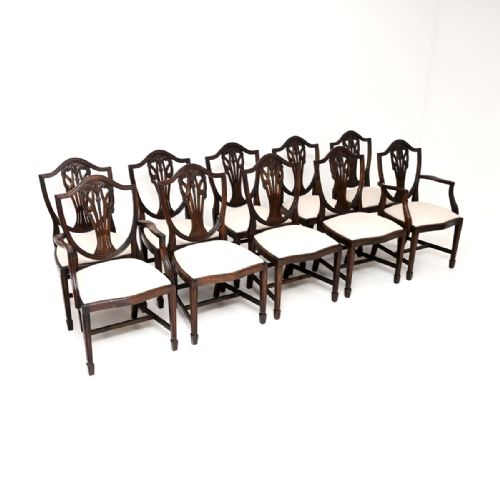
Matching suites often combined six or eight side chairs with a pair of matching armchairs for formal dining layouts.
What wood types appear most frequently?
Walnut dominates the earlier eighteenth-century examples, while mahogany forms the majority of the subsequent Georgian offerings.
Alternative regional timbers such as oak, elm, and birch also appear in country-made seating variants.
How do you identify original upholstery?
Original seating structures often utilise traditional stuffings like horsehair secured over webbing and canvas foundations.
Later restorations typically reveal modern tacks and synthetic fabrics replacing the historical coverings.
Are large sets difficult to find?
Complete sets of eight or ten matching chairs survive in smaller quantities due to attrition and separation over centuries.
Many assembled sets combine period singles and armchairs sharing similar stylistic traits.